
Main Courses
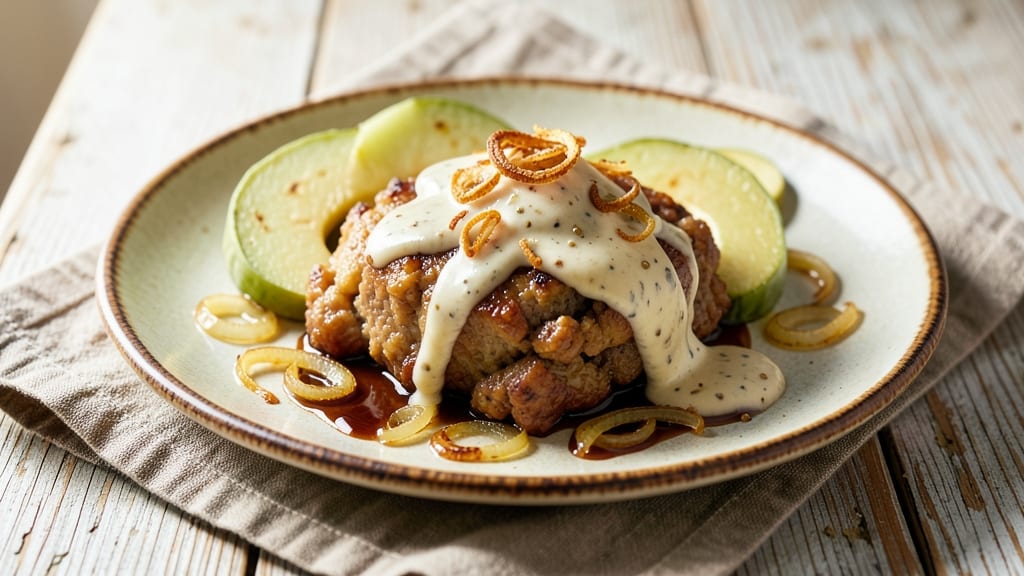
This Filipino-style chayote and ground pork braise delivers the perfect balance of tender meat and crispy, caramelized edges—just like my abuela used to make. 🔥 The secret lies in a two-step cooking process that transforms simple ingredients into a restaurant-worthy dish.
I first developed this recipe during a trip to Manila, where I watched street vendors create this magic with minimal effort but maximum flavor.
What sets this recipe apart is the technique: searing the pork until deeply browned before braising it with chayote, garlic, and a touch of soy sauce. This creates that signature crispy texture while keeping the pork impossibly tender.
The chayote adds a subtle sweetness that pairs beautifully with the savory pork, and the aromatics build layers of flavor that make this dish unforgettable.
By the time you're done, you'll have a dish that's rich, aromatic, and packed with texture—golden edges on the pork, tender meat throughout, and perfectly cooked chayote. It's the kind of meal that tastes even better the next day, making it perfect for meal prep or feeding a crowd.
The sauce thickens as it cools, creating a perfect balance of moisture and depth.
Serve this with steamed jasmine rice or crusty bread to soak up every last bit of that flavorful braising liquid. Here's how to make it—just like I've been perfecting for years.
Ingredients for chayote and ground pork
These simple, flavor-packed ingredients create a Filipino-style braise that's crispy, tender, and full of depth.
| Ingredient | Amount | Notes |
|---|---|---|
| Ground Pork 🥩 | 1 ½ lb | 80% lean, not pre-seasoned |
| Chayote Squash 🥒 | 2 whole | Medium-sized, peeled and sliced |
| Garlic Cloves 🧄 | 6 cloves | Minced, aromatic and fresh |
| Yellow Onion 🧅 | 1 whole | Medium, thinly sliced |
| Soy Sauce 🍶 | ⅓ cup | Light or all-purpose |
| Coconut Milk 🥥 | ½ cup | Full-fat for creaminess |
| Tomato Paste 🍅 | 2 tbsp | Smooth, not chunky |
| Brown Sugar 🍚 | 1 tbsp | Packed, for caramelization |
| Vegetable Oil 🫒 | 2 tbsp | High smoke point |
| Salt 🧂 | 1 tsp | Kosher or sea salt |
| Black Pepper 🌶️ | ½ tsp | Freshly ground |
| Ground White Pepper 🌶️ | ¼ tsp | For subtle heat |
| Green Onions 🧅 | 3 whole | Thinly sliced, for garnish |
| Fresh Chili Peppers 🌶️ | 1 whole | Siling labuyo or jalapeño, sliced |
| Jasmine Rice 🍚 | 2 cups | Uncooked, for serving |
The ground pork is where the magic starts—80% lean gives you that perfect balance of crispy edges and tender meat. Filipino markets or the meat section at Asian grocery stores usually carry the best cuts, but regular butchers can grind it fresh if you ask. Chayote is the star here, so grab the firmest ones you can find—they should feel heavy for their size. Whole Foods or Trader Joe's often have them in the produce section, or check the international aisle. If you can't find chayote, zucchini or green beans work in a pinch, but nothing beats the authentic flavor. The garlic and onion are non-negotiable for that aromatic base—freshly minced makes all the difference.
No soy sauce? Coconut aminos or tamari work perfectly, though the flavor won't be identical. Running out of coconut milk? Heavy cream or half-and-half adds richness, but it won't have that same tropical depth. The tomato paste is key for that umami kick—Rao's or Muir Glen are my go-tos, but any smooth brand will do. For extra heat, add more sliced chili peppers or a pinch of cayenne. The brown sugar might seem odd, but it caramelizes beautifully with the pork and balances the acidity from the soy sauce. If you're short on time, pre-minced garlic and onion save steps, but fresh is always better.
This braise tastes even better the next day—3-4 days in the fridge, honestly. Portion it into containers so you can reheat just what you need. For longer storage, freeze for up to 3 months, but thaw overnight in the fridge. The rice? Cook it in advance and keep it warm—jasmine rice is ideal, but any long-grain works. Garnish with those green onions and sliced chili peppers right before serving, because they add a fresh pop of color and brightness that disappears fast. Leftovers make amazing lunches or a quick dinner—just warm through and serve with extra rice.
Why You'll Love This Recipe
- One-Pan Magic: I swear by this—just brown the pork, toss in the onions and garlic, then add the chayote. No flipping pans, no extra bowls, and the chayote soaks up all that savory goodness like a sponge.
- Savory Crunch Combo: That crispy pork meets tender chayote? It’s a textural dream—especially when the squash gets just slightly charred at the edges. The soy sauce ties it all together with that perfect umami punch.
- Lunchbox Hero: Between us, this reheats perfectly for packed lunches. The chayote holds its shape, the pork stays juicy, and it’s got enough flavor to stand up to a busy workday. (Yes, even when I forget to pack ice packs.)
- Budget-Friendly Staple: Ground pork stretches far, chayote lasts weeks in the fridge, and onions/garlic are basically pennies. I’ve fed four people for under $10 with this—no fancy ingredients, just solid, satisfying bites.
Step-by-step instructions for Filipino-style chayote pork braise
Here's how to create tender, caramelized pork with crispy chayote edges—just like Filipino home cooks do.
🍳 Step 1: Sear the Pork Until Deeply Browned
Heat the 2 tablespoons vegetable oil in a large, heavy pot over medium-high heat until shimmering. Add the 1.5 lb ground pork and cook, breaking it apart with a wooden spoon, until it releases from the pan and turns deep golden brown—about 8-10 minutes. This step builds incredible flavor through the Maillard reaction.
Once the pork is fully cooked, drain most of the excess fat (leave about 1 tablespoon in the pot) and set the pork aside. If the fat gets too deep, carefully pour off the excess—you want just enough to create a rich base for your sauce. Don't skip this step; crispy, browned pork is the foundation of this dish.
👨🍳 Step 2: Build the Aromatic Base
In the same pot, add the 1 whole yellow onion (thinly sliced) and 6 cloves garlic cloves (minced). Cook over medium heat for 3-4 minutes until the onions soften and turn translucent, and the garlic releases its fragrant aroma. You'll smell that irresistible savory depth building—this is where the magic starts.
Stir in the 2 tablespoons tomato paste and cook for another 1 minute until it darkens slightly. This step deepens the sauce's complexity. Now add the 0.33 cup soy sauce, 1 tablespoon brown sugar, 1 teaspoon salt, 0.5 teaspoon black pepper, and 0.25 teaspoon ground white pepper. Stir well to combine—this is your flavor foundation.
🥘 Step 3: Braise the Pork with Chayote
Return the pork to the pot and stir to coat it in the sauce. Add the 2 whole chayote squash (peeled and sliced into ½-inch thick pieces) and the 1 whole fresh chili peppers (sliced). Pour in the 0.5 cup coconut milk and bring everything to a gentle simmer. Here's the thing—you want the liquid to bubble softly, but not boil vigorously. Cover the pot and cook for 15-20 minutes until the chayote is tender when pierced with a fork.
If the mixture looks dry before the chayote is fully cooked, add 2-3 tablespoons water to maintain moisture. The chayote should be tender but still hold its shape slightly—overcooking turns it mushy. This braising step transforms tough pork into melt-in-your-mouth bites while keeping the chayote delightfully crisp at the edges.
⏰ Step 4: Finish and Garnish for Crispy Perfection
Once the chayote is tender, increase the heat to medium-high and let the sauce reduce for 3-5 minutes until it thickens slightly and coats the back of a spoon. This reduction intensifies the flavors and creates that perfect glossy finish. Taste and adjust seasoning if needed—you might want a touch more soy sauce for saltiness or a pinch of sugar to balance acidity.
Garnish with the 3 whole green onions (thinly sliced) and serve immediately over 2 cups cooked jasmine rice. The contrast of crispy chayote edges with tender pork and creamy coconut milk makes every bite unforgettable. Don't skip the garnish—it adds freshness and visual appeal that ties the dish together beautifully.
Pro Tips For Making Chayote And Ground Pork
- PARE CHAYOTE LIKE APPLES: Peel it first, then slice—no need for a mandoline. The skin’s tougher than it looks, and trying to cut through it after slicing turns your knife into a chayote shredder. A sharp chef’s knife and steady hand work best; angle it like you’re coring an apple.
- BROWN THE PORK FIRST: Don’t skip the initial sear—break the ground pork into 1-inch chunks and cook them in batches over medium-high heat until deeply browned. This builds flavor that soy sauce alone can’t fix, and it keeps the final dish from tasting like a pork-and-water stew.
- SWEAT ONIONS LOW AND SLOW: After browning the pork, reduce heat to low and let the onions caramelize for 8–10 minutes. Rushing this step means you’ll end up with raw onion bits instead of sweet, translucent strands that make the whole dish sing.
- ADD CHAYOTE LAST MINUTE: Toss in the sliced chayote only after the pork and onions are fully cooked—about 3–4 minutes before serving. Overcooking turns it mushy, and you’ll miss the slight crunch that keeps the texture interesting. Think of it as the dish’s final bright note.
Wine and beer pairings for this chayote and ground pork
Filipino White Wine Pairings
For this dish, I always reach for a crisp Filipino white wine like Petilla from the Bodegas del Norte region—it’s light, slightly floral, and has just enough acidity to cut through the richness of the coconut milk.
If you can’t find Petilla, a Spanish Albariño works beautifully with its citrus notes. The wine’s brightness mirrors the chayote’s subtle sweetness while balancing the savory depth of the pork. 🍷
Creamy Beer Options
A Filipino-style lager like San Miguel is my go-to for beer lovers—its smooth, slightly malty profile complements the dish without overpowering it. For something more adventurous, try a Belgian witbier like Hoegaarden, which adds a refreshing citrusy contrast to the coconut and soy flavors.
Avoid heavy IPAs or stouts, as they’ll clash with the dish’s delicate balance.
Red Wine for Bold Palates
If you prefer red wine, a light-bodied Pinot Noir from California or Oregon works surprisingly well. The wine’s earthy notes pair beautifully with the pork’s caramelized edges, while its acidity keeps the coconut milk from feeling too heavy.
I’ve also enjoyed a Spanish Garnacha with this dish—its fruity undertones enhance the brown sugar caramelization. 🍇
Non-Alcoholic Pairings
For a non-alcoholic option, I love serving this with a ginger-lime sparkling water—the effervescence cleanses the palate between bites, while the ginger’s heat echoes the chili peppers.
A Filipino-style iced tea made with hibiscus and lemongrass (available at Asian markets) is another fantastic choice. The tea’s floral notes harmonize with the dish’s aromatic base.
Nutrition facts
Frequently asked questions
Can I substitute ground beef or chicken for the pork?
Ground pork is ideal because of its natural fat content which creates crispy edges, but you can substitute with 85% lean ground beef or chicken thighs. For chicken, use 1.25 lbs and increase cooking time by 3-5 minutes to ensure tenderness. Avoid lean ground chicken breast as it dries out easily. The flavor profile will shift slightly, but the technique remains the same.
How do I know when the chayote is perfectly cooked?
The chayote should be fork-tender with just a slight resistance when pierced. It should hold its shape but be soft enough to cut through easily. Overcooking turns it mushy—aim for 15-20 minutes of braising time. If using thicker slices (½-inch), add 2-3 extra minutes of cooking time.
What if I can't find chayote at my store?
No problem! Use zucchini or green beans as substitutes. For zucchini, slice into ¼-inch thick pieces and reduce braising time to 10-12 minutes. Green beans should be cut into 1-inch pieces and cooked for 8-10 minutes. The texture will differ, but the dish will still be delicious.
Can I make this recipe in a slow cooker?
Brown the pork first in a skillet, then transfer everything to the slow cooker. Cook on low for 4-5 hours or high for 2-3 hours. The slow cooking enhances tenderness, but you may need to add ¼ cup water if the mixture becomes too thick. The sauce will thicken more during slow cooking, so adjust seasoning at the end.
Why does my pork turn out dry?
Overcooking or using lean meat causes dryness. Always use 80% lean pork and don't exceed 10 minutes of searing. For braising, maintain a gentle simmer—not a boil—to keep moisture. If the sauce reduces too much, add 2-3 tablespoons water during cooking. The coconut milk also helps maintain tenderness.