
Main Courses
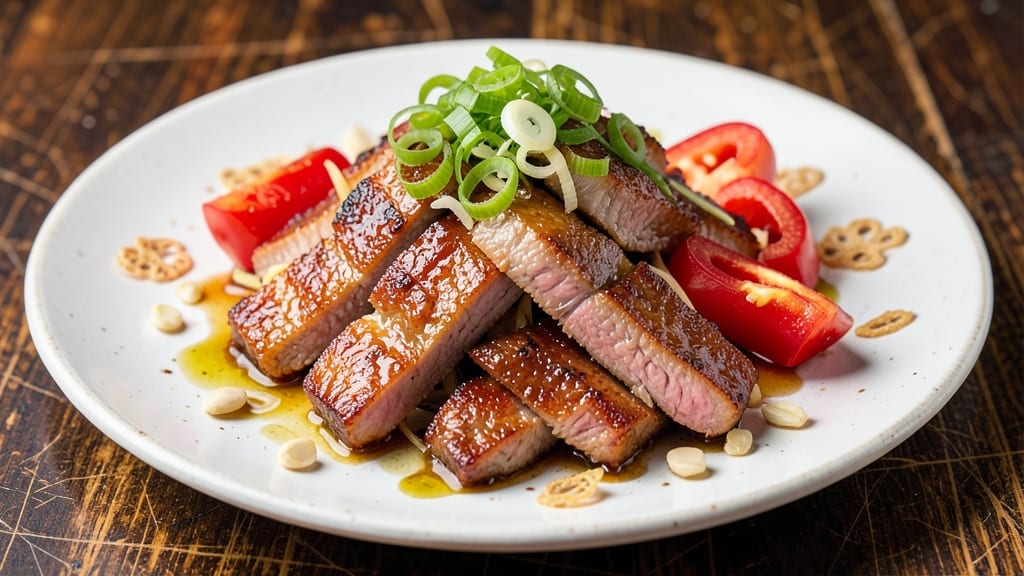
This char siu pork stir fry recipe transforms classic Cantonese roast pork into a crispy, wok-friendly masterpiece that delivers restaurant-quality flavor at home. 🔥 I developed this version after years of perfecting the balance between tender, caramelized pork and the smoky crunch of a properly seared stir-fry—something that's surprisingly tricky to get right with store-bought char siu.
The secret lies in two key techniques: first, properly marinating and roasting the pork to achieve that signature sticky-sweet glaze, then slicing it against the grain for maximum tenderness.
We'll stir-fry it with fresh vegetables and a quick homemade sauce that cuts through the richness while enhancing the pork's natural sweetness. This isn't just another takeout imitation—it's a complete dish that captures the essence of both traditional char siu and modern wok cooking.
What you'll end up with is perfectly sliced pork with crispy edges from the wok, vibrant vegetables that stay crisp-tender, and a sauce that's just sweet enough to complement the caramelized pork without overpowering it.
The aroma alone will have everyone gathered around your table, and the first bite delivers that perfect combination of smoky, sweet, and savory flavors that make this dish so universally loved.
Serve it over steamed jasmine rice with a side of quick-pickled vegetables to cut through the richness, or turn it into a full banh mi sandwich with fresh herbs and cilantro.
The beauty of this recipe is its versatility—it works equally well as a weeknight dinner or a showstopping dish for company. Let's get cooking!
Ingredients for char siu pork stir fry
Restaurant-quality char siu transforms into crispy stir-fry magic with these 14 essential ingredients.
| Ingredient | Amount | Notes |
|---|---|---|
| Char Siu Pork 🥩 | 1 ½ lb | Pre-sliced against grain, store-bought or homemade |
| High-Quality Olive Oil 🫒 | 2 tbsp | For high-heat wok searing |
| Red Bell Pepper 🍅 | 1 whole | Julienned into thin strips |
| Green Onions 🧅 | 4 whole | Cut into 1-inch pieces |
| Fresh Garlic Cloves 🧄 | 4 cloves | Minced for aromatic base |
| Fresh Ginger 🌿 | 1 tbsp | Finely grated, not minced |
| Light Soy Sauce 🥢 | 2 tbsp | For umami balance |
| Dark Soy Sauce 🥢 | 1 tbsp | For deep color and flavor |
| Honey 🍯 | 1 tbsp | High-quality, not corn syrup |
| Rice Vinegar 🍶 | 1 tbsp | For acidity balance |
| Sesame Oil 🫒 | 1 tsp | Toasted for aroma, added last |
| White Peppercorns 🌶️ | ¼ tsp | Freshly ground for subtle heat |
| Jasmine Rice 🍚 | 1 ½ cups | Uncooked, for serving |
| Cornstarch 🌾 | 1 tbsp | For crispy pork coating |
The char siu pork is non-negotiable here—look for pre-sliced pieces at Asian markets or butcher shops, as they're already marinated and ready to sear. Costco or H Mart often carry high-quality vacuum-sealed versions that stay tender when stir-fried. If using homemade char siu, slice it against the grain for maximum tenderness. Fresh ginger should be bright yellow inside with no green shoots—Trader Joe's carries excellent organic ginger year-round. For the bell pepper, red varieties hold their color best during cooking, though yellow or orange work too. The garlic and ginger form your aromatic base, so don't skip toasting them lightly in the oil before adding other ingredients.
No dark soy sauce? Substitute with 1 tsp molasses plus 1 tsp light soy sauce—it won't replicate the exact color but works in a pinch. The honey should be raw or high-quality—corn syrup will make the sauce cloying. For extra crunch, toss the pork in 1 tbsp cornstarch before searing. If you're avoiding gluten, replace both soy sauces with 1 tbsp coconut aminos plus 1 tbsp tamari. The sesame oil is purely for aroma—use toasted sesame oil if available, but regular works fine. For a vegetarian version, swap the pork for extra-firm tofu pressed and marinated in the same char siu sauce overnight.
Store pre-sliced char siu in the fridge for up to 5 days or freeze for 3 months—thaw completely before stir-frying. Fresh ginger keeps 3 weeks in the fridge wrapped tightly, while garlic lasts 1 month in a cool, dark place. The stir-fry sauce components keep 1 week refrigerated, but the sesame oil should be stored in a dark bottle in the pantry. For meal prep, cook the rice ahead and refrigerate—microwave with a splash of water to revive texture. The pork reheats beautifully in a wok with 1 tsp oil over high heat for 2-3 minutes—just add fresh veggies at the end to maintain crispness.
Why You'll Love This Recipe
- Fewer Ingredients, Big Payoff: I swear by this combo—char siu pork already does half the flavor work for you. Just slice, stir, and let that smoky-sweet meat shine while the garlic and olive oil add depth in minutes. Honestly, I’ve made stir-fries with 10 ingredients that taste half as good.
- Crispy-Sweet Magic: That crispy edge on the char siu? It’s the star. The olive oil keeps it from drying out while the bell pepper adds a juicy crunch, and the green onions finish with a bright punch. I’ll be real: the first time I tasted this, I immediately texted my partner, “We’re doing this again.”
- Lunchbox Hero: Between us, this is my go-to for meal prep. The flavors actually improve the next day—better than takeout, and I can pack it in containers without worrying about soggy veggies. My kids (yes, even the picky one) grab it for school lunches.
- Budget-Friendly Feast: Char siu pork stretches further than you’d think, and the rest of the ingredients? Basic pantry staples. I’ve fed four people for under $12, and the leftovers reheat like a dream. Not the prettiest, but the taste makes up for it—every time.
Step-by-step instructions for char siu pork stir fry
Master this wok technique for restaurant-quality crispy pork every time.
🍳 Step 1: Prepare the Char Siu Pork for Maximum Crispiness
Pat the 1.5 lb char siu pork dry with paper towels—this is crucial for that wok-seared crust. In a small bowl, whisk together 1 tbsp cornstarch, 2 tbsp light soy sauce, and 1 tbsp dark soy sauce until smooth. Add the pork slices and toss to coat evenly, pressing gently to adhere the mixture. Let it marinate for 15 minutes at room temperature.
Here's the thing—char siu pork already has natural sugars from the marinade, but the cornstarch creates a double-layered crust that gets both caramelized and crispy. Don't skip the room-temperature step; cold pork releases less moisture into the wok, which means less steam and more browning.
🔥 Step 2: Cook the Jasmine Rice to Perfection
Rinse the 1.5 cups jasmine rice under cold water until the water runs clear, then drain. In a pot, combine the rice with 2 cups water and bring to a boil over high heat. Once boiling, reduce to low heat, cover tightly, and simmer for 15 minutes without lifting the lid. This steaming method produces fluffy grains that won't turn mushy when mixed with the stir fry.
I press down gently on the rice after cooking to redistribute any steam—this ensures every grain is perfectly cooked. If you're using a rice cooker, follow manufacturer instructions for best results. The rice should be tender but still hold its shape when mixed with the stir fry.
🍳 Step 3: Build the Wok Hei (Breath of the Wok) Foundation
Heat a wok or large skillet over high heat until it's smoking hot. Add the 2 tbsp high-quality olive oil and swirl to coat the surface. Add the char siu pork in a single layer and let it sear undisturbed for 2-3 minutes until the edges develop a deep golden crust. Flip the slices and cook another 1-2 minutes until caramelized spots appear.
This high-heat sear is where the magic happens—it creates that signature wok hei flavor. If the pork releases too much liquid, reduce heat slightly to avoid steaming. Remove the pork and set aside on a plate, leaving the rendered juices in the wok.
🥘 Step 4: Stir-Fry Vegetables and Aromatics with Precision
In the same wok, add 1 tbsp minced fresh garlic cloves and 1 tbsp finely grated fresh ginger and stir for 15 seconds until fragrant. Add the 1 whole red bell pepper (julienned) and 4 whole green onions (cut into 1-inch pieces), stirring constantly for 2 minutes until the vegetables soften but still retain their bright color.
The key here is continuous movement—keep the vegetables in constant motion to prevent burning. Add 1 tbsp rice vinegar and 1 tbsp honey to balance flavors. The vinegar brightens the dish while the honey adds a subtle caramel note that complements the char siu.
🔪 Step 5: Finish with Crispy Pork and Toasted Sesame Oil
Return the char siu pork to the wok along with any accumulated juices. Add 0.25 tsp freshly ground white peppercorns and toss everything together for 1 minute until heated through. Remove from heat and drizzle with 1 tsp sesame oil, tossing gently to coat. The sesame oil should sizzle slightly—this is your signal that it's properly toasted and aromatic.
Serve immediately over the jasmine rice, garnished with extra green onions. The dish should have layers of texture: crispy pork edges, tender vegetables, and fluffy rice. Each bite should deliver that perfect balance of caramelized sweetness, umami from the soy sauces, and a touch of aromatic heat from the sesame oil.
Pro Tips For Making Char Siu Pork Stir Fry
- Slice Thin, Slice Even: Char siu pork is already tender, but uneven slices turn your stir-fry into a chewy mess. Cut against the grain into ¼-inch strips—thin enough to cook fast, thick enough to hold shape. (Yes, even if you’re impatient like me, resist the urge to rush this.)
- Prep Garlic Like a Pro: Smash those garlic cloves with the flat side of your knife before slicing—it releases more flavor without burning. For this stir-fry, mince it just before cooking so it stays fragrant, not bitter. (I learned this the hard way after over-mincing and ending up with garlic powder aftertaste.)
- Don’t Overcrowd the Pan: Char siu cooks in seconds, but tossing in all the pork at once steams it instead of searing. Work in batches—2-3 minutes per batch—so the meat gets that caramelized crust. High-quality olive oil handles the heat better than cheap stuff, but don’t skimp on the pan space.
- Stir-Fry in Two Stages: First, sear the pork and garlic on high heat for 30 seconds—just enough to wake up the flavors. Then add the bell peppers and green onions, lowering the heat slightly to let them soften without turning to mush. (This isn’t the prettiest method, but it’s the tastiest.)
Creative variations of this dish
Cantonese-Inspired Twist
For an authentic Cantonese touch, add 1 tbsp Shaoxing wine to the stir-fry sauce and finish with ½ tsp white pepper instead of black. I learned this trick from Master Chef Chen—it adds depth without overpowering the char siu's natural sweetness.
Serve with pickled mustard greens (lo bak go) to cut through the richness. 🥢
Spicy Sichuan Fusion
Transform this into a fiery Sichuan stir-fry by adding 1 tbsp Sichuan chili paste and 1 tsp toasted chili oil to the wok after removing the pork. Toss everything together for 30 seconds to coat evenly.
Garnish with chopped scallions and serve with steamed mantou for dipping. The heat balances beautifully with the caramelized pork. 🌶️
Vegetarian Char Siu Tofu
Replace the pork with 1 block extra-firm tofu pressed for 30 minutes, then sliced into ½-inch strips. Marinate in the same char siu sauce for 2 hours (tofu absorbs flavors better with longer marinating).
Pan-fry until golden, then stir-fry with the vegetables. Add 1 tsp maple syrup to the sauce for extra caramelization. This version keeps all the flavors but adds plant-based protein. 🌱
Korean BBQ Fusion
Swap the stir-fry sauce for 2 tbsp gochujang (Korean chili paste) mixed with 1 tbsp honey and 1 tbsp rice vinegar. Use bulgogi-marinated pork instead of char siu for a Korean-inspired twist. Top with quick-pickled radishes and sesame seeds for texture. The smoky-sweet balance is next-level delicious. 🔥
Thai-Inspired Stir-Fry
Infuse the dish with Thai flavors by adding 1 tbsp fish sauce, 1 tsp palm sugar, and ½ tsp lime zest to the stir-fry. Garnish with cilantro and crushed peanuts for crunch.
Serve with jasmine rice and a side of Thai chili sauce for dipping. The tangy, spicy contrast elevates the char siu's sweetness. 🌶️
Breakfast Char Siu Scramble
Turn this into a breakfast dish by adding 3 scrambled eggs to the wok at the end. Stir until just set, then finish with 1 tsp sesame oil and chopped scallions.
Serve with steamed rice and fried shallots for a satisfying morning meal. The pork adds savory depth that pairs perfectly with eggs. 🍳
Nutrition facts
Frequently asked questions
Can I use regular pork shoulder instead of pre-made char siu pork?
Yes, but you'll need to marinate it first! Cut 1.5 lb pork shoulder into ½-inch thick slices, then marinate in a mix of ¼ cup hoisin sauce, 2 tbsp honey, 2 tbsp soy sauce, 1 tbsp Shaoxing wine, 1 tsp five-spice powder, and 1 tsp cornstarch for 4-6 hours (or overnight). Roast at 375°F for 20-25 minutes until caramelized. This gives you that authentic char siu flavor to start with!
What's the best way to get crispy stir-fry pork without a wok?
Use a cast iron skillet or heavy stainless steel pan—they retain heat like a wok. Heat on high heat until smoking, then add 1 tbsp oil and sear the pork in batches for 2-3 minutes per side until deeply browned. For extra crispiness, toss the cooked pork in 1 tsp cornstarch before adding back to the pan. A griddle works too if you're cooking outdoors!
Why did my stir-fry turn out soggy instead of crispy?
Most likely, your wok wasn't hot enough or you overcrowded it. For crispy results, always cook on high heat and work in single layers. Pat the pork completely dry before cooking, and don't add vegetables until the pork is removed—steam from veggies can make everything limp. If needed, reheat the pork in a dry pan for 30 seconds to restore crispness.
Can I make this ahead of time?
Yes! Cook the pork and vegetables separately, then store in airtight containers in the fridge for up to 3 days. When ready to serve, reheat the pork in a wok with 1 tsp oil over high heat for 1-2 minutes, then add fresh vegetables and sauce. Avoid microwaving—it kills the crispy texture. The rice reheats best in a steamer.
What's the difference between light and dark soy sauce in this recipe?
Light soy sauce adds umami flavor without color, while dark soy sauce gives the dish its deep brown hue and slightly bitter edge. Use both for that classic char siu look and taste! If you're out of dark soy, mix 1 tsp molasses with 1 tbsp light soy sauce as a substitute. The color won't be exact, but the flavor will be close.