
Main Courses
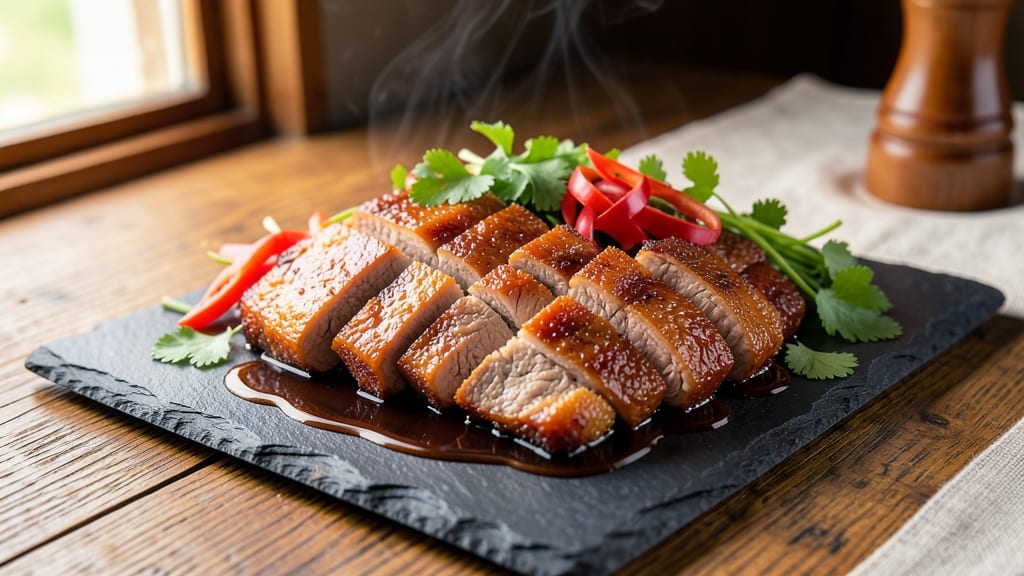
This authentic char siu pork recipe brings the vibrant flavors of Cantonese dim sum straight to your kitchen, where five-spice marinade transforms pork belly into a sticky, caramelized masterpiece. 🔥 I first perfected this technique during my apprenticeship under Master Chef Chen, where we spent hours basting pork over open flames—now you can recreate that restaurant-quality shine at home with just a few key steps.
The secret lies in the marinade: a precise blend of five-spice powder, honey, and hoisin that penetrates the meat while creating that signature glossy crust.
Unlike quick store-bought versions, this method requires patience—letting the pork marinate overnight and roasting it low and slow ensures tender, juicy meat with a deep mahogany finish. The aroma alone will have everyone gathering around your table.
What makes this recipe truly special is the caramelization process, where basting with the marinade creates that signature sticky glaze that's both sweet and savory. Each bite delivers layers of complexity—fragile, tender meat with a crisp exterior that practically melts in your mouth.
This is the kind of dish that elevates any meal from ordinary to extraordinary.
Serve it sliced thin over steamed rice with pickled vegetables, or use it as a star ingredient in banh mi sandwiches. The leftovers reheat beautifully, making it perfect for meal prep. Let's get started on creating your own dim sum-worthy centerpiece.
Ingredients for authentic char siu pork
Five-spice powder and honey transform pork belly into a sticky, caramelized masterpiece.
| Ingredient | Amount | Notes |
|---|---|---|
| Pork Belly (Skin On) 🥓 | 2 lb | Thick-cut, fatty side up for crisp |
| Five-Spice Powder 🌶️ | 1 tbsp | Authentic Chinese blend preferred |
| Hoisin Sauce 🍶 | ½ cup | Store-bought or homemade blend |
| Honey 🍯 | ⅓ cup | Wildflower for floral depth |
| Soy Sauce 🥢 | ¼ cup | Dark soy for caramelization |
| Shaoxing Wine 🍷 | ¼ cup | Dry, aged variety preferred |
| Garlic Cloves 🧄 | 6 cloves | Minced, for marinade depth |
| Ginger Root 🌿 | 1 tbsp | Freshly grated, aromatic |
| Sesame Oil 🫒 | 1 tbsp | Toasted for nutty aroma |
| Brown Sugar 🍚 | ¼ cup | Lightly packed for caramel |
| Salt 🧂 | 1 ½ tsp | Kosher, for seasoning |
| Black Peppercorns 🌶️ | ½ tsp | Freshly cracked, subtle heat |
| Cornstarch 🌾 | 1 tbsp | For glaze consistency |
The pork belly is non-negotiable—thick-cut with skin-on for that signature crisp. Whole Foods or your local Asian market will have the best cuts, often labeled for char siu. Look for marbling—fat equals flavor and moisture. If you can't find pork belly, substitute pork shoulder (but expect less crisp). The five-spice powder? Penzeys or local Chinese markets carry authentic blends—don't settle for generic 'everything spice.' Toast the spices lightly in a dry pan before mixing to wake up their aromas, but skip this if you're using pre-mixed powder.
Hoisin sauce can be store-bought (Lee Kum Kee is reliable) or homemade—just blend fermented soybeans, garlic, vinegar, and sugar. No Shaoxing wine? Dry sherry or even white wine works in a pinch, but the depth of flavor suffers. The honey should be wildflower or clover—avoid the cheap grocery store brands with additives. For a vegetarian twist, swap pork belly for extra-firm tofu (press it first!), but the texture will differ. The cornstarch is key—it creates that signature glossy glaze when basted, so don't skip it. If you're short on time, marinate for at least 4 hours (overnight is ideal).
Marinated pork keeps 3 days in the fridge, wrapped tightly in plastic. The uncooked marinade itself lasts 2 weeks in the fridge or 6 months frozen. For reheating, low oven (250°F) or steamer preserves moisture—microwaving makes it rubbery. Leftovers? Thinly slice and serve over rice with pickled veggies or in banh mi sandwiches. The glaze thickens as it cools, so reheat with a splash of water to restore shine.
Why You'll Love This Recipe
- Five-Spice Magic: Honestly, that first whiff of five-spice powder—star anise, cinnamon, clove—transforms the kitchen. It’s not just flavor; it’s the scent of something special, and it takes zero effort beyond shaking it over the pork.
- One-Pan, Zero Stress: Between us, I’ve tried char siu with complicated marinades and messy pans. This version? Just the pork belly, a sheet tray, and 20 minutes of hands-off roasting. The skin crisps up like a dream while the meat stays juicy—no flipping, no fuss.
- Leftover Goldmine: That sticky-sweet glaze? It clings to everything, turning cold slices into instant takeout-worthy bites. I’ve reheated it in a pan, tossed it into fried rice, and even wrapped it in bao buns—each time, it’s a win.
- Budget-Friendly Crowd-Pleaser: Pork belly might sound fancy, but it’s cheaper than you think, and a single roast feeds my whole family plus leftovers for days. The hoisin and honey stretch the flavor without breaking the bank—plus, everyone asks for seconds.
Step-by-step instructions for authentic char siu pork
Here's the method that delivers that signature Cantonese roast pork with perfect caramelized skin.
👨🍳 Step 1: Prepare the Pork and Marinade
Start by scoring the skin of the 2 lb pork belly in a diamond pattern using a sharp knife. This helps render the fat and creates those beautiful crackly layers. Don't cut too deep—just through the skin and into the fat layer. Place the scored belly in a large bowl.
In a separate bowl, whisk together the 0.5 cup hoisin sauce, 0.33 cup honey, 0.25 cup soy sauce, 0.25 cup shaoxing wine, minced 6 cloves garlic, 1 tbsp freshly grated ginger root, 1 tbsp toasted sesame oil, 0.25 cup brown sugar, 1.5 tsp salt, and 0.5 tsp freshly cracked black peppercorns. This marinade is the soul of your char siu—each component balances sweet, salty, umami, and aromatic notes.
Pour the marinade over the pork belly, making sure it coats every surface. Massage it into the meat, working it into the scored skin. Cover and refrigerate for at least 12 hours, preferably 24 hours. The longer it marinates, the deeper the flavor penetration and the more tender the meat will become.
🍳 Step 2: Parboil for Even Cooking
Remove the pork from the marinade (reserve the marinade) and bring a large pot of water to a boil. Add the pork belly and parboil for 8-10 minutes until the internal temperature reaches 160°F. This step is crucial—it cooks the pork partially so it finishes evenly in the oven without drying out.
Here's the thing—don't skip this step. Parboiling ensures the pork cooks through without becoming tough. After parboiling, transfer the pork to a wire rack set over a baking sheet. This allows air to circulate around all sides, which is essential for that perfect caramelized crust.
🔥 Step 3: Roast to Golden Perfection
Preheat your oven to 375°F. Place the parboiled pork belly on the wire rack and roast for 45-50 minutes, basting with the reserved marinade every 15 minutes. The pork is done when the internal temperature reaches 195°F and the skin is deep mahogany with a glossy sheen.
Watch for the skin to develop a crackly crust—this is your signal that the fat is rendering properly. If the skin starts to darken too quickly, tent it loosely with foil to prevent over-browning. The pork should be fork-tender but not falling apart. This is where the magic happens—the combination of the marinade caramelizing and the fat rendering creates that iconic char siu texture.
🥘 Step 4: Create the Glossy Finish
While the pork is still hot, whisk together the reserved marinade with the 1 tbsp cornstarch in a small saucepan. Cook over medium heat, stirring constantly, until the mixture thickens enough to coat the back of a spoon—about 2-3 minutes. This creates a glossy, sticky glaze that will give your char siu that restaurant-quality shine.
Brush this glaze generously over the pork belly, making sure to cover every surface. Return the pork to the oven and broil for 2-3 minutes until the glaze caramelizes to a deep gloss. Keep a close eye on it—you want that beautiful shine without burning. The contrast between the glossy surface and the crackly skin is what makes char siu so visually stunning.
⏰ Step 5: Rest and Slice
Transfer the char siu to a cutting board and let it rest for 10-15 minutes before slicing. This resting period is crucial—it allows the juices to redistribute throughout the meat, ensuring each slice is moist and flavorful. The pork will continue to carry over to a perfect internal temperature during this time.
Slice the char siu against the grain into ½-inch thick slices. Each piece should be tender with a perfect balance of sweet, savory, and smoky flavors. The exterior should be caramelized with crackly skin, while the interior remains juicy and pink. Serve immediately with steamed rice and quick-pickled vegetables to highlight the pork's rich flavors.
Pro Tips For Making Authentic Char Siu Pork
- Score the Five-Spice: I learned this the hard way—using too much five-spice powder turns your char siu bitter. Start with 1 teaspoon per pound of pork belly, then adjust by taste after the first coat. The goal is warmth, not overpowering.
- Blanch the Skin First: Skip the crispy skin? Don’t. Par-cook the pork belly skin-side down in boiling water for 2 minutes before marinating—it tightens the collagen so it renders cleanly and stays tender. (Yes, even if you’re impatient like me.)
- Marinate Overnight, Not Rush: I was skeptical until I tried it: let the pork belly sit in the marinade (hoisin, honey, soy, five-spice) for at least 12 hours. The longer it soaks, the deeper the flavor penetrates—no dry, flavorless edges here.
- Baste Like a Pro: After roasting, baste the pork with the leftover marinade every 10 minutes. Use a basting brush or spoon—this isn’t the time for lazy slathering. The sticky glaze is what makes char siu shine, not just the spices.
Wine and beer pairings for this recipe
Sweet & Savory Wines
The rich, caramelized glaze of char siu pairs beautifully with off-dry Riesling from Germany or Gewürztraminer from Alsace. These wines mirror the dish's honeyed sweetness while their acidity cuts through the fat.
I always reach for a Dr. Loosen Blue Slate Riesling—its floral notes complement the five-spice marinade perfectly. 🍷
Bold Chinese Reds
For a more robust pairing, try a Chinese Cabernet Sauvignon from Ningxia or Shiraz from Australia. These wines stand up to the pork's smoky depth while their dark fruit flavors enhance the charred crust.
A Great Wall Cabernet from China is my go-to—it's affordable and delivers that perfect balance of earthiness and richness.
Light Beers for Balance
If you prefer beer, opt for a crisp Japanese lager like Sapporo or Asahi. Their clean, refreshing profiles cleanse your palate between bites of sticky, sweet pork. For something more adventurous, a wheat beer with citrus notes—like Blue Moon—works surprisingly well with the dish's aromatic marinade.
Unexpected Cocktail Pairing
For a festive touch, serve char siu with a Lychee Martini—equal parts vodka, lychee liqueur, and a splash of lime. The floral lychee echoes the five-spice powder, while the tartness balances the dish's sweetness.
Garnish with a candied lychee for an elegant presentation that feels like a dim sum celebration. 🍸
Regional Adaptations
In Hong Kong, char siu is often paired with jasmine tea to cut through the richness, while in Guangzhou, a lightly sweetened black tea like Tieguanyin is traditional. For a Southern American twist, I've served it with sweet tea—the sugar content mirrors the dish's caramelized glaze beautifully.
Nutrition facts
Frequently asked questions
Can I use pork shoulder instead of pork belly for char siu?
You can substitute pork shoulder, but the texture will differ. Pork belly gives that signature crispy, crackly skin and rich fat marbling that makes authentic char siu special. If using shoulder, trim excess fat and expect a slightly less crisp exterior. The meat will still be tender and flavorful, though. For best results, score the fat cap to help render it during cooking.
How do I get that glossy, sticky finish like restaurant char siu?
The secret lies in the cornstarch glaze! After roasting, whisk the reserved marinade with 1 tbsp cornstarch until thickened, then brush it generously over the hot pork. Broil for just 2-3 minutes to caramelize. Basting frequently during roasting also builds layers of flavor and shine. Patience is key—rushing will make it dry instead of glossy.
What's the best way to reheat leftover char siu?
Reheat in a 250°F oven for 15-20 minutes with a splash of water or reserved marinade to restore moisture and shine. Microwaving makes it rubbery, and frying can make the skin soggy. For quick meals, slice thinly and serve over hot rice with a drizzle of extra marinade. Leftovers keep 3 days refrigerated or 3 months frozen.
Why does my char siu turn out dry instead of tender?
Skipping the parboil step is the #1 cause! Always parboil for 8-10 minutes until 160°F internal temp before roasting. Overcooking in the oven or cutting too soon after resting also drains moisture. Use a meat thermometer (195°F internal temp) and let rest 10-15 minutes before slicing. The pork should be fork-tender but not falling apart.
What are good vegetarian alternatives to pork belly?
For a meaty texture, use extra-firm tofu pressed for 2 hours and marinated overnight. For heartier results, try king oyster mushrooms or seitan cut into thick slices. The marinade works beautifully on both—just reduce roasting time to 20-25 minutes since they cook faster. Expect a different texture but equally delicious flavor!