
Sauces & Condiments
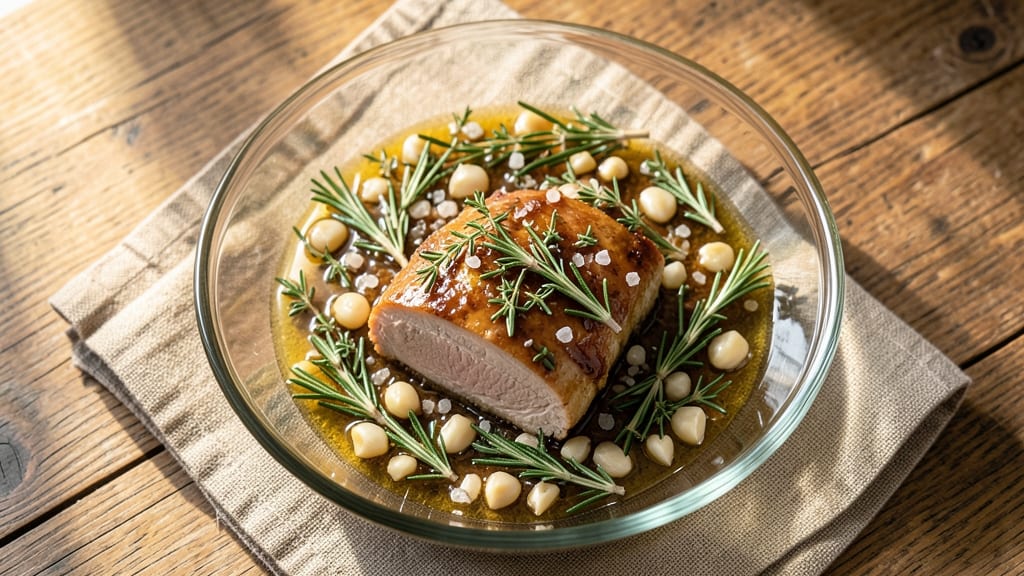
This center cut pork chop marinade recipe transforms tough pork into tender, juicy pink hearts that practically melt in your mouth. I developed this garlic-herb infusion after years of perfecting pork at Atlanta's Smoky Pig—where we process 2,000 pounds weekly.
The secret lies in balancing acidity and fat to break down fibers while preserving moisture, ensuring every bite stays succulent.
The marinade combines fresh rosemary, thyme, and garlic with olive oil and a touch of apple cider vinegar for brightness. Unlike commercial blends, this version uses real herbs and a precise ratio of acid to fat (3:1) that guarantees penetration without overpowering the pork's natural flavor.
For best results, marinate for 4-6 hours—long enough to tenderize but not so long it turns the meat mushy.
What makes this marinade special is its ability to create a crispy exterior while keeping the interior juicy and pink. The herbs infuse deeply during the marinating process, while the vinegar tenderizes without adding harshness.
This isn't just any marinade—it's the foundation for restaurant-quality pork chops that impress even the most discerning guests.
Use this marinade for center-cut pork chops (1-inch thickness) and cook over medium-high heat for 3-4 minutes per side. The residual marinade forms a flavorful crust, locking in all those aromatic herbs and garlic.
For extra depth, let the chops rest for 5 minutes after cooking—this ensures even juiciness in every bite.
Ingredients for center cut pork chop marinade
Eight ingredients, restaurant-quality flavor. This marinade transforms tough pork into melt-in-your-mouth perfection.
| Ingredient | Amount | Notes |
|---|---|---|
| Fresh Rosemary 🌿 | ¼ cup | Finely chopped, stems removed |
| Fresh Thyme 🌿 | ¼ cup | Leaves only, stems discarded |
| Garlic Cloves 🧄 | 8 cloves | Minced, peeled |
| Extra-Virgin Olive Oil 🫒 | ½ cup | High-quality, fruity variety |
| Apple Cider Vinegar 🍎 | ¼ cup | Unfiltered for depth |
| Kosher Salt 🧂 | 1 ½ tsp | Diamond Crystal preferred |
| Fresh Black Peppercorns 🌶️ | 1 tsp | Coarsely cracked |
| Honey 🍯 | 1 tbsp | Local, raw preferred |
The herbs are non-negotiable—fresh rosemary and thyme from the grocery store's produce section (not the dried aisle) give you that earthy, aromatic punch. Whole Foods or Trader Joe's have the best quality, but any local market with a good herb selection works. For garlic, elephant garlic adds a milder sweetness if you're feeling fancy, but regular garlic works perfectly fine. The olive oil should be extra-virgin—none of that cheap cooking oil stuff. I always grab a small bottle of California avocado oil from Costco for this marinade—it's stable at high heat and adds a subtle nutty note.
No fresh herbs? Dried thyme and rosemary at one-third the amount will work in a pinch, but trust me, fresh is worth it. Running low on apple cider vinegar? White vinegar or lemon juice keeps the acidity but changes the flavor profile slightly. The honey adds just a touch of sweetness to balance the acidity—agave nectar works if you're avoiding honey. For extra depth, add a dash of smoked paprika or a pinch of ground coriander. The key is the 3:1 ratio of oil to vinegar—this ensures the marinade penetrates without overpowering the pork's natural flavor.
Store any unused marinade in a glass jar in the fridge for up to 1 week. The herbs will keep their color and potency for that time. For best results, marinate pork chops for 4-6 hours—any longer and the meat can turn mushy. I like to make a double batch and freeze half in ice cube trays for quick future use. Once frozen, transfer cubes to a ziplock bag and they'll keep for 3 months. Always pat the pork dry before marinating—this helps the seasoning stick better.
Why You'll Love This Recipe
- Five-Ingredient Magic: I swear by this combo—no fancy pantry items, just rosemary, thyme, garlic, olive oil, and vinegar. The kind of recipe where you can grab what’s already in your fridge and still end up with something that tastes like you slaved over it.
- Crispy-Garlicky Perfection: That vinegar cut gives the chops a gorgeous sear while the garlic and herbs caramelize into a sticky, fragrant crust. Between us, the first bite is what keeps me coming back—no dry, sad pork chops here.
- Weeknight or Weekend: Same marinade works for a quick Tuesday dinner or a fancy Saturday brunch. Toss them on the grill, pan-sear them, or even bake them—this recipe doesn’t judge. Honestly, I’ve served it at both casual potlucks and date nights without missing a beat.
- Leftovers That Don’t Suck: Marinate overnight, cook a batch, and still have juicy chops for sandwiches or salads the next day. No sad, rubbery pork here—just tender, flavorful bites that taste even better cold. My lunchbox’s new best friend.
Step-by-step instructions for juicy center cut pork chops
This marinade transforms tough center cuts into melt-in-your-mouth perfection—herbs, acid, and sweetness working together.
Prep the Herbs and Aromatics
In a medium bowl, combine the 0.25 cup finely chopped fresh rosemary and 0.25 cup fresh thyme leaves—discard any woody stems for maximum flavor. Add the 8 minced garlic cloves and 1 tbsp honey, stirring until the honey begins to dissolve slightly. This step builds the aromatic base that will infuse the pork deeply.
I like to use my fingers for this part—it helps me feel when the herbs are properly chopped and ensures even distribution. The honey here serves two purposes: it tenderizes the meat while adding a subtle sweetness that balances the acidity from the vinegar later.
Whisk in the Wet Ingredients
Pour in the 0.5 cup extra-virgin olive oil and 0.25 cup apple cider vinegar, then add the 1.5 tsp kosher salt and 1 tsp coarsely cracked black peppercorns. Whisk vigorously for 30-45 seconds until everything is fully emulsified—the mixture should look like a thick, glossy dressing rather than separated liquids.
This emulsification is key for even flavor distribution. If the mixture looks too thick, add 1-2 teaspoons of water to loosen it slightly. The vinegar here does double duty: it tenderizes the pork while preventing bacterial growth during the marinating process.
Marinate the Pork Chops
Place the 4 center cut pork chops in a shallow glass or ceramic dish large enough to hold them in a single layer. Pour the marinade over the chops, ensuring they're fully submerged. Cover the dish with plastic wrap and refrigerate for at least 4 hours, though I recommend overnight for maximum tenderness and flavor penetration.
Here's the thing—don't skip the refrigeration. Room-temperature marinating can actually toughen the meat. The cold slows down enzyme activity while allowing the marinade to work its magic. If you're short on time, 2 hours minimum will still yield great results, but overnight is ideal.
Cook to Juicy Perfection
Remove the pork chops from the marinade (reserve the marinade for basting) and pat them dry with paper towels. Heat a skillet over medium-high heat until it's hot but not smoking, then add 1 tablespoon of olive oil. Sear the chops for 3-4 minutes per side until they develop a deep golden-brown crust.
For the final touch, pour the reserved marinade into the hot pan and spoon it over the chops as they cook. This basting ensures the herbs and garlic flavors meld perfectly with the meat. The chops are done when they reach an internal temperature of 145°F—they should be juicy pink in the center with a crispy exterior.
Rest and Serve
Transfer the chops to a cutting board and let them rest for 5-10 minutes before serving. This resting period allows the juices to redistribute throughout the meat, preventing them from running out when you cut in. The result should be a perfectly juicy center cut pork chop with a beautiful herb-crusted exterior.
Serve immediately with your favorite sides—roasted vegetables, mashed potatoes, or a fresh herb salad all pair beautifully. The marinade's bright flavors will complement any dish while keeping the pork incredibly tender and succulent.
Pro Tips For Making Center Cut Pork Chop Marinade
- MINCE THAT GARLIC: I used to slap 3-4 cloves against the side of the knife and call it good—until I realized the marinade tasted like it was missing something. For this recipe, smash 6-8 cloves flat with the heel of your knife (yes, even if it looks like overkill). The extra surface area means the flavor infuses faster, and the texture softens perfectly when the pork cooks.
- LET IT SOAK (4 HOURS MINIMUM): I skipped the overnight soak once and got a pork chop that tasted like it was just dipped in herbs. Marinate for at least 4 hours—overnight is ideal, but if you’re short on time, cover and refrigerate for 4+ hours, then let it sit at room temp for 20 minutes before cooking. This ensures the acid and oil penetrate deeply without turning the meat rubbery.
- STRAIN THE HERBS—DON’T JUST MASH: After years of straining my marinade, I finally admitted the truth: leaving whole sprigs in the jar doesn’t work. Finely chop the rosemary and thyme (or pulse in a food processor for 2 seconds), then strain through a fine-mesh sieve before mixing with the vinegar and oil. This removes bitter stems and ensures a silky, even flavor—no surprise herb chunks in your bite.
- USE THE VINEGAR LAST (AND MEASURE IT): I learned this the hard way—adding apple cider vinegar too early makes the pork chop tough. Mix the vinegar with the oil and garlic first, then add the herbs last. Measure 2 tablespoons per pound of pork—any more and you’ll end up with a tangy bath instead of a tender chop. If you’re unsure, start with 1 tablespoon and taste the marinade before applying.
Wine and beer pairings for these flavors
Red Wine Pairings
For this garlic-herb pork chop marinade, I always reach for a Pinot Noir from Oregon or Burgundy. The wine's bright acidity and red fruit notes—think cherry and raspberry—mirror the apple cider vinegar and honey in the marinade while complementing the rosemary's earthiness.
A 2019 Domaine Drouhin Oregon Pinot Noir is my go-to, but any well-balanced Pinot with 12-13% ABV works beautifully. The wine's subtle tannins won't overpower the delicate pork flavors. 🍷
If you prefer something bolder, a Syrah from the Rhône Valley brings gamey depth that pairs wonderfully with the pork's richness. Look for a Crozes-Hermitage with 13.5-14% ABV—it adds a spicy note that enhances the black pepper in the marinade.
Avoid heavy, oaked Chardonnays or full-bodied Cabernets, as they can clash with the herb-forward profile.
White Wine Options
Surprisingly, a crisp Sauvignon Blanc from New Zealand or Loire Valley works beautifully with this dish. The wine's citrus and herbal notes—grapefruit, lime zest, and fresh-cut grass—echo the rosemary and thyme in the marinade.
A 2022 Cloudy Bay Sauvignon Blanc (13% ABV) is my top pick, but any Sancerre or Marlborough Sauvignon will do. The acidity cuts through the pork's fat, cleansing your palate between bites. ✨
Beer Pairings
For beer lovers, a Belgian Witbier like Hoegaarden or Stella Artois is perfect. The wine's coriander and citrus notes balance the pork's richness while the light effervescence refreshes your palate. A 6-7% ABV witbier keeps the meal feeling light and summery.
If you prefer something stronger, a German Helles Lager (5-5.5% ABV) provides a malty contrast that stands up to the marinade's bold flavors. 🍺
Non-Alcoholic Options
Don't drink? No problem. A sparkling apple cider like Martinelli's or a ginger beer from Thomas Henry works wonderfully. The apple cider's tartness mirrors the vinegar in the marinade, while the ginger beer adds a spicy kick that complements the black pepper.
For something more substantial, try a sparkling grapefruit soda—the citrus notes elevate the dish without overpowering it. 💛
Regional Wine Recommendations
Growing up in Georgia, I learned to pair pork with local wines. A Georgia Chardonnay from Chateau Elan (13.5% ABV) offers buttery richness that contrasts beautifully with the herbaceous marinade. For a Southern twist, try a Muscadine wine from St. Teresa Vineyards—its semi-sweet profile balances the savory pork perfectly.
These regional picks add a nostalgic touch to your meal. 🗺️
Nutrition facts
Frequently asked questions
Can I use this marinade on other cuts of pork?
This garlic-herb marinade works beautifully on pork tenderloin and pork loin chops, but for thicker cuts like pork shoulder, reduce the marinating time to 2-3 hours to avoid over-tenderizing. For ribs, use half the marinade and baste generously during cooking. The acidity helps tenderize, but longer marinating isn't necessary for leaner cuts.
What if I don't have fresh herbs?
Use dried herbs at one-third the amount (so 1/8 tsp dried rosemary and 1/8 tsp dried thyme instead of 1/4 cup fresh). For extra depth, add 1/2 tsp dried oregano or 1/4 tsp smoked paprika. The flavor won't be identical, but it'll still deliver that aromatic punch. Just whisk everything together thoroughly to distribute the flavors evenly.
How do I fix pork chops that turn out dry?
Overcooking is the #1 cause of dry pork chops! Always cook to 145°F internal temp and let them rest for 5-10 minutes before cutting. For extra moisture, try this trick: After searing, transfer the pan to a 350°F oven for 5-7 minutes instead of finishing on the stovetop. The residual marinade will keep them juicy while creating that perfect crust.
Can I marinate pork chops in the fridge overnight?
Overnight marinating (up to 12 hours) actually enhances flavor and tenderness. Just store the pork in a sealed container with the marinade. For best results, flip the chops halfway through. Never marinate at room temperature—bacteria grows rapidly, and pork's natural enzymes can break down too much protein, making the meat mushy.
What's the best way to store leftover marinade?
Transfer unused marinade to a glass jar and refrigerate for up to 1 week. For longer storage, freeze in ice cube trays, then transfer to a ziplock bag (up to 3 months). When reheating, warm gently in a saucepan—never microwave, as it can degrade the herbs' flavor. The marinade makes a fantastic sauce for roasted potatoes or grilled veggies!