
Main Courses
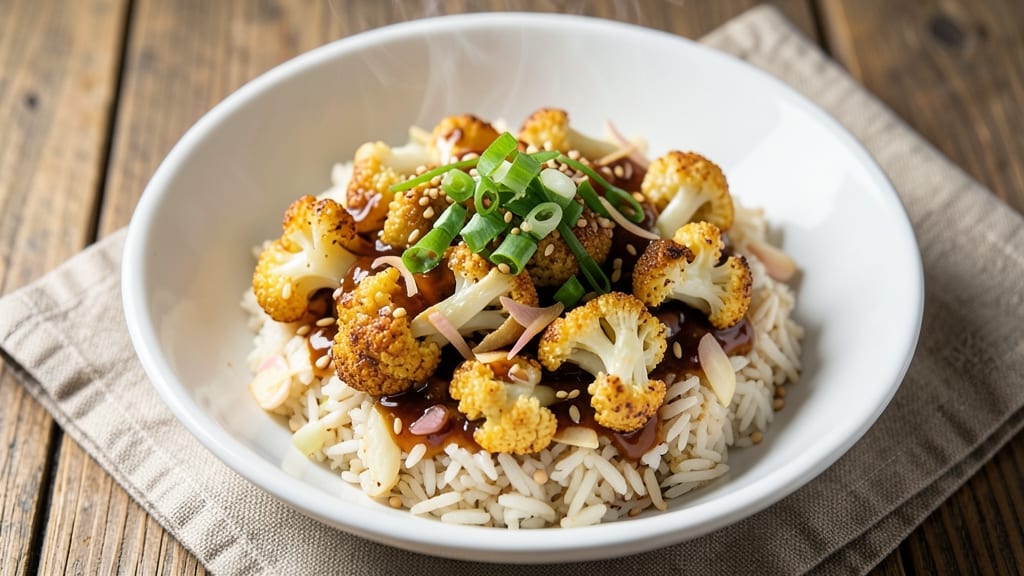
This cauliflower stir-fried rice recipe delivers the perfect balance of crispy edges and tender florets, packed with bold wok flavors that transform a simple weeknight meal into something restaurant-worthy. The secret lies in high-heat stir-frying—where the rice develops that coveted texture while the cauliflower stays soft yet slightly charred at the edges. I’ve perfected this vegetarian version over countless batches, but it’s just as satisfying with added protein like tofu or scrambled eggs.
What sets this dish apart is the layered seasoning: a savory blend of garlic, ginger, and soy sauce that infuses every bite, followed by a quick finish with sesame oil and green onions for brightness.
The result is a dish that’s equally at home as a light lunch or a hearty dinner—crispy on the outside, tender on the inside, and bursting with umami. Ready in under 30 minutes, it’s the kind of meal that proves healthy eating doesn’t mean sacrificing flavor.
Ingredients for cauliflower stir fried rice
Bold wok flavors and crispy edges start with these fresh, simple ingredients.
| Ingredient | Amount | Notes |
|---|---|---|
| Day-Old Cooked White Rice 🍚 | 4 cups | Cold, unseasoned preferred |
| Fresh Cauliflower 🥬 | 1 head | Cut into bite-sized florets |
| Garlic Cloves 🧄 | 6 cloves | Minced, for aromatic base |
| Fresh Ginger 🌿 | 2 tbsp | Grated, for zesty brightness |
| Low-Sodium Soy Sauce 🍶 | ½ cup | For umami depth |
| Sesame Oil 🫒 | 1 tbsp | Toasted, for aroma |
| Vegetable Oil 🫒 | 3 tbsp | High smoke point for stir-frying |
| Green Onions 🧅 | ¼ cup | Sliced, for fresh finish |
| Sesame Seeds 🌰 | 1 tbsp | Toasted, for crunch |
| Salt 🧂 | ½ tsp | Adjust to taste |
| Black Pepper 🌶️ | ¼ tsp | Freshly ground |
| Sriracha Sauce 🔥 | 1 tbsp | Optional, for heat |
| Lime Wedges 🍋 | 2 whole | For serving |
The rice is non-negotiable—day-old, cold rice develops that coveted crispy texture when stir-fried. Day-Rice from the grocery store is a game-changer if you're short on time, but freshly cooked rice left to cool overnight works just as well. For the cauliflower, look for heads with tight florets and vibrant green color—Trader Joe's or Whole Foods carry the freshest options. The garlic and ginger should be fragrant and firm, with no signs of sprouting or drying. Toast your sesame seeds in a dry pan for 30 seconds before adding to the dish for maximum aroma—this small step elevates the dish from good to restaurant-quality.
No sesame oil? Avocado oil or neutral vegetable oil works in a pinch, though the flavor won't be identical. Substitute soy sauce with coconut aminos at a 1:1 ratio, though the flavor profile will differ slightly. For extra protein, add crumbled tofu or scrambled eggs—cook them separately and fold in at the end. If you're avoiding gluten, ensure your soy sauce is tamari-based. The green onions can be swapped for scallions or chives, though green onions provide the best balance of sharpness and mild sweetness. For heat lovers, add 1-2 tbsp of gochujang instead of sriracha for a deeper, fermented kick.
This dish reheats beautifully—store leftovers in an airtight container for up to 5 days in the fridge. For longer storage, freeze portions for up to 3 months, though texture may slightly soften upon reheating. The lime wedges should be added fresh at serving to prevent the juice from making the rice soggy. To keep your stir-fry wok fresh, wipe it clean immediately after use and store it in a dry place. For extra crispiness, spread the cooked rice on a baking sheet for 5 minutes in a 350°F oven before serving.
Why You'll Love This Recipe
- One-Pan Magic: I swear by this—just toss everything into one hot pan, and the garlic and ginger sizzle into something instantly fragrant. No extra dishes, no stress, and that crispy cauliflower edge? Pure reward for standing there for five minutes.
- Savory Crunch Surprise: The cauliflower florets stay delightfully crisp at the edges while soaking up all that garlicky, gingery soy goodness. Honestly, I didn’t think I’d like the texture, but now it’s my secret weapon when I’m craving something hearty but not heavy.
- Meal Prep MVP: Between us, this is the only stir-fry I can make ahead without it turning soggy. The day-old rice absorbs flavors like a sponge, and reheating it later? Still packed with that same satisfying chew. Perfect for packing lunches or feeding a crowd with zero last-minute panic.
- Budget-Friendly Powerhouse: Fresh cauliflower stretches farther than you’d think, and using low-sodium soy sauce means I can control the salt—plus, it’s cheaper than takeout. I’ll be real: this recipe saved me from ordering in more times than I can count, and my wallet thanks me.
Step-by-step instructions for crispy cauliflower stir-fried rice
Master this wok technique for restaurant-quality texture—crispy edges, tender cauliflower, and perfect seasoning.
Prepare the Cauliflower and Aromatics
Cut the head of fresh cauliflower into bite-sized florets (about 1-inch pieces). Set aside. In a small bowl, combine the 6 cloves minced garlic and 2 tablespoons grated ginger. This aromatic blend will form the flavor base of your stir-fry.
I like to use a sharp chef's knife for the cauliflower—cutting it into even pieces ensures consistent cooking. For the garlic and ginger, I press the garlic cloves with the flat of my knife before mincing to release their oils. This intensifies their flavor when they hit the hot oil later.
Stir-Fry the Cauliflower Until Tender-Crisp
Heat a large wok or skillet over high heat until smoking slightly. Add 3 tablespoons vegetable oil and swirl to coat. Add the cauliflower florets in a single layer and stir-fry for 6-8 minutes until the edges turn golden brown and the florets soften slightly but still hold their shape.
Here's the thing—don't overcrowd the pan. If you need to work in batches, that's fine, but each batch should have room to develop that perfect crispy texture. You'll know it's ready when the cauliflower releases easily from the pan and has a slight char on the edges.
Add the Rice and Aromatics
Push the cauliflower to one side of the wok. Add the 4 cups day-old cooked white rice to the empty space and stir-fry for 2-3 minutes until the rice begins to crisp slightly at the edges. Add the garlic-ginger mixture and stir for 30 seconds until fragrant.
The day-old rice is crucial—it's drier and will develop those crispy edges we're after. If your rice is too moist, spread it out in a thin layer on a baking sheet and let it dry slightly in the oven at 350°F for 10 minutes before stir-frying.
Build the Sauce and Season
Pour in the ½ cup low-sodium soy sauce, 1 tablespoon sesame oil, 1 tablespoon sriracha sauce (if using), ½ teaspoon salt, and ¼ teaspoon black pepper. Stir everything together vigorously for 1-2 minutes until the sauce coats the rice and cauliflower evenly.
This is where the magic happens—the soy sauce should cling to the rice and cauliflower, creating a glossy finish. If the mixture looks too dry, add 1-2 tablespoons hot water from the stove to loosen the sauce. Taste and adjust seasoning—you want a balance of umami from the soy, heat from the sriracha, and a touch of sweetness from the caramelized cauliflower.
Finish and Serve with Fresh Toppings
Remove the wok from heat and stir in the ¼ cup sliced green onions and 1 tablespoon toasted sesame seeds. Divide the stir-fried rice among 4 plates and serve immediately with the 2 whole lime wedges on the side.
For that final touch, I like to give each serving a quick squeeze of lime right before eating. The acidity cuts through the richness of the stir-fry and brightens all the flavors. Serve with steamed greens or a side of pickled vegetables for a complete meal.
Pro Tips For Making Cauliflower Stir Fried Rice
- USE COLD RICE: Day-old rice is your friend—it’s drier and won’t turn mushy when stirred. If you’re short on time, microwave leftover rice for 30 seconds to dry it out further, then spread it on a plate to cool. (Yes, even if you’re impatient like me.)
- CUT CAULIFLOWER SMALL: Tiny florets cook faster and soak up flavors better than big chunks. Aim for pieces no larger than a dime—any bigger, and they’ll stay crunchy while the rest turns soft. (I learned this the hard way after serving a plate with one sad, undercooked center.)
- STIR-FRY IN BATCHES: Overcrowding the pan steams the rice instead of searing it. Cook half the cauliflower and rice first, push it to the side, then add the rest to the hot wok. This keeps everything crisp and prevents a soggy mess.
- SAVE SOY SAUCE FOR LATER: Add low-sodium soy sauce only at the very end—right when you’re plating. If you toss it in early, the rice will absorb too much and turn bland. A splash of sesame oil at the end adds depth without overpowering. (This is the thing that matters most.)
Storing and reheating your leftovers
Fridge Storage Tips
Store your cauliflower stir-fried rice in an airtight container for up to 5 days in the fridge. The key is letting it cool completely before sealing—hot food creates condensation, which makes the rice soggy.
I use glass Pyrex containers because they don’t absorb odors and reheat evenly. When ready to eat, give it a quick stir to redistribute any juices that may have settled. 🥗
Freezer Prep
For longer storage, freeze portions in single-serving containers or ziplock bags for up to 3 months. Press out excess air to prevent freezer burn, and label with the date.
When reheating from frozen, add 1-2 tablespoons water to the pan to restore moisture. The texture will be slightly softer than fresh, but still delicious. 🧊
Reheating Methods
My preferred method is stovetop reheating—it preserves the crispy texture best. Heat over medium-low heat with a splash of water or soy sauce for 3-5 minutes, stirring frequently.
For microwave reheating, cover with a damp paper towel and heat in 1-minute intervals on 70% power until steaming hot. Avoid high heat—it ruins the delicate balance of textures. 🔥
Reviving Texture
If your reheated rice loses crispiness, pop it in a single layer on a baking sheet and broil for 2-3 minutes at 375°F. This restores the edges without overcooking. For extra flavor, add a drizzle of sesame oil or a sprinkle of toasted sesame seeds after reheating.
The lime wedges should always be added fresh—never store them with the rice. 💫
Meal Prep Strategy
Prep 2-3 servings at a time for easy lunches or dinners. Store components separately: rice/cauliflower mix in one container, sauce in another. When ready to eat, just reheat and combine.
This keeps flavors vibrant and textures crisp. I also like to freeze extra cauliflower florets separately—they reheat beautifully in this dish. ⏰
Nutrition facts
Frequently asked questions
Can I use fresh cauliflower instead of frozen?
Fresh cauliflower works beautifully—just cut it into 1-inch florets and stir-fry until tender-crisp (6-8 minutes) with golden edges. Frozen cauliflower is fine too, but pat it completely dry first to prevent excess moisture from steaming the rice.
Why does my stir-fried rice turn out mushy?
Mushy texture usually means the rice was too fresh or had too much moisture. Use day-old, cold rice (or spread fresh rice on a baking sheet for 10 minutes at 350°F to dry it). Also, avoid overcrowding the pan—cook in batches if needed for that perfect crispy edge.
How can I add protein without meat?
Great options include crumbled tofu (pan-fry until crispy first), scrambled eggs (fold in at the end), or chickpeas (rinsed and toasted). For extra flavor, marinate tofu in soy sauce and garlic before adding. Cook proteins separately and mix in just before serving to keep them tender.
Can I make this gluten-free?
Yes! Swap the soy sauce for tamari or coconut aminos (use a 1:1 ratio). Check that your sesame oil and other ingredients are certified gluten-free. The rest of the recipe remains the same—just ensure all seasonings are GF-labeled.
What's the best pan for stir-frying?
A carbon steel wok or heavy cast iron skillet works best for high heat and even cooking. If you don't have one, a non-stick pan works in a pinch, but avoid low-quality non-stick that can't handle high heat. Preheat your pan until smoking before adding oil.