
Main Courses
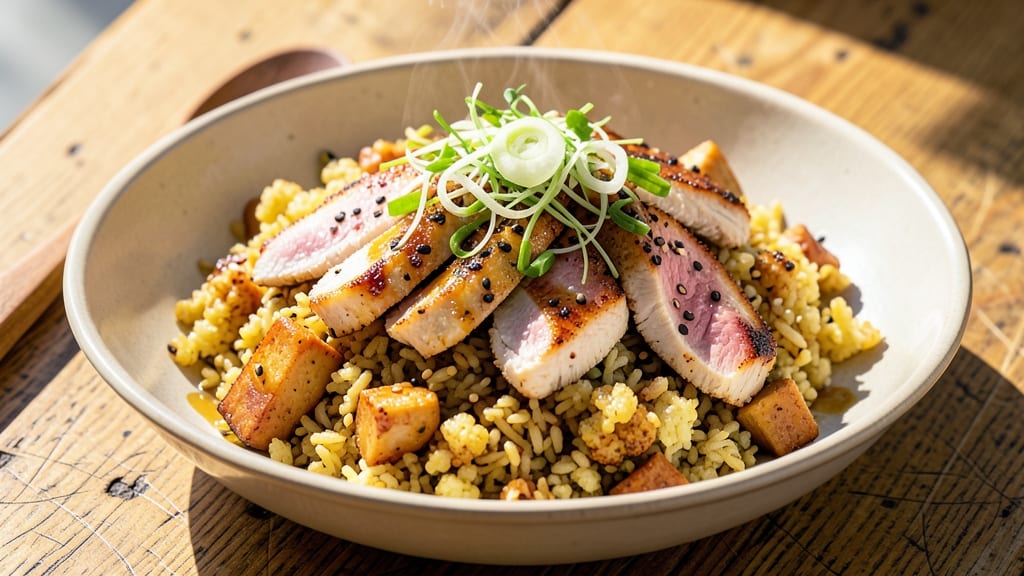
This paleo cauliflower fried rice recipe delivers all the bold wok hei flavor of classic fried rice—without rice, gluten, or grains. 🔥 The secret lies in perfectly riced cauliflower that absorbs the savory sauce while staying tender-crisp, paired with paleo-friendly protein like chicken or tofu for a satisfying, grain-free meal in just 20 minutes.
What makes this recipe work is the balance of textures and flavors: crispy edges on the cauliflower, juicy protein, and a sauce packed with garlic, ginger, and coconut aminos for that authentic umami punch.
No soy sauce or grains here—just whole-food ingredients that come together faster than takeout but taste like you spent hours mastering the wok technique.
Ingredients for cauliflower fried rice recipe paleo
Paleo-friendly ingredients that mimic fried rice texture and flavor without grains or gluten.
| Ingredient | Amount | Notes |
|---|---|---|
| Fresh Cauliflower 🥬 | 1 lb | Riced using food processor |
| Extra-Firm Tofu 🍱 | 1 block | Pressed and cubed |
| Boneless Chicken Breast 🍗 | 1 lb | Diced into small pieces |
| Garlic Cloves 🧄 | 6 cloves | Minced for aromatic base |
| Fresh Ginger 🌿 | 2 tbsp | Grated finely for zing |
| Coconut Aminos 🥫 | ⅓ cup | Paleo-friendly soy substitute |
| Sesame Oil 🫒 | 1 tbsp | For authentic wok aroma |
| Avocado Oil 🫒 | ¼ cup | High smoke point for frying |
| Green Onions 🧅 | ¼ cup | Sliced thin for garnish |
| Eggs 🥚 | 2 whole | Optional for extra protein |
| Salt 🧂 | 1 tsp | Diamond Crystal preferred |
| Black Pepper 🌶️ | ½ tsp | Freshly ground for heat |
| Red Bell Pepper 🍆 | ½ cup | Diced for color and crunch |
| Scallions 🧅 | ¼ cup | Chopped for freshness |
| Lime Wedges 🍋 | 2 whole | For serving, optional |
The cauliflower is your texture anchor—fresh, organic heads work best, especially if you can find purple or green varieties for extra color. Trader Joe's and Whole Foods carry excellent options year-round. For the tofu, extra-firm blocks from Wildwood or Nasoya brands press best—wrap in a towel, place a heavy pan on top for 15 minutes. Chicken breast should be skinless, boneless cuts for even cooking, and free-range if possible for better flavor. Garlic and ginger lose potency quickly, so buy small amounts often or freeze them whole until needed.
No coconut aminos? Tamari or coconut soy sauce works in a pinch, though the flavor won't be identical. Substitute tofu with chicken sausage or shrimp for variety—just adjust cooking times accordingly. Skip the eggs if you prefer a fully plant-based version, but they add a nice richness. The red bell pepper can be swapped for carrots or snap peas if you're avoiding nightshades. For extra umami depth, add 1 tsp fish sauce (if not strict paleo) or 1 tbsp nutritional yeast to the sauce. Fresh herbs like cilantro or basil can replace scallions if you prefer a different flavor profile.
Prep the cauliflower and tofu first—they need time to drain and crisp. Store pressed tofu in its liquid in the fridge for 3-4 days or freeze for up to 3 months. Riced cauliflower keeps 5 days in an airtight container, though it'll start to brown. The sauce components (coconut aminos, sesame oil) last 6 months unopened. For meal prep, cook the cauliflower and protein separately, then assemble with sauce just before serving to maintain crispness. Serve immediately for that perfect wok hei texture, or refrigerate for up to 2 days if you're making it ahead.
Why You'll Love This Recipe
- One-Pan Magic: I swear by this for nights when I’m too tired to wash extra dishes—just toss everything on one skillet, stir, and walk away. The cauliflower rice cooks right in the pan, no rinsing or prepping required, while the chicken and tofu soak up all the garlic-ginger goodness.
- Crispy-Creamy Balance: That contrast? Chef’s kiss. The tofu gets a satisfying crunch in the pan, the chicken stays juicy, and the cauliflower soaks up just enough sauce to be tender—not mushy. Honestly, it’s the kind of dish that makes you forget it’s paleo.
- Meal Prep MVP: Between us, this is my go-to for lunches all week. Cook a big batch, portion it into containers, and reheat it—still tastes fresh. (Yes, even on a Tuesday night.) The ginger keeps it flavorful, so it doesn’t get bland sitting in the fridge.
- Budget-Friendly Flex: Cauliflower stretches like crazy, and tofu or chicken (pick your protein) keeps costs low. I’ll be real: I often swap in whatever’s on sale, and it never lets me down. Plus, leftovers? They’re the best kind—no one ever complains.
Step-by-step instructions for paleo-friendly cauliflower fried rice
Master this wok hei technique with precise timing and high heat for authentic flavor.
🔥 Step 1: Prep and Press the Tofu
Begin by pressing the 1 block extra-firm tofu to remove excess moisture. I place it between two paper towels, wrap it in a clean kitchen towel, and set a heavy object on top for 15 minutes. This ensures crispy tofu instead of soggy cubes. While pressing, dice the 1 lb boneless chicken breast into small, even pieces—about ½-inch cubes—for quick cooking.
In a separate bowl, whisk together the 2 whole eggs with ½ teaspoon of the black pepper. This pre-seasoning ensures flavor distribution. Keep the eggs at room temperature for 5 minutes before using—they'll cook more evenly. For the cauliflower, pulse the 1 lb fresh cauliflower in a food processor until you achieve a rice-like texture, similar to jasmine rice grains. Spread it on a baking sheet and let it sit while you prep other ingredients.
🍳 Step 2: Sear Chicken and Tofu for Depth
Heat 2 tablespoons of the avocado oil in a wok or large skillet over medium-high heat until shimmering. Add the diced chicken breast and cook for 4-5 minutes until the edges turn opaque and golden. Remove and set aside. In the same pan, add the pressed tofu cubes and cook for 3-4 minutes until golden brown on all sides.
Real talk: Don't overcrowd the pan. Cook the chicken and tofu in batches if needed—this prevents steaming instead of searing. The high heat creates that signature wok hei flavor. Once done, remove both proteins and set aside with the chicken. Add 1 tablespoon of sesame oil to the pan and swirl to coat—this adds authentic aroma and prevents sticking during the next steps.
🍳 Step 3: Build the Aromatic Base
Return the pan to medium heat and add 1 tablespoon of avocado oil. Add the 6 cloves minced garlic and 2 tbsp finely grated ginger, stirring constantly for 30 seconds until fragrant but not browned. Immediately add the 0.5 cup diced red bell pepper and cook for 2 minutes until slightly softened but still vibrant.
Here's where it gets fun—toss in the 0.33 cup coconut aminos and let it bubble for 1 minute until the liquid reduces slightly. The sauce should coat the back of a spoon with a glossy sheen. This step forms the flavor foundation for your paleo fried rice. If the sauce looks too thick, add 1 tablespoon of water to loosen it slightly—just enough to create a silky consistency.
🥘 Step 4: Combine and Cook the Cauliflower Rice
Add the riced cauliflower to the pan and stir-fry for 4-5 minutes over high heat, breaking up any large clumps with your spatula. The cauliflower should soften slightly but maintain some texture—it'll continue cooking with the residual heat. Sprinkle with the remaining ½ teaspoon black pepper and 1 teaspoon salt, tossing to coat evenly.
Return the cooked chicken and tofu to the pan, along with the 0.25 cup chopped scallions. Stir-fry for another 2 minutes until everything is heated through and the cauliflower absorbs the flavors. The mixture should look vibrant with visible pieces of chicken, tofu, and vegetables. If it seems dry, add 1 tablespoon of water to create steam and distribute flavors.
🍳 Step 5: Finish with Eggs and Garnish
Push the cauliflower mixture to one side of the pan, leaving space in the center. Pour the egg mixture into the empty space and let it scramble slightly for 10 seconds before gently folding it into the main mixture. Cook for another 30 seconds until the eggs are just set but still slightly runny—this creates that signature silky texture in fried rice.
Remove from heat and immediately stir in the 0.25 cup sliced green onions. Taste and adjust seasoning if needed—you might want to add a splash more coconut aminos for saltiness or a pinch of salt for balance. Serve immediately with the 2 whole lime wedges on the side for a bright finish. The rice should be hot, fragrant, and packed with wok hei flavor in every bite.
Pro Tips For Making Cauliflower Fried Rice Recipe Paleo
- CRUSH THE CAULIFLOWER: After pulsing raw cauliflower in a food processor, don’t stop at rice-sized chunks—keep going until it’s almost paste-like. The smaller the pieces, the faster they’ll cook and the more they’ll mimic real fried rice texture. (Yes, even if it looks weird—it’s the thing that matters most.)
- SALT THE TOFU FIRST: Toss cubed extra-firm tofu with ½ teaspoon salt before pressing it. The salt draws out moisture, so when you press it dry, you’ll get better browning later. I learned this the hard way—my first batch of tofu fried rice tasted soggy because I skipped it.
- COOK CHICKEN IN BATCHES: Slice the chicken breast thin (¼-inch max) and cook it in a single layer over medium-high heat for 2–3 minutes per side. Crowding the pan steams the meat instead of searing it—you want crisp edges, not rubbery centers. (Your future self will thank you.)
- STIR-FRY GINGER LAST: Finely mince the ginger (no need to grate) and add it to the pan just before tossing in the cauliflower. Cooking it too early burns the delicate flavor—you’ll taste it raw if you’re not careful. A quick 10-second stir at the end is all it needs.
Pro cooking tips for cauliflower fried rice recipe paleo
Wok Hei Mastery
Crank your stove to high heat and use a carbon steel wok (or cast iron skillet) for that signature wok hei flavor. The secret is maintaining high, consistent heat—your pan should be smoking slightly when you add ingredients.
I use a 14-inch carbon steel wok from Lodge—it heats up fast and retains heat beautifully. Preheat your pan for 2-3 minutes before adding oil, and keep it moving constantly to prevent burning. 🔥
Cauliflower Texture Tips
Freshly riced cauliflower is your best friend for texture. Pulse it in a food processor until it resembles rice grains, but don't over-process—you want some chunkiness. For extra crispiness, spread the riced cauliflower on a baking sheet and microwave for 1-2 minutes before stir-frying.
This jumpstarts the cooking process and prevents mushiness. I also like to toss the cauliflower with ½ teaspoon of coconut aminos before cooking to help it absorb flavors faster.
Protein Timing
Cook your protein in batches to avoid steaming. Chicken should be seared until 165°F internal temperature, and tofu needs to develop a golden crust. Remove proteins from the pan as soon as they're done and set them aside—they'll continue cooking with the residual heat when everything comes back together.
For tofu, I press it until it's almost dry, then cut into ½-inch cubes for even cooking. The key is high heat and quick cooking—no more than 4-5 minutes per batch.
Sauce Consistency
The sauce should be glossy but not watery. Start with ⅓ cup coconut aminos and adjust as you go—add 1 tablespoon of water if needed to create a silky consistency. Taste as you build the sauce: first the garlic and ginger, then the bell pepper, and finally the coconut aminos.
The sauce should coat the back of a spoon but still allow for easy stirring. If it's too thick, add a splash of water; if it's too thin, let it reduce slightly over medium heat for 30 seconds.
Egg Technique
Eggs are optional but add richness. Scramble them in the empty space of your wok for just 10 seconds before folding them into the mixture—this keeps them creamy rather than dry. For extra fluffiness, whisk the eggs with a pinch of salt and a splash of water before cooking.
If you're skipping eggs, stir in 1 tablespoon of coconut aminos at the end to add umami depth. The eggs should be just set but still slightly runny when folded in—this creates that classic fried rice texture. 💛
Final Flavor Boost
Finish with fresh garnishes to brighten the dish. Slice green onions into ¼-inch pieces and stir them in at the very end to keep them vibrant. A squeeze of lime adds acidity, and a drizzle of sesame oil (just ½ teaspoon) enhances the aroma.
For extra crunch, top with toasted sesame seeds or crushed peanuts (if not strict paleo). Serve immediately—fried rice loses its texture and flavor as it cools, so eat it fresh off the wok! ⚡
Nutrition facts
Frequently asked questions
Can I use frozen cauliflower instead of fresh?
Fresh cauliflower gives the best texture, but you can use frozen in a pinch. Thaw it completely first, then pulse in a food processor to break up any ice crystals. However, frozen cauliflower tends to release more moisture, so you may need to microwave it for 1-2 extra minutes to remove excess water before stir-frying. This prevents a soggy final dish.
What's the best paleo protein substitute if I don't like tofu or chicken?
Try shrimp, pork shoulder, or even ground turkey for variety! Shrimp cooks in just 2-3 minutes and adds a sweet oceanic flavor, while pork shoulder stays juicy when diced small. For plant-based options, use mushrooms or hearts of palm—they mimic the texture of rice well. Just adjust cooking times accordingly (mushrooms take slightly longer).
Why did my cauliflower rice turn mushy?
Overcooking or using too much moisture is usually the culprit. Start by microwaving the riced cauliflower for 1-2 minutes to remove excess water before stir-frying. Also, keep your heat high and cook in batches if needed—crowding the pan causes steaming instead of crisping. For extra insurance, toss the cauliflower with ½ teaspoon of coconut aminos before cooking to help it absorb flavors faster while maintaining texture.
Can I make this recipe ahead of time?
It's best served fresh off the wok, but you can prep components ahead. Cook the protein and cauliflower separately, then store in airtight containers for up to 2 days. When ready to serve, reheat everything in a hot pan with 1 tablespoon of avocado oil and a splash of coconut aminos to restore that wok hei flavor. Avoid microwaving—the texture suffers dramatically.
Is there a way to make this spicier?
Add ½ teaspoon of red pepper flakes or 1 tablespoon of sriracha to the sauce when combining coconut aminos and garlic. For extra heat, stir in 1 chopped Thai chili with the bell pepper at the beginning. If you love smoky flavors, add ½ teaspoon of smoked paprika to the sauce. Always taste as you go—you can adjust the heat level to your preference!