
Main Courses
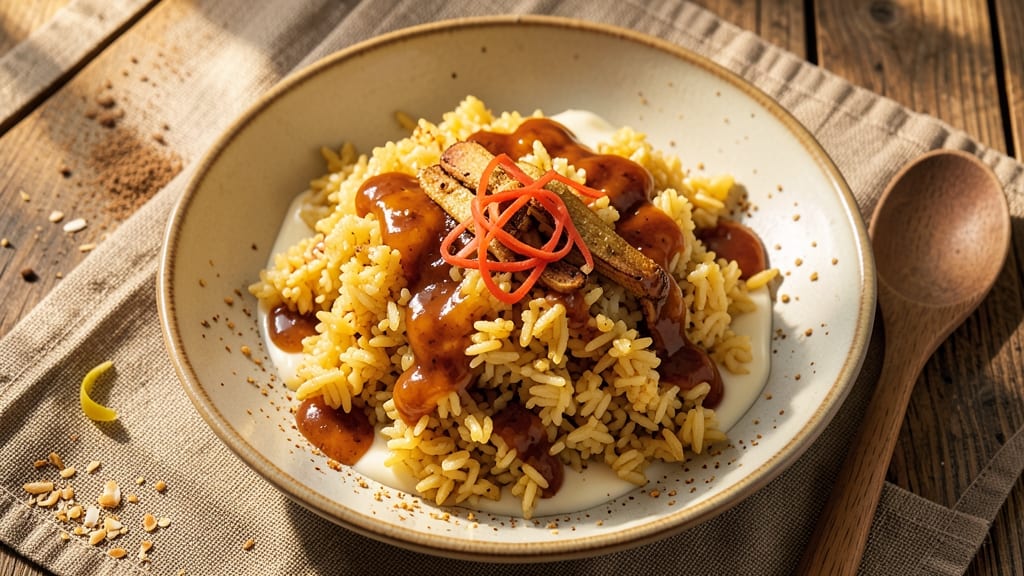
This cassava rice recipe transforms humble cassava into a silky, tropical side dish with a satisfying bite—perfect for modern meals or traditional feasts. The secret lies in soaking and grating the cassava to achieve that ideal mash-like texture while keeping it light and fluffy.
Just 15 minutes of prep transforms this root into a versatile base that soaks up flavors beautifully.
Coconut milk and warm spices like turmeric and cumin elevate the dish, giving it a fragrant, slightly sweet profile that pairs effortlessly with proteins or stands alone. Whether you're serving up a hearty stew or a fresh salad, this cassava rice delivers a restaurant-quality texture that's both comforting and unexpected.
Ready to elevate your sides?
Ingredients for cassava rice
Fresh cassava, coconut milk, and warm spices create this tropical side dish.
| Ingredient | Amount | Notes |
|---|---|---|
| Fresh Cassava Root 🥔 | 2 lb | Peeled, grated fine (like rice) |
| Unsweetened Coconut Milk 🥥 | 1 ½ cups | Full-fat for creaminess |
| Turmeric Powder 🌿 | 1 tsp | Freshly ground preferred |
| Ground Cumin 🌶️ | ½ tsp | Toasted for depth |
| Salt 🧂 | ½ tsp | Kosher or sea salt |
| Fresh Ginger 🌿 | 1 tbsp | Grated finely (no need to peel) |
| Lime Juice 🍋 | 2 tbsp | Freshly squeezed |
| Vegetable Oil 🫒 | 2 tbsp | For cooking cassava |
| Garlic Cloves 🧄 | 2 cloves | Minced for aroma |
| Fresh Cilantro 🌿 | ¼ cup | Chopped, for garnish |
| Water 💧 | 1 ½ cups | For soaking cassava |
The cassava is the star—fresh is a must (not pre-packaged). Look for firm, unblemished roots at Latin markets or well-stocked grocery stores like Whole Foods. If you can't find fresh, cassava flour works in a pinch—just follow package instructions for hydration. The coconut milk should be full-fat for that creamy texture, and Thai Kitchen brand is my go-to for consistency. For the spices, toast your cumin seeds in a dry pan for 30 seconds before grinding—game-changer for flavor.
No fresh ginger? Powdered works at half the amount. Short on lime juice? Lemon juice is fine, but the flavor won't be quite the same. The cassava needs soaking for 15 minutes to soften—don't skip this step or it'll turn gummy. For extra crunch, toast the grated cassava in the oil for 2 minutes before adding liquid. And if you're feeling fancy, swap the cilantro for fresh mint—it's a Caribbean favorite.
This keeps 3-4 days in the fridge, but honestly, it's best fresh. The texture starts to break down after day 2. For meal prep, make a double batch and freeze half—microwave 2 minutes with a splash of water to revive. Garnish with lime zest right before serving, or it'll turn bitter. Leftovers reheat beautifully with a splash of coconut milk to restore creaminess.
Why You'll Love This Recipe
- No Peel, No Stress: I swear by this—just scrub the cassava, slice it thin, and toss it in boiling water. No peeling, no mess, just hands-off prep while you stir the coconut milk and spices on low heat. Honestly, I’ve made it while scrolling through my phone.
- Golden Creamy Magic: That turmeric and cumin? They turn this into something rich and fragrant without overpowering. The cassava soaks up the coconut milk like a sponge, giving you that perfect balance of earthy warmth and velvety texture—like a cross between risotto and something tropical.
- Leftover Hero: This stuff begs to be reheated. Cold or warm, it’s still delicious—great for packing lunches or serving with curries the next day. Between us, I’ve had it three times in a row and still crave it.
- Budget Stretch: Fresh cassava is cheap, and a single root feeds four. Add coconut milk and spices, and you’ve got a filling side that costs less than half of store-bought rice. Plus, it tastes like you actually cooked something special. (Yes, even on a Tuesday night.)
Step-by-step instructions for tropical cassava rice
Here's how to transform humble cassava into a fragrant, tropical-inspired side dish that's crispy outside and tender inside.
Soak and Grate the Cassava Root
Start by peeling the 2 lb fresh cassava root using a vegetable peeler or sharp knife. Cut it into ½-inch chunks and transfer to a bowl with the 1.5 cups water. Let it soak for 30 minutes—this softens the cassava and removes any bitterness. After soaking, drain the water completely using a colander.
Using a box grater or food processor, grate the cassava into fine shreds, almost like rice grains. The texture should be uniform—no large chunks. I like to work in batches if needed, but don't overcrowd the processor. Once grated, transfer the cassava to a clean kitchen towel and squeeze out any excess moisture. This step is crucial because wet cassava won't toast properly and will turn mushy instead of crispy.
Toast the Cassava for Crunch
Heat a large skillet over medium-high heat and add the 2 tbsp vegetable oil. Once the oil shimmers, add the grated cassava in an even layer. Don't stir immediately—let it sit undisturbed for 2-3 minutes until the edges start to turn golden brown. This initial toasting creates that satisfying crunch we're after.
After the first 2-3 minutes, gently stir the cassava with a wooden spoon, breaking up any clumps. Continue toasting for another 5-7 minutes, stirring occasionally, until the cassava is a deep golden color and smells nutty. You're looking for a texture that's crispy yet still holds its shape—almost like fried rice. If it starts to brown too quickly, reduce the heat slightly. The cassava is ready when it releases a toasty aroma and looks dry to the touch.
Cook with Aromatics and Coconut Milk
In the same skillet, add the 2 cloves minced garlic and 1 tbsp finely grated ginger. Cook for 30 seconds until fragrant—you should smell that bright, zesty aroma. Then add the 1 tsp turmeric powder, 0.5 tsp ground cumin, and 0.5 tsp salt, stirring to coat the cassava evenly. Cook for another 1 minute to toast the spices and let their flavors meld with the cassava.
Pour in the 1.5 cups unsweetened coconut milk and stir well to combine. The mixture should look creamy and well-coated. Bring to a gentle simmer over medium heat, then reduce the heat to low. Let it cook uncovered for 10-12 minutes, stirring occasionally, until the liquid is mostly absorbed and the cassava is tender. You'll know it's ready when the cassava grains are soft to the bite but still hold their shape—almost like al dente rice. If it looks dry before the cassava is tender, add 1-2 tablespoons of water to help steam it through.
Finish with Bright Flavors
Once the cassava is tender, remove the skillet from heat and stir in the 2 tbsp lime juice. The citrus brightens all the flavors and cuts through the richness of the coconut milk. Taste and adjust the seasoning if needed—you might want to add a pinch more salt or a splash more lime juice to balance the flavors.
Garnish with the 0.25 cup chopped fresh cilantro just before serving. The cilantro adds a fresh, herby contrast to the warm, spiced cassava. Let the dish sit for 2-3 minutes before serving so the flavors can meld together. This tropical cassava rice pairs beautifully with grilled fish, curries, or even as a standalone side dish. The texture is a perfect balance—crispy edges with a tender, creamy center, all infused with warm spices and bright citrus notes.
Pro Tips For Making Cassava Rice
- PEEL AND GRATE FRESH: Fresh cassava needs peeling before grating—don’t skip this, or you’ll end up with bitter, fibrous rice. Use a box grater or food processor, but pulse in batches to avoid clumping (wet hands help break it up).
- SIMMER LOW AND SLOW: This isn’t instant rice. After adding coconut milk, keep heat at a gentle simmer—not a boil. Too much heat turns it gummy; too little leaves it undercooked. Stir every 5 minutes until it’s creamy but still holds shape.
- SALT THE COCONUT MILK: Don’t just salt the cassava. Stir ½ teaspoon salt into the coconut milk before combining it with the grated cassava. The milk absorbs flavor better, and you avoid that "afterthought" taste.
- TOAST THE SPICES: Lightly toast the cumin and turmeric in a dry pan for 30 seconds until fragrant. This deepens their flavor—no, it won’t burn, but if you skip it, the dish tastes flat. Grind them fresh after toasting for extra punch.
Make-ahead tips for this dish
Prep Ahead for Crispy Texture
Toast the cassava in advance and store it in an airtight container at room temperature for up to 2 days—this preserves that perfect golden crunch. Just reheat the toasted cassava in a dry skillet over medium heat for 3-4 minutes before adding the coconut milk mixture.
This shortcut saves you 15 minutes of active prep time on busy weeknights. 🔥
Coconut Milk Base Prep
Make the spiced coconut milk mixture ahead and store it in the fridge for up to 3 days. Combine 1.5 cups coconut milk, 1 tsp turmeric, ½ tsp cumin, ½ tsp salt, and 1 tbsp grated ginger in a jar.
When ready to cook, simply heat this mixture with your toasted cassava—no measuring required! This step cuts your cooking time in half. ✨
Freezer-Friendly Method
For long-term storage, freeze the cooked cassava rice in single-serving portions using quart-sized freezer bags. Thaw overnight in the fridge, then reheat with 2 tbsp water in the microwave for 2 minutes on high.
The texture stays surprisingly crispy—just stir in fresh lime juice and cilantro before serving. This makes it perfect for meal prep Sundays. ❄️
Double Batch for Leftovers
Always make double the recipe—this tropical cassava rice tastes even better the next day as the flavors meld. Store leftovers in the fridge for 3-4 days and reheat gently in a skillet with 1 tbsp coconut milk to restore creaminess.
The texture remains delightfully crispy at the edges while staying tender inside. 💫
Garnish Last Minute
Keep fresh garnishes separate until serving. Store chopped cilantro and lime wedges in small containers in the fridge for up to 3 days. The bright citrus and herb notes are essential for balancing the warm spices—adding them last keeps the dish vibrant and restaurant-quality. 🍋
Make-Ahead Timeline
Here's my foolproof schedule: Day 1 - Soak and grate cassava (store in fridge). Day 2 - Toast cassava and store separately. Day 3 - Cook with coconut milk mixture and serve fresh. This staggered approach ensures perfect texture every time while minimizing daily effort. 📅
Nutrition facts
Frequently asked questions
Can I use cassava flour instead of fresh cassava root?
Yes, but the texture will differ slightly. For the same recipe, use 1 cup cassava flour mixed with 1 cup water to create a thick batter. Cook it like polenta until firm, then finish with coconut milk and spices. The result will be more like a creamy mash than crispy grains. Fresh cassava gives that perfect rice-like texture, but flour works in a pinch!
Why does my cassava rice turn gummy instead of crispy?
This usually happens when cassava isn't dried properly after grating or if too much liquid is added during cooking. Always squeeze out excess moisture after grating, and reduce heat if the coconut milk simmers too vigorously. For extra crunch, toast the cassava longer before adding liquids. Think of it like fried rice—dry ingredients first!
What are the best protein pairings for this dish?
This tropical cassava rice pairs beautifully with grilled shrimp skewers, blackened chicken breast, or marinated tofu cubes. For vegetarian mains, try stuffed bell peppers or coconut-crusted eggplant. The citrusy, spiced flavors complement rich proteins perfectly while keeping the meal balanced.
Can I make this recipe without coconut milk?
Swap the coconut milk for light vegetable broth or almond milk for a lighter version. Add ½ tsp coconut extract for flavor if using dairy-free alternatives. For a richer option, try cashew cream (blend soaked cashews with water). The texture will be less creamy but still delicious.
How do I know when the cassava is fully cooked?
Your cassava rice is done when the grains are tender but still hold their shape—like al dente rice. Test by pressing a piece gently with a fork. It should yield slightly but not crumble. If it's still firm after 12 minutes of cooking, add 1-2 tbsp water and cover to steam for another 3-5 minutes. Overcooking turns it mushy!