
Main Courses
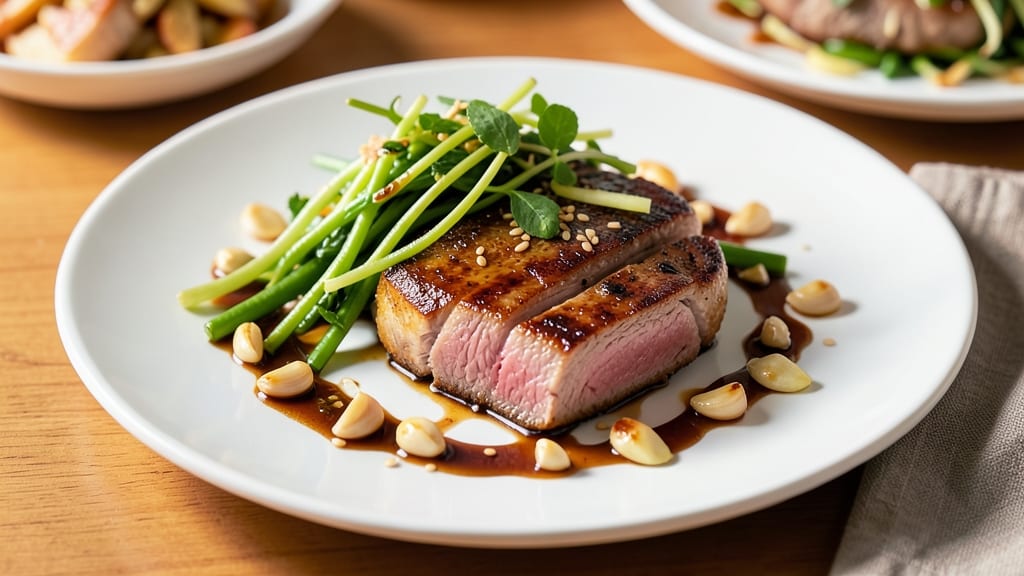
This bean sprout pork recipe delivers the perfect balance of silky tenderness and crunchy texture that makes every bite unforgettable. 🔥 The secret lies in quick stir-frying pork slices with fresh bean sprouts, creating a dish that's both restaurant-quality and simple enough for weeknight dinners.
I first perfected this technique while working in Charleston, where the crisp heat of the wok transforms simple ingredients into something extraordinary.
The magic happens in under 20 minutes, where thinly sliced pork absorbs the bold flavors of garlic, ginger, and soy while the bean sprouts stay crisp yet tender.
This dish draws from Southeast Asian traditions, where wok-fried pork is a staple for its perfect harmony of textures and umami depth. The key is high heat and constant stirring—never letting the pork sit too long in the pan.
What you'll end up with is a dish that's restaurant-worthy at home—golden pork slices with a caramelized crust, bright green bean sprouts that pop with every bite, and a sauce that's perfectly balanced between sweet, salty, and tangy.
The aroma alone will have everyone gathering at the table, and the first taste will have them asking for seconds.
Serve this over steamed jasmine rice or with a side of crusty bread to soak up every last drop of that flavorful sauce. The dish keeps well for lunches the next day, making it perfect for meal prep too. Let's get cooking!
Ingredients for bean sprout pork
Fresh bean sprouts and tender pork slices—these ingredients transform into a restaurant-worthy dish in minutes!
| Ingredient | Amount | Notes |
|---|---|---|
| Pork Tenderloin 🥩 | 1 lb | Thinly sliced, 1/4-inch thick |
| Fresh Bean Sprouts 🌱 | 4 cups | Trimmed, crisp and fresh |
| Garlic Cloves 🧄 | 4 cloves | Minced, aromatic and fresh |
| Fresh Ginger 🌿 | 1 tbsp | Grated, peeled, and finely |
| Soy Sauce 🍶 | 3 tbsp | High-quality, preferably Japanese |
| Sesame Oil 🫒 | 1 tbsp | Toasted, for aroma |
| Honey 🍯 | 1 tbsp | Pure, for balancing flavors |
| Vegetable Oil 🫒 | 2 tbsp | High smoke point for wok |
| White Pepper 🌶️ | ¼ tsp | Freshly ground for heat |
| Cornstarch 🌾 | 1 tbsp | For tenderizing pork |
| Green Onions 🧅 | 2 whole | Sliced, for garnish |
| Sesame Seeds 🌾 | 1 tsp | Toasted, for crunch |
| Salt 🧂 | ½ tsp | Kosher, for seasoning |
The pork tenderloin is your star here—look for lean, well-marbled cuts at the butcher counter or pre-sliced at Asian markets. I always buy extra and freeze it for future stir-fries. Thinly slicing the pork yourself (or asking the butcher to do it) is key—1/4-inch thick ensures perfect tenderness. Fresh bean sprouts? Grab the brightest, crispest bunch you can find—Trader Joe's or Whole Foods usually have the best quality. If they look wilted, skip it and wait for fresher ones. The garlic and ginger should be freshly grated or minced—no jarred shortcuts here!
No soy sauce? Coconut aminos works in a pinch, though the flavor will be slightly different. Running out of sesame oil? Avocado oil at half the amount won’t ruin the dish, but you’ll lose that nutty aroma. The honey can be swapped for maple syrup if you’re avoiding it. For extra crunch, toss in crushed peanuts or fried shallots at the end. The cornstarch is non-negotiable for that tender texture—don’t skip it! And if you’re feeling fancy, substitute pork tenderloin with chicken thighs for even more juiciness.
This dish tastes even better the next day—store leftovers in an airtight container for 3-4 days. For meal prep, portion into containers with a little rice and reheat in a wok or skillet for that same crispy texture. The bean sprouts will wilt slightly, but a quick toss with a splash of water and sesame oil brings them back to life. Freeze portions without the sauce for up to 3 months—just thaw and stir-fry fresh. Garnish with toasted sesame seeds right before serving to keep that crunch!
Why You'll Love This Recipe
- One-Pan Magic: That’s right—just toss pork, bean sprouts, garlic, and ginger in one skillet, and you’re done. No chopping boards, no extra pots, and honestly? The crispy edges on that tenderloin happen almost by accident.
- Umami Bomb: The combo of soy sauce, fresh ginger, and garlic turns this into something ridiculously good—savory, bright, and just a little tangy. My husband always asks for seconds, and I’ll be real: I don’t even mind when he does.
- Lunchbox Hero: Pack this cold or at room temp, and it’s still a winner. The bean sprouts stay crisp, the pork holds up, and it’s the only thing that keeps my kids from begging for takeout when they forget their lunch.
- Budget Win: Pork tenderloin is lean but filling, and bean sprouts stretch a long way. I’ve made this feed four people for under $15—plus, leftovers reheat like a dream, so it’s basically free money for lazy nights.
Step-by-step instructions for wok-fried pork with bean sprouts
Here's how to achieve that perfect balance of crisp-tender pork and fresh bean sprouts—crunchy, saucy, and packed with flavor.
🍳 Step 1: Prep the Pork for Maximum Tenderness
Place the 1 lb pork tenderloin between two sheets of plastic wrap and pound it to an even ¼-inch thickness using a meat mallet. This ensures even cooking and silky texture. Cut the pounded pork into ½-inch wide strips—they should be long enough to wok-fry beautifully.
In a small bowl, mix together 1 tbsp cornstarch, 0.5 tsp salt, and 0.25 tsp white pepper. Toss the pork strips in this mixture until fully coated. Let them sit for 10 minutes—this helps create a crispy exterior while keeping the inside juicy. Here's the thing—don't skip this marinating time. It makes all the difference in texture!
👨🍳 Step 2: Stir-Fry the Pork Until Golden
Heat a wok or large skillet over high heat until it's screaming hot. Add 2 tbsp vegetable oil and swirl to coat. Add the pork strips in a single layer and let them sear undisturbed for 1-2 minutes until they develop a golden crust on all sides. This is where the magic happens—don't crowd the pan or you'll steam instead of sear.
Once golden, remove the pork with a slotted spoon and set aside. You'll notice the pork releases easily from the pan—that's your signal it's ready. Keep the wok at high heat for the next steps; you want to maintain that intense cooking temperature.
🍳 Step 3: Cook the Aromatics and Bean Sprouts
In the same wok, add 1 tbsp vegetable oil (you'll use the remaining 1 tbsp). Toss in 4 cloves minced garlic and 1 tbsp grated fresh ginger—cook for 30 seconds until fragrant. Here's where it gets fun—the garlic should sizzle and turn golden without burning. Add 4 cups fresh bean sprouts and stir-fry for 2-3 minutes until they're bright green and just beginning to wilt.
Real talk: Don't overcook the bean sprouts—they should stay crisp with just a tiny bit of softness. You want that satisfying crunch in every bite. If they start to turn mushy, you've gone too far.
🥘 Step 4: Combine and Sauce the Perfectly
Return the pork to the wok. Add 3 tbsp soy sauce, 1 tbsp sesame oil, and 1 tbsp honey. Stir everything together vigorously for 1-2 minutes until the pork is fully coated in the glossy sauce. The wok should be sizzling—this residual heat finishes cooking the pork perfectly.
Taste the sauce and adjust seasoning if needed. I like to add a splash of water (about 1 tbsp) if the sauce seems too thick—this creates a silky, balanced consistency. The pork should be coated in that beautiful glossy sauce with just the right amount of stickiness.
🍽️ Step 5: Finish with Garnishes and Serve
Turn off the heat and transfer the pork and bean sprouts to serving plates. Garnish with 2 whole sliced green onions and 1 tsp toasted sesame seeds. The green onions add a fresh contrast, while the sesame seeds bring that nutty crunch that ties everything together.
Serve immediately while everything is hot and the bean sprouts still have that satisfying crunch. Each bite should deliver tender, saucy pork with fresh bean sprouts—crunchy, flavorful, and perfectly balanced. This dish is a crowd-pleaser that comes together faster than you'd think!
Pro Tips For Making Bean Sprout Pork
- Slice Pork Thin, Evenly: Pork tenderloin fights back when you cut it unevenly—those thick chunks stay chewy while thin slices turn mushy. Aim for ¼-inch thickness, and if your knife skills are shaky, freeze the meat for 15 minutes first. It’s not about being fancy; it’s about consistent doneness.
- Blanch Sprouts First: Fresh bean sprouts hold onto dirt and moisture like they’re auditioning for a swamp role. Give them a quick 30-second blanch in boiling water, then shock in ice water—this kills bacteria, crisps them up, and ensures they don’t turn to mush when stir-fried. (Yes, even if the recipe doesn’t say it.)
- Don’t Overcrowd the Pan: I learned this the hard way—dumping all the pork and sprouts in at once just steams everything into a sad, soggy pile. Work in batches: cook the pork until seared, then pull it out while you blanch the sprouts separately. Crowding turns a quick stir-fry into a science experiment no one asked for.
- Ginger-Garlic Paste Saves Time: Mincing fresh ginger and garlic mid-recipe is a time suck that makes you question your life choices. Make a quick paste with 2 tablespoons each of grated ginger and minced garlic, then stir in 1 teaspoon of oil. It blends smoother, sticks better to the pork, and you won’t spend 10 minutes chopping while the wok smokes. (Pro move: use a microplane for the ginger—no peeling needed.)
Flavor customization for bean sprout pork
Sweet and Tangy Twist
Swap the honey for 1 tbsp rice vinegar and add ½ tsp red pepper flakes to the sauce for a bright, tangy kick. I discovered this variation while working in Charleston—it cuts through the richness of the pork beautifully.
For extra depth, add 1 tsp fish sauce to the soy sauce mixture. This Southeast Asian-inspired tweak keeps the dish light yet packed with flavor. 🌶️
Spicy Sichuan Style
Transform this into a fiery Sichuan-inspired dish by adding 1 tbsp Sichuan peppercorns (toasted and ground) to the pork marinade. Stir in 1 tsp chili bean paste when combining the sauce, and finish with 2 tbsp chopped cilantro.
The peppercorns create that signature numbing heat that pairs perfectly with the bean sprouts' crunch. Trust me, this version will have your guests reaching for seconds. 🔥
Creamy Coconut Version
For a tropical twist, replace the sesame oil with 1 tbsp coconut oil and stir in 2 tbsp coconut milk at the end. Add ½ tsp ground turmeric for color and warmth.
This variation works especially well with chicken thighs instead of pork. The coconut milk adds a velvety texture that balances the bean sprouts' freshness beautifully. 🥥
Garlic Butter Finish
After stir-frying the pork, remove it from the wok and set aside. In the same pan, melt 1 tbsp butter with 2 extra minced garlic cloves until foamy. Toss the pork back in, along with the bean sprouts, and stir until coated.
Finish with 1 tsp lemon zest for a bright, buttery twist that elevates the dish to restaurant-quality. This version feels indulgent yet remains light. ✨
Umami Bomb Boost
For maximum umami depth, add 1 tbsp oyster sauce or 1 tsp mushroom powder to the pork marinade. When combining the sauce, stir in 1 tsp hoisin sauce for extra richness. This version has a deeper, more complex flavor profile that pairs perfectly with the bean sprouts' freshness.
I love using this when serving to a crowd—they always ask what secret ingredient I used! 💫
Herb-Infused Freshness
Brighten the dish with 1 tbsp chopped Thai basil or cilantro tossed into the bean sprouts before stir-frying. Finish with 2 tbsp fresh mint leaves for a refreshing contrast.
This herb-forward variation works especially well with a lime wedge on the side. The fresh herbs keep the dish light and vibrant while adding a layer of complexity. 🌿
Nutrition facts
Frequently asked questions
Can I use chicken instead of pork in this recipe?
Chicken thighs work beautifully—they stay juicy even when cooked quickly. Use 1 lb boneless, skinless thighs, slice them ¼-inch thick, and reduce the cornstarch to ½ tbsp since chicken absorbs marinades faster. For extra tenderness, marinate the chicken for 15 minutes instead of 10.
How do I keep the bean sprouts crispy?
Cook them for just 2-3 minutes over high heat—they should be bright green with a tiny bite. Overcooking turns them mushy. For extra crunch, add them to the wok only in the last 1 minute of cooking. If using pre-cooked sprouts, pat them dry first and stir-fry for 1 minute max.
What's the best way to store leftovers?
Store in an airtight container with a paper towel to absorb moisture. Keeps for 3-4 days in the fridge. For reheating, use a wok or skillet over medium-high heat for 2-3 minutes—this restores the crispiness. Avoid microwaving, as it makes the pork soggy. Freeze portions without sauce for up to 3 months.
Can I make this dish gluten-free?
Yes! Swap soy sauce for 3 tbsp coconut aminos or gluten-free tamari. For extra umami, add ½ tsp fish sauce or 1 tsp gluten-free oyster sauce. Check that sesame oil and cornstarch are certified gluten-free. The texture and flavor will stay just as delicious with these adjustments.
Why did my pork turn out chewy instead of tender?
This usually happens from overcooking or skipping the cornstarch step. Always use high heat and cook pork for just 1-2 minutes until golden.