
Main Courses
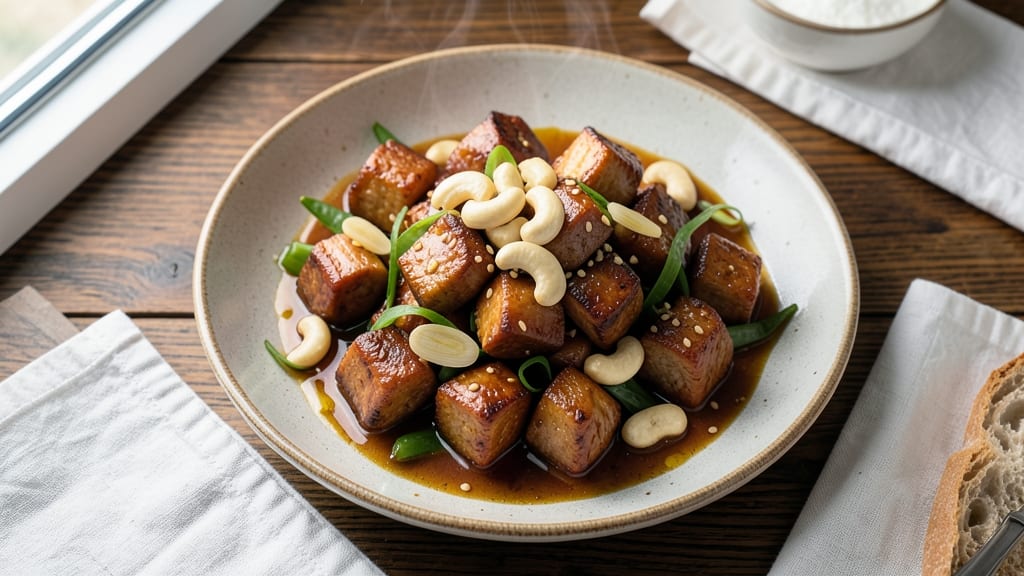
This cashew pork stir fry recipe delivers restaurant-quality flavor in under 30 minutes, proving weeknight dinners can be both quick and impressive. I developed this technique after years of perfecting stir-fry timing—where crispy pork meets nutty cashew sauce in perfect harmony. The secret lies in proper pork prep and sauce integration, transforming simple ingredients into a dish that feels special without requiring hours in the kitchen.
What sets this recipe apart is the balance of textures: tender, caramelized pork that stays juicy, crisp-tender vegetables, and creamy cashews that add richness without overwhelming. I use a two-step marinade process—first with soy and ginger, then quickly with a touch of cornstarch for that signature wok-hei finish.
The sauce comes together in minutes with pantry staples, but don't skip the toasted cashews—they're what elevate this from ordinary to extraordinary.
By the time you plate it, you'll have a dish that's vibrant, aromatic, and packed with layers of flavor—golden pork pieces glistening with sauce, bright vegetables adding crunch, and that perfect creamy-nutty finish.
It's the kind of meal that makes coming home for dinner feel like a celebration, even on the busiest nights. The best part? Leftovers reheat beautifully, making it a true weeknight workhorse.
Serve it over steamed rice or noodles for the full experience, or as-is for a protein-packed bowl. This stir fry is versatile enough for family dinners, meal prep, or impressing guests with minimal effort. Let's get cooking—your taste buds will thank you.
Ingredients for cashew pork stir fry
Pantry staples meet restaurant-quality flavors in this quick stir-fry masterpiece.
| Ingredient | Amount | Notes |
|---|---|---|
| Boneless Pork Shoulder 🥩 | 1 ½ lb | Cut into 1-inch cubes, trimmed of fat |
| Raw Cashews 🥜 | 1 cup | Toasted until golden brown |
| Low-Sodium Soy Sauce 🍶 | ½ cup | For marinade and sauce |
| Fresh Ginger 🌿 | 1 tbsp | Finely grated, aromatic |
| Cornstarch 🌾 | 1 tbsp | For crispy pork coating |
| Garlic Cloves 🧄 | 6 cloves | Minced, fresh preferred |
| Sesame Oil 🫒 | 1 tbsp | For aroma, not cooking |
| Vegetable Oil 🫒 | 2 tbsp | High smoke point for stir-fry |
| Bell Peppers 🌶️ | 1 whole | Red or green, sliced |
| Broccoli Florets 🥦 | 2 cups | Fresh, crisp-tender |
| Green Onions 🧅 | 3 whole | Sliced, white and green parts |
| Honey 🍯 | 1 tbsp | For sauce balance |
| Rice Vinegar 🍶 | 1 tbsp | For tangy brightness |
| Sesame Seeds 🌾 | 1 tsp | Toasted, for garnish |
| White Rice 🍚 | 2 cups | Uncooked, long-grain |
The pork is where the magic starts—boneless shoulder gives you that perfect balance of tenderness and chew. Costco or Trader Joe's usually have pre-cut pork shoulder, but if you're buying whole, trim off all visible fat and cut into 1-inch cubes for even cooking. Fresh ginger and garlic are non-negotiable here; Penzeys or your local Asian market will have the best quality. Toast those cashews until they're golden brown—that nutty aroma is what transforms this from ordinary to extraordinary. Pro tip: Toast them in a dry skillet over medium heat, stirring constantly, until they smell heavenly.
No sesame oil? Avocado oil or neutral vegetable oil works in a pinch, but you'll miss that signature aroma. Running out of cornstarch? Arrowroot powder at the same amount does the trick. The bell peppers can be swapped for snap peas or bok choy—whatever's bright and crisp in your fridge. For the sauce, if you don't have rice vinegar, apple cider vinegar at half the amount gives similar tang. And if you're feeling fancy, add a splash of chili garlic sauce to the final stir-fry for some heat. The key is keeping everything moving fast—high heat, quick tosses, and never overcrowding the pan.
Pork cubes reheat beautifully—just toss them in a hot skillet with a splash of water and soy sauce for 2-3 minutes. The sauce thickens as it sits, so if it looks too thin when reheating, stir in a dash of cornstarch mixed with water. Store components separately: pork in one container, sauce in another, veggies in a third. This keeps everything crisp when you're ready to reheat. The toasted cashews? They'll stay fresh for 2 weeks in an airtight container at room temperature, but honestly, they'll be gone before then. For meal prep, I double the sauce and freeze half—perfect for quick future stir-fries.
Why You'll Love This Recipe
- One-Pan Magic: I swear by this recipe when I’m too tired to scrub pots—just the pork, cashews, and veggies (if you add them) all hit the same skillet. The cornstarch toss gives that signature crisp-tender texture without extra bowls or mess.
- Umami Bomb: That combo of low-sodium soy sauce and fresh ginger? It’s like a flavor grenade. The cashews add a buttery crunch that cuts through the savory pork, and honestly, I’ve never met a stir-fry that balances sweet, salty, and funky like this one does.
- Lunchbox Hero: Between us, this is my go-to for meal prep. The leftovers reheat like a dream—no soggy textures, just that same crispy edge. Pack it in containers with rice, and you’ve got a lunch that’ll have coworkers asking for seconds.
- Budget Flex: Pork shoulder is cheap, cashews stretch far, and you’re not drowning in expensive spices. I’ll be real: this feeds four for under $15, and the ginger and soy sauce do double duty in other dishes. Plus, the cornstarch trick makes even budget cuts taste like a splurge.
Step-by-step instructions for cashew pork stir fry
Here's how to create a restaurant-quality stir fry in under 45 minutes—crispy pork, nutty sauce, and vibrant veggies.
Prep the Pork for Maximum Crispiness
Cut the 1.5 lb boneless pork shoulder into 1-inch cubes, trimming any visible fat. Place the pork in a bowl and toss with 1 tablespoon cornstarch until evenly coated. This creates a crispy exterior while keeping the inside tender. Let it sit for 10 minutes while you prep the rest—this starchy coating will develop a golden crust during cooking.
In a separate bowl, whisk together 0.5 cup low-sodium soy sauce, 1 tablespoon honey, 1 tablespoon rice vinegar, 1 tablespoon sesame oil, 1 tablespoon finely grated fresh ginger, and 6 minced garlic cloves. Pour this marinade over the cornstarch-coated pork and toss to combine. Let it marinate for 15 minutes at room temperature—this ensures even flavor penetration and prevents the pork from drying out during the high-heat stir-fry.
Cook the Rice to Perfection
Rinse the 2 cups white rice under cold water until the water runs clear, then drain well. In a medium pot, combine the rice with 3 cups water and bring to a boil over high heat. Once boiling, reduce heat to low, cover tightly with a lid, and simmer for 15 minutes. Turn off the heat and let it steam, covered, for another 10 minutes. This resting period allows the rice to absorb any remaining moisture, resulting in perfectly fluffy grains.
While the rice cooks, toast the 1 cup raw cashews in a dry skillet over medium heat for 3-4 minutes until golden brown and fragrant. Remove from heat immediately and set aside—these will be blended into the sauce later for that signature creamy texture. The nutty aroma will infuse your entire kitchen, signaling the dish is coming together perfectly.
Stir-Fry the Pork and Vegetables
Heat 2 tablespoons vegetable oil in a large wok or skillet over high heat until shimmering. Add the marinated pork in a single layer and cook undisturbed for 2-3 minutes until the bottoms develop a deep golden crust. Stir-fry for another 2-3 minutes until the pork is 85% cooked—it should be browned but still slightly pink in the center. Remove the pork and set aside.
In the same pan, add 1 whole sliced bell pepper and 2 cups broccoli florets, spreading them out in a single layer. Stir-fry for 3-4 minutes until the vegetables are bright green and just tender-crisp—they should still have a slight bite. Add the 3 sliced green onions and stir for 30 seconds until wilted but still vibrant. The high heat ensures the vegetables retain their crunch while developing a caramelized edge.
Create the Creamy Cashew Sauce
Reduce the heat to medium, then add the reserved pork back to the pan along with the toasted cashews. Using a wooden spoon, mash the cashews against the side of the pan to create a creamy paste. Pour in 0.5 cup water and stir vigorously for 2-3 minutes until the sauce thickens and coats the pork and vegetables evenly. The sauce should be silky and glossy, clinging beautifully to everything.
Taste and adjust seasoning—add a splash more soy sauce if needed for saltiness or rice vinegar for brightness. The sauce should balance sweet, savory, and tangy notes perfectly. Sprinkle with 1 teaspoon toasted sesame seeds and toss gently to distribute. The sesame seeds add a delightful crunch and visual appeal that elevates the dish from good to exceptional.
Assemble and Serve Immediately
Transfer the stir-fry to a serving platter and fluff the cooked white rice with a fork. Spoon the rice onto each of 4 plates, then top generously with the cashew pork stir-fry. Garnish with additional green onion slices and a final sprinkle of sesame seeds for that restaurant-quality finish. Serve immediately while the pork is still warm and the sauce maintains its silky texture—this dish tastes best straight from the wok!
Here's the thing—this stir-fry comes together faster than takeout but delivers restaurant-quality depth of flavor. The secret lies in the high-heat cooking and proper sauce technique, which transforms simple ingredients into something truly special. Enjoy your quick weeknight dinner that feels like a celebration!
Pro Tips For Making Cashew Pork Stir Fry
- Slice Pork Thin: I used to fight with tough, chewy pork until I realized boneless shoulder needs to be sliced paper-thin—about ⅛-inch thick—before stir-frying. Use a sharp knife, lay the meat flat, and slice against the grain. If it feels like a chore, freeze the meat for 20 minutes first; it’ll slice cleaner and render fat faster when you cook it.
- Toast Cashews First: Raw cashews taste bland and weird in stir-fries. Toss them in a dry pan over medium heat for 2–3 minutes until golden and fragrant—just until they start to smell nutty. Then toss in the pork and veggies. (Yes, even if you’re impatient like me, this step makes a real difference.)
- Cornstarch the Pork: Skip the marinade and coat the pork shoulder in 1 tablespoon cornstarch mixed with 1 teaspoon salt before cooking. This creates a light crust that locks in juices and gives the stir-fry that restaurant-quality texture. Just don’t skip the high heat—it needs to sear fast to avoid turning gummy.
- Ginger: Grate, Don’t Dice: I was skeptical until I tried it: finely grate the ginger (no need to peel) and toss it in last with the soy sauce. This keeps the texture smooth and the flavor evenly distributed. If you’re using a microplane, do it right before cooking—fresh ginger loses punch fast.
Regional styles of cashew pork stir fry
Southern BBQ-Inspired Twist
Inspired by my years cooking in the Southeast, I like to swap the traditional stir-fry veggies for collard greens and smoked bacon in this regional variation. Sauté ½ lb thick-cut bacon until crispy, then remove all but 2 tablespoons bacon fat for cooking.
Add 2 cups chopped collard greens (stems removed) and cook until just wilted. Finish with 1 tablespoon smoked paprika and ½ teaspoon cayenne for that Carolina kick. The smoky depth pairs perfectly with the nutty cashew sauce. 🔥
Charleston-Style Citrus Boost
For a Charleston-inspired version, I add zest from 1 orange and 2 tablespoons fresh orange juice to the marinade. The citrus brightens the pork while keeping it tender during the high-heat stir-fry. After cooking, finish with 1 tablespoon orange marmalade swirled into the sauce for a sweet-tangy balance.
Garnish with thin orange slices for a pop of color that screams Lowcountry charm. This version feels special enough for company but still quick enough for weeknights.
Georgia Peach-Cashew Fusion
Peach season in Georgia inspired this sweet-savory twist where I swap the bell peppers for 1 cup sliced fresh peaches (peeled and diced) and add 1 teaspoon ground cardamom to the sauce. The peaches caramelize beautifully during the stir-fry, creating a natural glaze that complements the creamy cashews.
For extra depth, I toast ½ teaspoon fennel seeds in the pan with the cashews before blending. Serve over jasmine rice for a fragrant, summery dish that feels like a Southern garden party. 🍑
Atlanta Spicy Kick
My Atlanta restaurant guests love this version where I add 1 tablespoon gochujang (Korean chili paste) to the sauce and finish with 2 teaspoons sriracha swirled in at the end. The heat comes from the gochujang's fermented depth rather than just spice, giving it a complex, umami punch.
I also toss in ½ cup kimchi during the final stir for tangy crunch. For extra drama, serve with pickled jalapeños on the side so everyone can adjust their spice level. This version is a crowd-pleaser at my restaurant's happy hour.
Heritage Pig Special
Using my own heritage Gloucestershire Old Spots pork shoulder (which has a richer flavor than commercial cuts) transforms this into a true farm-to-table experience. The pork's natural marbling keeps it juicy even with high-heat cooking.
I also infuse the sauce with 1 teaspoon black peppercorns toasted in the pan before adding the cashews. The peppercorns add subtle warmth that pairs beautifully with the pork's depth. This version feels like a celebration of heritage flavors while keeping the quick weeknight preparation. 🥩
Nutrition facts
Frequently asked questions
Can I use ground pork instead of cubed pork shoulder?
Ground pork works but won't give you the same texture. For a similar result, use 1 lb ground pork mixed with 2 tablespoons cornstarch to create a patty-like consistency. Cook it in the same way, but expect smaller, more uniform pieces. The sauce will still cling beautifully, but you'll lose that satisfying chew from the cubed version.
How do I make this dish spicier?
Add ½ teaspoon red pepper flakes to the sauce or 1 tablespoon chili garlic sauce when tossing everything together. For extra heat, stir in 1 teaspoon gochujang (Korean chili paste) with the cashew paste. Always taste first—you can adjust, but you can't remove spice once it's in!
What's the best way to reheat leftovers?
Reheat in a skillet over medium heat with 1 tablespoon water and ½ tablespoon soy sauce, stirring constantly for 2-3 minutes. The sauce will thicken again, and the pork stays juicy. For rice, microwave with a damp paper towel over it for 1 minute to restore fluffiness. Never reheat in the microwave alone—the sauce gets watery!
Can I make this gluten-free?
Yes! Replace the soy sauce with ½ cup coconut aminos (1:1 ratio) and ensure your cornstarch is certified gluten-free. Double-check all ingredients—some sesame oils contain wheat. The flavor stays rich and savory, just without the gluten. For extra depth, add 1 teaspoon gluten-free oyster sauce to the marinade.
Why did my pork turn out dry?
Most likely, you overcooked it or didn't marinate long enough. Keep the pork at 85% doneness during stir-fry—it'll finish cooking in the hot sauce. For extra juiciness, add 1 teaspoon honey to the marinade or 1 tablespoon water when reheating. Always let the pork rest 5 minutes after cooking before cutting into it.