
Side Dishes
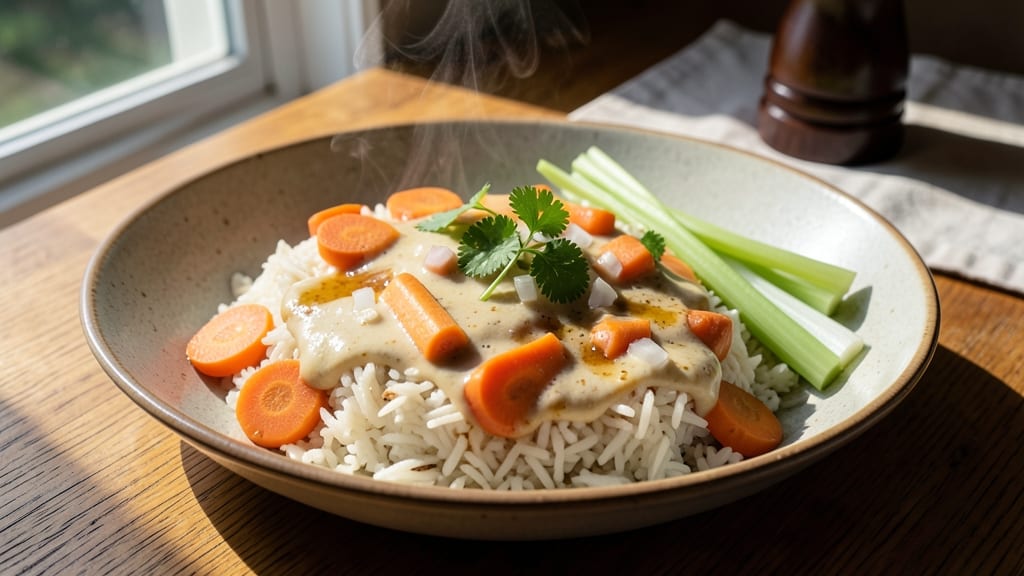
This Trinidadian carrot rice recipe transforms simple ingredients into a fragrant, sweet-spiced side that steals every meal. 🌟 The secret lies in tempering whole spices with coconut milk, creating a creamy base that balances carrot sweetness and celery crunch.
My grandmother used to make this for Sunday feasts, and it quickly became our family's favorite accompaniment to curry dishes.
The recipe begins with toasting whole spices in coconut oil—a technique that unlocks their aromatic potential before simmering them in coconut milk. This creates a rich, fragrant liquid that coats the rice and carrots perfectly.
The celery adds a refreshing crunch, while the touch of sugar enhances the carrot's natural sweetness without overpowering the dish.
What you'll end up with is a vibrant, fragrant side dish that's tender yet textured, with a subtle sweetness that pairs beautifully with spicy curries or roasted meats. The coconut milk gives it a luxurious creaminess, while the spices add warmth and depth.
This is the kind of dish that makes you feel like you're at a Trinidadian celebration.
Perfect for festive meals, family gatherings, or as a standalone dish with a side of roti. The recipe scales easily, so you can make a big batch for leftovers. Let's get cooking!
Ingredients for carrot rice recipe trinidad
Fifteen ingredients that bring Trinidadian flavors to your rice bowl—creamy, spiced, and full of crunch.
| Ingredient | Amount | Notes |
|---|---|---|
| Long-Grain White Rice 🍚 | 1 cup | Uncooked, rinsed thoroughly |
| Carrots 🥕 | 1 ½ lb | Medium size, peeled and sliced |
| Celery Stems 🧅 | 2 whole | Fresh, cut into thin rounds |
| Coconut Milk 🥥 | 1 can | Full-fat, 13.5 oz can |
| Coconut Oil 🫒 | 2 tbsp | Refined or unrefined |
| White Onion 🧅 | 1 whole | Medium size, finely chopped |
| Garlic Cloves 🧄 | 4 cloves | Fresh, minced finely |
| White Sugar 🍚 | 2 tbsp | Granulated or light brown |
| Ground Cumin 🌿 | ½ tsp | Freshly toasted preferred |
| Ground Turmeric 🌶️ | ¼ tsp | Bright yellow color |
| Ground Coriander 🌿 | ½ tsp | Freshly ground preferred |
| Salt 🧂 | 1 tsp | Kosher or sea salt |
| Black Peppercorns 🌶️ | ¼ tsp | Freshly cracked |
| Cardamom Pods 🌿 | 3 whole | Lightly crushed |
| Cinnamon Stick 🌶️ | 1 whole | 1-inch piece |
The coconut milk is non-negotiable here—full-fat canned coconut milk gives the best texture and flavor. Thai Kitchen or Aroy-D are my go-tos, but any brand works as long as it's full-fat. The spices? Toast the whole spices (cardamom, cinnamon) in the coconut oil first—this unlocks their aroma and makes the whole dish sing. If you can't find whole cardamom pods, ground cardamom at half the amount works in a pinch. The carrots should be medium-sized—baby carrots won't have the same sweetness when cooked. For the celery, fresh is best, but frozen works if you're in a bind.
No cardamom? Skip it or swap for a pinch of nutmeg—it's the same family, just different vibes. Running out of turmeric? Yellow onion powder at double the amount gives a similar golden hue. The rice needs to be long-grain and white—jasmine or basmati won't give the same texture. For the sugar, light brown sugar adds depth, but granulated works fine. The garlic and onion are the flavor anchors—don't skimp on mincing them finely. If you're making this ahead, cook the rice and veggies separately and combine later to keep everything crisp.
This keeps beautifully for 4-5 days in the fridge—honestly tastes even better the next day as the flavors meld. Portion into containers with a sprinkle of fresh cilantro on top for color. Freezes well for up to 3 months, though the celery gets softer after thawing. For extra crunch, add a handful of toasted coconut flakes on top before serving. Leftovers make amazing sandwiches—roti or crusty bread works perfectly.
Why You'll Love This Recipe
- One-Pot Magic: I swear by this recipe when I’m too tired to wash pots—just toss everything in one pot with the rice, coconut milk, and a splash of water. The carrots soften perfectly while the rice cooks, and the celery adds that subtle crunch without extra effort.
- Creamy Carrot Hug: That coconut milk transforms this into something luxurious—silky, slightly sweet, and just rich enough to feel special. Honestly, the moment the rice absorbs that golden coconut flavor, I forget it’s a weeknight meal.
- Lunchbox Hero: Between us, this rice keeps perfectly for days in the fridge, making it my go-to for packed lunches or quick dinners. The texture holds up, and the coconut oil keeps it from drying out—my kids actually finish their portions.
- Budget Bright Spot: Carrots and celery stretch this dish further than you’d think, and coconut milk adds depth without breaking the bank. I’ve made this for 6 people for under $10, and it’s still the star of the table. (Yes, even on a Tuesday night.)
Step-by-step instructions for Caribbean-inspired carrot rice
This fusion dish brings Trinidad's bold flavors to your rice bowl—creamy coconut meets sweet carrots and celery's crunch.
🍳 Step 1: Sauté the Aromatic Base
Heat the 2 tablespoons coconut oil in a medium pot over medium heat until shimmering but not smoking. Add the finely chopped white onion and cook for 3-4 minutes until soft and translucent, stirring occasionally. Here's the thing—don't rush this step. You want the onions to melt down completely before adding anything else.
Add the 4 minced garlic cloves, lightly crushed cardamom pods, and 1-inch cinnamon stick. Stir for 30 seconds until fragrant—you'll smell that warm spice aroma that makes everything taste better. This aromatic base is the flavor foundation, so take your time here. If the garlic starts to brown too quickly, reduce the heat slightly to medium-low.
👨🍳 Step 2: Cook the Vegetables Until Tender
Add the 1.5 pounds sliced carrots and 2 whole celery stems cut into thin rounds to the pot. Stir to combine with the onions and spices, then sprinkle with the 2 tablespoons white sugar. Cook for 8-10 minutes over medium heat, stirring occasionally, until the carrots begin to soften and the celery becomes tender but still holds its shape.
Here's where the magic happens: the sugar caramelizes slightly, creating a subtle sweetness that balances the spices. You'll see the vegetables release their moisture—this is normal. If the mixture looks too dry after 5 minutes, add 2 tablespoons water to help steam the vegetables. The goal is tender but not mushy vegetables that will blend perfectly with the rice.
🥘 Step 3: Toast the Spices and Add Rice
Sprinkle in the 1 teaspoon salt, 0.5 teaspoon ground cumin, 0.25 teaspoon ground turmeric, 0.5 teaspoon ground coriander, and 0.25 teaspoon cracked black peppercorns. Stir everything together and cook for 1-2 minutes until the spices are fragrant and the oil glistens slightly. This toasting step brings out their full flavor—don't skip it!
Add the 1 cup rinsed long-grain white rice and stir for 1 minute to coat each grain with the spiced oil. This ensures every bite gets that flavorful crust. Pour in the 1 can full-fat coconut milk and bring the mixture to a gentle boil. Once boiling, reduce heat to low, cover tightly with a lid, and let it simmer.
⏰ Step 4: Simmer Until Rice is Perfectly Cooked
Cook the rice for 15-18 minutes on low heat, without lifting the lid. The rice is done when all the liquid has been absorbed and the grains are tender but still have a slight bite. Here's the trick: if you hear a bit of sizzling when you stir, it's ready. If not, add 2-3 tablespoons water and cook another 2-3 minutes.
Real talk: your first attempt might need a bit more liquid. I've found this ratio works perfectly for my stove, but yours might vary slightly. The key is to let the rice absorb all the moisture without getting mushy. Once done, remove from heat and let it sit covered for 5 minutes—this resting period helps the flavors meld together beautifully.
🍽️ Step 5: Fluff and Serve with Confidence
After resting, gently fluff the rice with a fork, being careful not to mash the grains. The texture should be light and fluffy with tender carrots and celery evenly distributed throughout. If you see any liquid at the bottom, stir it in—the flavor is concentrated there.
Serve immediately while still warm. This Caribbean-inspired carrot rice has a perfect balance of sweet, spicy, and creamy flavors with that satisfying celery crunch. Pair it with grilled chicken or fish for a complete meal. The aroma alone will have everyone at your table asking for seconds!
Pro Tips For Making Carrot Rice Recipe Trinidad
- SOAK THE RICE FIRST: I learned this the hard way—skipping the soak means gummy rice, no matter how much coconut milk you add. Rinse the long-grain rice twice, then let it sit in water for 20 minutes before draining. The starch washes out, and the grains stay distinct instead of turning mushy when cooked in coconut milk.
- SAUTÉ THE VEGETABLES LOW: Trinidad carrot rice relies on sweet, soft carrots and celery, not burnt bits. After adding coconut oil, reduce heat to medium-low and cook the veggies for 8-10 minutes—just until tender, not golden. High heat turns them bitter, and that’s the last thing you want in this creamy dish.
- USE FULL-FAT COCONUT MILK: Light coconut milk won’t cut it here. The fat content is what makes this dish rich and cohesive. If you’re using canned, go for the full-fat version (40%+ coconut cream). I’ve tried the low-fat swaps, and the rice ends up dry and pasty—like eating a sad, watery pudding.
- STIR ONCE, THEN LEAVE IT: After adding the rice to the pot with coconut milk, give it one good stir to distribute everything evenly. Then walk away. Peeking or stirring constantly turns the rice into glue. Let it simmer uncovered for 15 minutes—just enough time for the liquid to absorb without your help.
Essential equipment for this recipe
Heavy-Duty Pot
Start with a medium-sized, heavy-bottomed pot—I swear by my All-Clad 3-quart Dutch oven for even heat distribution. A pot with a tight-fitting lid is crucial for trapping steam during simmering.
If you don’t have one, a stainless steel pot with a glass lid works too. Avoid non-stick pots—they can’t handle the spices’ high heat without warping. 🌡️
Wooden Spoon
A long-handled wooden spoon is your best friend for stirring without scratching the pot. I’ve had my Oxo Good Grips spoon for years—it’s sturdy and won’t burn your hands.
Avoid metal spoons when stirring the rice; they can break grains and leave a metallic taste. If you must use metal, wait until the rice is fully cooked.
Fine-Mesh Strainer
Rinsing the rice thoroughly before cooking removes excess starch, which prevents gummy rice. A fine-mesh strainer (like the OXO Good Grips) works best—it catches even the smallest rice particles.
Rinse under cold water until the water runs clear. Pro tip: Soak the rice for 10 minutes before rinsing if you’re short on time, but don’t skip the rinse entirely.
Measuring Cups & Spoons
Precision matters here, especially with spices and liquids. Use dry measuring cups for rice and liquid measuring cups for coconut milk. For spices, a small scoop or spice measuring spoon ensures accuracy—Penzeys Spices has great mini scoops.
A kitchen scale is ideal for spices like turmeric or cumin if you’re a perfectionist.
Spice Grinder
Freshly ground spices make all the difference. If you’re using whole spices like cardamom or cinnamon, a small spice grinder (like the Hamilton Beach mini grinder) works wonders.
For ground spices, toast them in a dry skillet over medium-low heat for 30 seconds to enhance flavor. Just don’t let them burn—smoke means bitterness. 🌶️
Optional: Immersion Blender
For extra creaminess, blend the cooked mixture briefly with an immersion blender (like the Ninja) for 5-10 seconds before serving. This creates a silky texture without losing the celery’s crunch.
Skip this if you prefer a rustic, textured dish—it’s totally optional but adds a restaurant-quality finish. Just don’t over-blend or you’ll turn it into soup!
Nutrition facts
Frequently asked questions
Can I substitute coconut milk with another liquid?
The creamy texture comes from coconut milk, but you can use half coconut milk and half chicken broth for a lighter version. For a dairy-free alternative, try full-fat cashew cream (blend soaked cashews with water). Just remember—coconut milk gives the authentic Trinidadian flavor and richness that's hard to replicate.
How do I adjust this recipe for a larger crowd?
Double all ingredients for 8 servings, but use a larger pot (5-6 quarts) to prevent boiling over. For 12 servings, triple the recipe but cook in batches—this keeps the rice from getting mushy. The key is maintaining the 1:1 ratio of rice to coconut milk and cooking times in 15-18 minute increments per batch.
Why does my carrot rice turn out mushy?
Mushy rice usually means too much liquid or lifting the lid too soon. Use 1 cup rice to 1 can coconut milk and cook on low heat without peeking. If it's still too wet, uncover and cook 2-3 more minutes—never add more liquid after cooking starts. Also, make sure your rice is thoroughly rinsed to remove excess starch.
What's the best way to reheat leftovers?
Add 1-2 tablespoons water or coconut milk per cup of rice, cover, and heat on low heat for 3-5 minutes. Stir gently to redistribute moisture. For microwave reheating, use 50% power for 2 minutes, then stir and add more liquid if needed. The goal is to restore the creamy texture without drying it out.
Can I make this dish ahead of time?
Yes! Cook the rice and vegetables separately, then combine just before serving. Store components in airtight containers—the rice keeps for 4-5 days in the fridge, and the cooked veggies last 3 days. For freezing, cook the rice fully, cool completely, then freeze for up to 3 months. The celery will soften slightly after thawing, but the flavor stays delicious.