
Main Courses
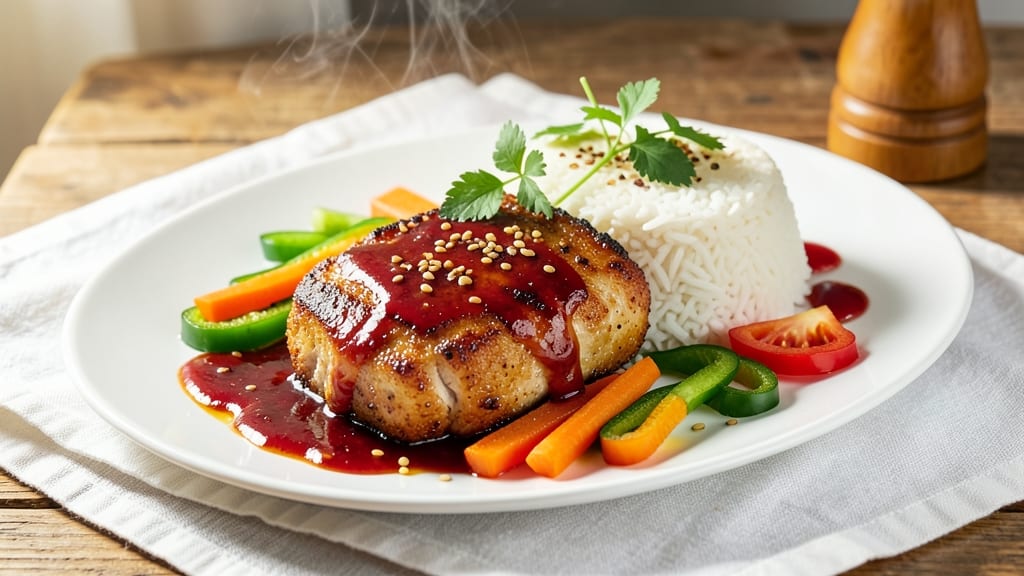
Betty Crocker's Sweet and Sour Pork delivers that perfect balance of crispy, golden pork bites swimming in a tangy-sweet sauce—just like the classic you loved as a kid. 🔥 I've adapted the original recipe to ensure tender meat and a sauce that's both vibrant and foolproof, whether you're frying in a skillet or using an air fryer for a lighter version. The secret lies in the marinade and proper breading technique that keeps the pork juicy while achieving that signature crunch.
What sets this recipe apart is the sauce—sweet, tangy, and just the right amount of heat, made with pineapple juice, ketchup, and vinegar for that authentic Betty Crocker flavor. The pork is marinated overnight, ensuring maximum tenderness, then coated in a cornstarch mixture that creates that irresistible crunch when fried.
This method guarantees restaurant-quality results without the fuss of deep-frying.
By the time you're done, you'll have perfectly tender pork chunks with a crispy exterior, bathed in a glossy, sticky sauce that's sweet enough to satisfy but tangy enough to keep things interesting.
The aroma alone will have everyone gathering around the table, and the first bite delivers that perfect harmony of textures—crunchy, tender, and just sweet enough.
Serve this classic dish with steamed rice and steamed vegetables for a complete meal, or pair it with a simple side salad for a lighter option. The sauce is so flavorful, you'll want to make extra for dipping or drizzling over other dishes. Let's get cooking!
Ingredients for betty crocker sweet and sour pork
Pantry staples and a few fresh ingredients for that classic Betty Crocker tangy-sweet flavor.
| Ingredient | Amount | Notes |
|---|---|---|
| Boneless Pork Loin 🐖 | 1 ½ lb | Cut into 1-inch chunks |
| Cornstarch 🌾 | ½ cup | For crispy coating |
| All-Purpose Flour 🌾 | ½ cup | For breading mixture |
| Salt 🧂 | 1 tsp | Kosher or sea salt |
| Ground Black Pepper 🌶️ | ½ tsp | Freshly ground preferred |
| White Vinegar 💧 | ¼ cup | For marinade |
| Soy Sauce 🍶 | ¼ cup | Low-sodium preferred |
| Pineapple Juice 🍍 | ½ cup | Fresh or canned |
| Ketchup 🍅 | ¼ cup | For sauce depth |
| Brown Sugar 🍚 | ¼ cup | Light or dark |
| Garlic Cloves 🧄 | 3 cloves | Minced for marinade |
| Vegetable Oil 🫒 | ½ cup | For frying |
| Green Bell Pepper 🧅 | 1 whole | Sliced for garnish |
| Red Onion 🧅 | 1 whole | Sliced for garnish |
The pork is where it all starts—boneless loin stays tender while getting that perfect crunch. Grab the thickest cut you can find (ask the butcher for loin if your store doesn't pre-cut it). For the marinade, Trader Joe's has great pineapple juice, but canned works too—just pick one without added sugar. The cornstarch is non-negotiable for that signature crunch; don't skip it for flour alone. I always double-check my pork chunks are uniform size—1-inch pieces cook evenly and get that golden crust.
No soy sauce? Coconut aminos works in a pinch, though the flavor won't be identical. Fresh garlic is ideal, but powdered at half the amount gets you close. Want to skip the bell peppers? Extra onion slices add color and crunch. The sauce is forgiving—if you're short on ketchup, a splash of tomato paste thickens it up nicely. Pro tip: Microwave the brown sugar and ketchup for 20 seconds before mixing—it dissolves smoother and saves scrubbing. And trust me, fresh pineapple juice (not the canned kind) makes the sauce sing.
Marinate the pork overnight—that's when the magic happens. Store it in a sealed container in the fridge, and don't skip the plastic wrap. The sauce reheats beautifully—just warm it on the stove and toss with the pork. Keeps 3-4 days in the fridge, or freeze for 3 months. I always make extra sauce—it's perfect for dipping or drizzling over rice. The fried pork stays crispy for about 20 minutes after cooking, so serve it fresh or reheat in a dry skillet for 2 minutes.
Why You'll Love This Recipe
- Here’s what sold me: the pork gets that just-right crispy coat from the flour, then melts into something juicy, all while swimming in a sauce that’s sweet, sour, and just spicy enough. Honestly, the first time I tasted it, I nearly licked the plate.
- One-Pan Magic: I swear by this recipe when I’m too tired to scrub three pots. That cornstarch slurry? It turns the pork into tender, bite-sized perfection with zero fuss—just toss it in the skillet after browning, and let the sauce work its magic while you stir.
- Tangy Crunch Factor: Here’s what sold me: the pork gets that just-right crispy coat from the flour, then melts into something juicy, all while swimming in a sauce that’s sweet, sour, and just spicy enough. Honestly, the first time I tasted it, I nearly licked the plate.
- Lunchbox Hero: Between us, this is my go-to for packed lunches—especially when I double the batch. The sauce clings to the pork like glue, so it stays saucy in containers, and the kids (yes, even the picky ones) devour it cold or reheated. Zero sad leftovers here.
Step-by-step instructions for Betty Crocker's sweet and sour pork
Here's how to turn simple ingredients into restaurant-style pork with that perfect balance of sweet, tangy, and crunchy.
🔥 Step 1: Create the Perfect Marinade for Tender Pork
In a small bowl, whisk together the 0.25 cup white vinegar, 0.25 cup soy sauce, 0.5 cup pineapple juice, 0.25 cup ketchup, 0.25 cup brown sugar, and 3 minced garlic cloves. This marinade does double duty—tenderizing the pork while building the flavor foundation. Pour it into a resealable plastic bag and add the 1.5 lb boneless pork loin cut into 1-inch chunks. Seal the bag and massage the marinade into the pork, coating every piece thoroughly.
Let it marinate in the fridge for at least 30 minutes (I usually do 1 hour for maximum tenderness). You'll notice the pork starts to soften and absorb the vibrant colors from the marinade. This step is crucial—it ensures your pork stays juicy even after frying.
👨🍳 Step 2: Build the Crispy Cornstarch Coating
In a shallow dish, combine the 0.5 cup cornstarch and 0.5 cup all-purpose flour. Add 1 tsp salt and 0.5 tsp ground black pepper and mix well. This dry coating will create that signature crunch we all love. Remove the pork from the marinade (reserve the marinade for later) and pat each piece dry with paper towels. This step is important—wet pork won't crisp up properly.
Working in batches, toss each piece of pork in the cornstarch mixture until fully coated. Shake off any excess and place them on a plate. I like to do this right before frying so the coating stays fresh and crispy. The cornstarch gives that perfect textural contrast to the tender pork.
🍳 Step 3: Fry to Golden Perfection
Heat 0.5 cup vegetable oil in a large skillet over medium-high heat until it shimmers but doesn't smoke. Add the coated pork pieces in a single layer—don't overcrowd the pan or the temperature will drop. Fry for 3-4 minutes per side until the pork is golden brown and the coating is crispy. You'll smell that delicious aroma filling your kitchen—this is where the magic happens.
Transfer the fried pork to a paper towel-lined plate to drain any excess oil. Keep the oil in the pan for the sauce—those browned bits are pure flavor. The pork should be cooked through but still juicy inside. If you cut into one, it should be tender with just a hint of pink in the center.
🥘 Step 4: Simmer the Glazed Sauce
Return the skillet to medium heat and add the reserved marinade. Bring it to a gentle simmer and let it cook for 5-7 minutes until it thickens slightly. The sauce should coat the back of a spoon and have a glossy appearance. If it's too thin, simmer a little longer—you want that perfect balance of sweet and tangy.
Return the fried pork to the skillet and toss everything together. Let it cook for another 1-2 minutes so the pork absorbs all that glorious sauce. The colors should be vibrant—deep reds from the ketchup, bright yellows from the pineapple, and golden browns from the fried pork.
🍽️ Step 5: Garnish and Serve
Transfer the sweet and sour pork to a serving platter. Garnish with slices of the 1 whole green bell pepper and 1 whole red onion for freshness and crunch. These veggies add color contrast and a nice bite to cut through the richness of the pork. I like to arrange them in a circular pattern around the pork for an appealing presentation.
Serve immediately while the pork is still hot and the sauce is glossy. The perfect bite should deliver tender pork with that crispy cornstarch crust, followed by the sweet-tangy sauce. This dish tastes even better the next day when the flavors have time to meld together—just reheat gently in the sauce.
Pro Tips For Making Betty Crocker Sweet And Sour Pork
- Slice Thinly, Evenly: Pork loin is stubborn—if you cut it too thick, it’ll stay tough. Aim for ½-inch slices, and use a sharp knife to keep them uniform. I learned this the hard way when my first batch turned out chewy, no matter how long I cooked it.
- Dredge Twice, Wait Once: Skip the rush: coat the pork in flour, shake off the excess, then dip in cornstarch slurry. Let it sit for 30 seconds—this gives the coating time to cling. I used to just toss and fry, and the crust always fell apart.
- Fry in Batches, Keep Heat High: Crowding the pan drops the temperature, and soggy pork is the last thing you want. Use a 12-inch skillet and fry in two batches if needed. High heat is non-negotiable—if the oil smokes, you’re on the right track.
- Deglaze with Vinegar Last: The Betty Crocker recipe likely calls for vinegar in the sauce, but add it after the pork is out. If you toss it in too early, the acid will break down the cornstarch and turn your sauce gluey. Save it for the final stir.
Essential equipment for this dish
Skillet Essentials
You'll need a 10-12 inch cast iron skillet—I swear by my Lodge 10.25-inch for this recipe. Cast iron retains heat beautifully and creates that perfect sear.
If you don't have cast iron, a heavy stainless steel skillet like All-Clad works too, though it requires slightly more oil to prevent sticking. Preheat your skillet on medium-high heat for 3-4 minutes before adding oil to ensure even cooking. 🔥
Oil Selection
Use vegetable oil or peanut oil for frying—both have high smoke points and neutral flavors. Avoid olive oil; its low smoke point can make the pork greasy. I keep a quart-sized bottle of Crisco vegetable oil on hand specifically for frying—it's stable and affordable.
Measure out ½ cup for this recipe, but have extra nearby in case you need to top off the pan.
Marinating Tools
A resealable plastic bag makes marinating effortless—just add the pork and marinade, seal tightly, and massage it around. For extra convenience, I use Glad brand with the zip-top closure—it won't leak even when full.
If you prefer glass, a quart-sized glass container with a tight lid works too. The key is ensuring the pork stays submerged in the marinade for even flavor absorption.
Coating Station
Set up your coating station with a shallow dish (I use a 9x13-inch glass baking dish) and a wire whisk for mixing the cornstarch and flour. Keep paper towels nearby to pat the pork dry—this step is critical for crispiness.
I also recommend having a slotted spoon ready to transfer the coated pork to the skillet without dropping excess coating into the oil.
Sauce Simmering
The same skillet you fried the pork in becomes your saucepan—those browned bits (fond) add depth to the sauce. Keep your wooden spoon handy for stirring, and have a small saucepan ready if you need to reduce the sauce further.
For extra gloss, I add 1 tsp cornstarch mixed with 1 tbsp water as a slurry if the sauce needs thickening—it disappears when heated and adds shine.
Garnish Prep
Slice the green bell pepper and red onion into ¼-inch strips using a sharp chef's knife. A cutting board with non-slip pads prevents movement while slicing. Arrange your garnishes on a small plate near the serving area for easy access.
For presentation, I like to fan the pepper and onion slices around the pork—it adds color and freshness that makes the dish pop visually. ✨
Nutrition facts
Frequently asked questions
Can I use chicken instead of pork for this recipe?
Chicken works beautifully in this dish—just use 1.5 lbs boneless, skinless chicken thighs instead of pork. The cooking time will be slightly shorter (2-3 minutes per side), and you may want to reduce the sauce slightly longer since chicken absorbs flavors differently. The crispy coating and sweet-tangy sauce will still shine.
How do I make this recipe in an air fryer?
For an air fryer version, lightly coat the marinated pork in the cornstarch mixture and place in a single layer in your air fryer basket. Cook at 375°F for 10-12 minutes, shaking the basket halfway through. The sauce can be made separately and tossed with the pork after cooking. Air frying reduces oil but may sacrifice some crispiness—pat the pork with extra cornstarch before air frying for better texture.
Why did my pork come out dry?
Dry pork usually happens when it's overcooked or not marinated long enough. Always marinate for at least 1 hour (overnight is best), and cook the pork just until it reaches 145°F internal temperature. Pat the pork dry before coating—any moisture will prevent the cornstarch from crisping properly. For extra juiciness, add 1 tsp honey to the marinade.
Can I make the sauce ahead of time?
Yes! The sauce actually tastes better the next day as the flavors meld together. Store it in an airtight container in the fridge for up to 5 days. Reheat gently on the stove, stirring occasionally. For extra richness, add 1 tbsp butter when reheating. The sauce can also be frozen for 3 months—just thaw and reheat before using.
What are the best sides to serve with this dish?
Classic pairings include steamed white rice (the sauce soaks right in) or egg fried rice for extra texture. For a lighter option, try stir-fried bok choy or a simple green salad with sesame dressing. The crispy pork also works well with roasted potatoes or steamed broccoli—just avoid heavy sides that overpower the dish.