
Side Dishes
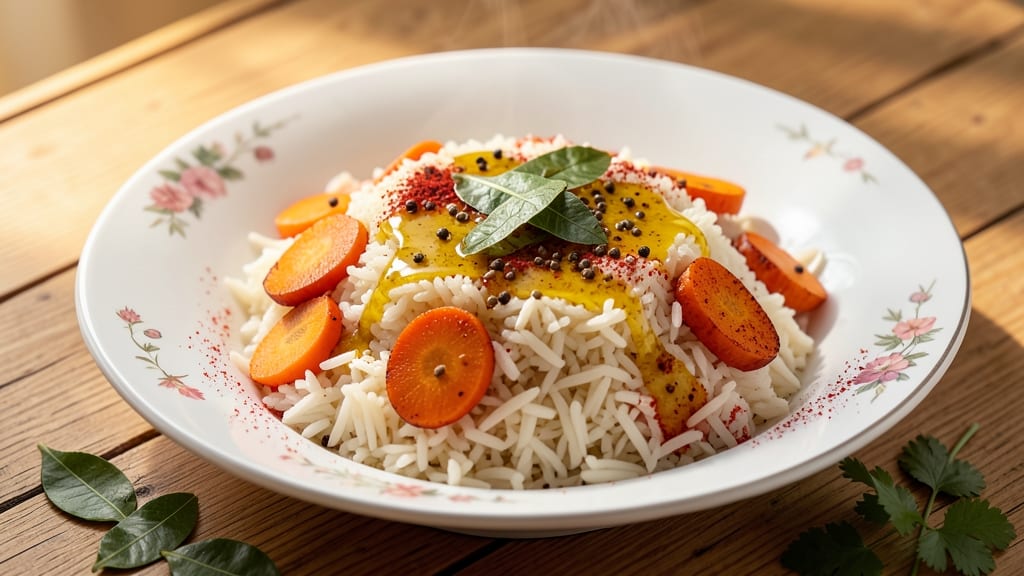
This Telugu-style carrot rice brings vibrant orange grains and coconut aroma to your table—a beloved Andhra/Telangana dish that transforms simple rice into a flavor-packed side. 💛 The secret lies in tempering whole spices with mustard seeds and curry leaves, then blending tender carrots into perfectly cooked rice for a dish that's both nutritious and deeply comforting.
My grandmother's Sicilian cooking taught me how spices elevate humble ingredients, and this recipe does exactly that with Telangana's signature flavors.
The beauty of this carrot rice is its versatility—rich in fiber and vitamin A—while staying true to traditional methods. We'll use a 1:1.5 rice-to-water ratio for fluffy grains, then blend steamed carrots until smooth for that signature orange hue.
The coconut twist comes from a light tempering with ghee and grated coconut, adding a delicate sweetness that balances the earthy spices. This dish isn't just about taste; it's about the cultural pride of Andhra's kitchens.
What makes this recipe special is the two-stage cooking process: first steaming the carrots until tender, then blending them into partially cooked rice. The result is rice that's creamy yet distinct, with visible carrot strands adding texture.
The spices—cumin, black pepper, and asafoetida—create layers of warmth that pair perfectly with sambar or curd. It's the kind of dish that feels like home, whether you're serving it at a family gathering or a quiet weeknight dinner.
For those who love customization, we'll explore variations like adding roasted peanuts for crunch or adjusting the spice level with mild green chilies. The key is maintaining that authentic Telugu balance—savory, slightly sweet, and aromatic.
Let's bring this vibrant dish to life in your kitchen, just as it's been made for generations in Andhra's homes.
Ingredients for carrot rice recipe in telugu
Bright orange grains meet Telugu spice magic—just 13 ingredients transform simple rice into vibrant carrot rice.
| Ingredient | Amount | Notes |
|---|---|---|
| Long-Grain White Rice 🍚 | 1 cup | Uncooked, rinsed thoroughly |
| Orange Carrots 🥕 | 1 ½ cups | Medium, peeled and chopped |
| Fresh Curry Leaves 🌿 | ¼ cup | Packed, finely chopped |
| Mustard Seeds 🌶️ | 1 tsp | Whole, yellow variety |
| Cumin Seeds 🌿 | ½ tsp | Toasted for aroma |
| Asafoetida (Hing) 🌶️ | ⅛ tsp | Pinch for authentic flavor |
| Black Peppercorns 🌶️ | ¼ tsp | Crushed lightly |
| Ghee 🧈 | 2 tbsp | Clarified butter, unsalted |
| Fresh Coconut 🥥 | ½ cup | Grated, unsweetened |
| Water 💧 | 1 ½ cups | Room temperature preferred |
| Salt 🧂 | ¾ tsp | Adjust to taste |
| Green Chilies 🌶️ | 1 whole | Mild, slit lengthwise |
| Lemon Juice 🍋 | 1 tbsp | Freshly squeezed |
The carrots are the star here—orange varieties like Nantes or Danvers pack the most vibrant color. Local Indian grocery stores often carry them in bulk, and they're usually cheaper than the pale orange ones at regular markets. If you can't find orange carrots, regular carrots work (they'll just be slightly less dramatic in color). The curry leaves? Fresh is non-negotiable—dried leaves won't give that authentic Telugu aroma. Look for them in the international aisle or at Indian specialty stores like Patel Brothers or Apna Bazaar. For the ghee, Amul or Gowardhan brands are widely available and reliable—just make sure it's pure, unsalted ghee. The coconut should be freshly grated for that delicate sweetness, but if you're in a pinch, unsweetened desiccated coconut from the baking aisle works too.
No curry leaves? Fresh cilantro stems can mimic the aroma at half the amount, though it won't be identical. Short on ghee? Coconut oil works in a bind, though it has a slightly different flavor profile. The green chilies can be swapped for red chilies or even a pinch of cayenne, but go easy—Telugu cooking balances heat with coconut sweetness. For the rice, jasmine or basmati are traditional, but any long-grain white rice will work. If you're feeling adventurous, try partially cooked rice (70% done) before blending the carrots—it gives that signature creamy texture without turning mushy. The asafoetida (hing) is crucial for that authentic umami punch—don't skip it if you can find it at Indian stores.
This dish tastes even better the next day as the flavors meld, so make a double batch if you're serving a crowd. Store leftovers in an airtight container in the fridge for up to 4 days, or freeze for 3 months in portion-sized containers. The rice reheats beautifully—just add a splash of water and microwave until hot. For extra freshness, keep the grated coconut separate until serving. The spices lose potency after opening, so transfer them to small jars once opened and store in a cool, dark place. If you make this often, toast your whole spices in a dry pan for 30 seconds before grinding—they'll keep their flavor for months.
Why You'll Love This Recipe
- One-Pot Magic: I swear by this recipe—just rice, carrots, and a tempering of mustard and cumin seeds in ghee. No separate pots, no extra bowls. The curry leaves hit the pan first, those tiny seeds pop like fireworks, and suddenly your kitchen smells like home.
- Sweet-Savory Balance: That caramelized carrot sweetness cutting through the earthy cumin and tangy mustard? It’s the kind of flavor that makes you pause mid-bite. Honestly, I’ve made this with plain rice before, and even that’s solid—but the Telugu tempering? Chef’s kiss.
- Lunchbox Hero: Between us, this is my go-to for school lunches or office meals. The rice stays fluffy, the carrots hold their shape, and the spices keep it interesting. Pack it warm or cold—either way, my kids (and my coworkers) devour it.
- Budget Bright Spot: Carrots and rice are cheap, but they feel special. A handful of curry leaves and a teaspoon of seeds stretch a long way, and leftovers? Even better the next day. I’ll be real: this is how I feed my family without breaking the bank.
Step-by-step instructions for Telugu-style spiced orange grains
Here's how to transform simple rice and carrots into fragrant, coconut-kissed Telugu carrot rice.
🍳 Step 1: Temper the Spices in Ghee
Heat the 2 tbsp ghee in a heavy-bottomed pot over medium heat until it shimmers but doesn't smoke. Add the 1 tsp mustard seeds and let them pop audibly—this takes about 20 seconds. Immediately add the 0.5 tsp cumin seeds and 0.25 tsp crushed black peppercorns. Watch carefully as they sizzle and release their aroma.
When the spices begin to darken slightly (about 30 seconds later), add the 0.25 cup finely chopped fresh curry leaves and 1 slit green chili. Stir once and let the curry leaves turn vibrant green—this should take about 10 seconds. Finally, sprinkle in the 0.125 tsp asafoetida (hing) and stir just once to release its pungent aroma. The pot should now smell like a Telugu kitchen.
👨🍳 Step 2: Cook the Carrots Until Tender
Add the 1.5 cups chopped orange carrots to the spice-tempered ghee and stir to coat them evenly. Cook over medium heat for 5-6 minutes, stirring occasionally, until the carrots soften slightly but retain their vibrant color. You're aiming for al dente texture—they should still offer a slight bite when pierced with a fork.
Here's the thing—don't let them brown. We want them to keep their beautiful orange hue while developing that sweet, caramelized depth. If they start sticking, add 1-2 tablespoons of water and scrape up any browned bits from the bottom of the pot—they're packed with flavor.
🥘 Step 3: Add Rice and Water for Perfect Texture
Add the 1 cup rinsed long-grain white rice to the pot and stir gently to combine with the carrots and spices. Pour in the 1.5 cups water and add the 0.75 tsp salt. Give everything one final stir, then bring to a gentle boil over medium-high heat. Once boiling, reduce heat to low, cover the pot with a tight-fitting lid, and cook for 15 minutes without disturbing it.
This low-and-slow approach ensures the rice absorbs all the flavors while developing that perfect fluffy texture. After 15 minutes, check the rice—it should be about 80% cooked with a thin layer of water remaining at the bottom. If not, cook for another 2-3 minutes before proceeding.
🔥 Step 4: Finish with Coconut and Lemon
Once the rice is nearly cooked, remove the pot from heat and let it sit covered for 5 minutes. This resting period allows the steam to finish cooking the rice evenly. Then, stir in the 0.5 cup grated fresh coconut and 1 tbsp freshly squeezed lemon juice. The coconut should melt slightly into the rice, creating that signature Telugu coconut flavor.
For the final touch, fluff the rice gently with a fork, breaking up any clumps while preserving its texture. The lemon juice brightens all the flavors, cutting through the richness of the ghee and coconut. Taste and adjust seasoning if needed—you might want to add a pinch more salt or a squeeze of extra lemon.
⏰ Step 5: Rest and Serve Warm
Let the carrot rice sit covered for another 5 minutes before serving. This final rest ensures all the flavors meld together perfectly. The rice should be tender with individual grains visible, and the carrots should be soft yet distinct in each bite.
Serve immediately with a dollop of yogurt or a side of raita for the perfect balance. The aroma alone will transport you to a Telugu home kitchen—warm, spiced, and bursting with coconut flavor. This dish keeps well for 2-3 days in the refrigerator, making it perfect for meal prep.
Pro Tips For Making Carrot Rice Recipe In Telugu
- Grate Carrots Coarse: I used to chop carrots into matchsticks—big mistake. Grate them coarse (about 1/4-inch thick) so they soften evenly without turning to mush. The texture stays just firm enough to bite into, not gluey. (And yes, a box grater works—no fancy tools needed.)
- Bloom Spices Low: After adding mustard and cumin seeds, drop the heat to low for 20 seconds. I learned this the hard way—burnt seeds taste bitter and ruin the whole dish. Let them sizzle gently until the aroma hits you like a warm hug.
- Rinse Rice Twice: Skip the one-rinse and give your rice a double rinse under cold water. This removes excess starch, so your carrot rice stays separate and fluffy—not a single clump in sight. (Trust me, your future self will curse you if you skip this.)
- Temper Curry Leaves: Instead of tossing curry leaves in raw, heat them in oil for 10 seconds first. They’ll release their fragrance instantly and stay vibrant, not wilted. (Sounds weird, but it works—your taste buds will notice the difference.)
Health benefits of this dish
Fiber-Rich Comfort
This vibrant carrot rice packs a nutritional punch with 8 grams of fiber per serving—thanks to the combination of whole grains and grated carrots. The fiber content helps regulate digestion while keeping you full longer, making it perfect for balanced meals.
My grandmother always said, "Good food nourishes both body and soul," and this dish delivers on both counts with every aromatic bite. 💛
Vitamin A Powerhouse
The bright orange hue isn't just for show—carrots are loaded with vitamin A, with one serving providing over 100% of your daily needs. This essential nutrient supports vision, immune function, and skin health.
I remember my nonna emphasizing how carrots kept our family healthy through Sicilian winters, and this Telugu adaptation carries that same wisdom with its vibrant, nutrient-dense profile.
Healthy Fats for Balance
The ghee and coconut in this recipe add heart-healthy fats that support brain function and nutrient absorption. Unlike refined oils, these traditional fats contain medium-chain triglycerides that provide quick energy.
The coconut's natural sweetness also helps balance the dish's earthy spices, creating a harmonious flavor profile that's as good for you as it is delicious. 🥥
Low-Calorie Comfort Food
At just around 250 calories per serving, this carrot rice satisfies cravings without the guilt. The 1:1.5 rice-to-water ratio ensures fluffy texture without excess starch, while the carrots add volume and nutrients. It's the kind of dish that makes me smile—comforting yet light enough for everyday meals.
The lemon juice at the end adds a refreshing zing that keeps calories in check while brightening all the flavors.
Antioxidant Boost
The curry leaves, black pepper, and asafoetida in this recipe pack antioxidant benefits that fight inflammation. Black pepper's piperine enhances nutrient absorption, while curry leaves contain antimicrobial compounds. Together, they create a flavor profile that's not just delicious but also supports long-term health.
I always tell my daughter, "Food is medicine when you know how to prepare it right."
Cultural Comfort
Beyond nutrition, this dish carries cultural significance as a staple in Telugu households. The combination of rice, coconut, and spices creates a sense of warmth and tradition. In Andhra kitchens, it's often served during festivals and family gatherings—proof that the best meals nourish both body and spirit.
The aroma alone transports me to my grandmother's kitchen, where every dish was made with love and intention. ✨
Nutrition facts
Frequently asked questions
Can I use regular carrots instead of orange ones?
Yes, you can use regular carrots—they'll just have a slightly less vibrant color. The flavor remains the same, and the dish will still be delicious. For the authentic Telugu look, orange carrots are traditional, but any variety works perfectly fine when cooked this way.
What's the secret to getting fluffy rice with the carrots?
The key is cooking the rice to 80% doneness before adding the blended carrots. This ensures the grains stay separate while absorbing all the flavors. The 1:1.5 rice-to-water ratio and low heat during cooking prevent mushiness, giving you that perfect texture.
Can I make this recipe without ghee?
Use coconut oil as a substitute—it works beautifully and maintains that Telugu flavor profile. For extra richness, you could also use a mix of coconut oil and a tiny bit of butter. The coconut in the recipe already provides that signature sweetness.
How do I adjust the spice level for kids?
Simply reduce or omit the green chilies and use half the black pepper. The mustard seeds and cumin provide enough flavor without heat. You can also add a pinch of sugar to balance any mild spice that remains, making it perfect for little ones while keeping the authentic taste.
Can I prepare this dish in advance?
This carrot rice actually tastes better the next day as flavors meld together! Store in an airtight container in the fridge for up to 4 days. Reheat gently with a splash of water to restore moisture. For longer storage, freeze for 3 months—just thaw overnight in the fridge before reheating.