
Side Dishes
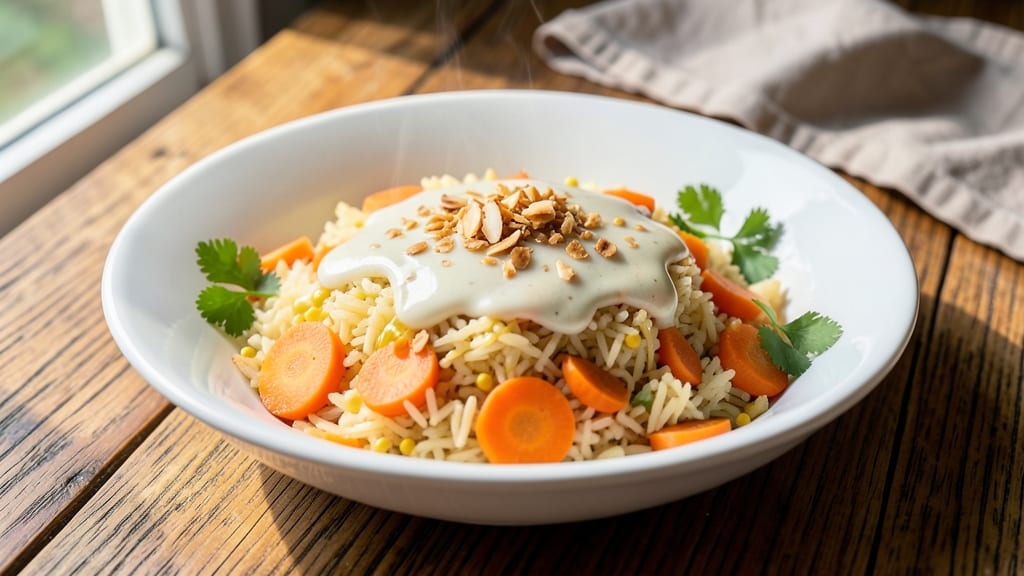
This carrot rice recipe in Tamil brings the aromatic essence of Tamil Nadu to your table, where fragrant jasmine rice meets tender carrots and a symphony of toasted spices. The secret lies in the tempering—cumin, mustard seeds, and curry leaves bloom in hot oil, releasing their earthy warmth before embracing the rice and carrots in a gentle hug of coconut milk. This dish isn’t just a side; it’s a celebration of Tamil flavors, where every grain of rice carries the tang of tamarind and the crunch of toasted coconut.
What sets this recipe apart is the balance of textures: soft, fluffy rice, slightly caramelized carrots, and the irresistible crunch of fried coconut. The method is straightforward yet precise—parboiling the rice separately ensures perfect grains, while the tempering transforms simple ingredients into a dish worthy of a festive meal.
Pair it with sambar for a complete Tamil feast, or serve it alongside raita and papad for a lighter spread. The result? A dish that’s as comforting as it is authentic, with every bite whispering of home.
Ingredients for carrot rice recipe in tamil
Jasmine rice, tender carrots, and fragrant spices create this authentic Tamil carrot rice dish.
| Ingredient | Amount | Notes |
|---|---|---|
| Jasmine Rice 🍚 | 1 cup | Uncooked, long-grain preferred |
| Carrots 🥕 | 2 cups | Medium, sliced into even pieces |
| Light Coconut Milk 🥥 | 1 ½ cups | Canned, full-fat preferred |
| Toasted Coconut Flakes 🥥 | ¼ cup | For garnish and crunch |
| Vegetable Oil 🫒 | ¼ cup | For tempering, neutral flavor |
| Yellow Mustard Seeds 🌶️ | 1 tsp | Toasted until fragrant |
| Cumin Seeds 🌿 | 1 tsp | Freshly ground for best flavor |
| Curry Leaves 🌿 | ¼ cup | Fresh, dried as substitute |
| Tamarind Paste 🍋 | 1 tbsp | Adjust for tang preference |
| Salt 🧂 | 1 tsp | Kosher or sea salt |
| Fresh Cilantro 🌿 | ¼ cup | Chopped, for garnish |
| Ghee or Coconut Oil 🫒 | 1 tbsp | For rice cooking, optional |
The jasmine rice is the foundation—Indian Basmati from the bulk section at Whole Foods or Trader Joe's works perfectly. Carrots should be vibrant orange, not woody; organic from the farmers market ensures the best flavor. For the coconut milk, full-fat canned brands like Thai Kitchen provide the richest texture. The mustard seeds and cumin are non-negotiable—they're the heart of the tempering. Penzeys Spices sells high-quality seeds if your grocery store's aren't fresh enough. Curry leaves can be tricky to find; Indian grocery stores often carry them fresh or frozen.
No tamarind paste? Lemon juice with a pinch of sugar mimics the tang, though it won't be identical. Running low on curry leaves? Dried leaves at one-third the amount work, but fresh is ideal. The coconut flakes should be toasted until golden—don't skip this step. For a quicker version, use pre-toasted flakes from the baking aisle. If you're short on time, swap carrots for sweet potatoes, though they'll change the texture slightly. The ghee adds richness, but coconut oil works just as well if you're avoiding dairy.
This dish reheats beautifully—just add a splash of water and warm through. Keeps in the fridge for 4-5 days if stored in an airtight container. For longer storage, freeze portions for up to 3 months. I like to make a double batch—the extra portion pairs perfectly with sambar the next day. The coconut flakes can be toasted ahead and stored in a sealed container for up to 2 weeks to keep them crispy.
Why You'll Love This Recipe
- One-Pot Magic: I swear by this recipe when I’m too tired to wash pots—just sauté the carrots in oil, add the rice and coconut milk, and let it simmer. The jasmine rice absorbs all that creamy coconut flavor without needing a separate pot.
- Coconut Caramel Crunch: That toasted coconut on top? It’s the secret weapon. The warm, sweet crunch cuts through the mild coconut milk, giving it this addictive texture—like a hug for your taste buds.
- Lunchbox Hero: Between us, this is my go-to for packed lunches. The rice stays fluffy for days, and the carrots keep their bite, so it’s fresh even by afternoon. My kids actually eat their veggies this way.
- Budget Brightener: Carrots and rice are cheap, but this tastes like a fancy dish. A single can of coconut milk stretches for two meals, and the toasted flakes make it feel special—no need for expensive shortcuts.
Step-by-step instructions for fragrant carrot rice
This method delivers perfectly balanced carrot rice with aromatic spices and a satisfying coconut crunch.
Prepare the Carrots and Rice
Begin by washing the 1 cup jasmine rice thoroughly under cold water until the water runs clear. Soak the rice in fresh water for 15 minutes—this removes excess starch and prevents mushy rice. While the rice soaks, peel the 2 cups carrots and slice them into even ¼-inch thick rounds. Even slicing ensures consistent cooking throughout.
Drain the soaked rice and set aside. In a large pot, combine the drained rice with the sliced carrots, 1.5 cups light coconut milk, and 1 tsp salt. The coconut milk adds natural sweetness while keeping the rice moist. Bring the mixture to a boil over medium-high heat, then immediately reduce to low heat and cover tightly with a lid. Let it simmer for 15 minutes without disturbing it—this allows the rice and carrots to absorb the coconut milk evenly.
Temper the Spices for Maximum Flavor
While the rice cooks, heat 0.25 cup vegetable oil in a small pan over medium heat. Add the 1 tsp yellow mustard seeds and 1 tsp cumin seeds, stirring constantly. The seeds will begin to pop and release their distinctive aromas—this is your signal they're ready. Immediately add the 0.25 cup curry leaves and stir for 30 seconds until the leaves darken slightly and become fragrant.
Remove the pan from heat and let the spice mixture cool for 2 minutes. This tempering process (called "tadka" in Tamil cuisine) develops the spices' flavors without burning them. Once cooled, pour the spiced oil evenly over the simmering rice mixture. Stir gently to distribute the oil and spices throughout. Return the lid and let the rice cook undisturbed for another 10 minutes—this ensures the spices infuse completely without overcooking the rice.
Cook with Tamarind and Finish with Ghee
After 10 minutes, stir in the 1 tbsp tamarind paste and mix well. The tamarind adds a subtle tang that balances the coconut milk's sweetness. Cook uncovered for an additional 5 minutes, stirring gently once, until the rice is tender and the liquid has been absorbed. You'll know it's ready when a grain of rice springs back when pressed gently between your fingers.
Remove from heat and stir in the 1 tbsp ghee or coconut oil. This final step adds richness and helps prevent the rice from drying out. Cover the pot again and let it rest for 5 minutes. This resting period allows the rice to steam and develop a light, fluffy texture. The aroma should be fragrant with notes of coconut, spices, and carrot sweetness.
Garnish and Serve Immediately
Fluff the rice gently with a fork, then transfer to a serving dish. Sprinkle the 0.25 cup toasted coconut flakes evenly over the top for texture, and scatter the 0.25 cup chopped fresh cilantro for freshness. The coconut flakes add a delightful crunch that contrasts beautifully with the tender rice and carrots.
Serve immediately while still warm. The rice should be lightly golden at the edges with vibrant orange carrots visible throughout. Each bite should deliver a harmonious blend of coconut creaminess, carrot sweetness, and aromatic spices. This dish pairs perfectly with yogurt or a simple cucumber salad for a complete meal.
Pro Tips For Making Carrot Rice Recipe In Tamil
- PARBOIL CARROTS FIRST: I learned this the hard way—raw carrots take forever to soften and turn sweet in coconut milk. Cut them into even ½-inch sticks, boil for 3 minutes, then drain. They’ll absorb the coconut flavor better and stay tender, not mushy.
- USE TWO POTS: Skip the crowded pot disaster: cook the rice and carrots separately. Parboil the rice in salted water (1:1.5 rice-to-water ratio) for 5 minutes, then drain. Meanwhile, sauté carrots in oil until just tender—this keeps the rice from turning to glue.
- SALT THE COCONUT MILK: Light coconut milk tastes bland if unsalted. Add a pinch of salt (about ¼ teaspoon) while heating it with the carrots. It balances the sweetness and makes the dish taste more like the versions you’d get at a Tamil restaurant.
- TOAST COCONUT FLAKES LAST: Save the toasted coconut flakes for the final 30 seconds of cooking. Sprinkle them in while stirring—this keeps them crispy, not soggy. (Yes, even if you’re impatient like me, resist the urge to add them earlier.)
Troubleshooting this dish
Mushy Rice Fix
If your rice turns out mushy, it’s likely because you didn’t drain the soaked rice well or disturbed it while cooking. Always rinse the rice until the water runs clear, and avoid lifting the lid during the 15-minute simmer.
For extra insurance, use 1 cup jasmine rice and 1.5 cups coconut milk—never more liquid than rice. If it’s already mushy, spread it on a tray and bake at 300°F for 10 minutes to dry it out slightly. 🥘
Carrots Staying Crunchy
Overcooked carrots? They likely cooked too long in the initial 15-minute simmer. To keep them slightly crisp, reduce the simmering time to 12 minutes and add the carrots only after the rice has absorbed most of the coconut milk.
Alternatively, blanch the carrots separately for 3 minutes before adding them to the rice mixture. This preserves their texture while still infusing flavor. 🥕
Spices Burned or Bitter
Burnt spices ruin the dish’s aromatic balance. Always temper the mustard seeds and cumin on medium heat—never high. Remove the pan from heat as soon as they pop (30 seconds max). If your spices taste bitter, they’ve oxidized.
For a quick fix, stir in ½ tsp sugar or 1 tsp honey to balance the bitterness. Fresh spices are key—store them in airtight containers away from light. 🌿
Tamarind Too Tangy
Adjust the tamarind paste gradually—start with ½ tbsp and taste as you go. If it’s too sharp, balance it with ½ tsp sugar or a pinch of salt. For a milder tang, dilute the tamarind with 1 tsp water before adding it to the rice.
If you’re short on time, swap it for 1 tsp lemon juice, though the flavor won’t be identical. 🍋
Coconut Flakes Not Crunchy
Toast your coconut flakes until golden brown—3-4 minutes in a dry pan over medium heat. If they’re soggy, they absorbed moisture from the rice. Toast them fresh before serving, or store them in a sealed container with a paper towel to absorb moisture.
For extra crunch, sprinkle them on top just before eating. 🥥
Rice Too Dry
Dry rice usually means the coconut milk wasn’t enough or the heat was too high. Next time, increase the coconut milk to 1.6 cups and simmer on low heat.
If it’s already dry, fluff it gently with a fork and add 2 tbsp warm water or coconut milk, then cover for 2 minutes to steam. Avoid overmixing—this can break the grains. 💧
Nutrition facts
Frequently asked questions
Can I use basmati rice instead of jasmine for this Tamil carrot rice?
Both jasmine and basmati work beautifully, but basmati will be slightly firmer and less fragrant. For extra authenticity, use 1 cup Indian basmati rice and increase the coconut milk to 1.6 cups to prevent dryness. The key is to rinse the rice thoroughly before cooking to remove excess starch.
How can I make this recipe vegan?
Skip the ghee and use 1 tbsp coconut oil instead. For extra richness, stir in 1 tbsp vegan butter at the end. All other ingredients are already plant-based, and the coconut milk provides plenty of creaminess without dairy.
What's the best way to store leftovers?
Let the carrot rice cool completely, then store it in an airtight container in the fridge for up to 4-5 days. For longer storage, freeze portions for 3 months. Reheat gently in a microwave with a damp paper towel or on the stovetop with 1 tbsp water to restore moisture.
Can I add protein to this dish?
Yes! Stir in ½ cup cooked toor dal or ½ cup paneer cubes during the final 5 minutes of cooking. For a seafood twist, add ½ cup cooked shrimp just before serving. The coconut milk will complement all these proteins beautifully.
Why does my carrot rice taste bland?
Bland flavor usually means the spices weren't toasted enough or the tamarind wasn't balanced. Next time, toast the mustard seeds and cumin until they're visibly popping and darkening (about 30 seconds). For extra depth, add ½ tsp garam masala at the end or a pinch of asafoetida (hing) to the tempering.