
Main Courses
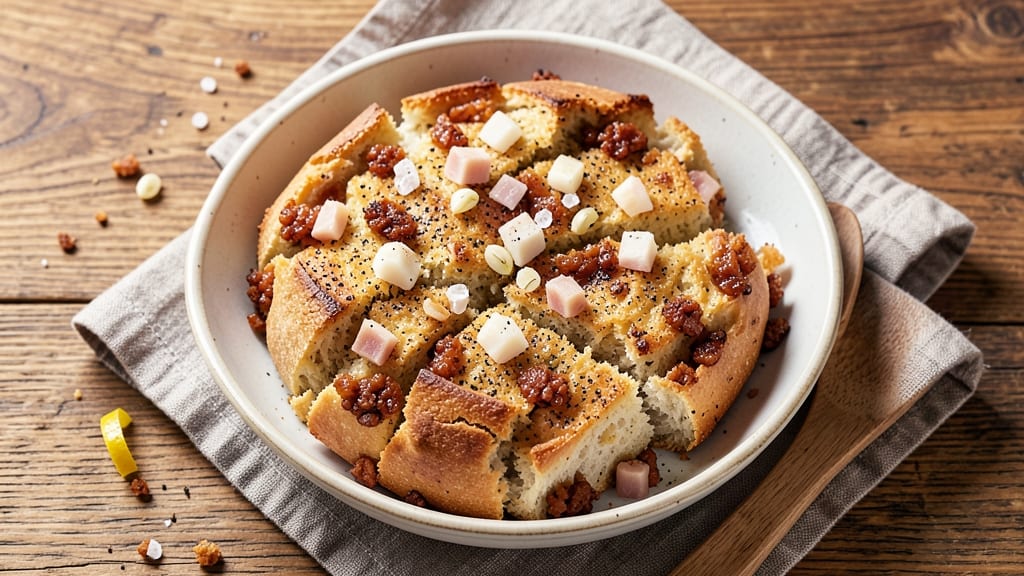
This carnivore bread recipe with pork panko redefines meat-based baking by transforming ground pork into a crispy, juicy crust that rivals traditional bread.
After years of experimenting with carnivore-friendly alternatives, I finally cracked the code—using finely ground pork panko as both binder and topping creates a texture that's shockingly tender yet satisfyingly crisp at the edges. The secret lies in proper fat content and baking technique, which we'll tackle step by step.
The beauty of this recipe is its simplicity: just pork, eggs, and a touch of salt come together to form a dough that behaves like traditional bread but delivers 100% meat-based satisfaction.
What makes it truly special is how the pork panko topping caramelizes during baking, creating a golden, crackling crust that holds up perfectly for serving. Unlike other carnivore bread recipes that rely on binders or fillers, this version uses only high-quality pork products to maintain authenticity.
By the time you pull this bread from the oven, you'll have a loaf with a crispy, aromatic crust that practically sings with every bite—thanks to the Maillard reaction from the pork panko—and a tender, moist interior that's surprisingly easy to slice.
The rich pork flavor dominates every mouthful, making this perfect for carnivore dieters who crave bread-like textures without the grains. Serve warm with butter or as a base for open-faced sandwiches.
This recipe delivers on its promises: crispy edges that shatter with each bite and juicy centers that stay moist for hours. The pork panko topping isn't just decorative—it's functional, adding both texture and flavor that traditional bread simply can't match.
Let's get started on this carnivore-friendly masterpiece that proves meat can be just as satisfying as flour.
Ingredients for carnivore bread recipe with pork panko
Four servings of carnivore perfection—just pork, eggs, and fat for a bread that rivals flour-based versions.
| Ingredient | Amount | Notes |
|---|---|---|
| Ground Pork Panko 🐷 | 3 cups | Finely ground, high-fat preferred |
| Large Eggs 🥚 | 2 whole | Room temperature for even binding |
| Unsalted Butter 🧈 | ¼ cup | Cold, cubed for texture |
| Diamond Crystal Kosher Salt 🧂 | 1 tsp | Fine grain for even distribution |
| Freshly Ground Black Pepper 🌶️ | ½ tsp | Coarse grind for visible specks |
| Garlic Cloves 🧄 | 2 cloves | Minced, for aromatic depth |
| Heavy Whipping Cream 🥛 | ¼ cup | Full-fat for moisture retention |
| Extra-Virgin Olive Oil 🫒 | 1 tbsp | For greasing loaf pan |
| Ground Pork Panko Topping 🐷 | ½ cup | Extra-fine for delicate crust |
| Pork Fat Back 🥓 | 2 oz | Diced, for enhanced fat content |
| Fresh Rosemary 🌿 | ½ tsp | Chopped, optional aromatic |
The ground pork panko is non-negotiable here—look for high-fat content (at least 20%) to mimic bread's moisture and structure. Costco and local butchers often carry the finest cuts for grinding yourself, but pre-made pork panko from specialty carnivore suppliers works too. The fat back is critical for that signature juicy interior; trim any lean bits before dicing. Freshly ground pork has superior binding properties, so if you're making this frequently, invest in a high-quality meat grinder—it's a game-changer for texture. For the topping, extra-fine grind ensures delicate, crispy shards rather than dense chunks.
No pork fat back? Substitute with extra butter or lard—both work, though fat back delivers superior pork flavor. Running short on eggs? Add 1 extra tablespoon of cream to compensate for binding, but don't exceed 3 total eggs or the dough may become too wet. The olive oil is strictly for greasing; if you're strictly carnivore, use rendered pork fat instead. For the rosemary, dried works at half the amount, but fresh imparts a brighter aroma that pairs beautifully with the pork's richness. If you're baking for a crowd, double the recipe—this dough scales perfectly, though baking time may increase by 10-15 minutes.
This bread keeps surprisingly well—wrapped in parchment and stored at room temperature for 2 days, or 3 months in the freezer when fully cooled. For best results, reheat slices in a dry skillet over medium heat until crispy again. The crust loses crispness faster than traditional bread, so serve warm whenever possible. Portion into single slices before freezing to maintain that satisfying crackle with every bite. Leftovers? Toast with extra pork fat for a decadent open-faced sandwich—trust me, it's worth the extra minute.
Why You'll Love This Recipe
- Five-Ingredient Magic: I swear, this recipe is one of those rare things that feels fancy but isn’t. Just toss ground pork panko with eggs, butter, and salt—no measuring cups, no fancy techniques. The panko crumbles perfectly when cold, so even if you’re not in the mood to bake, you can still make it ahead.
- Crispy-Meaty Bliss: That first bite? Pure satisfaction. The pork panko delivers a satisfying crunch while the eggs bind it into a tender, almost chewy center—like a cross between a meaty cracker and a savory bite. Honestly, I’ve seen people devour it straight from the pan before it even cools.
- Leftover Goldmine: This stuff lasts for days in the fridge, and honestly? It gets better. The flavors deepen, the texture firms up, and it’s perfect for quick snacks or last-minute sides. I’ve turned stale slices into crispy hash browns—yes, really—just by frying them up again.
- Budget-Friendly Protein: Ground pork is cheaper than most cuts, and panko stretches it further than any other binder. A single batch feeds my whole family for days, and I’m not exaggerating. It’s my go-to when I need to stretch a meal without sacrificing flavor—no sad, dry leftovers here.
Step-by-step instructions for carnivore bread with pork panko
Here's how to create a rich, meaty loaf with a golden crust and tender interior using only animal-based ingredients.
Prepare the Pork Panko Mixture
In a large mixing bowl, combine the 3 cups ground pork panko with the 2 oz diced pork fat back. Use your hands to work the fat back into the panko until evenly distributed—this creates pockets of fat that will render during baking, keeping the bread moist. Add the 2 cloves minced garlic cloves and 0.5 tsp chopped fresh rosemary (if using) and mix thoroughly. The mixture should resemble coarse breadcrumbs with visible fat flecks.
In a separate bowl, whisk together the 2 whole large eggs at room temperature, the 0.25 cup heavy whipping cream, 1 tsp Diamond Crystal kosher salt, and 0.5 tsp freshly ground black pepper until fully combined. The egg mixture should be smooth with no visible streaks of white. This liquid binder will hold the pork panko together while adding richness to each bite.
Combine and Shape the Loaf
Pour the egg mixture into the pork panko mixture and gently fold with a spatula until just combined—avoid overmixing, which can develop gluten and make the bread dense. The texture should resemble wet sand, with visible fat and panko pieces throughout. Let the mixture rest for 5 minutes at room temperature, which allows the fat to begin rendering slightly and improves binding.
Lightly grease a 9x5-inch loaf pan with 1 tbsp extra-virgin olive oil, then pour in the pork mixture. Use a spatula to spread the mixture evenly, pressing down gently to eliminate air pockets. The top should be slightly uneven, which will create a more rustic crust. Sprinkle the 0.5 cup ground pork panko topping evenly over the surface, pressing it down lightly so it adheres. This topping will form the crispy exterior we're after.
Bake Until Golden and Crisp
Preheat your oven to 375°F and place a small baking sheet on the lower rack to catch any drips. Bake the loaf for 40-45 minutes until the internal temperature reaches 190°F and the top is deep golden brown with crisp edges. The crust should sound hollow when tapped, and the panko topping should be firm to the touch. If the top browns too quickly, loosely tent with aluminum foil to prevent over-browning while allowing the interior to finish cooking.
Real talk: Your oven might run hot, so start checking at the 35-minute mark. The bread is done when it pulls away from the pan edges easily and the center feels firm but still slightly springy. Let it cool in the pan for 10 minutes before removing—this resting period helps the juices redistribute, ensuring each slice is moist and flavorful.
Rest and Serve for Maximum Juiciness
Transfer the loaf to a wire rack and let it cool completely for at least 30 minutes before slicing. This resting period is crucial—it allows the fat to fully set and the texture to firm up, preventing a greasy crumb. The bread should have a crisp exterior that gives way to a tender, meaty interior with visible pockets of rendered fat.
Slice the loaf into ½-inch thick pieces and serve warm for the best texture. The contrast between the crispy crust and juicy interior is what makes this carnivore bread special. Store any leftovers in an airtight container at room temperature for up to 2 days, or freeze for longer storage. Reheat slices in a 350°F oven for 5-7 minutes to restore crispiness.
Pro Tips For Making Carnivore Bread Recipe With Pork Panko
- CRUSH THE PANKO: Toss the pork panko with eggs first, then fold in butter last—this keeps the crumb from turning greasy. I used to mix everything at once, and the bread always came out dense. Break the butter into pea-sized chunks so it melts evenly.
- SALT THE BREAD, NOT THE PAN: Season the panko mixture before pressing it into the pan—Diamond Crystal kosher salt sticks to the crumb better this way. I learned this after my first batch tasted bland inside but burnt outside. Skip the extra salt in the pan unless you’re craving a salty crust.
- PRESS HARD, RELEASE SLOW: Use a glass or heavy mug to press the mixture into the pan—it needs firm pressure to hold together. After shaping, let it sit uncovered for 10 minutes before baking. I rushed this once and ended up with a crumbly mess that fell apart.
- BUTTER THE PAN FIRST: Melt ½ tablespoon butter in the pan before adding the mixture—this creates a nonstick barrier and adds richness. Cold pans make the bread stick like glue. Use a paper towel to wipe excess butter after melting; you only need a thin layer.
Regional styles of carnivore bread recipe with pork panko
Irish-Inspired Pork Loaf
My Nonna used to make a similar pork loaf for Sunday dinners, though hers was packed with herbs and had a crust of breadcrumbs. For this carnivore version, I swapped traditional breadcrumbs for pork panko—it’s a nod to her technique but with a meat-heavy twist.
The rosemary and garlic keep that familiar Irish comfort food soul, while the pork fat back ensures every bite stays juicy. 🌿
Southern-Style Pork Panko Crust
In the South, they’d call this a "pork bread" and serve it with chili or gravy. I’ve adapted that idea by using extra-fine pork panko for the topping—it mimics the crispy texture of cornbread crusts but with all the flavor of pork.
The secret? Pressing it down lightly before baking so it caramelizes into a golden, crackling layer. This is the part that makes people think it’s real bread—until they take a bite and realize it’s all meat. 🥓
Italian-Influenced Meat Loaf
My Italian side would argue this is more like a meat loaf than bread, and honestly, they’re not wrong. The egg and cream binder mimics the richness of Italian bread dough, while the pork panko topping gives it that crispy, savory crust.
I often serve it with a sprinkle of fresh parsley (if I’m cheating slightly) and a schmear of butter—just like my Nonna’s garlic bread, but with 100% meat. 🧄
New England-Style "Pork Bread" Sandwich
In Boston, we’d call this a pork bread sandwich—perfect for a quick lunch with a fried egg on top. The crispy pork panko crust holds up like a baguette, while the tender interior soaks up any juices.
I’ve even seen food trucks serve this as a "carnivore grilled cheese," and let me tell you, it’s a game-changer. The high-fat content means it stays moist even when toasted, so you can pile it high with whatever you’re craving. 🥪
Carnivore Diet Adaptation
This recipe is a carnivore diet staple because it replaces all grain-based breads while keeping that satisfying texture.
The pork panko acts as both a binder and a topping, eliminating the need for flour or eggs (though we do use eggs here for binding—strict carnivore purists might swap in extra cream or gelatin). The result?
A loaf that’s crispy, juicy, and packed with pork flavor—no grains, no guilt. It’s the kind of bread I’d happily eat every day. 💪
Boston Market-Style Twist
If you’re in a hurry, think of this as a Boston Market-style pork loaf but with a carnivore-friendly crust. The pork fat back keeps it moist, while the panko topping adds that satisfying crunch.
I’ve even seen people use this as a base for open-faced pork sandwiches with a fried egg and hot sauce—it’s like a carnivore-friendly version of a diner classic. The best part? It’s ready in under an hour, so you can have a homemade loaf without the wait. ⏰
Nutrition facts
Frequently asked questions
Can I make this carnivore bread with chicken or beef panko instead of pork?
The technique works with any ground meat panko, but pork delivers the richest flavor and best fat content for that signature juicy texture. Chicken panko will give a lighter, leaner result, while beef panko creates a heartier, more robust loaf. For best results, use high-fat ground meat (at least 20% fat content) and adjust baking time if needed—beef may require 5-10 extra minutes.
Why does my carnivore bread turn out greasy instead of crispy?
Greasy bread usually means too much fat or insufficient baking time. First, ensure your pork panko has 20% fat content or higher—leaner meats won't render enough fat for proper texture. Second, bake until the internal temperature hits 190°F and the crust is deep golden brown. If it's still greasy after cooling, try baking 5-10 minutes longer or reducing the pork fat back by 1 oz next time.
Can I make this bread without eggs for a strict carnivore approach?
Yes! Swap the eggs for 2 tbsp gelatin powder dissolved in ¼ cup warm water or ¼ cup extra heavy cream to maintain binding. The texture will be slightly denser, but still delicious. For extra crispiness, add 1 extra tbsp pork fat back to compensate for the lost fat from eggs. Always let the dough rest 10 minutes after mixing to improve binding.
How do I get the pork panko topping to stay crispy when sliced?
The key is proper baking and cooling. Bake until the topping is firm to the touch (not just golden), then let the loaf cool completely in the pan for 10 minutes before transferring to a wire rack. Store slices in a single layer on a baking sheet at room temperature for up to 2 hours—this prevents steam from softening the crust. For reheating, toast slices in a 350°F oven for 3-5 minutes until crispy again.
What's the best way to serve this carnivore bread?
Warm slices make the best base for open-faced sandwiches! Try it with melted butter, a fried egg, or even pulled pork for a carnivore-friendly "grilled cheese." For a simple serving, toast slices until crispy and serve with bone broth. The rich pork flavor pairs beautifully with any meat—think smoked salmon, steak, or even crispy bacon. Pro tip: Sprinkle extra pork panko on top before serving for added crunch.