
Main Courses
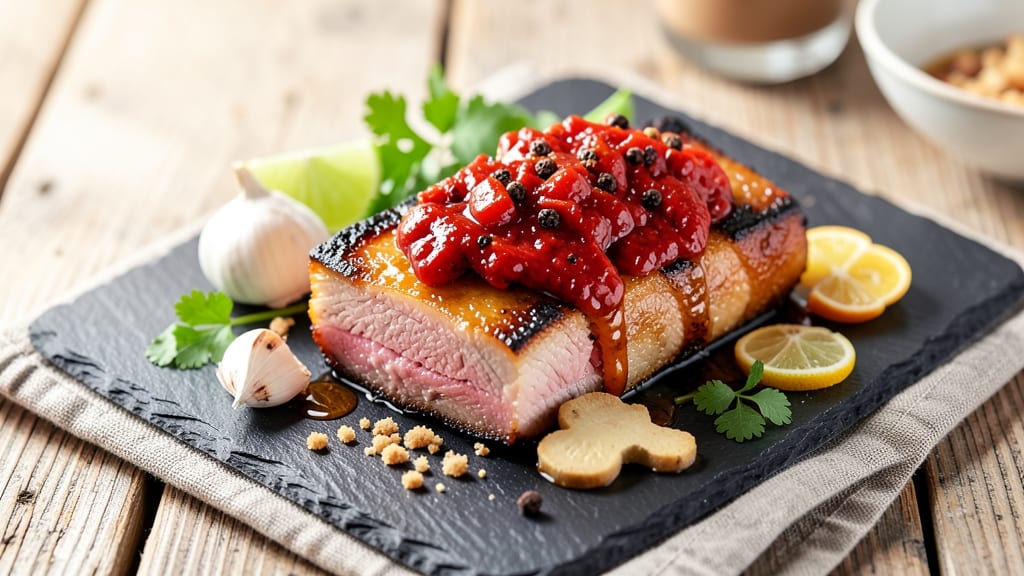
This Caribbean pork belly recipe delivers the perfect balance of crispy bark and juicy shreds, infused with warm rum-spiced flavors that transport you to a tropical island. 🌴 I developed this dish after years of perfecting pork belly techniques, blending traditional Caribbean seasonings with modern cooking methods for restaurant-quality results at home.
The secret lies in a marinade of dark rum, Scotch bonnet peppers, and allspice, which tenderizes the meat while building deep, complex flavors. We'll slow-cook the pork belly until it's fork-tender, then finish it with a high-heat sear to create that prized crispy exterior.
The result? Melt-in-your-mouth pork that's perfect for tacos, sandwiches, or serving with rice and peas.
What makes this recipe special is its versatility - you can adapt the cooking method to your kitchen (oven, grill, or even sous vide) while maintaining authentic Caribbean flavors.
The rum-spiced bark adds a sweet, smoky depth that pairs beautifully with the tender meat inside, creating a dish that's both comforting and exciting.
Serve with traditional sides like fried plantains or a cooling mango salsa to complete the Caribbean experience. This recipe proves that with the right technique and ingredients, you can achieve restaurant-quality pork belly at home. Let's get started on creating this flavor-packed masterpiece.
Ingredients for caribbean pork belly
These 14 ingredients transform simple pork belly into restaurant-quality Caribbean masterpiece.
| Ingredient | Amount | Notes |
|---|---|---|
| Pork Belly 🍖 | 2 lb | Skin-on, thick-cut preferred |
| Dark Rum 🍹 | ½ cup | 40% ABV minimum for depth |
| Scotch Bonnet Peppers 🌶️ | 2 whole | Seeds removed for mild heat |
| Allspice Berries 🌿 | 1 tbsp | Ground for convenience |
| Garlic Cloves 🧄 | 6 cloves | Peeled, smashed slightly |
| Fresh Ginger 🌿 | ½ cup | Finely grated, skin removed |
| Thyme Leaves 🌿 | ¼ cup | Fresh, stems removed |
| Scallions 🧅 | 4 whole | White and green parts |
| Brown Sugar 🍚 | ¼ cup | Packed, light variety |
| Olive Oil 🫒 | ¼ cup | Extra-virgin for richness |
| Diamond Crystal Kosher Salt 🧂 | 1 ½ tbsp | For curing and seasoning |
| Ground Black Pepper 🌶️ | ½ tsp | Freshly cracked |
| Apple Cider Vinegar 🍎 | 1 tbsp | For marinade acidity |
| Fresh Lime Juice 🍋 | ¼ cup | Brightens flavors |
The pork belly is non-negotiable—skin-on, thick-cut gives you that prized crispy bark. Costco or Whole Foods carry excellent cuts, but any butcher will trim it to your needs. Look for good marbling—white fat streaks mean juicier meat. The Scotch bonnet peppers are the secret weapon here; Trader Joe's or Latin markets usually stock them fresh. If you can't find them, habaneros work in a pinch (use half the amount). The allspice berries? Penzeys Spices sells them whole—crush them yourself for maximum punch.
No dark rum? Spiced rum or even bourbon will work, but the caramel notes from dark rum are essential. Fresh ginger loses flavor fast, so buy it small and grate it fresh—pre-grated tastes like sawdust. The brown sugar isn't just sweetness; it helps caramelize the skin. Trader Joe's sells organic light brown sugar in bulk, which keeps better. For the lime juice, Mexican limes (key limes) have more tartness, but regular limes work fine. The marinade needs 24 hours to work its magic, so don't skip this step—trust me on the full overnight soak.
The pork belly marinade keeps 3 days in the fridge, but the flavor peaks after 24 hours. Once cooked, the crispy bark stays good for 2 days if wrapped tightly in foil. For leftovers, shred the meat and store it separately from the crackling—freeze the crackling in a single layer before bagging to keep it crisp. The marinade makes enough for two batches, so double it if you're feeding a crowd. The cooked pork belly reheats beautifully—400°F oven for 10 minutes restores that crispy texture.
Why You'll Love This Recipe
- One-Pan Magic: I swear by this—just score the pork belly, toss it in a hot pan with the rum and garlic, and let it do its thing. No chopping, no fuss, and that caramelized crust forms while you’re still deciding what to drink.
- Flavor Bomb: The Scotch bonnet and allspice? Chef’s kiss. That smoky-sweet heat lingers like a good memory, and the rum adds this deep, boozy richness that turns simple pork into something you’d pay double for at a restaurant.
- Leftover Luxury: This isn’t one of those meals that turns sad after day two. The pork stays tender, the flavors deepen, and I’ve reheated slices straight from the fridge for breakfast tacos—yes, even on a Tuesday.
- Budget Crowd-Pleaser: A single pork belly feeds four (or two very hungry people), and the spices cost pennies. Honestly, it’s the kind of dish where you’ll hear “make this again” before the plates are cleared—without breaking the bank.
Step-by-step instructions for Caribbean pork belly
Here's how to transform tough pork belly into melt-in-your-mouth perfection with crackling bark.
🔥 Step 1: Cure the Pork Belly Overnight
In a large bowl, combine the 0.5 cup dark rum, 0.25 cup brown sugar, 1 tbsp apple cider vinegar, and 0.25 cup fresh lime juice. Mix well until the sugar dissolves completely—this creates your curing brine. The rum adds depth while the acidity helps tenderize the meat.
Place the 2 lb pork belly skin-side down in a shallow dish. Pour the brine mixture over it, ensuring the meat is fully submerged. Cover and refrigerate for 12-24 hours. This step is crucial—it breaks down collagen and infuses flavor. Don't skip it (I learned the hard way when I tried to rush this).
👨🍳 Step 2: Make the Spice Rub
While the pork belly cures, prepare the spice rub by grinding the 1 tbsp allspice berries in a spice grinder until finely powdered. In a small bowl, combine the ground allspice with 0.5 cup fresh ginger, 0.25 cup thyme leaves, 1.5 tbsp kosher salt, and 0.5 tsp black pepper. Mix thoroughly until all ingredients are evenly distributed.
After removing the pork belly from the curing brine (pat it dry with paper towels), generously coat all sides with the spice rub. Press the rub into the meat so it adheres well—this ensures maximum flavor penetration. Let it sit at room temperature for 30 minutes before cooking. This resting period allows the rub to meld with the meat.
🔥 Step 3: Slow-Roast for Maximum Tenderness
Preheat your oven to 300°F. Place the pork belly skin-side up on a rack set inside a roasting pan. This elevated position allows hot air to circulate around the meat, promoting even cooking and crispy skin. Roast for 3 hours until the internal temperature reaches 195°F and the meat is fork-tender.
Here's the thing—pork belly needs patience. The low temperature breaks down collagen and renders fat slowly, creating juicy meat. Don't rush this step. If you peek, close the oven quickly to maintain temperature. The pork belly will continue cooking as it rests, so pull it out when it reaches 190°F internally.
🍳 Step 4: Crisp the Skin to Perfection
Increase oven temperature to 425°F. Remove the pork belly from the oven and place it skin-side up on a baking sheet. Let it rest for 10 minutes to redistribute juices slightly. Then, broil for 5-8 minutes until the skin is deep golden brown and crackling. Watch closely—broilers vary, so start checking at 5 minutes.
For extra crispiness, I like to use a pair of tongs to press down on the skin in sections as it broils. This helps create that coveted crackling texture. The skin should be deep mahogany in color and make a satisfying crackling sound when touched. If any spots aren't crispy enough, return to the broiler for 1-2 minutes more.
🥘 Step 5: Shred and Serve with Spiced Glaze
Transfer the pork belly to a cutting board and let it rest for 15 minutes before shredding. While it rests, make the glaze by combining 0.25 cup olive oil, 2 whole scotch bonnet peppers (finely chopped), 6 cloves garlic (minced), and 4 whole scallions (sliced). Heat in a small pan over medium heat for 3-4 minutes until fragrant.
Use two forks to shred the pork belly against the grain into ¼-inch thick slices. Toss the shredded pork with the spiced glaze and serve immediately. The result should be tender, juicy pork with a perfect balance of sweet, spicy, and smoky flavors. The crispy skin adds that satisfying contrast with every bite—this is what makes this dish truly special.
Pro Tips For Making Caribbean Pork Belly
- CRANK THE HEAT FIRST: Start your pork belly on the hottest setting your pan can handle—no, really, max it out. I used to play it safe and ended up with greasy, uneven searing. The first 3-4 minutes of direct blistering build that crispy crust you’ll want to eat with a spoon. Once the fat starts rendering like a waterfall, drop the heat to medium and let it cook through.
- PEEL THOSE ALLSPICE BERRIES: Whole allspice berries taste like chewing on a tiny pinecone—crush them lightly between your palm and a knife blade before adding. My grandmother swore by this, and she was right: the released oils infuse the pork belly with that warm, earthy depth instead of just floating on top. (Yes, even if you’re impatient like me.)
- WATCH THE RUM BURN: After searing, pour in the dark rum and let it flame up—just for a few seconds. If you walk away or rush this, you’ll end up with a sad, watery sauce instead of a rich, caramelized glaze. Keep the pan tilted slightly and use long-handled tongs to stir it back into the fat once it’s done flaring.
- SALVAGE THE SCOTCH BONNET: If the heat from the pork belly makes your Scotch bonnet too spicy to handle, toss the whole pepper (seeds and all) into the marinade or sauce. The fat and rum will mellow the fire, but you’ll still get that bright, fruity heat without the risk of biting into a live wire. (I learned this the hard way—now I wear gloves when prepping.)
Flavor customization for caribbean pork belly
Sweet Heat Balance
Adjust the spice level by controlling the Scotch bonnet peppers—remove seeds for milder heat or keep them for fiery intensity. I often add 1 tsp honey to the marinade for a subtle sweetness that balances the rum's boldness.
For extra depth, swap ½ cup dark rum with ¼ cup Jamaican rum cake crumbs soaked in ¼ cup water—this adds caramelized notes without alcohol. 🌶️
Smoky Jerk Twist
Transform this into jerk-style pork belly by adding 1 tbsp smoked paprika and 1 tsp ground cinnamon to the spice rub. Char 2 scallions and 1 Scotch bonnet pepper directly over a gas flame (or grill) until blackened, then blend into a paste with 1 tbsp olive oil.
Spread this jerk glaze on the pork belly after slow-roasting and broil for 3-4 minutes for a smoky char. Serve with lime wedges for brightness.
Tropical Fruit Glaze
Finish with a mango-habanero glaze by blending 1 cup ripe mango (peeled), 1 habanero (seeds removed), 1 tbsp lime juice, and 1 tsp honey until smooth. Simmer for 5 minutes until thickened, then brush over the shredded pork.
This adds tropical sweetness that pairs perfectly with the rum-spiced meat. For extra flair, garnish with toasted coconut flakes and cilantro. 🍍
Slow-Cooker Adaptation
For hands-off cooking, place the cured and rubbed pork belly in a slow cooker with ½ cup chicken broth and 1 tbsp brown sugar. Cook on LOW for 8-10 hours, then transfer to a baking sheet and broil for 5-7 minutes to crisp the skin.
The slow cooker method infuses the pork with subtle sweetness while keeping it tender. Perfect for weeknight meals—just add the glaze at the end. ⏳
Herb Variations
Swap thyme for cilantro or oregano in the rub for different regional flavors. For a Jamaican touch, add 1 tsp ground nutmeg and ½ tsp ground cloves to the marinade.
If you prefer a Puerto Rican profile, include ½ tsp adobo seasoning and 1 tsp dried oregano. Each herb brings unique depth—experiment to find your favorite balance.
Make-Ahead Spice Mix
Prepare the spice rub in advance and store it in an airtight container for up to 2 weeks. The flavors meld beautifully over time, making it perfect for meal prep.
I like to double the batch and keep it on hand for quick rubs on pork, chicken, or even roasted vegetables. For extra convenience, pre-grind the allspice berries and store them in a small jar—just add the fresh ingredients when ready to use. 💡
Nutrition facts
Frequently asked questions
Can I substitute regular rum for dark rum in this recipe?
You can use regular rum, but dark rum adds deeper caramelized notes that complement the pork belly beautifully. For a lighter version, use spiced rum or even bourbon, though the flavor profile will be slightly different. The key is using at least 40% ABV alcohol to help tenderize the meat properly.
How do I get the skin extra crispy?
The secret is in the final broiling step! After slow-roasting, let the pork belly rest 10 minutes before broiling at 425°F. Use tongs to press down on the skin in sections as it broils to create that coveted crackling texture. For even more crispiness, try broiling for 2 minutes per side after the initial 5-8 minutes.
What's the best way to reheat leftover pork belly?
Reheat shredded pork belly in a 400°F oven for 10 minutes with a splash of water or broth to restore moisture. For crispy skin, wrap it tightly in foil and reheat, then crisp again in the broiler for 2-3 minutes. Never microwave—it makes the meat rubbery! Store leftovers in an airtight container for up to 3 days.
Can I make this pork belly in a smoker?
Smoke the pork belly at 225°F with fruitwood (like cherry or apple) for 4-5 hours until tender, then finish with the broiling step. For extra smoky flavor, add 1 tbsp smoked paprika to the spice rub. The low-and-slow method works beautifully in a smoker, creating tender meat with a subtle wood-fired aroma.
What are the best sides to serve with this Caribbean pork belly?
Pair it with classic Caribbean sides like coconut rice, fried plantains, or mango salsa. For a heartier meal, serve with black beans and rice or sweet potato mash. The rum-spiced pork pairs especially well with cooling elements like lime crema or avocado slices to balance the richness.