
Main Courses
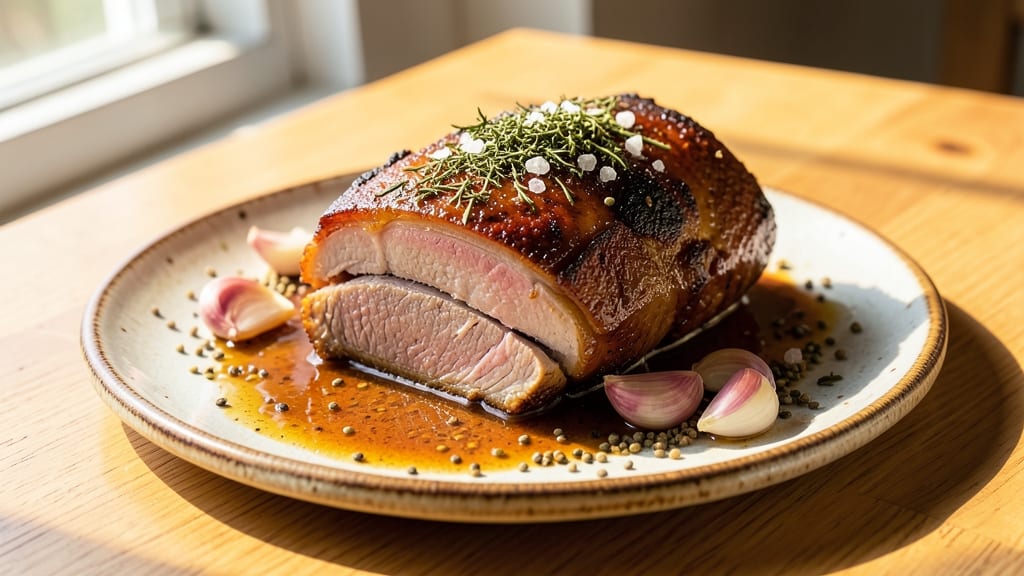
This authentic Puerto Rican pork shoulder recipe brings the bold flavors of island traditions to your kitchen, where tender, adobo-spiced meat meets crispy celery crown crunch. 🔥 As someone who's cooked pork for thousands of gatherings, I know the secret lies in slow-roasting the shoulder until it falls apart—just like my abuela used to make.
The adobo marinade, a blend of garlic, oregano, and citrus, infuses every bite with that signature Puerto Rican warmth.
The magic happens when the pork transforms into melt-in-your-mouth shreds while the celery crown adds a delightful crunch that cuts through the richness.
This isn't just a recipe; it's a celebration of technique—starting with a proper brine, then slow-cooking until the meat is so tender it nearly dissolves on your tongue.
The key is patience, something I learned the hard way after rushing a batch during a family reunion and ending up with tough, flavorless pork.
What you'll end up with is a dish that feels like a hug—juicy, aromatic, and packed with layers of flavor that transport you straight to San Juan.
The adobo-spiced pork pairs perfectly with traditional sides like arroz con gandules or crispy tostones, but it's the celery crown that really elevates the dish, adding a refreshing contrast to every bite. This is the kind of recipe that turns weeknight dinners into special occasions.
Whether you're preparing for a family gathering or simply craving a taste of home, this method delivers restaurant-quality results without the fuss. The slow-cooking process ensures deep flavor penetration, while the celery crown adds that perfect textural finish. Let's get cooking—your taste buds will thank you.
Ingredients for authentic puerto rican pork shoulder
Eight ingredients for the pork, plus five for the celery crown—simple, bold flavors that transport you straight to Puerto Rico.
| Ingredient | Amount | Notes |
|---|---|---|
| Bone-In Pork Shoulder 🐷 | 4 lb | With fat cap intact, trimmed |
| Fresh Garlic Cloves 🧄 | 8 cloves | Smushed for marinade |
| Dried Oregano 🌿 | 2 tbsp | Mexican oregano preferred |
| Adobo Seasoning 🌶️ | 2 tbsp | Homemade or store-bought |
| Ground Black Pepper 🌶️ | 1 tbsp | Freshly cracked |
| Cumin Seeds 🌿 | 1 tbsp | Toasted and ground |
| Fresh Orange Juice 🍊 | ½ cup | Freshly squeezed |
| Fresh Limes 🍋 | 2 whole | Juiced and zested |
| Celery Stalks 🧅 | 2 whole | Trimmed, cut into crowns |
| Yellow Onion 🧅 | 1 whole | Quartered, skin on |
| Bell Pepper 🍅 | 1 whole | Any color, sliced |
| Olive Oil 🫒 | ¼ cup | Extra-virgin preferred |
| Salt 🧂 | 1 ½ tbsp | Kosher or sea salt |
| Bay Leaves 🌿 | 2 whole | For slow cooking |
The pork shoulder is the heart of this dish, so don't skimp. Look for bone-in cuts with a good fat cap—that's where the flavor hides. I always grab mine from Whole Foods or my local butcher, but any grocery store with a decent meat counter will have it. The fat renders down during cooking, keeping the meat juicy. If you're buying in bulk, freeze half for next time—it keeps for up to 3 months. For the celery crown, grab the thickest stalks you can find (Trader Joe's has great ones), as they'll hold their shape better during cooking.
No Mexican oregano? Regular dried oregano works at double the amount. Short on cumin? Ground coriander at half the amount gives a similar earthiness. For the citrus, fresh is best—Rea or Florida juices are my go-tos, but whatever you've got works. The celery crown can be prepped ahead and refrigerated for 2 days before cooking. Want to skip the crown? Roast the veggies separately—they're just as delicious on the side. And if you're feeling fancy, add a splash of rum or dark beer to the marinade for extra depth.
This pork is a slow cooker's dream—8-10 hours on low or until fork-tender. The celery crown takes just 20 minutes in the oven at the end, so time it right. Leftovers? Store pork in its juices for 4 days in the fridge or 3 months frozen. The celery crown keeps for 3 days wrapped in a damp towel. Pro tip: Shred the pork while it's still hot—it's easier and more flavorful. Serve with rice and beans for the full Puerto Rican experience.
Why You'll Love This Recipe
- One-Pan Magic: I swear by this recipe because it’s that simple—just rub the pork shoulder with garlic, oregano, and adobo, then let the oven do the work. No chopping, no flipping, no stress.
- Garlic Bomb Flavor: That raw garlic and adobo blend? It’s like a flavor explosion in your mouth—savory, slightly smoky, with just enough heat to wake up your taste buds. (Yes, even on a Tuesday night.)
- Leftovers That Win: This recipe makes so much meat that you’ll have sandwiches for days. Honestly, I’ve eaten it cold, reheated, and even in tostones—it’s always a hit.
- Budget-Friendly Feast: Pork shoulder is cheap, and this method turns it into something special without breaking the bank. Between us, it’s my go-to for gatherings—everyone leaves happy, and my wallet stays full.
Step-by-step instructions for adobo-spiced pork shoulder
This is how you make Puerto Rican pork shoulder with that signature smoky-sweet depth.
🍳 Step 1: Toast and Grind the Cumin Seeds
Heat a dry skillet over medium heat and add the 1 tablespoon cumin seeds. Toast them for 2-3 minutes until they turn a deep golden brown and release their aroma—you'll smell that earthy, nutty scent. This step unlocks the cumin's full flavor potential.
Transfer the toasted seeds to a spice grinder or small mortar and pestle and grind them into a fine powder. Set aside—this aromatic base will ground your entire marinade. I like to grind them fresh because store-bought ground cumin loses its punch quickly.
👨🍳 Step 2: Build the Authentic Marinade
In a large mixing bowl, combine the ground cumin, 2 tablespoons adobo seasoning, 2 tablespoons dried oregano, 1 tablespoon freshly cracked black pepper, 1.5 tablespoons salt, and the 2 whole bay leaves. Mix these dry ingredients thoroughly to distribute the spices evenly.
Add the 0.5 cup fresh orange juice, zest and juice from 2 fresh limes, and 0.25 cup olive oil. Whisk vigorously until the marinade becomes a thick, fragrant paste—this ensures maximum flavor penetration. The acidity from the citrus will tenderize the meat while the fat from the olive oil helps carry the spices deep into the muscle.
🥘 Step 3: Prepare the Vegetables for Cooking
While the marinade rests, prepare the vegetables that will cook alongside the pork. Trim the 2 whole celery stalks and cut them into 1-inch crowns (leave the leafy tops intact). Quarter the 1 whole yellow onion skin-on, and slice the 1 whole bell pepper into 1-inch chunks. These vegetables will add sweetness and texture to your finished dish.
Smash the 8 cloves fresh garlic with the side of your knife to release their juices, then peel them. The garlic's intensity will mellow during cooking but will still provide that essential depth of flavor. Arrange all prepared vegetables on a baking sheet and set aside.
🔥 Step 4: Marinate and Sear the Pork
Rub the marinade all over the 4 lb bone-in pork shoulder, pressing it into every crevice and crack. Place the pork in a resealable plastic bag and massage it gently to ensure even coating. Let it marinate in the refrigerator for at least 4 hours (overnight is even better)—this gives the spices time to penetrate deeply.
Remove the pork from the marinade (reserve the marinade) and pat it dry with paper towels. Heat 2 tablespoons olive oil in a Dutch oven over medium-high heat. Once the oil shimmers, add the pork fat-side down and sear for 5 minutes until deeply browned. Flip and sear the other side for another 5 minutes. This initial sear creates that beautiful crust we all love.
🔥 Step 5: Slow Cook with Vegetables
Add the reserved marinade, 2 whole bay leaves, and the prepared vegetables to the Dutch oven. Pour in just enough water to come about halfway up the sides of the pork (about 2 cups). Bring to a gentle simmer, then reduce heat to low.
Cover and cook for 3 hours until the pork is fork-tender. You'll know it's ready when the meat falls apart easily and the internal temperature reaches 195°F at its thickest part. The vegetables should be soft but still holding their shape. If the liquid reduces too much, add a splash of water to keep everything moist.
🔪 Step 6: Shred and Serve with Celery Crown Crunch
Remove the pork from the pot and let it rest for 10 minutes before shredding with two forks. Discard the bay leaves and skim any excess fat from the cooking liquid. The vegetables should be tender—save the celery crowns for garnish as they'll add that signature crunch.
Serve the shredded pork topped with the reserved celery crowns for that authentic Puerto Rican touch. The tender meat should be infused with smoky-sweet flavors from the marinade, and each bite should deliver that perfect balance of spice and citrus.
Pro Tips For Making Authentic Puerto Rican Pork Shoulder
- SEAR THE FAT FIRST: Use a cold pan to render the pork shoulder’s fat slowly—no need to rush. The first 10 minutes at medium heat let the fat pool naturally, building flavor without burning. (Yes, it feels slow, but that’s how you get that rich, caramelized base.)
- SMASH THE GARLIC: Skip mincing—crush those garlic cloves with the flat side of your knife first. The released oils stick to the pork better, and the flavor infuses deeper. I learned this the hard way after my first batch tasted bland.
- DON’T SKIP THE REST: Let the pork shoulder sit under foil for 20 minutes after pulling from the oven. The internal temp will drop to 195°F, making it easier to shred. (Your future self will thank you—trust me.)
- ADOBO NEEDS TIME: Don’t dump the seasoning on and stir—let it bloom. Sprinkle adobo over the pork 10 minutes before the end of cooking, then let it sit. The spices melt into the fat, not just cling to the surface. (This is the thing that matters most.)
Wine and beer pairings for these flavors
Local Puerto Rican Wines
Puerto Rican wines are a hidden gem that perfectly complement the bold flavors of your adobo-spiced pork. I always reach for Cayey Vineyards' Cabernet Sauvignon—it has a rich, dark fruit profile with subtle spice notes that mirror the adobo seasoning.
For something lighter, try their Torrontés, which balances the dish's richness with its citrusy brightness. These wines are made from local grapes and capture the island's terroir beautifully. 🍷
Craft Beer Pairings
A well-hopped Pale Ale from Cervecería Puerto Rico cuts through the pork's fat while enhancing its smoky flavors. Their Isla Verde Pale Ale has a crisp finish that cleanses your palate between bites.
For a local favorite, try Medalla Light—its light body and subtle malt sweetness won't overpower the dish's complexity. Both options are widely available on the island and in specialty stores like Total Wine & More.
Rum-Based Cocktails
No Puerto Rican feast is complete without rum! A Piña Colada made with Bacardi Superior Rum and fresh pineapple juice adds a tropical sweetness that contrasts beautifully with the savory pork.
For something stronger, sip on a Mojito with Don Q Cristal Rum—the mint and lime refresh your palate after each rich bite. Both drinks are easy to make and instantly transport you to the island. 🍹
Light Beer for Balance
If you prefer beer, a Helles Lager like Cerveza Estrella provides a neutral backdrop that lets the pork's flavors shine. Its light maltiness won't compete with the adobo's spices, making it a great choice for those who want to focus on the dish itself.
I keep a few bottles on hand whenever I serve this recipe—it's a crowd-pleaser that pairs surprisingly well.
Non-Alcoholic Options
For non-drinkers, a mango-limeade made with fresh mango purée and lime juice offers a refreshing contrast. The tropical sweetness complements the pork's savory depth without overpowering it. I also love serving hibiscus iced tea (known locally as jamaica)—its tart, floral notes balance the dish's richness beautifully.
Both options are easy to find in Latin markets or make at home with fresh ingredients.
Nutrition facts
Frequently asked questions
Why does this recipe use bone-in pork shoulder instead of boneless?
The bone-in cut stays juicier during slow cooking because the bone helps retain moisture and adds rich flavor to the cooking liquid. The bone also gives the meat structure, preventing it from becoming mushy. For best results, always choose a cut with a good fat cap—this fat renders down during cooking, keeping the meat tender and flavorful.
Can I substitute Mexican oregano if I don't have it?
Yes, but use double the amount of regular dried oregano. Mexican oregano has a stronger, slightly bitter flavor that's essential for authentic Puerto Rican dishes. If you can't find it, try a blend of ½ teaspoon dried thyme and ½ teaspoon dried marjoram for a similar effect, though the flavor won't be identical.
How do I know when the pork shoulder is fully cooked?
Use a meat thermometer to check the internal temperature at the thickest part—it should reach 195°F for perfect tenderness. The meat should also fall apart easily when tested with two forks. If you don't have a thermometer, cut into the thickest part and check for doneness: the juices should run clear, and the meat should pull away from the bone effortlessly.
What's the best way to reheat leftover pork?
Slowly reheat in a skillet over low heat with a splash of water or broth to keep it moist. Never microwave directly—it makes the meat rubbery. For best results, shred the pork while still warm, then reheat in small batches until heated through. You can also reheat it in the oven at 300°F for 15-20 minutes covered with foil.
Can I make this recipe in a slow cooker?
Follow the same steps for marinating and searing, then transfer everything to a 6-quart slow cooker and cook on low for 8 hours or high for 5-6 hours. The slow cooker's gentle heat will create tender, flavorful pork. Just be sure to add enough liquid (about 1 cup) to prevent drying out, and check occasionally to add more if needed.