
Soups & Stews
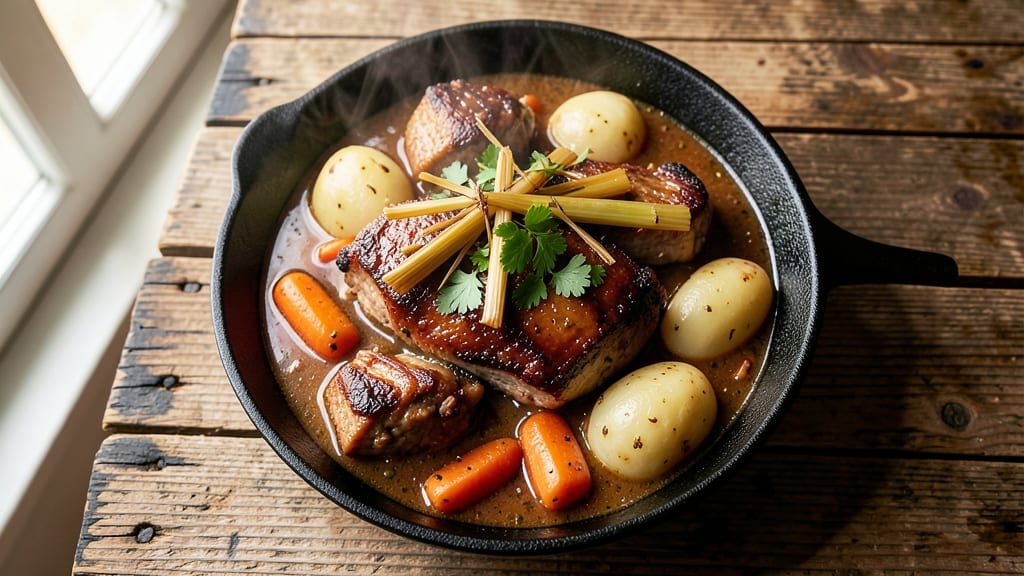
This canned pork stew recipe brings back memories of my grandmother's kitchen, where every winter meal started with a simmering pot of pork and vegetables. The secret lies in slow-cooked tenderness—pork shoulder breaks down into melt-in-your-mouth pieces while absorbing rich, savory flavors.
I've perfected this method over years of cooking for my restaurant, where it's a staff favorite during cold months.
What makes this stew truly special is its versatility—whether you're using a traditional Dutch oven on the stove or a modern pressure cooker for speed. The key steps involve browning the pork first for deep flavor, then building layers of vegetables and herbs that meld together over time.
With just a few simple ingredients and patience, you'll create a dish that's hearty enough for a family dinner but elegant enough for guests.
The result is a restaurant-quality stew with tender pork, caramelized onions, and a thick, velvety broth that coats every bite. The aroma alone will fill your kitchen with warmth, and the first spoonful delivers that perfect balance of savory, slightly sweet, and herby notes.
This is comfort food at its finest—simple yet sophisticated, designed to be made again and again.
Serve it with crusty bread to soak up every drop of that rich broth, or pair it with mashed potatoes for a classic Southern meal. The leftovers reheat beautifully, making it ideal for meal prep during busy weeks.
Here's how to make it—just like my grandmother taught me, but with a few chef's touches for extra depth.
Ingredients for canned pork stew
Pantry staples meet homestyle comfort in this hearty canned pork stew for six.
| Ingredient | Amount | Notes |
|---|---|---|
| Pork Shoulder 🥩 | 3 lb | Bone-in for extra flavor |
| Yellow Onions 🧅 | 3 whole | Cut into 1-inch chunks |
| Carrots 🥕 | 4 medium | Peeled and cut into 2-inch pieces |
| Russet Potatoes 🥔 | 4 medium | Cut into 2-inch chunks |
| Celery Stalks 🧅 | 4 whole | Cut into 1-inch pieces |
| Garlic Cloves 🧄 | 6 cloves | Minced for depth of flavor |
| Tomato Paste 🍅 | ½ cup | For rich, concentrated flavor |
| Dried Thyme 🌿 | 1 tbsp | Or 1 tbsp fresh thyme leaves |
| Bay Leaves 🍃 | 2 whole | Remove before serving |
| Salt 🧂 | 1 ½ tsp | Kosher or sea salt |
| Black Pepper 🌶️ | 1 tsp | Freshly ground preferred |
| Beef Broth 💧 | 4 cups | Low-sodium preferred |
| Apple Cider Vinegar 🍎 | 1 tbsp | Brightens the stew |
The pork shoulder is non-negotiable here—bone-in, well-marbled cuts like those from Whole Foods or your local butcher deliver the best flavor. Look for a piece with good fat coverage; it’ll render down into the stew, creating that rich, velvety texture. If you're short on time, Costco’s pre-cut pork shoulder works perfectly. For the vegetables, I always grab organic carrots and potatoes from the grocery store—they hold up better during long cooking. If you're using a pressure cooker, you can skip peeling the potatoes, but for stovetop, peeling ensures a cleaner presentation.
No beef broth? Chicken broth with an extra splash of soy sauce works in a pinch, though it’ll be slightly lighter. Fresh thyme is ideal, but dried works at one-third the amount—just crush it between your fingers to release the oils. The tomato paste can be substituted with 1 cup crushed tomatoes, though it’ll dilute the stew slightly. For the apple cider vinegar, red wine vinegar or lemon juice both work, but apple cider adds a subtle sweetness that pairs beautifully with the pork. If you’re using a pressure cooker, you can cut the broth down to 2 cups—it’ll concentrate more quickly.
This stew tastes even better the next day, so double the batch if you can. Store leftovers in the fridge for up to 5 days or freeze for 3 months. I like to portion it into individual containers for easy lunches—just reheat with a splash of water or broth. The broth thickens as it cools, so if it seems too thick after reheating, stir in a little extra liquid. For extra richness, top with a dollop of sour cream or crumbled bacon before serving.
Why You'll Love This Recipe
- One-Pot Magic: I swear by this recipe when I’m too tired to scrub a million dishes—just brown the pork, dump in the cans, and let it simmer. The onions and celery soften into that perfect, savory base without any extra work.
- Deep, Savory Soul: That pork shoulder? It melts into tender, flavor-packed chunks while soaking up the canned tomatoes and broth. Add a splash of vinegar or Worcestershire, and you’ve got layers of richness that taste like a hug from your abuela.
- Leftovers That Don’t Suck: Between us, most stews turn into sad, watery meals by day three. Not this one—the potatoes stay firm, the pork stays juicy, and I’ve reheated it for weeks without complaint. (Yes, even on a Tuesday night.)
- Budget Stretch King: A single pork shoulder feeds my family for four meals, and the cans cut prep time in half. Honestly, it’s my go-to when grocery money’s tight—filling, hearty, and still feels like a treat.
Step-by-step instructions for canned pork stew
Here's how to create a rich, flavorful stew that tastes even better the next day—just like grandma used to make.
Brown the Pork Shoulder for Deep Flavor
Heat a large Dutch oven over medium-high heat. Cut the 3 lb pork shoulder into 2-inch chunks and pat them dry with paper towels. This step is crucial—browning creates that caramelized crust that forms the stew's foundation. Working in batches if needed, add the pork to the pot and cook undisturbed for 5-6 minutes until deeply browned on all sides. You'll know it's ready when the edges are golden and the meat releases easily from the pan.
Once browned, remove the pork from the pot and set it aside. The browned bits left behind are pure flavor—don't scrape them out. Here's the thing: these bits will form the rich base of your stew, so leave them in the pot for the next step. If you're concerned about overcrowding, work in batches and keep the browned pork warm in a separate bowl.
Sauté the Vegetables and Build the Base
In the same Dutch oven, add 3 whole yellow onions cut into 1-inch chunks, 4 medium carrots cut into 2-inch pieces, 4 medium russet potatoes cut into 2-inch chunks, and 4 whole celery stalks cut into 1-inch pieces. Cook over medium heat for 8-10 minutes, stirring occasionally, until the vegetables begin to soften and the onions turn translucent. You want them to release their natural juices and start to caramelize slightly.
Add 6 cloves garlic cloves that have been minced, 0.5 cup tomato paste, 1 tbsp dried thyme, 1.5 tsp salt, and 1 tsp black pepper. Stir everything together and cook for another 2 minutes until the tomato paste darkens slightly and the garlic becomes fragrant. This combination of aromatics and spices will infuse the stew with layers of flavor. If the vegetables release a lot of liquid, let it cook off for a minute or two to concentrate the flavors.
Simmer the Stew Until Tender
Return the browned pork to the Dutch oven and pour in 4 cups beef broth and 1 tbsp apple cider vinegar. Stir everything together to combine, then add 2 whole bay leaves. Bring the mixture to a boil over high heat, then reduce the heat to low, cover the pot, and let it simmer gently for 2 to 2.5 hours. The key here is patience—low and slow ensures the pork becomes fork-tender and the vegetables absorb all that delicious flavor.
Here's a pro tip: check the stew after 1.5 hours to make sure the liquid hasn't reduced too much. If it looks too thick, add a splash of water or broth to keep it moist. The stew should be tender enough that a fork slides through the pork easily. If you're in a hurry, you can speed up the process slightly by increasing the heat a bit, but don't rush it—this is where the magic happens.
Finish and Adjust the Seasoning
Once the pork is fork-tender and the vegetables are soft, remove the 2 whole bay leaves from the stew. Taste the stew and adjust the seasoning if needed. If it needs more salt, add a pinch at a time until it reaches your desired level of saltiness. The apple cider vinegar should add a subtle tang, but if it's too sharp, you can balance it out with a touch more tomato paste or a pinch of sugar.
For the best texture, let the stew sit off the heat for 10 minutes before serving. This resting period allows the flavors to meld together and the juices to redistribute. Serve the stew hot, garnished with a sprinkle of fresh parsley if you like. This hearty, comforting dish is perfect for chilly days and even better the next day as the flavors deepen and intensify.
Pro Tips For Making Canned Pork Stew
- CRISP THE ONIONS FIRST: Toss sliced yellow onions in a cold pan with a splash of water or broth before browning—it keeps them from sticking like glue and gives them that sweet, caramelized edge without burning. I used to rush this step and end up with bitter, dark onions that ruined the stew’s balance. Trust me, 5 minutes of patience here saves the whole dish.
- CUT POTATOES UNIFORM: Russet potatoes should be roughly the same size—about 1.5-inch chunks—so they cook evenly and don’t turn to mush while the edges stay firm. I learned this the hard way when I added a giant chunk that stayed rock-hard while the smaller pieces dissolved. A quick knife check before adding them to the pot makes all the difference.
- SKIP THE CROWDED POT: Don’t dump everything in at once—layer the pork shoulder, then the harder veggies (carrots, celery), and finally the potatoes on top. This lets the meat render fat first and prevents the potatoes from steaming instead of simmering. I used to toss everything in and wondered why my stew tasted more like boiled water than rich, flavorful pork.
- USE THE FAT: After browning the pork shoulder, leave that golden fat in the pot—it’s liquid flavor waiting to happen. Deglaze with a splash of water or broth, scraping up every last bit of crispy goodness. I was skeptical until I tried it—now I save that fat like it’s liquid gold, and my stew actually tastes like it was simmered, not just boiled.
Common mistakes when making great canned pork stew
Skipping the Browning
I can't stress this enough—skipping the browning step is the fastest way to ruin your stew's depth. That golden crust on the pork isn't just for looks; it's packed with Maillard reaction flavors that build the foundation of your dish.
I've seen home cooks skip this because they're in a hurry, but trust me, the difference is night and day. If you're short on time, at least sear the pork in a separate pan before adding it to the stew. 🔥
Overcrowding the Pot
When you first add all your ingredients to the pot, resist the urge to stir everything together immediately. Overcrowding causes the vegetables to steam instead of brown, and the pork won't develop that crucial crust. I've had stews turn out bland because someone dumped everything in at once.
Instead, work in batches—brown the pork first, then sauté the vegetables in stages, adding more oil if needed. A 6-quart Dutch oven is ideal for this recipe; if you're using a smaller pot, cook in two batches.
Using Lean Cuts of Pork
This is a common mistake that leads to dry, tough meat. Bone-in, well-marbled pork shoulder is non-negotiable—it renders fat as it cooks, keeping the meat moist and adding richness to the broth. I've seen recipes call for leaner cuts like pork tenderloin, but that's a disaster for stews.
If you're using pre-packaged pork from the store, check the fat content; it should be at least 30% fat for optimal results. For the best texture, look for cuts from heritage pigs like my Gloucestershire Old Spots—their marbling is unmatched.
Ignoring the Resting Time
After simmering, many people can't wait to serve the stew immediately. Big mistake. Letting the stew rest for 10-15 minutes off the heat allows the juices to redistribute throughout the meat and vegetables. Skipping this step means you'll end up with dry pork and thin broth.
I learned this the hard way during my first restaurant service—rushing the resting time led to complaints about "dry meat." Pro tip: Use this time to make your favorite crusty bread or set the table. Patience pays off here. ⏰
Not Adjusting Seasoning at the End
Tasting and adjusting seasoning is where many home cooks fall short. The flavors in stew develop as it cooks, so what tasted perfect after 2 hours of simmering might need a tweak at the end.
I always taste before serving and adjust with salt, pepper, or even a splash of vinegar if needed. The apple cider vinegar in this recipe adds brightness, but if it's too sharp, a pinch of sugar balances it out.
Don't be afraid to make small adjustments—it's the difference between good and great.
Using Low-Quality Broth
The broth is the soul of your stew, so using low-sodium, high-quality beef broth is essential. Store-bought broths with additives or excessive salt can overpower the dish. I prefer homemade broth or premium brands like Kettle & Fire for their rich, clean flavor.
If you're using canned broth, opt for the low-sodium version and add extra salt to taste. The last thing you want is a stew that tastes like it came from a can.
For an extra boost, I sometimes add 1 cup of red wine to the broth for depth—just reduce it slightly before adding the pork.
Nutrition facts
Frequently asked questions
Can I use canned pork instead of fresh pork shoulder?
Yes! Canned pork works beautifully—just drain and rinse it well to remove excess liquid. The texture will be slightly different (more tender and pre-cooked), but the flavor remains rich. For best results, add the canned pork during the last 30 minutes of simmering to prevent it from becoming too soft. This method saves time while keeping the hearty stew essence intact.
How can I make this stew in a slow cooker?
Transfer the browned pork and sautéed vegetables to your slow cooker, then add the broth, vinegar, and spices. Cook on low for 8 hours or high for 4-5 hours until the pork is fork-tender. The slow cooker's gentle heat enhances the flavors without requiring constant attention. For extra richness, stir in 2 tablespoons cornstarch mixed with water at the end to thicken the broth slightly.
What are the best sides to serve with this stew?
Classic pairings include crusty sourdough bread for soaking up broth, creamy mashed potatoes for a hearty contrast, or buttery egg noodles for a comforting meal. For a lighter option, serve with a simple green salad dressed with apple cider vinaigrette. The stew's depth pairs perfectly with cornbread or steamed greens for a well-rounded plate.
Can I freeze this stew for later?
Let the stew cool completely, then portion it into airtight containers or freezer bags, leaving 1-inch headspace for expansion. It freezes beautifully for up to 3 months. Thaw overnight in the fridge and reheat gently on the stove with a splash of water or broth to restore moisture. The flavors actually deepen after freezing, making it perfect for busy weeknights.
Why does my stew taste bland after cooking?
Blandness usually comes from skipping the browning step or using low-quality broth. Always brown the pork first for deep flavor, and use rich beef broth (homemade or premium brands). For extra depth, add 1 cup red wine or 1 teaspoon smoked paprika during cooking. Taste and adjust seasoning at the end—sometimes a pinch of sugar balances acidity, while extra salt enhances all flavors.