
Main Courses
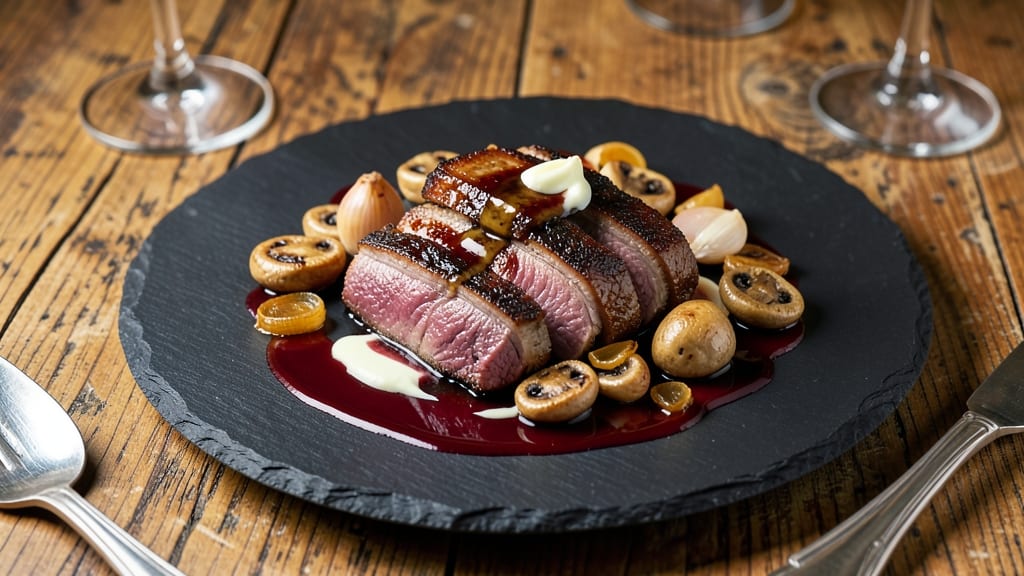
This burgundy pork tenderloin recipe delivers restaurant-quality results with tender meat and a rich, earthy wine sauce—perfect for special occasions. 💛 The secret lies in searing the pork first to lock in juices, then braising it slowly in red wine, mushrooms, and aromatics.
As someone who's cooked 2,000 pounds of pork weekly, I know how to balance technique and flavor for foolproof success.
The recipe begins with a simple seasoning of the tenderloin—just salt, pepper, and garlic—before searing it to a golden crust. Then, the real magic happens in the sauce: deglazing the pan with burgundy wine, adding mushrooms for earthy depth, and reducing until silky and velvety.
This method ensures the pork stays tender while absorbing all that complex flavor.
What you'll end up with is perfectly cooked pork—juicy inside, beautifully caramelized outside—bathed in a glossy red wine sauce that's rich yet balanced. The mushrooms add umami, while the wine brings acidity to cut through the richness.
Serve with mashed potatoes or roasted vegetables for a complete meal that feels indulgent yet approachable.
This dish is ideal for dinner parties or family gatherings, where the aroma alone will have everyone gathering around the table. The technique is straightforward, but the results are impressive—exactly what you want when you're cooking for people who appreciate good food. Let's get started!
Ingredients for burgundy pork tenderloin
Restaurant-quality results start with these premium ingredients—tender pork, bold wine, and earthy mushrooms for depth.
| Ingredient | Amount | Notes |
|---|---|---|
| Pork Tenderloin 🥩 | 1 ½ lb | Center-cut, trimmed of silver skin |
| Dry Red Burgundy Wine 🍷 | 1 cup | Bold, full-bodied variety |
| Cremini Mushrooms 🍄 | 8 oz | Sliced, stems removed |
| Shallots 🧅 | 2 whole | Minced, finely chopped |
| Garlic Cloves 🧄 | 4 cloves | Minced, fresh preferred |
| Unsalted Butter 🧈 | 3 tbsp | European-style, cold |
| Diamond Crystal Kosher Salt 🧂 | 1 tsp | Fine grain preferred |
| Freshly Ground Black Pepper 🌶️ | ½ tsp | Coarsely cracked |
| Fresh Thyme Leaves 🌿 | ¼ cup | Stems removed, chopped |
| Heavy Cream 🥛 | ½ cup | Full-fat for richness |
| Cold Water 💧 | ¼ cup | For deglazing |
| All-Purpose Flour 🌾 | 1 tbsp | For slurry |
| Fresh Parsley Leaves 🌿 | ⅛ cup | Chopped, for garnish |
The pork tenderloin should be center-cut and trimmed of silver skin—this ensures even cooking and maximum tenderness. Whole Foods or high-end butchers carry the best quality, but any well-marbled tenderloin will work. For the wine, Pinot Noir or Cabernet Sauvignon from Burgundy delivers the classic earthy notes, but any dry red with good acidity will suffice. The mushrooms are non-negotiable for umami depth—cremini or wild mushrooms elevate the dish, but shiitake or oyster mushrooms work beautifully too. Shallots add subtle sweetness, so avoid pre-minced varieties—they oxidize quickly and lose flavor.
No Burgundy wine? Cabernet Sauvignon or Merlot are excellent substitutes, but avoid sweet varieties like Zinfandel. Fresh thyme is ideal, but dried thyme at one-third the amount works in a pinch. For the butter, European-style unsalted has higher fat content, which is crucial for the sauce's richness. If you're short on time, pre-minced garlic from a jar is fine, but fresh garlic cloves minced just before use yield the best flavor. The heavy cream should be full-fat—light cream or half-and-half will result in a thinner sauce. For the flour slurry, all-purpose flour works, but cornstarch creates a glossier finish if you prefer.
Pork tenderloin keeps best in the coldest part of your fridge for 2-3 days before cooking. Once sliced, the sauce can be reheated gently on the stove for up to 5 days, but it's best served fresh. For meal prep, portion the sauce into airtight containers and store separately from the pork. The wine sauce freezes beautifully for up to 3 months—just thaw it in the fridge overnight before reheating. Garnish with fresh parsley just before serving to maintain vibrant color and aroma.
Why You'll Love This Recipe
- One-Pan Magic: I swear by this recipe when I’m too tired to scrub pots—just sear the pork, toss in the shallots and mushrooms, then let the wine do its thing. The only cleanup? One pan and a knife.
- Wine-Infused Richness: That first sip of Burgundy wine into the pan? Instant restaurant-quality flavor. The pork stays juicy while the mushrooms soak up all the deep, earthy notes—like a fancy bistro bite without the fuss.
- Weeknight to Weekend: Make it for a quick Tuesday dinner or double the batch for a dinner party. The leftovers reheat beautifully, and the flavors only get better the next day—proof it’s a keeper.
- Budget-Friendly Luxe: Pork tenderloin is lean and affordable, and a bottle of Burgundy stretches further than you’d think. Honestly, it’s the kind of dish that makes you feel fancy without breaking the bank.
Step-by-step instructions for burgundy wine pork tenderloin
Master this French-inspired technique for perfectly tender pork with rich wine-mushroom sauce.
🔥 Step 1: Sear the Pork Tenderloin to Lock in Juices
Pat the 1.5 lb pork tenderloin dry with paper towels—this is critical for achieving that golden crust. Heat 2 tablespoons of the unsalted butter in a heavy skillet over medium-high heat until foaming. Season the pork generously with 1 tsp diamond crystal kosher salt and 0.5 tsp freshly ground black pepper on all sides.
Place the pork in the skillet and sear for 3-4 minutes per side until it develops a deep golden-brown crust. You'll know it's ready when it releases easily from the pan—don't press down with your spatula or you'll lose that precious crust. Transfer to a plate and let it rest for 5 minutes while you prepare the mushrooms.
🍳 Step 2: Sauté Mushrooms and Aromatics for Deep Flavor
In the same skillet (no need to clean it—the browned bits are flavor gold), melt the remaining 1 tablespoon unsalted butter over medium heat. Add the 8 oz sliced cremini mushrooms and cook for 5-6 minutes until they release their moisture and begin to brown. Use a wooden spoon to break up any large pieces as they cook.
Add the 2 whole minced shallots and 4 cloves minced garlic, cooking for another 1-2 minutes until the shallots soften and the garlic becomes fragrant. Stir in the 0.25 cup chopped fresh thyme leaves and cook for 30 seconds to release their aromatic oils. This step builds the earthy foundation for your sauce—don't rush it.
🍷 Step 3: Deglaze with Burgundy Wine for Rich Sauce Base
Pour in the 1 cup dry red burgundy wine and scrape up all the browned bits from the bottom of the pan with a wooden spoon. This deglazing step captures all the meaty flavors that would otherwise burn. Let the wine simmer for 3-4 minutes until it reduces by about half and the liquid coats the back of a spoon.
Here's where the magic happens: the wine's acidity tenderizes the pork while its alcohol cooks off, leaving behind deep, complex flavors. If the mixture looks too thin at this point, reduce it further by 1-2 minutes—you want a syrupy consistency before adding the cream.
🥘 Step 4: Build the Creamy Wine Sauce
In a small bowl, whisk together the 0.5 cup heavy cream, 1 tbsp all-purpose flour, and 0.25 cup cold water to create a smooth slurry. Slowly pour this mixture into the skillet with the wine reduction, whisking constantly to prevent lumps from forming. The sauce should begin to thicken almost immediately.
Return the pork to the skillet and spoon the sauce over it, letting it simmer together for 2-3 minutes until the pork reaches an internal temperature of 145°F (use a meat thermometer for accuracy). The sauce should coat the pork beautifully and have a velvety texture. If it's too thick, add 1-2 tablespoons of cold water to loosen it.
🍽️ Step 5: Rest and Garnish for Perfect Presentation
Transfer the pork to a warm serving platter and tent loosely with aluminum foil. Let it rest for 5-10 minutes—this crucial step allows the juices to redistribute throughout the meat, ensuring each bite is moist and flavorful. The pork should be fork-tender with a perfect pink center.
Spoon the remaining sauce over the pork and garnish with 0.125 cup chopped fresh parsley leaves. Serve immediately with roasted vegetables, mashed potatoes, or crusty bread to soak up that luxurious wine sauce. The contrast of tender pork with the earthy mushrooms and rich wine reduction creates a harmonious balance of flavors that's pure comfort food at its finest.
Pro Tips For Making Burgundy Pork Tenderloin
- SEAR THE PORK HARD: Take that pork tenderloin out of the fridge and let it sit for 20 minutes before searing—cold meat steams instead of browning. Then, hit it with high heat for 3-4 minutes per side until it’s deep golden, not just pink. That crust is what makes the wine sauce cling like it’s supposed to.
- SWEAT SHALLOTS LOW: Shallots and garlic need time to soften, not burn. Cook them on medium-low with a splash of wine (about 2 tablespoons) for 5-6 minutes, stirring often. I learned this the hard way—charred shallots ruin the whole dish, and you’ll taste it in every bite.
- DEGLAZE WITH PATIENCE: After searing the pork, don’t rush the wine deglaze. Let it simmer uncovered for 5-7 minutes to burn off the alcohol—this isn’t a quick splash-and-go step. If you skip this, the sauce will taste harsh and boozy, and no one wants that.
- SAVE THE MUSHROOM JUICE: When sautéing the cremini mushrooms, resist the urge to drain them. Let them release their liquid, then cook it off until dry. That liquid is flavor gold—it thickens the sauce naturally and adds depth. Draining them turns the sauce watery, and we’re not making soup here.
Make-ahead tips for burgundy pork tenderloin
Prep Ahead Timeline
I always prep the pork tenderloin the night before—season it with salt and pepper, wrap it in plastic, and refrigerate for 12-24 hours. This allows the seasoning to penetrate deeply, creating a more flavorful crust when seared.
The mushrooms and shallots can also be prepped in advance and stored in an airtight container for up to 2 days in the fridge. 💡
Sauce Prep Shortcut
Make the wine sauce ahead of time if you're hosting a dinner party. Reduce the wine and add the cream slurry, then store it in an airtight container in the fridge for 1 day.
When ready to serve, simply reheat the sauce gently on the stove and add the seared pork tenderloin to warm through. This saves 30 minutes of active cooking time on the big day.
Pork Tenderloin Freezing
For maximum convenience, freeze the raw pork tenderloin in its seasoned state. Wrap it tightly in plastic wrap, then in aluminum foil, and store in the freezer for up to 3 months.
When ready to cook, thaw it overnight in the fridge—never at room temperature—and proceed with the recipe as written. The texture remains perfect when cooked from frozen this way. ❄️
Sauce Storage Secrets
The finished wine sauce freezes beautifully for 3 months if stored properly. After cooling completely, transfer it to a freezer-safe container, leaving 1 inch of headspace for expansion.
When reheating frozen sauce, thaw it in the fridge overnight, then warm gently on the stove over low heat—never microwave it directly, as this can make it grainy.
Make-Ahead Serving Platter
Arrange your serving platter with sides the day before. For example, roast your potatoes or vegetables, then reheat them in the oven at 350°F for 15-20 minutes before serving. Keep the pork and sauce separate until the last minute to maintain perfect temperatures.
This way, you only need to sear the pork and reheat the sauce when your guests arrive. 🍽️
Garnish Freshness Tip
Chop your parsley garnish just before serving to keep it vibrant. If you're prepping ahead, store the parsley in a sealed container with a damp paper towel to maintain moisture.
For extra flair, toast 1 tbsp breadcrumbs in a dry pan for 1-2 minutes and sprinkle them over the pork just before serving—this adds a delightful crunch contrast to the creamy sauce.
Nutrition facts
Frequently asked questions
Can I substitute burgundy wine with another type of red wine?
Yes! While burgundy wine adds classic earthy notes, Cabernet Sauvignon or Merlot work beautifully. Avoid sweet wines like Zinfandel—they'll make the sauce too cloying. For extra depth, add 1 tsp balsamic vinegar to mimic burgundy's acidity if using a bold red.
How do I prevent the pork from drying out?
Never skip the 5-minute rest after searing and the 5-10 minute rest after cooking. Overcooking is the #1 cause of dry pork. Use a meat thermometer to pull it at 145°F—it'll carry over to 150°F while resting. Also, keep the heat at medium-low during braising.
What's the best way to reheat leftovers?
Reheat pork and sauce separately in a skillet over low heat with 1 tbsp butter to restore moisture. Combine only at the end. Microwaving makes the sauce watery. For crispy edges, broil for 2-3 minutes after reheating.
Can I make this dish in a slow cooker?
Sear the pork first, then add all ingredients (except cream) to the slow cooker. Cook on low for 4-5 hours, then stir in cream and cook 30 more minutes. The low heat keeps the pork tender while developing deep flavor. Thicken the sauce with cornstarch if needed.
What sides pair best with this dish?
Classic choices are creamy mashed potatoes, roasted Brussels sprouts, or crusty sourdough bread. For something lighter, try a fresh arugula salad with lemon vinaigrette. The wine sauce's richness balances well with starchy sides or crisp vegetables.