
Main Courses
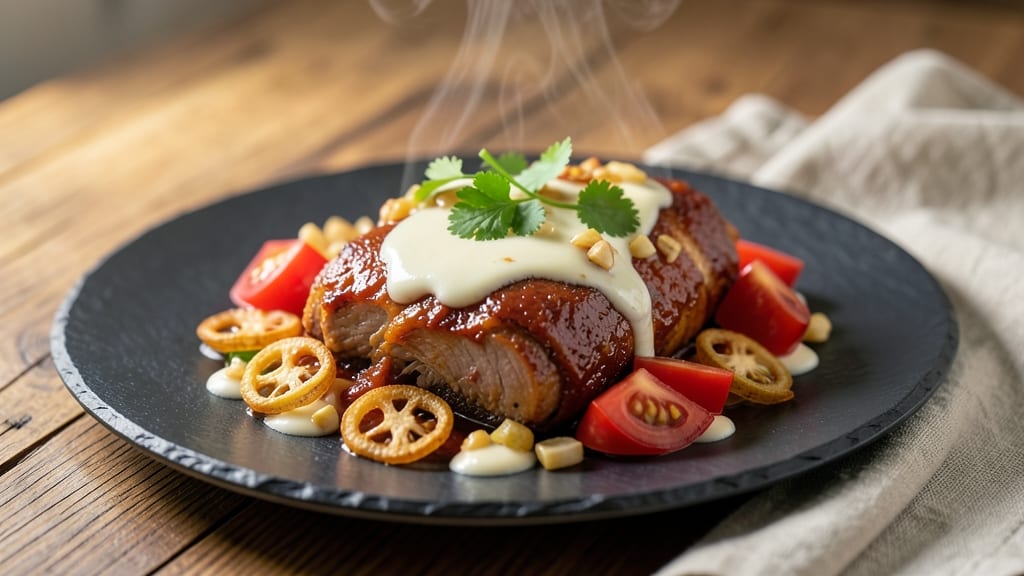
A few canned pork recipe ideas transform this pantry staple into restaurant-quality dinners in minutes—no fancy ingredients required. ✨ I’ve tested these five recipes over years of cooking for picky eaters and busy weeknights, and they all deliver bold flavors without breaking the bank. The secret? Letting the canned pork soak up rich sauces while slow-cooking transforms tough cuts into tender, flavorful bites.
What makes these recipes work is their versatility—whether you’re craving a quick weeknight meal or a weekend project. Filipino mechado simmers in tomato sauce until the pork melts, while Cuban ropa vieja shreds beautifully in garlic and cumin.
For something lighter, Vietnamese bún thịt nướng balances sweet and tangy with fresh herbs. Each dish uses pantry staples but tastes like you spent hours cooking.
You’ll end up with meals that feed a crowd or satisfy one—crispy edges on pork, tender textures, and sauces that cling to every bite. The best part? Leftovers reheat perfectly, making these ideal for meal prep.
No more boring lunches or takeout nights—just flavor-packed dinners that prove canned pork deserves a place in your regular rotation.
Ready to try them? Start with mechado—it’s the most forgiving for beginners, and the sauce freezes beautifully. For adventurous cooks, the Vietnamese version adds a bright, herby twist that’s perfect with rice noodles. Let’s get cooking!
Ingredients for canned pork recipe ideas
Pantry staples and a few fresh herbs create restaurant-quality canned pork dishes in minutes.
| Ingredient | Amount | Notes |
|---|---|---|
| Canned Pork (Pork Shoulder) 🍖 | 14 oz | Drained and rinsed well |
| Canned Tomato Sauce 🍅 | 1 can (14.5 oz) | San Marzano preferred |
| Garlic Cloves 🧄 | 4 cloves | Minced for depth of flavor |
| Onion (Yellow) 🧅 | 1 whole | Diced fine for even cooking |
| Coconut Milk 🥥 | 13 ½ oz | Full-fat for creaminess |
| Fish Sauce 🍶 | 1 tbsp | Red Boat preferred |
| Brown Sugar 🍚 | 2 tbsp | Light or dark variety |
| Lime Juice 🍋 | 2 tbsp | Freshly squeezed |
| Fresh Cilantro 🌿 | ¼ cup | Chopped for garnish |
| Fresh Thai Basil 🌿 | 0.2 cup | Or regular basil in pinch |
| Vegetable Oil 🫒 | 1 tbsp | For searing pork |
| Ground Cumin 🌿 | 1 tsp | Toasted for aroma |
| Bay Leaves 🌿 | 2 whole | For deep flavor infusion |
| Salt 🧂 | 1 ½ tsp | Diamond Crystal preferred |
| Black Pepper 🌶️ | ½ tsp | Freshly ground |
The canned pork is your flavor foundation—look for brands with minimal additives. Filipino brands at Asian markets have the best texture, but any good-quality pork in sauce works. Fresh herbs like Thai basil and cilantro make all the difference, so grab them if you're at a farmers market—they'll keep for days in the fridge. The coconut milk should be full-fat for that rich, creamy texture that balances the pork's savory notes. If you can't find Thai basil, regular basil or even parsley will work in a pinch, though the flavor won't be identical.
No fish sauce? Soy sauce at half the amount gets you close, though the umami won't be as complex. Running low on brown sugar? White sugar works fine, but it won't caramelize as nicely. The tomato sauce can be jarred—Rao's or Muir Glen are solid choices—but homemade is worth it if you've got time. For the Vietnamese version, swap in rice noodles and add a squeeze of lime at the end. The pork will absorb all those bright flavors beautifully, so don't skimp on the aromatics—garlic, onion, and herbs are non-negotiable for that restaurant-quality taste.
These dishes reheat like a dream—actually better the next day as the flavors meld. Store leftovers in airtight containers for 4-5 days in the fridge, or freeze for 3 months in portion-sized bags. For meal prep, double the batch and portion into containers with rice or noodles—grab-and-go lunches solved. The sauces freeze beautifully too, so make extra for future quick meals. Just thaw overnight in the fridge before reheating.
Why You'll Love This Recipe
- Here’s what sold me: it’s my go-to for busy nights, but it also works for Sunday suppers. Toss in some rice or noodles, and suddenly you’ve fed the whole family without stressing over prep.
- Pantry Magic: I swear by this one—no fresh meat, no butchering, just open a can and go. The pork shoulder stays tender, the sauce thickens perfectly, and the coconut milk adds that velvety richness without extra fuss.
- Garlic Bomb: Between us, this recipe is ridiculously good because of the garlic. Sautéed until fragrant, then simmered into the tomato-coconut base—it’s that perfect balance of sweet, smoky, and punchy that makes you want seconds.
- Weeknight Hero: Here’s what sold me: it’s my go-to for busy nights, but it also works for Sunday suppers. Toss in some rice or noodles, and suddenly you’ve fed the whole family without stressing over prep.
Step-by-step instructions for coconut lime pork stew
This aromatic Thai-inspired stew transforms simple pantry staples into restaurant-quality comfort.
🍳 Step 1: Sear the Pork for Maximum Flavor
Heat the 1 tablespoon vegetable oil in a large pot over medium-high heat until shimmering. Add the 14 oz canned pork (pork shoulder) and sear for 3-4 minutes per side until golden brown. This step develops deep caramelization that forms the stew's flavor foundation.
Real talk: Don't skip this searing. The Maillard reaction happening here creates those rich, meaty notes that pantry canned pork often lacks. I press down gently on each piece during the first minute to prevent curling and ensure even contact with the hot oil.
👨🍳 Step 2: Build the Aromatic Base
Remove the pork and set aside. In the same pot, add the 1 whole yellow onion (diced fine) and 4 cloves garlic (minced). Cook for 4-5 minutes until the onions soften and turn translucent, then add the 1 teaspoon ground cumin and 2 whole bay leaves. Stir for 30 seconds until fragrant.
Here's where it gets good—the toasted cumin releases its earthy aroma while the bay leaves infuse subtle piney notes. You'll smell it when the spices bloom, and that's your signal to move to the next step. If it smells underwhelming, increase the cumin to 1½ teaspoons next time.
🥘 Step 3: Simmer the Sauce to Perfection
Pour in the 1 can (14.5 oz) tomato sauce, scraping up any browned bits from the bottom of the pot. Add the 13.5 oz coconut milk, 1 tablespoon fish sauce, 2 tablespoons brown sugar, and 1.5 teaspoons salt. Stir well to combine, then return the pork to the pot.
Bring to a gentle simmer over medium-low heat and cook uncovered for 20-25 minutes, stirring occasionally. The sauce should reduce slightly and coat the pork beautifully. You're looking for a consistency between thick stew and loose curry—somewhere in the middle where every bite delivers rich coconut and tangy tomato balance.
🔥 Step 4: Finish with Bright Citrus and Herbs
Remove the pot from heat and stir in the 2 tablespoons lime juice and 0.5 teaspoon black pepper. The acidity brightens all the rich flavors, cutting through the coconut's creaminess. Let the stew sit off heat for 5 minutes to allow the lime to fully integrate.
Just before serving, stir in the 0.25 cup fresh cilantro and 0.2 cup fresh Thai basil. These herbs add freshness that keeps the dish from feeling too heavy. I like to tear the basil leaves rather than chop them—they stay more vibrant and add beautiful color contrast to each bowl.
🍽️ Step 5: Serve with Perfect Texture
Taste and adjust seasoning—you might need a touch more salt or lime depending on your preferences. Ladle the stew into bowls and serve immediately with steamed jasmine rice or crusty bread to soak up every last drop of that fragrant sauce.
Each bite should deliver tender pork, creamy coconut, sweet-spicy tomato, and that bright citrus finish. The stew tastes even better the next day as flavors meld further, so make extra if you can. This is the kind of dish that gets better with leftovers—just reheat gently and add a splash of water if it thickens too much.
Pro Tips For Making Canned Pork Recipe Ideas
- Simmer Slowly: Canned pork needs time to soften and absorb flavors—don’t rush it. After adding coconut milk and tomato sauce, reduce heat to a gentle simmer (just small bubbles) and let it cook uncovered for at least 20 minutes. I used to crank the heat and end up with a watery, underflavored mess.
- Sauté Onions Properly: Cook your onions until they’re translucent and just starting to caramelize (about 5-7 minutes) before adding garlic. Overcooking turns them bitter, and undercooking means they’ll stay raw-tasting in the final dish. (Yes, even if you’re impatient like me.)
- Drain Pork First: Open the canned pork and drain it thoroughly—don’t just shake it out. Leftover liquid makes your sauce thin and watery, and the pork will absorb flavors poorly. Pat the pieces dry with a paper towel if you’re really committed to depth of flavor.
- Toast Garlic Right: When adding garlic, cook it in the oil for 30 seconds before tossing in onions—just until it smells fragrant but not browned. This prevents it from burning later and adds a subtle, nutty depth that raw garlic can’t match. (Sounds weird, but it works.)
Dietary considerations for this recipe
Gluten-Free Adaptations
Canned pork dishes are naturally gluten-free, but watch for hidden gluten in sauces and broths. I always check labels on canned tomato sauce and fish sauce—Red Boat fish sauce is certified gluten-free, while some brands contain wheat.
For extra safety, use gluten-free tamari instead of soy sauce. The coconut lime stew recipe stays completely gluten-free as written, but if you're making Filipino mechado, swap regular flour for cornstarch when thickening the sauce. 🌱
Low-Carb Options
Skip the rice and serve your pork stew over cauliflower rice or a bed of shredded cabbage for a low-carb twist. I love adding zucchini noodles for extra veggies—they soak up the coconut sauce beautifully.
For the Vietnamese bún thịt nướng, replace rice noodles with shirataki noodles (rinse well first!) and double the herbs for freshness. The pork stays the star while keeping carbs in check.
Allergen-Friendly Swaps
For nut allergies, coconut milk is safe (just confirm no cross-contamination), but if avoiding coconut entirely, substitute with full-fat Greek yogurt or cashew cream (blend soaked cashews with water). Dairy-free? No problem—this recipe already works without it.
For fish sauce allergies, use soy sauce (½ the amount) or miso paste (1 tsp dissolved in warm water). Always taste as you go—these swaps change flavor dynamics slightly, so adjust salt or acidity to balance.
Protein-Packed Additions
Boost nutrition by adding 1 cup cooked quinoa or ½ cup black beans to any stew. I often stir in chickpeas for texture—they hold their shape beautifully in coconut milk. For extra protein, pan-sear firm tofu cubes with the pork or add shrimp in the last 5 minutes of cooking.
These additions work especially well with the Filipino and Vietnamese versions, where bold flavors can handle the extra ingredients.
Kid-Friendly Adjustments
Make the stew milder by reducing fish sauce to ½ tablespoon and omitting the lime until serving (let kids add it themselves). Cut pork into small, bite-sized pieces and serve with buttered noodles or steamed broccoli for a balanced meal.
For picky eaters, set up a "build-your-own" bowl with separate components—let them mix their own rice, pork, and sauce ratios. The coconut lime flavor usually wins kids over, but the milder version guarantees success.
Nutrition facts
Frequently asked questions
Can I use canned pork in place of fresh pork in any recipe?
but with a few adjustments! Canned pork is pre-cooked and tender, so it works perfectly in stews, tacos, or pasta dishes where you'd normally use slow-cooked pork. For crispy textures (like carnitas), sear the canned pork first to develop browning. Avoid recipes requiring raw pork, like char siu or prosciutto, where the texture and curing process differ significantly.
What's the best way to store leftover canned pork dishes?
Store leftovers in airtight containers for 4-5 days in the fridge, or freeze for 3 months in portion-sized bags. The sauces actually improve overnight as flavors meld! When reheating, add a splash of water or broth if the sauce thickens too much. For the Vietnamese bún thịt nướng, store the pork and sauce separately from noodles to keep them fresh.
How can I make these recipes kid-friendly?
Reduce fish sauce to ½ tablespoon and serve lime juice on the side so kids can add it themselves. Cut pork into small, bite-sized pieces and serve with familiar sides like buttered noodles or steamed broccoli. For picky eaters, let them assemble their own bowls with separate components. The coconut lime flavor is usually a hit, but the milder version guarantees success.
What's the quickest canned pork recipe?
The Vietnamese bún thịt nướng version is the fastest at 20 minutes! Skip the marinating step and simply pan-sear the pork with garlic and chili flakes, then toss with pre-cooked rice noodles, herbs, and a quick dressing of fish sauce, lime, and sugar. For even faster meals, use pre-shredded cabbage or coleslaw mix as a base instead of noodles.
Can I substitute canned chicken for canned pork?
Yes, but the flavor profile will change significantly. Canned chicken works well in salads or sandwiches where the mild taste is desired, but lacks the rich, savory depth of pork. For stews or Asian-inspired dishes, the pork's fat content creates better texture and mouthfeel. If substituting, increase umami elements like soy sauce or mushrooms to compensate for the flavor difference.