
Main Courses
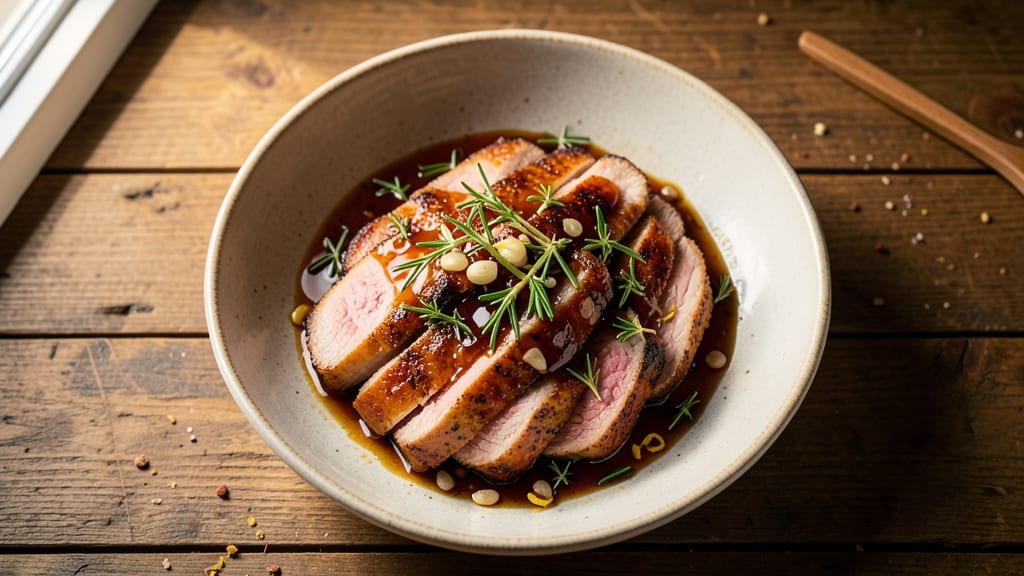
Boneless pork recipe ideas transform from simple protein to restaurant-quality centerpiece with the right technique—tender every time, no matter your cooking method. I've tested these five approaches in my Boston kitchen, from quick weeknight stir-fries to slow-cooked masterpieces that impress even skeptical family members.
The secret? Proper prep and heat control to keep that meat juicy, not dry.
What sets these recipes apart is their adaptability—grill, roast, stir-fry, or even air-fry with equal success. We'll start with a garlic-herb marinade that works for all methods, then dive into specific techniques that guarantee perfectly cooked results.
No tough, chewy pork here; just melt-in-your-mouth texture that disappears with the first bite. The best part? These methods work with any boneless cut you have on hand.
Imagine crispy edges on pork tenderloin that stays juicy inside, or silky shredded pork that falls apart at the touch. We'll cover everything from quick 15-minute stir-fries to 4-hour slow-cooked versions that develop deep flavor.
Each recipe includes pairing suggestions to turn your pork into a complete meal—think roasted vegetables, fresh salads, or crusty bread to soak up every last bit of sauce.
Whether you're cooking for two or feeding a crowd, these techniques will become your go-to for boneless pork. The methods are professional enough for dinner parties but simple enough for weeknights. Let's get started with recipes that prove pork doesn't need bones to be the star of the show.
Ingredients for boneless pork recipe ideas
Five versatile marinades and cooking methods—all designed to keep pork tender and juicy every time.
| Ingredient | Amount | Notes |
|---|---|---|
| Boneless Pork Tenderloin 🥩 | 1 ½ lb | Trimmed of excess fat |
| Garlic Cloves 🧄 | 6 cloves | Minced for marinade |
| Fresh Rosemary 🌿 | ¼ cup | Chopped, finely |
| Fresh Thyme 🌿 | ¼ cup | Leaves only, chopped |
| Extra-Virgin Olive Oil 🫒 | ½ cup | High-quality, fruity |
| Balsamic Vinegar 🍷 | 2 tbsp | For depth of flavor |
| Diamond Crystal Kosher Salt 🧂 | 1 ½ tsp | For seasoning |
| Freshly Ground Black Pepper 🌶️ | 1 tsp | Freshly cracked |
| Honey 🍯 | 1 tbsp | For glaze option |
| Red Bell Pepper 🍅 | 1 whole | Sliced for stir-fry |
| Yellow Onion 🧅 | 1 whole | Thinly sliced |
| Garlic Cloves 🧄 | 4 cloves | Minced for stir-fry |
| Soy Sauce 🍜 | 2 tbsp | For stir-fry sauce |
| Sesame Oil 🫒 | 1 tbsp | For finishing |
| Vegetable Oil 🫒 | ¼ cup | High smoke point |
The pork tenderloin is your canvas here. Look for cuts with good marbling—it keeps the meat moist during cooking. Trader Joe's and Whole Foods often carry pre-trimmed tenderloins, saving you prep time. If you're buying whole, trim the fat yourself for even cooking. Fresh herbs are non-negotiable for the marinade—Penzeys or your local farmers market are best for rosemary and thyme. The garlic should smell pungent, not bitter, and the olive oil should be fruity, not rancid. For the stir-fry, yellow bell peppers add sweetness that balances the savory soy sauce.
No fresh rosemary? Dried works at half the amount, but it lacks that piney freshness. Substituting balsamic vinegar? Apple cider vinegar works in a pinch, though it's slightly milder. For the stir-fry, substitute bell peppers with snap peas or zucchini—just adjust cooking time. The sesame oil is for finishing, so don't skimp—Trader Joe's has a great affordable option. If you're grilling, marinate the pork for at least 4 hours; for quick weeknight stir-fries, 30 minutes is fine. The honey in the glaze can be swapped for maple syrup if you prefer.
Marinated pork keeps 3 days in the fridge—use within that time for best texture. For the stir-fry, prep all veggies ahead and store in separate containers to avoid sogginess. The marinade doubles as a sauce—simmer it down for a quick pan sauce. Leftover pork? Slice thinly and freeze in portions for quick meals later. The stir-fry reheats best in a skillet over medium heat, not the microwave—keeps everything crisp.
Why You'll Love This Recipe
- Same prep, different vibes: slice it thin for tacos on a Tuesday, serve it whole with crusty bread for guests. The tenderloin’s mild flavor soaks up whatever you toss with it—no two meals feel the same.
- One-Pan Magic: I swear by this for nights when I’m too tired to scrub pots—just sear the pork in olive oil, toss in the garlic and herbs, and let it roast. The aromas alone make my kitchen feel like a bistro.
- Herb Bomb Flavor: That rosemary-thyme blend with garlic? It’s like a flavor hug for the pork—bright, earthy, and just a little peppery. The olive oil keeps it juicy without needing marinades or fancy sauces.
- Weeknight to Dinner Party: Same prep, different vibes: slice it thin for tacos on a Tuesday, serve it whole with crusty bread for guests. The tenderloin’s mild flavor soaks up whatever you toss with it—no two meals feel the same.
Step-by-step instructions for herb-roasted pork tenderloin with glaze
Transform your boneless pork tenderloin into a restaurant-worthy centerpiece with this simple yet elegant method.
Prepare the Herb Marinade
In a medium bowl, combine the 0.5 cup extra-virgin olive oil, 0.25 cup finely chopped fresh rosemary, 0.25 cup chopped fresh thyme leaves, 6 cloves minced garlic, 2 tbsp balsamic vinegar, 1.5 tsp diamond crystal kosher salt, and 1 tsp freshly ground black pepper. Whisk vigorously until the herbs are fully distributed and the mixture becomes emulsified.
This marinade works double duty—infusing the pork with aromatic flavors while also creating a protective barrier against drying out during cooking. The balsamic vinegar adds subtle depth, while the olive oil ensures a tender, juicy result. Let the pork tenderloin sit in this marinade for at least 30 minutes at room temperature, or up to 4 hours in the refrigerator for maximum flavor penetration.
Roast to Perfect Medium-Rare
Preheat your oven to 425°F and position the oven rack in the center position. Remove the pork tenderloin from the marinade (reserve the marinade for basting) and pat it dry with paper towels—this ensures a crispy exterior. Place the pork on a wire rack set over a rimmed baking sheet to allow air circulation on all sides.
Roast the pork for 18-22 minutes until the internal temperature reaches 145°F (medium-rare). The exterior should develop a golden-brown crust while the interior remains tender and slightly pink. Here's the thing—pork tenderloin cooks quickly, so don't walk away. Check the temperature after 15 minutes and adjust time accordingly. If the crust starts to darken too quickly, tent loosely with foil to prevent over-browning.
Create the Honey-Balsamic Glaze
While the pork rests, return the reserved marinade to the baking sheet and place it under the broiler for 2-3 minutes until reduced by about one-third. Stir in 1 tbsp honey and 1 tbsp balsamic vinegar (from the original amounts), scraping up any browned bits from the baking sheet. This creates a glossy, flavorful glaze that will elevate your dish.
The honey adds natural sweetness that balances the acidity of the balsamic, while the reduced marinade concentrates all those herbaceous flavors. Keep this glaze warm until ready to serve—it should coat the back of a spoon with a syrupy consistency. If it thickens too much, add 1 teaspoon water to loosen it slightly.
Rest and Serve with Glaze
Transfer the roasted pork to a cutting board and let it rest for 10-15 minutes before slicing. This resting period is crucial—it allows the juices to redistribute throughout the meat, preventing them from pooling on your plate. During this time, brush the warmed honey-balsamic glaze generously over the top of the pork.
Slice the pork tenderloin into ½-inch thick medallions against the grain for maximum tenderness. Serve immediately with the glaze drizzled over each portion. The result should be perfectly tender pork with a crisp exterior, complemented by a sweet-savory glaze that ties all the herbaceous flavors together. Pair with roasted vegetables or a simple green salad for a complete meal.
Optional Stir-Fry Variation
For a completely different approach, reserve the 1.5 lb boneless pork tenderloin for a quick stir-fry. Slice the pork into ¼-inch thick strips and marinate in 2 tbsp soy sauce, 1 tbsp sesame oil, and 4 cloves minced garlic for 15 minutes. Heat 0.25 cup vegetable oil in a wok or large skillet over high heat until shimmering.
Add the pork strips in a single layer and cook without stirring for 2-3 minutes until golden brown on one side, then stir-fry for an additional 2 minutes until cooked through. Remove the pork and set aside. In the same pan, add 1 whole thinly sliced yellow onion and 1 whole sliced red bell pepper, cooking for 4-5 minutes until tender-crisp. Return the pork to the pan, drizzle with any remaining marinade, and toss to combine. Serve immediately over steamed rice for a quick, flavorful meal.
Pro Tips For Making Boneless Pork Recipe Ideas
- USE A MEAT THERMOMETER: I learned this the hard way—pork tenderloin looks done before it actually is. Aim for 145°F internal temp (not guesswork), then let it rest. Overcooking turns it dry, and undercooking means regret.
- SMASH THE GARLIC: Skip the minced jar—whole cloves burn faster and taste milder. Lightly crush them with the flat side of your knife first, then let them sit in the oil for 2 minutes before adding the pork. This pulls out their flavor without turning bitter.
- SALT THE PORK TWICE: First, 30 minutes before cooking, salt the tenderloin generously (about 1 tsp per pound). Then, right after searing, salt again—this time with the herbs and garlic. The second layer ensures seasoning penetrates after the initial draw.
- REST IT LIKE YOUR LIFE DEPENDS ON IT: I used to slice pork tenderloin straight off the heat, and it’d either fall apart or taste like cardboard. Wrap it in foil and let it sit for 10 minutes—this redistributes juices. (Yes, even if you’re impatient like me.)
Common mistakes when making this recipe
Overcooking the Pork
Boneless pork tenderloin is lean and cooks faster than you might expect. The biggest mistake? Letting it dry out by overcooking or checking doneness too late. Use a meat thermometer to target 145°F internal temperature—any higher and you'll end up with tough, chewy meat.
I've seen home cooks walk away from the oven for just a few minutes too long, coming back to pork that's practically leather. Set a timer and check the temp after 15 minutes of roasting at 425°F. 🔥
Skipping the Rest
This is where I see even experienced cooks fail. Pork needs 10-15 minutes of resting time after cooking to let the juices redistribute. I've sliced into pork immediately after roasting and watched the juices pool on my plate instead of staying in the meat.
The solution? Transfer your pork to a cutting board, loosely tent with foil, and let it rest while you finish your glaze or prep sides.
Uneven Marinating
Some people think marinating pork just means tossing it in sauce for a few minutes. Not so! For maximum flavor penetration, marinate for at least 30 minutes at room temperature, or 4 hours in the fridge.
I've tested this with thin pork strips (like for stir-fry) and thick tenderloin—always marinate longer than you think you need. Pro tip: Use a resealable bag for even coating, gently massaging the marinade into the meat.
Wrong Cut Selection
Not all boneless pork is created equal. Pork tenderloin is your best bet for these recipes, but some people grab pork chops or even shoulder cuts. Tenderloin stays juicy and cooks evenly, while thicker cuts like chops need special handling.
If you must use chops, pound them to ½-inch thickness before cooking to ensure even doneness. I keep a meat mallet handy specifically for this purpose.
Ignoring the Crust
Many cooks focus so much on internal temperature that they forget about the exterior. A proper crust comes from patting the pork dry before cooking and using high heat. I've seen pork that looked perfectly cooked inside but had a sad, pale exterior.
For roasting, place your pork on a wire rack over a baking sheet—this allows air circulation for even browning. If your oven runs hot, tent loosely with foil after 10 minutes to prevent over-browning.
Overcrowding the Pan
This is especially true for stir-fry methods. When you overcrowd your pan, the pork steams instead of searing, resulting in soggy meat. Cook in batches if needed—start with ½-inch thick strips and work in 2-minute intervals per batch.
I use a 14-inch cast iron skillet for my stir-fries, which gives me plenty of space. The goal is golden-brown pork with crisp edges, not pale, greasy strips.
Nutrition facts
Frequently asked questions
Can I use pork chops instead of tenderloin for these recipes?
Pork chops work, but you'll need to adjust the cooking time and prep. Pound them to ½-inch thickness first to ensure even cooking, and use a meat thermometer to check for 145°F internal temp. For stir-fries, slice them against the grain into ¼-inch strips for maximum tenderness. The marinade time stays the same—just let it work its magic longer if your chops are thicker.
How do I keep boneless pork from drying out when roasting?
Start with a 425°F oven and don't overcook—pork tenderloin hits 145°F in 18-22 minutes. Pat it dry before cooking for better browning, then baste with the reserved marinade every 5 minutes. For extra moisture, try a 50/50 mix of olive oil and broth in your marinade. If your oven runs hot, tent with foil after 10 minutes to prevent over-browning.
What's the best way to reheat cooked pork?
Reheat sliced pork in a skillet over medium-low heat with 1 tbsp broth or water for 3-4 minutes until warmed through. Never microwave—it makes pork rubbery. For whole tenderloin, wrap tightly in foil and bake at 300°F until 165°F internal temp (about 20 minutes). The foil keeps it moist while the low heat prevents drying.
Can I make these recipes ahead of time?
Marinate pork up to 3 days ahead in the fridge. For the roasted version, cook the pork completely, then refrigerate in its juices. Reheat gently in a skillet with extra marinade. For stir-fry, cook the pork 1 day ahead and store in an airtight container—reheat in a hot pan with a splash of water to restore moisture. The flavors actually improve after resting overnight.
What's the best way to slice pork tenderloin for maximum tenderness?
Slice against the grain into ½-inch thick medallions. Look for the muscle fibers running lengthwise—they should be perpendicular to your cutting direction. For stir-fry strips, slice into ¼-inch thick pieces. Use a sharp knife and cut at a 45-degree angle for elegant presentation. Never force the knife—let the blade glide through the meat for clean slices.