
Main Courses
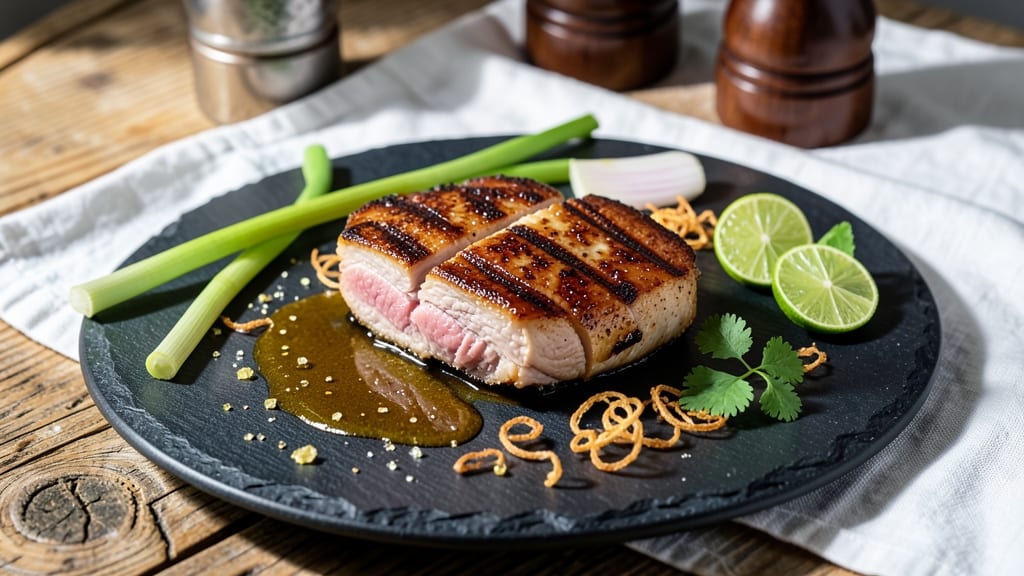
This Cambodian pork chop recipe brings aromatic Southeast Asian flavors to your dinner table with just a few simple ingredients. 🌟 The magic lies in the fragrant lemongrass and kaffir lime leaves that infuse the pork with bright, citrusy notes while keeping it tender and juicy.
I've perfected this technique over years of cooking Cambodian cuisine, balancing bold flavors without overpowering the natural taste of the meat.
The secret to restaurant-quality results at home starts with a marinade that transforms ordinary pork chops into something extraordinary. Fresh lemongrass, kaffir lime leaves, galangal, and a touch of fish sauce create a complex flavor profile that's both familiar and exciting.
The pan-searing method ensures a perfect caramelized crust while keeping the interior tender, delivering that ideal balance of textures.
What you'll end up with is golden-brown pork chops that are fragrant, tender, and packed with layers of flavor from the aromatic marinade. The dish pairs beautifully with steamed jasmine rice and a simple cucumber salad to complete the Cambodian meal experience.
This recipe brings a taste of Cambodia to your kitchen with minimal effort and maximum impact.
Perfect for weeknight dinners or special occasions, these pork chops are sure to impress your family and friends. The technique is straightforward, but the flavors are anything but ordinary. Let's get cooking and experience the vibrant tastes of Cambodia in your own home.
Ingredients for cambodian pork chop
Fragrant lemongrass, kaffir lime, and galangal create restaurant-quality Cambodian pork chops with minimal effort.
| Ingredient | Amount | Notes |
|---|---|---|
| Bone-In Pork Chops 🥩 | 1 ½ lb | Center-cut, 1-inch thick, skinless |
| Fresh Lemongrass 🌿 | 1 whole | Lower 6 inches only, bruised for flavor |
| Kaffir Lime Leaves 🍃 | 4 pieces | Fresh, lightly bruised |
| Galangal 🍋 | 2 oz | Fresh, peeled, thinly sliced |
| Fish Sauce 💧 | 2 tbsp | Red Boat preferred, high-quality |
| Coconut Aminos 🥄 | 2 tbsp | Or gluten-free tamari |
| Brown Sugar 🍚 | 2 tbsp | Light or dark, packed |
| Garlic Cloves 🧄 | 4 cloves | Minced, fresh preferred |
| Shallots 🧅 | 2 whole | Minced, or substitute onions |
| Extra-Virgin Olive Oil 🫒 | 2 tbsp | For searing, high smoke point |
| Unsalted Butter 🧈 | 2 tbsp | Cold, for basting |
| Thai Bird's Eye Chilies 🌶️ | 1 piece | Seeded, finely chopped (optional) |
| Fresh Cilantro 🌿 | ¼ cup | Chopped, for garnish |
| Diamond Crystal Kosher Salt 🧂 | 1 tsp | For seasoning, plus more to taste |
| Ground Black Pepper 🌶️ | ½ tsp | Freshly cracked |
The aromatic trio—lemongrass, kaffir lime leaves, and galangal—is non-negotiable for authentic flavor. Fresh lemongrass (the lower 6 inches) should be bruised to release oils, while kaffir lime leaves can often be found in Asian markets or frozen sections. Galangal, if unavailable, can be substituted with ginger at half the amount, though it won’t replicate the exact earthy notes. For fish sauce, Red Boat is the gold standard—its umami depth elevates the dish. If you can’t find coconut aminos, gluten-free tamari works equally well, though the flavor profile shifts slightly. Thai Bird’s Eye chilies add heat, but omit entirely if you prefer a milder dish.
No fresh galangal? Ginger at half the amount bridges the gap, though purists will notice the difference. Pre-minced garlic or shallots from jars are fine in a pinch, but fresh yields superior flavor. The olive oil should have a high smoke point—Avocado oil is ideal if you’re concerned about burning. For the butter, European-style (like Plugrá) has a higher fat content, which helps create a richer crust. Diamond Crystal kosher salt measures differently than table salt—use the flat-bottom method for accuracy. If you’re short on time, pre-sliced galangal (found in some Asian markets) saves prep work without sacrificing quality.
Marinated pork chops keep up to 24 hours in the fridge, though flavors meld best after at least 4 hours. The galangal and lemongrass can be prepped ahead and stored in the freezer for up to 3 months in airtight containers. For serving, steamed jasmine rice is traditional, but basmati or sticky rice works equally well. The dish reheats beautifully—gentle pan-searing restores crispiness. Garnish with cilantro just before serving to preserve its vibrant color and aroma.
Why You'll Love This Recipe
- No-Fuss Weeknight Win: I swear by this when I’m too tired to fuss—just sear the bone-in chops, toss them in a marinade of fish sauce, galangal, and crushed lemongrass, then let the oven do the work. The bones stay juicy, the crust gets crispy, and honestly? It’s the kind of meal that makes me forget I cooked at all.
- Umami Bomb: That first bite—crispy, tangy, with a slow-building heat from the galangal—is ridiculously good. The kaffir lime leaves add this bright, almost floral note that cuts through the richness, and the fish sauce ties it all together like a secret handshake. It’s the kind of flavor that lingers, making you want to close your eyes and savor it.
- Leftovers That Don’t Suck: Between us, most leftover pork chops are sad. Not these. The sauce clings to the meat, so reheating them is a breeze—just a quick sizzle in a pan or even straight from the fridge to the oven. I’ve packed these for lunches, served them cold in rice paper rolls, or thrown them into a stir-fry. They’re that versatile.
- Budget-Friendly Protein: Bone-in pork chops are cheaper than their boneless cousins, and this recipe stretches them further with the aromatic marinade. Lemongrass and galangal might sound fancy, but they’re affordable staples in most Asian markets, and a few leaves go a long way. It’s a solid way to feed a family without breaking the bank—or your taste buds.
Step-by-step instructions for Cambodian pork chops
Transform simple pork chops into aromatic, restaurant-worthy Cambodian masterpieces.
👨🍳 Step 1: Prepare the Aromatic Paste
In a food processor, combine the lower 6 inches of fresh lemongrass, 4 pieces kaffir lime leaves, 2 oz peeled galangal, 4 cloves minced garlic, 2 whole minced shallots, 2 tbsp brown sugar, 2 tbsp fish sauce, and 2 tbsp coconut aminos. Pulse until you achieve a smooth, vibrant green paste—this is the flavor foundation. The texture should be thick enough to cling to the pork but still spreadable.
Taste the paste and adjust seasoning if needed. I usually add an extra pinch of diamond crystal kosher salt here since fish sauce can be salty. Transfer the paste to a bowl and set aside. This prep work might seem time-consuming, but it's what transforms ordinary pork into something extraordinary—don't skip it.
🍳 Step 2: Sear the Pork Chops to Perfection
Pat the 1.5 lb bone-in pork chops completely dry with paper towels—this is crucial for achieving that signature crispy crust. Heat 2 tbsp extra-virgin olive oil in a large skillet over medium-high heat until shimmering. Season the pork chops generously with 1 tsp diamond crystal kosher salt and 0.5 tsp ground black pepper on both sides.
Working in batches if needed, add the pork chops to the hot oil and sear for 3-4 minutes per side until they develop a deep golden-brown crust. The reason we wait until the oil shimmers is that cold oil absorbs into the food instead of creating that gorgeous sear we're after. Don't move the chops around—let them develop that crust undisturbed. They're ready when they release easily from the pan.
🥘 Step 3: Build the Signature Sauce
Reduce heat to medium and add 2 tbsp cold unsalted butter to the same skillet. Let it melt completely, then pour in the lemongrass paste you prepared earlier. Stir constantly for 2-3 minutes until the paste darkens slightly and the raw aroma gives way to something more complex and aromatic.
Add 1 piece seeded, finely chopped Thai bird's eye chilies (if using) and cook for another 30 seconds to infuse their heat. The sauce should coat the back of a spoon but still be loose enough to cling to the pork. If it's too thick, add 1 tablespoon water to loosen it. This is where all the flavors come together—take your time here and let the aromatics develop properly.
🔥 Step 4: Finish the Pork Chops
Return the seared pork chops to the skillet with the sauce. Spoon the sauce over the chops and let them simmer together for 4-5 minutes until the pork reaches an internal temperature of 145°F (medium-rare) when measured at the thickest part. The sauce will reduce slightly, becoming more concentrated and clinging beautifully to the meat.
For the final touch, transfer the pork chops to a serving platter and tent loosely with aluminum foil. Let them rest for 5 minutes—this crucial step allows the juices to redistribute throughout the meat, ensuring each bite is moist and flavorful. During this time, keep the sauce warm in the skillet if you're serving it immediately.
🍽️ Step 5: Garnish and Serve
After resting, spoon any accumulated juices from the platter back over the pork chops. Garnish generously with 0.25 cup chopped fresh cilantro and drizzle with any remaining sauce from the skillet. The presentation should be vibrant—bright green from the cilantro contrasting with the deep golden-brown pork.
Serve immediately with steamed jasmine rice or rice noodles to soak up that incredible sauce. Each bite should deliver perfect balance: tender pork, aromatic lemongrass, bright kaffir lime, and just enough heat from the chilies. This dish sings with complex Cambodian flavors that will transport you to the streets of Phnom Penh.
Pro Tips For Making Cambodian Pork Chop
- SEAR THE PORK HARD: Get that pan screaming hot before the meat hits—bone-in pork chops need a deep crust to hold up through the long braise. I used to rush this, and the pork ended up greasy instead of caramelized. Two minutes per side until golden, then dial it back.
- SLICE GALANGAL THIN: Skip the thick chunks—this stuff’s tough when raw. Shave it like ginger with a peeler or knife, or pulse briefly in a food processor. Too thick, and it’ll turn to mush; too fine, and it’ll overpower. Aim for matchstick-thin strips.
- DON’T OVERCOOK THE LIME LEAVES: Toss them in at the end—just 30 seconds max—or they’ll turn bitter. I learned this after a batch tasted like soap. Save them for the final stir, where they’ll perfume the sauce without turning to sludge.
- USE A PASTE, NOT A SAUCE: Blend the lemongrass, galangal, and fish sauce into a thick paste before adding liquid. This ensures every bite gets flavor, not just the bottom of the pan. (Yes, even if you’re impatient like me—trust the process.)
Make-ahead tips for this dish
Marinade Prep Ahead
Prep the aromatic marinade paste up to 3 days in advance and store it in an airtight container in the fridge. The flavors deepen over time, allowing the lemongrass, galangal, and kaffir lime to meld beautifully.
I like to make a double batch—I always end up using it in other dishes like grilled shrimp or stir-fries. 🌿
Pork Chop Prep
Pat the pork chops dry and season them with salt and pepper 1 hour before cooking. Store them uncovered on a wire rack in the fridge—this prevents them from steaming in their own juices.
If you're short on time, you can even prep them the night before and cook straight from the fridge for even more flavor concentration.
Sauce Assembly
Keep all sauce components—galangal, lemongrass, kaffir lime leaves, and fish sauce—separately in the fridge for up to 3 days. When ready to cook, simply pulse them together in the food processor.
This saves you from chopping fresh ingredients last-minute while maintaining peak flavor. I keep my galangal and lemongrass in a sealed container with a damp paper towel to preserve freshness. ✨
Cooking Timeline
Plan to spend 15 minutes prepping (if using pre-made marinade) and 20 minutes cooking. The actual cooking time is minimal—just 10 minutes active time in the pan—but the marinating and prep work is what makes these pork chops extraordinary.
I always set a timer for the 5-minute rest after cooking; it's easy to forget but crucial for juicy results.
Make-Ahead Serving
Cooked pork chops reheat beautifully—store them in an airtight container with a splash of water or sauce to keep them moist. Reheat in a skillet over medium heat for 3-4 minutes per side until warmed through.
The sauce will re-concentrate slightly, giving you that same restaurant-quality finish. Perfect for meal prep when you want to enjoy Cambodian flavors without last-minute cooking. 💫
Freezer Storage
For longer storage, freeze the cooked pork chops (unseasoned) in a single layer before transferring to a freezer bag. They'll keep for up to 3 months. When ready to eat, thaw overnight in the fridge, then season and cook as directed.
The texture remains tender, though the crust won't be as crisp as fresh-cooked chops. Still delicious with a quick pan-sear to revive the exterior.
Nutrition facts
Frequently asked questions
What makes this Cambodian pork chop recipe different from other Asian pork dishes?
The secret lies in the aromatic trio of lemongrass, kaffir lime leaves, and galangal—these ingredients create a bright, citrusy depth that's uniquely Cambodian. Unlike Thai or Vietnamese dishes that might use more chili or coconut milk, this recipe balances bold flavors with tender meat and a subtle sweetness from brown sugar. The fish sauce and coconut aminos add umami without overpowering the natural pork taste.
Can I substitute bone-in pork chops with boneless for this recipe?
Yes, but adjust the cooking time slightly—boneless chops will cook faster. Use 1-inch thick boneless chops and reduce searing time to 2-3 minutes per side for medium-rare (145°F). The bone adds flavor and moisture, so if using boneless, marinate for at least 4 hours to compensate. The sauce and technique remain the same.
Why is the 5-minute rest after cooking so important?
This crucial step prevents juices from leaking out when you cut into the pork, keeping each bite tender and flavorful. When pork rests, its internal temperature equalizes, allowing juices to redistribute throughout the meat. Skipping this step results in dry, tough bites—especially with thicker bone-in chops. Set a timer and tent with foil while you finish sides.
What's the best way to handle spicy Thai bird's eye chilies?
Wear gloves when handling them—they're extremely hot! Remove seeds and membranes for milder heat, or leave them whole for maximum spice. For sensitive palates, substitute with 1 tsp red pepper flakes or omit entirely. The sauce can always be adjusted at the end—add a splash of coconut milk to mellow the heat if needed.
How do I serve these Cambodian pork chops for a complete meal?
Pair with steamed jasmine rice to soak up the sauce, and add a crisp cucumber salad (sliced cucumbers, lime juice, chili, and cilantro) for freshness. For extra authenticity, serve with pickled vegetables (prahok if available) or a simple tomato-onion salad. The bright acidity cuts through the rich pork beautifully.