
Main Courses
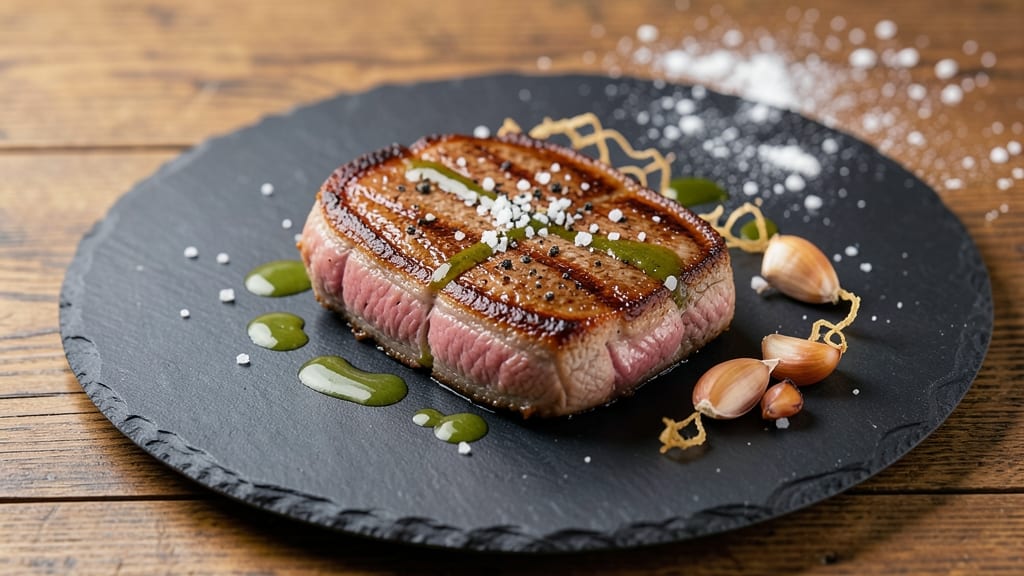
This boneless pork steak recipe delivers restaurant-quality results in just 5 minutes of active cooking time—perfect for weeknight dinners when you crave juicy, flavorful meat without the fuss. After years of perfecting pork cuts in my Atlanta kitchen, I've developed a method that transforms simple ingredients into a dish so tender it practically melts in your mouth. The secret? A quick brine and high-heat searing that locks in moisture while creating a caramelized crust.
What sets this recipe apart is its adaptability—whether you're working with a cast iron skillet, grill pan, or even a broiler, the technique remains the same. We're talking 15 minutes total from start to finish, including resting time, which means dinner is on the table before your guests even arrive.
The pork stays incredibly juicy thanks to a simple salt-and-pepper brine that enhances natural flavors without overpowering them.
By the time you're done, you'll have perfectly seared pork steaks with a golden-brown crust and pink centers that hit 145°F internal temperature—just right for medium-rare lovers. The edges develop a subtle char while the interior remains tender, creating that perfect balance of textures in every bite.
This is the kind of dish that makes you look like a pro, even if you're cooking for the first time.
Serve with a simple chimichurri sauce or garlic butter for extra flavor, and pair with roasted vegetables or a fresh salad to round out the meal. The leftovers reheat beautifully too, making this an excellent option for meal prep. Let's get cooking—your taste buds will thank you.
Ingredients for boneless pork steak
Five-minute prep, 15-minute cook—just boneless pork, salt, pepper, and a little magic.
| Ingredient | Amount | Notes |
|---|---|---|
| Boneless Pork Steaks 🥩 | 1 ½ lb | Evenly cut, 1-inch thick |
| Kosher Salt 🧂 | 2 tbsp | Non-iodized preferred |
| Freshly Ground Black Pepper 🌶️ | 1 tbsp | Coarse grind preferred |
| All-Purpose Flour 🌾 | ¼ cup | For dredging (optional) |
| Extra-Virgin Olive Oil 🫒 | ½ cup | High smoke point |
| Garlic Cloves 🧄 | 4 cloves | Minced for chimichurri |
| Fresh Parsley 🌿 | ¼ cup | Chopped, for chimichurri |
| Red Wine Vinegar 🍷 | ¼ cup | For chimichurri |
| Lemon Juice 🍋 | 2 tbsp | Freshly squeezed |
| Butter 🧈 | 2 tbsp | Unsalted, for finishing |
| Fresh Rosemary 🌿 | ¼ cup | Chopped, optional garnish |
The pork is everything here. Look for boneless pork steaks at your butcher or grocery store's meat counter—they're usually sold pre-cut for quick cooking. Whole Foods or Kroger's carry them well, but ask for them to be cut 1-inch thick if they're not pre-sized. If you're feeling fancy, Trader Joe's sells pre-brined pork steaks that cut your prep time even more. The key is even thickness—this ensures perfect doneness. Freshly ground black pepper makes a difference, so don't grab the pre-ground stuff from the canister. I always buy a whole peppercorn grinder for this reason.
No chimichurri? No problem. Garlic butter works just as well—mix the 2 tbsp butter with 1 minced garlic clove and a pinch of salt. Short on parsley? Cilantro or basil works in a pinch, though parsley's bright flavor is ideal. The red wine vinegar can be swapped for lemon juice if you're out, but it'll be less complex. For the flour dredge, cornstarch is a great alternative if you're gluten-free. And if you're cooking for a crowd, double the chimichurri ingredients—it keeps for 5 days in the fridge.
Pork steaks stay juicy for 3 days in the fridge, but I recommend cooking them fresh. The chimichurri keeps 5 days too, so make extra. Store both in airtight containers. For meal prep, cook the pork and portion it out with the chimichurri on the side—toss together when ready to eat. Leftovers reheat beautifully in a skillet with a splash of water to keep them moist. And if you're feeling bold, try broiling the steaks instead of pan-searing—they get a smoky char that's hard to resist.
Why You'll Love This Recipe
- The secret’s in the sear: hot oil, a couple minutes per side, until the edges crisp and the inside stays juicy. That’s the magic—no overcooking, no guessing, just reliable, satisfying bites every time.
- No-Fuss Flour Coat: I swear by that quick flour dredge—just a shake in seasoned flour before hitting the pan, and boom. No marinating, no fancy prep, just that perfect golden crust that clings like a hug.
- Pork Perfection Simplified: The secret’s in the sear: hot oil, a couple minutes per side, until the edges crisp and the inside stays juicy. That’s the magic—no overcooking, no guessing, just reliable, satisfying bites every time.
- Leftover Goldmine: Cook double and stash the extras for sandwiches, stir-fries, or even tacos later. The flavor only gets better the second day, and honestly? Fewer meals mean fewer decisions.
Step-by-step instructions for pan-seared boneless pork steaks
Here's how to achieve restaurant-quality pork steaks in just 15 minutes—juicy, flavorful, and ready in a flash.
Season and Prep the Pork Steaks
Start by patting the 1.5 lb boneless pork steaks completely dry with paper towels. This step is crucial—it ensures a perfect sear instead of steaming. Lay the steaks on a clean cutting board and generously season both sides with 2 tbsp kosher salt and 1 tbsp freshly ground black pepper. I like to press the seasoning in firmly so it adheres well.
Let the seasoned steaks sit at room temperature for 10-15 minutes while you prep the rest. This allows for even cooking and prevents cold spots in the center. If you're using the 0.25 cup all-purpose flour for dredging, place it in a shallow dish. Lightly dredge each steak on both sides, shaking off any excess—this creates a golden crust without overpowering the meat.
Sear the Steaks to Golden Perfection
Heat a large skillet over medium-high heat until it's smoking hot. Add 0.5 cup extra-virgin olive oil and swirl to coat the bottom evenly. Place the seasoned steaks in the pan, leaving space between them to avoid steaming. Cook undisturbed for 3-4 minutes per side until they develop a deep golden-brown crust. You'll know they're ready when they release easily from the pan—no need to wiggle them.
For thicker steaks, you can add 2 tbsp butter in the last 1-2 minutes of cooking. This adds richness and helps create a flavorful sauce. If the pan isn't hot enough, the steaks will steam instead of sear—watch for that telltale smoke rising from the oil. Once seared, transfer the steaks to a plate and tent loosely with foil to keep them warm while you finish the chimichurri.
Prepare the Chimichurri Sauce
In a small bowl, combine the 4 cloves minced garlic, 0.25 cup chopped fresh parsley, 0.25 cup red wine vinegar, and 2 tbsp freshly squeezed lemon juice. Stir well to mix, then let it sit for 5 minutes to allow the flavors to meld. This bright, herby sauce cuts through the richness of the pork beautifully.
If the chimichurri seems too thick, add a splash of water or olive oil to loosen it. Taste and adjust the seasoning with a pinch of salt if needed. The acidity from the vinegar and lemon juice will brighten the dish, so don't skip this step—it makes all the difference in balancing the flavors.
Finish and Serve
Return the seared steaks to the skillet and spoon the chimichurri sauce over the top. Let them cook for an additional 1-2 minutes to heat through and absorb the flavors. The internal temperature should reach 145°F for medium-rare—use a meat thermometer to check. If you prefer your pork more well-done, cook for another 1-2 minutes until it reaches 155°F.
Garnish with 0.25 cup chopped fresh rosemary for an aromatic finish. Serve immediately with the chimichurri drizzled over the top and any pan juices spooned alongside. The steaks should be juicy, tender, and perfectly seared with a bright, herby sauce that ties everything together. Enjoy with crusty bread or a simple side salad to soak up the flavors!
Pro Tips For Making Boneless Pork Steak
- PAT THE DRY: Grab a paper towel and wipe down those pork steaks before seasoning—fat and moisture on the surface will prevent the flour from sticking properly. I used to skip this and ended up with a sad, uneven crust that fell apart when flipping.
- SEAR HOT, NOT HOTTER: Cast iron or stainless steel only—high heat is your friend here, but if your oil starts smoking like a campfire, you’re overdoing it. Aim for a steady sizzle, not a grease fire, or you’ll burn the outside before the inside cooks.
- SALT THE FLOUR: Mix a generous pinch of kosher salt into your all-purpose flour before dredging—it seasons the crust and the meat underneath. I learned this after tasting a bland crust that tasted like nothing but flour.
- REST BEFORE SLICING: Let those steaks sit under foil for 5 minutes after cooking—this keeps them juicy and makes slicing a breeze. I know, I know, you’re hungry now, but cutting into them too soon turns them into a dry, sad pile.
Common mistakes when making this recipe
Skipping the Brine
I see this all the time—cooks skip the simple salt-and-pepper brine that actually enhances the meat's natural flavor. That 2 tbsp kosher salt and 1 tbsp black pepper isn't just seasoning—it's a 10-minute brine that helps the pork retain moisture.
Without it, you risk dry steaks. Trust me, the 10-15 minutes of rest time is worth it for that juicy payoff. 💫
Overcrowding the Pan
Nothing ruins a perfect sear like overcrowding the pan. When you stack steaks too close together, they steam instead of develop that beautiful crust. Leave space between them—at least ½ inch—so heat circulates properly.
I've seen home cooks try to fit 4 steaks in a 10-inch skillet, and it always ends in disappointment. Use a larger pan if needed, or cook in batches.
Not Using a Thermometer
Guessing doneness leads to undercooked or overcooked pork every time. The only reliable way to get 145°F internal temperature is with a meat thermometer. I've had guests serve steaks that were still pink in the center or completely dry from overcooking.
Insert the probe into the thickest part—don't touch bone—and pull when it hits your target. For medium-rare, that's 145°F; for medium, 150°F.
Cutting Too Early
This is a cardinal sin in my book. Pork steaks need 5-10 minutes of resting time before cutting. When you slice immediately, all the juices rush out, leaving you with dry meat. Tent with foil and let it rest on a warm plate.
I've seen people cut into steaks right after searing—it's like watching money walk out the door. The juices need time to redistribute throughout the meat.
Using Low Heat
A slow cook won't give you that perfect crust. You need medium-high heat until you see that telltale smoke rising from the oil. If your pan isn't hot enough, the steaks will steam and turn out gray instead of golden brown.
I've had cooks turn the heat down because they thought they were burning the meat—don't be afraid of a little smoke. That's how you get flavor. Just watch closely and adjust as needed.
Skipping the Room Temp Step
Taking steaks straight from the fridge to a hot pan creates cold spots that prevent even cooking. Let them sit at room temperature for 10-15 minutes first. This ensures they cook through evenly and develop that perfect crust all the way through.
I've seen people rush this step and end up with steaks that are still chilly in the center. Patience here pays off in juicy perfection. 🔥
Nutrition facts
Frequently asked questions about boneless pork steaks
Can I substitute chicken breast for pork steak in this recipe?
While chicken breast is similar in thickness, pork has a richer flavor and different texture when seared. Chicken would require 1-2 minutes less per side and a slightly lower target temperature (165°F for well-done). For best results, stick with pork for that signature juicy experience.
How do I adjust this recipe for a grill instead of a skillet?
Preheat your grill to medium-high (400°F) and oil the grates well. Cook the pork for 3-4 minutes per side, flipping only once. For extra flavor, add wood chips for a smoky touch. The chimichurri pairs perfectly with grilled pork's natural char.
What if I don't have chimichurri ingredients?
No problem! Try garlic butter (mix 2 tbsp butter + 1 minced garlic clove + pinch of salt) or a simple balsamic glaze (reduce 2 tbsp balsamic vinegar with 1 tsp honey). Both add great flavor without the extra prep.
Can I make this recipe ahead of time?
Cook the pork steaks fresh for best texture, but you can prep the chimichurri 5 days ahead and store it in the fridge. For meal prep, cook the pork and portion it with chimichurri on the side—reheat gently in a skillet with a splash of water to keep it moist.
Why does my pork turn out dry?
Most likely you skipped the resting time or overcooked it. Always let steaks rest 5-10 minutes and use a thermometer to hit 145°F for medium-rare. Also ensure your pan is hot enough—low heat causes steaming instead of searing.