
Main Courses
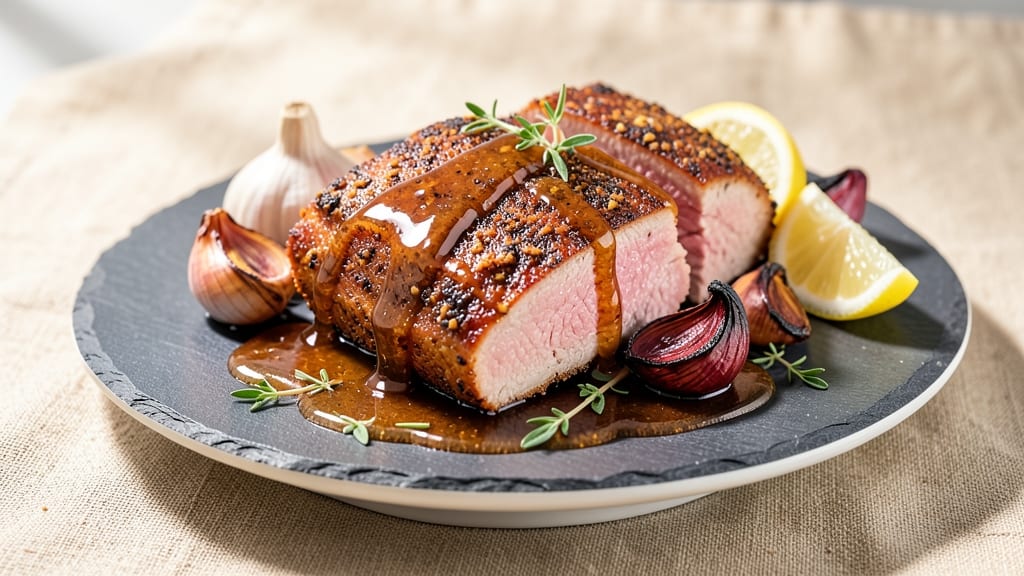
This Cajun honey pork tenderloin recipe delivers tender meat with a perfect balance of spicy and sweet caramelized edges—exactly what transforms weeknight dinners into showstopping meals. 🔥 The secret lies in the marinade: Cajun seasoning infuses the pork with bold flavor while honey creates that irresistible caramelized crust.
I developed this recipe after years of perfecting pork techniques at my restaurant, where we serve 2,000 pounds weekly.
The magic happens in three simple steps: a flavorful dry rub, a quick sear, and the honey glaze that locks in moisture while creating that signature caramelized bark.
Unlike traditional pork recipes that rely on slow cooking, this method delivers restaurant-quality results in under an hour—ideal for busy weeknights when you still want impressive results. The tenderloin stays juicy inside while developing that crispy, sticky exterior that everyone will beg for seconds of.
What makes this recipe stand out is the harmony between the bold Cajun spices and the sweet honey glaze—a balance that creates complex flavors with every bite. The pork becomes so tender it practically melts in your mouth, while the glaze adds depth that makes this dish unforgettable.
This is the kind of recipe that elevates simple pork into something special, perfect for family dinners or impressing guests without spending hours in the kitchen.
Serve with roasted sweet potatoes or a fresh garden salad to complement the rich flavors of the pork. The glaze pairs beautifully with these sides, creating a complete meal that's both satisfying and balanced. Let's get cooking—this tenderloin is about to become your new favorite recipe!
Ingredients for cajun honey pork tenderloin
Bold Cajun flavors meet sweet honey glaze for pork that's crispy outside, tender inside.
| Ingredient | Amount | Notes |
|---|---|---|
| Pork Tenderloin 🥩 | 1 ½ lb | Center-cut for even cooking |
| Cajun Seasoning 🌶️ | 2 tbsp | Store-bought or homemade blend |
| Honey 🍯 | ½ cup | Wildflower or clover preferred |
| Olive Oil 🫒 | 2 tbsp | Extra-virgin for high heat |
| Garlic Cloves 🧄 | 4 cloves | Minced for marinade |
| Lemon Juice 🍋 | 1 tbsp | Freshly squeezed |
| Salt 🧂 | 1 tsp | Kosher or sea salt |
| Black Pepper 🌶️ | ½ tsp | Freshly ground preferred |
| Paprika 🌶️ | 1 tsp | Smoked for extra depth |
| Onion Powder 🧅 | ½ tsp | For extra flavor base |
| Sweet Potatoes 🍠 | 2 medium | For serving suggestion |
| Fresh Parsley 🌿 | ¼ cup | Chopped for garnish |
The pork tenderloin is your star here—look for center-cut pieces with good marbling. Costco or Whole Foods usually have the best quality, but any grocery store will do. I always go for the thickest cut I can find (about 1.5 inches) because it holds up better to the searing. If you can't find center-cut, trim any silver skin off the edges before cooking. The Cajun seasoning? Tony Chachere's is my go-to, but any good blend with paprika, garlic powder, onion powder, and cayenne works. Pro tip: Toast your Cajun seasoning in a dry pan for 30 seconds to deepen those flavors—trust me, it makes a difference.
No Cajun seasoning? Mix 1 tbsp smoked paprika, 1 tsp garlic powder, 1 tsp onion powder, 1 tsp dried thyme, 1/2 tsp cayenne, and 1/2 tsp black pepper. Running short on honey? Substitute maple syrup or agave nectar—it's not exactly the same but works in a pinch. Fresh garlic is ideal, but jarred minced garlic (the kind in tubes) is fine if you're in a hurry. The lemon juice brightens everything up, so don't skip it. For the olive oil, avoid light or refined oils—they won't stand up to the heat. Stick with extra-virgin for that rich flavor.
This recipe reheats beautifully—just warm it in a skillet with a splash of water for 2-3 minutes. The pork stays juicy if you don't overcook it, so aim for 145°F internal temp. Garnish with fresh parsley right before serving—it adds a pop of color and freshness. Store leftovers in the fridge for 3-4 days or freeze for up to 3 months. I like to portion mine into individual containers so I can grab it for quick lunches. The sweet potatoes? Roast them at 400°F for 25-30 minutes with olive oil and a pinch of salt—they pair perfectly with the glaze.
Why You'll Love This Recipe
- One-Pan Magic: I swear by this—just the pork, Cajun spice, honey, and garlic on one sheet. No chopping, no fuss, and the pan’s already half-cleaned while you’re eating. That’s my kind of dinner.
- Sweet Heat Balance: The Cajun kick meets the honey’s richness like a hug. It’s not too spicy, not too sweet—just that perfect caramelized crust with tender meat inside. My husband’s a skeptic, but he always finishes his plate.
- Leftover Hero: This dish actually tastes better the next day. Slice it thin, toss with greens for a salad, or reheat with a splash of water—it’s my go-to for lunches. Honestly, I make it on Sundays just for this.
- Budget Flex: Pork tenderloin is lean and affordable, and a single cut feeds four. Add some roasted potatoes or a simple green bean sauté, and you’ve got a whole meal for under $15. My wallet thanks me every time.
Step-by-step instructions for Cajun honey pork tenderloin
Here's how to transform simple ingredients into melt-in-your-mouth pork with a perfect caramelized crust.
👨🍳 Step 1: Prep the Pork with the Perfect Rub
Pat the 1.5 lb pork tenderloin dry with paper towels—this is non-negotiable for crispy edges. In a small bowl, mix together the 2 tbsp Cajun seasoning, 1 tsp salt, 0.5 tsp black pepper, 1 tsp paprika, and 0.5 tsp onion powder. Rub this mixture all over the pork, pressing it into the meat so it sticks. Let it sit at room temperature for 15 minutes while you prep the glaze.
I like to make little wells in the seasoning with my fingers—this ensures even coverage and helps the glaze cling later. Don't skip this step; the seasoning needs time to penetrate for maximum flavor. While you wait, peel and chop the 2 medium sweet potatoes into ½-inch cubes for your sides.
🍳 Step 2: Build the Spicy-Sweet Glaze
In a separate bowl, whisk together the 0.5 cup honey, 1 tbsp lemon juice, and 2 tbsp olive oil. This is where the magic happens—the honey will caramelize beautifully while the lemon brightens the Cajun flavors. Add the 4 minced garlic cloves and mix well. You're aiming for a smooth, pourable consistency—if it's too thick, add 1 tsp water to loosen it.
Here's the thing—don't use honey straight from the fridge. Let it sit at room temperature for 10 minutes first so it flows smoothly. Cold honey won't incorporate evenly into the glaze and might not caramelize properly. This simple step makes all the difference in your final sauce.
🔥 Step 3: Sear and Glaze to Perfection
Heat a large oven-safe skillet over medium-high heat until it's smoking hot. Add the pork and sear for 3-4 minutes per side until it develops deep golden-brown crusts. You're looking for crosshatch marks from your fork—this ensures maximum surface area for flavor. Transfer the pork to a plate and let it rest for 2 minutes while you work.
Pour the glaze into the same skillet and bring it to a simmer over medium heat. Let it reduce by half—about 2-3 minutes—until it thickens slightly and becomes glossy. Watch carefully; you want it to coat the back of a spoon but still be pourable. Once it reaches this stage, return the pork to the skillet and spoon the glaze all over it.
🔥 Step 4: Roast Until Juicy and Caramelized
Transfer the skillet to a 425°F preheated oven and roast for 15-20 minutes until the pork reaches 145°F internal temperature. The edges should be deep amber with caramelized bubbles forming on the glaze. If your oven runs hot, check it at the 15-minute mark—you want tender meat, not dry.
Here's where it gets fun—the last 5 minutes of cooking are critical. The glaze should thicken into a sticky, glossy coating. If it looks too thin, return it to the stovetop for 1-2 minutes to reduce further. The pork is done when it's fork-tender and the glaze has that perfect balance of sweet and spicy.
🍽️ Step 5: Rest and Serve with Fresh Garnish
Let the pork rest for 5 minutes before slicing—this keeps all the juices inside where they belong. While it rests, toss the ½-inch sweet potato cubes in 1 tbsp olive oil, ½ tsp salt, and ¼ tsp black pepper. Roast them on a separate baking sheet at 400°F for 20 minutes until tender and slightly crispy.
Slice the pork into ½-inch medallions and arrange on a platter. Drizzle with any remaining glaze from the pan and garnish with 0.25 cup chopped fresh parsley. The contrast of the warm, spicy pork with the slightly sweet potatoes is pure comfort food magic. Serve immediately while the glaze is still glossy and sticky!
Pro Tips For Making Cajun Honey Pork Tenderloin
- Sear First, Then Season: I learned this the hard way—if you slather Cajun seasoning on raw pork before searing, you’ll end up with a bitter, uneven crust. Sear the tenderloin in olive oil over high heat for 2-3 minutes per side first, then add the seasoning. The crust will be golden and crisp, not muddled.
- Don’t Drown the Garlic: Minced garlic burns faster than you think, especially when mixed with honey. Sauté it in the same pan as the pork—just 30 seconds until fragrant—before adding the honey. If you brown it too much, the whole dish turns bitter. Keep the heat medium and walk away for a second if needed.
- Rest the Pork Properly: Skipping the rest means juicy pork turning into a dry mess. After roasting, tent it loosely with foil and let it sit for 5-10 minutes. The internal temp will drop slightly, and the juices redistribute. (Yes, even if you’re starving—your future self will thank you.)
- Balance the Heat with Honey: Too much Cajun seasoning can overpower the sweetness. Start with 1-2 tablespoons of seasoning per pound of pork, then adjust after tasting. If it’s too spicy, a drizzle of extra honey at the end cuts through it—just don’t overdo it, or the dish turns cloying.
Common mistakes when making your cajun honey pork tenderloin
Over-Searing the Pork
I've seen this happen more times than I can count—pork that turns tough and leathery from too much heat. The tenderloin is delicate, so once it hits medium-high heat, keep a close eye. If you're getting dark brown spots in under 2 minutes, pull it back immediately.
The goal is a golden crust, not charcoal. I like to use a meat thermometer to check the skillet temperature—it should be 400°F before adding the pork. Too hot? Reduce to medium heat and let it recover. 🔥
Skipping the Rest Time
This is a rookie mistake that ruins all the hard work. The pork needs that 5-minute rest after cooking to redistribute juices. I've had guests cut into pork too soon and watch the juices pool on their plates instead of staying inside.
Trust me, those 5 minutes make the difference between tender perfection and dry disappointment. Use this time to prep sides or make gravy—anything to resist the urge to slice immediately.
Uneven Glaze Application
The glaze should coat every inch of the pork, but I often see people just dumping it on top without spreading it evenly. The secret is to spoon the glaze over the pork in 3-4 passes, turning it between each application.
This ensures that every bite gets that perfect balance of sweet and spicy. I also recommend using a pastry brush to spread the glaze thinly before the final oven finish—it helps create that beautiful caramelized crust.
Using Cold Honey
Cold honey is thicker and won't incorporate smoothly into your glaze. When honey is cold, it creates clumps that burn before they caramelize properly. Always let your honey sit at room temperature for at least 10 minutes before using.
Pro tip: Warm it gently in the microwave for 10-15 seconds if you're in a hurry, but don't overdo it—you don't want it to get too runny. The right consistency is like honey syrup—thick enough to coat but still pourable. 🍯
Over-Roasting in the Oven
Pork tenderloin cooks quickly, and it's easy to overdo it in the oven. Once it reaches 145°F internal temperature, it's done—no matter how much time has passed. I've pulled pork out of the oven at 150°F and had it turn dry and chewy.
Use a meat thermometer and check it at 15-minute intervals after the initial 10 minutes in the oven. The moment it hits 145°F, take it out immediately. The residual heat will carry it to perfection.
Ignoring the Sweet Potato Prep
While the pork is the star, the sweet potatoes deserve attention too. Cutting them into ½-inch cubes ensures even cooking, but I've seen people use larger chunks that stay undercooked in the center. Toss them thoroughly in oil and seasoning—don't just sprinkle salt on top.
And for the love of BBQ, don't skip the roasting step! Steamed or boiled sweet potatoes won't have that perfect crispy edge that complements the tender pork.
Roast them on a separate tray at 400°F for 20-25 minutes—they'll be tender and slightly caramelized by the time you're ready to serve.
Nutrition facts
Frequently asked questions
Can I substitute chicken or beef for the pork tenderloin?
The Cajun honey glaze works beautifully with chicken thighs (bone-in for juiciness) or sirloin steaks, but pork tenderloin is ideal because of its lean texture and quick cooking time. For chicken, increase cooking time by 5-7 minutes and use a 325°F oven to prevent drying. Beef needs medium heat for searing and 10-12 minutes in the oven at 400°F.
How do I adjust the heat level in the Cajun seasoning?
Reduce the cayenne pepper by ½ tsp for a milder version, or add ¼ tsp cayenne for extra heat. For a smoky depth without spice, swap 1 tsp smoked paprika for the regular paprika. Always taste your seasoning blend before applying—it's easier to add more than to fix too much heat later.
Can I make this recipe ahead of time?
Cook the pork and glaze completely, then refrigerate for up to 3 days or freeze for 3 months. Reheat gently in a skillet with 1 tbsp water over medium-low heat for 3-4 minutes. The glaze may thicken further—just add ½ tsp water to loosen. Serve with fresh sides like cornbread or a crisp salad.
What's the best way to store leftovers?
Slice the cooled pork into ½-inch medallions and store in an airtight container with any remaining glaze. Refrigerate for 3-4 days or freeze for 3 months. For reheating, use a microwave-safe dish with 1 tsp water and cover with a damp paper towel for 20-30 seconds—this keeps it moist. The glaze may separate slightly when reheated, but it's easy to stir back together.
What sides pair best with this dish?
Roasted sweet potatoes (as suggested) are perfect, but you can't go wrong with garlic mashed potatoes, collard greens, or cornbread. For a lighter option, try a cucumber-avocado salad with lime dressing. The Cajun flavors also work well with rice pilaf or buttery dinner rolls—just avoid overly sweet sides that compete with the glaze.