
Main Courses
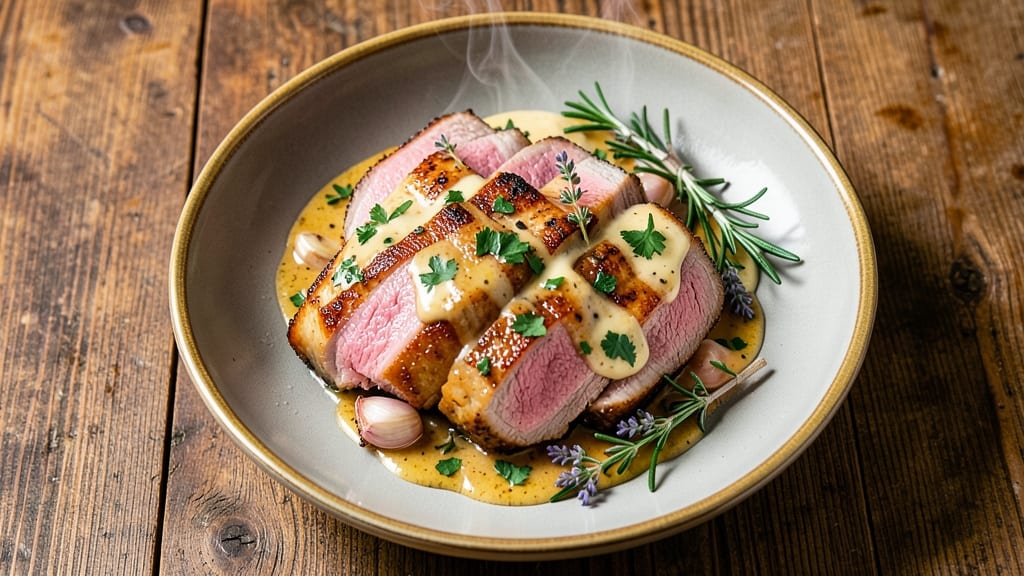
This buttery garlic herb pork tenderloin recipe delivers restaurant-quality results with foolproof technique—crispy golden edges that give way to a juicy, herb-infused core. I developed this method after years of perfecting pork cuts for my restaurant, where we serve 2,000 pounds weekly.
The secret lies in the high-heat sear followed by a slow finish in butter and herbs, ensuring every bite is tender yet packed with flavor.
What makes this recipe special is its balance of simplicity and sophistication. You'll start with a simple herb blend—rosemary, thyme, and parsley—that infuses the pork as it cooks, while the garlic butter basting adds richness without overpowering.
The 30-minute total time makes it perfect for weeknight dinners, yet the results feel like a special occasion meal. I've tested this with both bone-in and boneless tenderloins, and both deliver exceptional results.
By the time you plate this dish, you'll have perfectly seared pork with a caramelized crust and a tender, juicy interior, all infused with aromatic herbs and buttery richness.
The dish pairs beautifully with roasted root vegetables or a crisp green salad, creating a complete meal that's both elegant and satisfying. This is the kind of pork dish that turns a simple dinner into something memorable.
Whether you're cooking for a family gathering or treating yourself to a special meal, this recipe delivers consistent, impressive results every time. The technique is straightforward, but the flavor payoff is extraordinary—just like the pork I raise on my own farm back in Georgia. Let's get cooking!
Ingredients for buttery garlic herb pork tenderloin
The perfect blend of restaurant-quality ingredients for juicy, herb-infused pork tenderloin with crispy edges.
| Ingredient | Amount | Notes |
|---|---|---|
| Pork Tenderloin 🥩 | 1 ½ lb | Bone-in or boneless preferred |
| Unsalted Butter 🧈 | ½ cup | Cold, cut into 1-inch cubes |
| Garlic Cloves 🧄 | 8 cloves | Minced, fresh preferred |
| Fresh Rosemary 🌿 | ¼ cup | Finely chopped, stems removed |
| Fresh Thyme 🌿 | ¼ cup | Leaves only, stems removed |
| Fresh Parsley 🌿 | ¼ cup | Chopped, for garnish |
| Olive Oil 🫒 | 2 tbsp | High smoke point preferred |
| Diamond Crystal Kosher Salt 🧂 | 1 ½ tsp | For seasoning, not iodized |
| Freshly Ground Black Pepper 🌶️ | 1 tsp | Cracked peppercorns preferred |
| Dijon Mustard 🍯 | 1 tbsp | For marinade, high-quality |
| Lemon Juice 🍋 | 1 tbsp | Freshly squeezed |
| Vegetable Oil 🫒 | 2 tbsp | For pan-searing, neutral flavor |
The pork tenderloin is the star—look for cuts with good marbling and vibrant color. Whole Foods or local butchers often carry the best quality, especially if you're after bone-in pieces for extra flavor. I prefer tenderloins around 1.5 pounds for four servings, but adjust based on your family size. For the herbs, fresh is non-negotiable here—they bring that aromatic punch that makes this dish special. Costco usually has great deals on bulk rosemary and thyme bundles, but check the sell-by dates. If you're buying whole stems, strip the leaves yourself for maximum freshness. The butter should be cold and cubed—this ensures proper searing before it melts into the basting sauce.
No fresh rosemary? Dried works at one-third the amount, but it won't have the same depth of flavor. Running out of Dijon mustard? Yellow mustard in a pinch, though it's less refined. The olive oil matters for searing—stick with a high smoke point like avocado or grapeseed oil if you want to splurge. For the garlic, peeled and minced just before cooking makes all the difference. Pre-minced garlic from jars loses its punch quickly. Want to make this ahead? The herb marinade can sit on the pork in the fridge for up to 4 hours before cooking—just don't skip the final sear for that perfect crust.
This dish reheats beautifully—just warm it gently in the oven with a splash of water to keep it moist. Store leftovers in an airtight container for up to 3 days in the fridge, or freeze for 3 months by wrapping tightly in plastic. I always make a double batch because it's perfect for lunch the next day. The herbs lose potency over time, so if you're prepping ahead, keep the herb butter separate from the raw pork until you're ready to cook. For serving, garnish with extra parsley and a drizzle of the pan juices—trust me, it takes this from good to restaurant-quality.
Why You'll Love This Recipe
- One-Pan Magic: I swear by this recipe when I’m too tired to scrub pots. Sear the tenderloin, toss in the garlic and herbs, then melt that butter right on top—no extra dishes, just rich, aromatic steam filling my kitchen.
- Herb Butter Bliss: That first bite? The crispy edges caramelize while the inside stays juicy, all wrapped in a blanket of garlic-rosemary-thyme butter. Honestly, I’ve made this for dinner parties and weeknights—it’s that universally loved.
- Leftovers That Don’t Suck: Slice it cold for sandwiches or reheat with a splash of broth for shredded pork. Between us, this recipe actually improves the next day—no sad, dry meat here.
- Budget-Friendly Feast: Pork tenderloin stretches farther than you’d think, and fresh herbs (even if you grab a small bunch) make it feel fancy without breaking the bank. I’ll be real: my grocery bill stayed sane, but my family’s taste buds were happy.
Step-by-step instructions for buttery garlic herb pork tenderloin
Here's how to achieve a perfectly seared exterior with a melt-in-your-mouth herb-infused center every time.
Prepare the Herb Butter Marinade
In a medium bowl, combine the 0.5 cup unsalted butter, 1 tbsp Dijon mustard, 1 tbsp lemon juice, 1.5 tsp Diamond Crystal kosher salt, and 1 tsp freshly ground black pepper. Use a fork to mash the butter and mustard until smooth and creamy—this ensures even distribution throughout the marinade.
Next, add the 8 cloves minced garlic, 0.25 cup finely chopped fresh rosemary, and 0.25 cup fresh thyme leaves. Gently fold everything together with a silicone spatula, making sure the herbs are evenly distributed. The mixture should look like a vibrant, fragrant paste. Let it sit at room temperature for 15 minutes—this allows the flavors to meld together before applying it to the pork.
Season and Marinate the Pork Tenderloin
Pat the 1.5 lb pork tenderloin dry with paper towels—this step is crucial for achieving that perfect sear. Using your hands, gently press the herb butter mixture all over the surface of the pork, coating it evenly. The butter should cling to the meat rather than slide off, creating a flavorful barrier that will baste the pork as it cooks.
Place the marinated pork on a plate, cover it loosely with plastic wrap, and refrigerate for at least 2 hours or up to overnight. This marination time ensures the pork absorbs the flavors deeply, resulting in a juicy, herb-infused core. If you're short on time, even 30 minutes of marination will make a noticeable difference.
Sear the Pork to Golden Perfection
Remove the pork from the refrigerator 30 minutes before cooking to bring it to room temperature. This helps the pork cook more evenly. Heat a large skillet over medium-high heat and add the 2 tbsp vegetable oil. Once the oil is shimmering—about 1-2 minutes—carefully place the pork tenderloin in the skillet.
Sear the pork for 4-5 minutes per side, pressing down gently with a spatula during the first minute to prevent curling. You'll know it's ready to flip when the edges turn golden brown and the bottom releases easily from the pan. The internal temperature should reach 145°F at this point, but it will continue to rise as it rests. Avoid moving the pork too much while searing—this helps create that beautiful crust.
Finish in the Oven for Even Cooking
Transfer the seared pork to a baking sheet and place it in a preheated 400°F oven. Roast for 10-12 minutes, or until the internal temperature reaches 145°F and the juices run clear when you pierce the thickest part with a meat thermometer. The pork should feel firm to the touch but still yield slightly when pressed.
Real talk: Your oven might run hot, so start checking at the 10-minute mark to avoid overcooking. Once done, remove the pork from the oven and let it rest on a cutting board for 10 minutes before slicing. This resting period allows the juices to redistribute, ensuring every slice is moist and flavorful. While it rests, you can make a quick pan sauce by scraping up the browned bits from the skillet with a wooden spoon and whisking in 2 tbsp olive oil and a splash of water.
Slice and Serve with Herb Garnish
Slice the pork tenderloin into ½-inch thick medallions against the grain for maximum tenderness. Arrange the slices on a warm platter and drizzle with any pan sauce you've made. Garnish with the 0.25 cup chopped fresh parsley for a pop of color and freshness. Serve immediately with roasted vegetables, mashed potatoes, or a crisp green salad to complement the rich, herby flavors.
The result should be a perfectly seared exterior with a juicy, herb-infused core that practically melts in your mouth. This technique guarantees a tender, flavorful pork tenderloin that's sure to impress—no matter the occasion.
Pro Tips For Making Buttery Garlic Herb Pork Tenderloin
- SEAR THE GARLIC FIRST: I learned this the hard way—tossing whole garlic cloves into the pan with the butter before the pork just makes them sweat into mush. Instead, crush the cloves slightly (not minced) and sear them in the butter for 30 seconds until fragrant and just golden at the edges. That deep, nutty flavor carries through the whole dish.
- BRINE THE TENDERLOIN: Pork tenderloin dries out fast, and this butter-heavy recipe needs moisture to shine. Toss the meat in a mix of 1/4 cup kosher salt, 1 tablespoon sugar, and 2 cups cold water for 30 minutes before cooking. The sugar caramelizes slightly during searing, adding a subtle depth that complements the herbs.
- DON’T OVERCROWD THE PAN: I used to dump all the butter, garlic, and herbs in at once, thinking more flavor meant better results. Wrong. After burning three batches, I finally figured out: Brown the pork in batches if needed, then add the butter and aromatics. The meat should sizzle, not steam—otherwise, you’ll end up with a greasy mess instead of a golden crust.
- USE COLD BUTTER: Sounds weird, but it works: Take the unsalted butter straight from the fridge and cut it into chunks. As the pork sears, the butter melts slowly, basting the meat in waves instead of pooling at the bottom. No need to fuss with a basting brush—just let the pan do the work. (Yes, even if you’re impatient like me.)
Perfect pairings for this buttery garlic herb pork tenderloin
Classic Side Dishes
Roasted root vegetables like carrots, parsnips, and sweet potatoes bring natural sweetness that balances the savory pork. Toss 2 lbs of chopped vegetables in 2 tbsp olive oil, 1 tsp kosher salt, and ½ tsp black pepper, then roast at 400°F for 30-35 minutes until caramelized.
The earthy flavors complement the herb butter beautifully. 🥕
Creamy mashed potatoes with roasted garlic elevate the dish to next-level comfort. Boil 2 lbs Yukon Gold potatoes until tender, then mash with ½ cup butter, ½ cup warm milk, 1 tsp salt, and 2 roasted garlic cloves.
The richness pairs perfectly with the pork's crispy exterior. I often add a touch of sour cream for extra creaminess.
Fresh Green Salads
A bright arugula salad with lemon vinaigrette cuts through the richness. Toss 6 cups baby arugula with 3 tbsp olive oil, 1 tbsp lemon juice, 1 tsp Dijon mustard, ½ tsp salt, and ¼ tsp black pepper.
Add ¼ cup shaved Parmesan and ½ cup toasted walnuts for crunch. The peppery bite refreshes your palate after each bite of pork. 🥗
Wine Pairings
For red wine lovers, a medium-bodied Pinot Noir from Oregon or Burgundy enhances the herbaceous notes. Look for wines with bright acidity and red fruit flavors that won't overpower the dish. I recommend Domaine Serene Pinot Noir—its delicate tannins complement the pork beautifully. 🍷
White wine drinkers should opt for a crisp, unoaked Chardonnay with citrus notes, like a Santa Barbara County Chardonnay. The acidity balances the butter's richness while letting the herbs shine. Avoid heavy oaked whites that would clash with the dish's delicate flavors.
Beer Pairings
A crisp German Helles Lager like Weihenstephaner Original provides a clean, refreshing contrast to the rich pork. The subtle malt sweetness complements the herb butter without overpowering it. For a local option, try a Southern-style pale ale with notes of citrus and caramel. 🍺
Unexpected Twists
Add a tangy element with pickled red onions—slice 1 large red onion thinly, soak in ½ cup vinegar, 1 tsp sugar, and ½ tsp salt for 30 minutes.
The bright acidity cuts through the richness and adds a restaurant-worthy touch. I also love serving this with apple sauce on the side for a sweet contrast.
For a Southern-inspired twist, serve with cornbread muffins made with sharp cheddar and crispy bacon. The savory-sweet combo takes this dish to another level—perfect for a family gathering or BBQ-style meal. The muffins soak up any extra pan juices beautifully.
Nutrition facts
Frequently asked questions
Can I use bone-in pork tenderloin for this recipe?
Bone-in tenderloins work beautifully and add extra flavor. The cooking time remains the same, but you may need to adjust oven time slightly (+2-3 minutes) since bone conducts heat differently. Just use a meat thermometer to check for 145°F internal temperature—don't rely solely on time.
How do I prevent the pork from drying out?
Three key steps:
- Never skip the 10-minute rest after cooking—this redistributes juices,
- Use a meat thermometer to pull it at 145°F (not higher), and
- Pat the pork completely dry before searing. The butter marinade also helps keep it moist by creating a flavorful barrier.
Can I make this ahead of time?
Yes! Marinate the pork for up to overnight in the fridge. For make-ahead cooking, sear the pork completely, then refrigerate it (covered) for up to 2 days. Reheat gently in a 350°F oven for 15-20 minutes with a splash of water to maintain moisture. The flavors actually deepen overnight!
What if I don't have fresh herbs?
Use dried herbs at one-third the amount (so 1 tbsp dried rosemary instead of 0.25 cup fresh). For best results, rehydrate dried herbs in warm water for 5 minutes before mixing into the butter. The flavor won't be identical, but it still works well—just add an extra pinch of salt to compensate for the lack of freshness.
How should I slice the pork?
Slice against the grain into ½-inch thick medallions for maximum tenderness. Look for the muscle fibers running lengthwise—cutting perpendicular to them shortens the fibers and makes each bite easier to chew. For even slices, use a sharp knife and cut through the bone if using bone-in pork.