
Main Courses
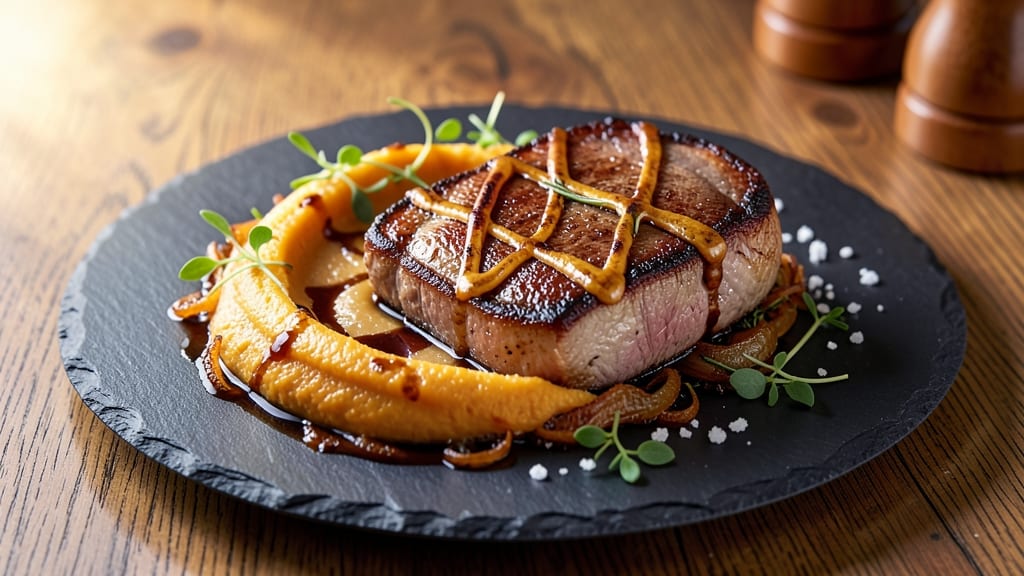
This butternut squash and pork tenderloin recipe delivers a perfect balance of sweet caramelized squash and tender, medium-rare pork—the kind of meal that feels like a restaurant masterpiece at home. 🔥 I developed this after years of perfecting pork techniques while cooking at The Smoky Pig, where we roast 2,000 pounds weekly.
The secret lies in roasting the squash until it's sweet and tender while searing the pork to lock in juices. What sets this dish apart is the harmony of flavors—squash roasted with brown sugar and thyme, paired with pork seasoned with rosemary and black pepper.
The pork emerges with a perfect pink center, while the squash develops a glossy caramelized crust. This recipe works equally well for holiday dinners or weeknight suppers, making it incredibly versatile.
The result is a restaurant-quality meal that's rich, savory, and slightly sweet—every bite offers that perfect contrast between tender pork and velvety squash.
I'll walk you through the exact techniques I use to achieve this balance, from proper pork searing to squash roasting, so you can recreate it at home with confidence. Whether you're serving a crowd or cooking for two, this dish scales beautifully.
The leftovers reheat well, and the flavors only deepen over time. Let's get started on this foolproof, show-stopping recipe that's sure to become a family favorite.
Ingredients for butternut squash and pork tenderloin
Sweet caramelized squash meets perfectly seared pork—this is restaurant-quality comfort food at home.
| Ingredient | Amount | Notes |
|---|---|---|
| Pork Tenderloin 🥩 | 1 ½ lb | Center-cut, even thickness |
| Butternut Squash 🎃 | 2 lb | Medium-sized, peeled and cubed |
| Brown Sugar 🍯 | ¼ cup | Packed, light variety |
| Olive Oil 🫒 | ½ cup | Extra-virgin for richness |
| Fresh Rosemary 🌿 | ¼ cup | Chopped, stems removed |
| Fresh Thyme 🌿 | ⅛ cup | Leaves only, finely chopped |
| Garlic Cloves 🧄 | 6 cloves | Minced, for pork seasoning |
| Ground Black Pepper 🌶️ | 1 tsp | Freshly cracked |
| Kosher Salt 🧂 | 1 ½ tsp | Diamond Crystal preferred |
| Balsamic Vinegar 🍷 | 1 tbsp | For drizzling |
| Honey 🍯 | 1 tbsp | Wildflower preferred |
| Unsalted Butter 🧈 | 2 tbsp | Cold, for searing |
The pork tenderloin is your star here—center-cut and even thickness ensures perfect medium-rare throughout. Grab one from the butcher counter if you can, or look for pre-trimmed at Whole Foods. The butternut squash should be firm and heavy for its size—local farmers markets often have the best selection. I always buy mine in late fall when they're at peak sweetness. For the squash cubes, aim for 1.5-inch pieces so they roast evenly without turning to mush. The rosemary and thyme? Fresh is non-negotiable—dried just won't cut it for this dish's depth of flavor. If you're short on time, the Costco bulk section has great prices on fresh herbs.
No brown sugar? Maple syrup works 1:1—just know it'll be slightly more liquid. Short on rosemary? Fresh sage at half the amount gives a similar earthy note. The olive oil is where you shouldn't scrimp—California avocado oil or Italian extra-virgin both work beautifully. For the pork seasoning, I like to toast the garlic first (30 seconds in a dry pan) to deepen its flavor. The balsamic vinegar can be swapped for red wine vinegar in a pinch, but the caramel notes are what make this dish shine. And if you're worried about the pork being too lean, the butter basting takes care of that—trust me on the full-fat version. The honey adds just the right touch of sweetness without overpowering.
This dish tastes even better the next day—leftovers reheat beautifully in a 350°F oven for 10-15 minutes. Store the pork and squash separately in airtight containers for up to 4 days. The roasted squash keeps for 5 days in the fridge, while the pork stays safe for 3 days if you're careful. For make-ahead prep, roast the squash a day ahead—it actually develops more flavor overnight. The pork? Season it the night before, but don't sear until you're ready to serve. Freezes beautifully too—6 months for the pork, 3 months for the squash. I like to portion the pork into individual servings before freezing so I can thaw just what I need.
Why You'll Love This Recipe
- One-Pan Magic: I swear by this trick—just toss the pork and squash on the same sheet, drizzle with olive oil, and let the oven do the work. No chopping boards full of mess, no last-minute scrubbing. The rosemary wafts through the kitchen while you sip wine (or coffee, no judgment).
- Sweet-Savory Balance: Here’s what sold me—the brown sugar caramelizes into the pork, giving it this sticky, almost glaze-like crust, while the squash soaks up all that rosemary perfume. It’s rich but not heavy, sweet but not cloying. The kind of dish that makes you pause mid-bite.
- Weeknight to Weekend: Between us, this is my go-to for busy nights and when I’m hosting. Serve it with crusty bread for a casual dinner, or plate it elegantly with a sprinkle of flaky salt for a date-night vibe. The leftovers? Even better reheated the next day—just add a splash of water to keep it tender.
- Budget-Friendly Protein: Pork tenderloin is lean and affordable, and butternut squash stretches further than you’d think. I’ve made this feed four people for under $20, and it’s still hearty enough to satisfy my husband after a long day. Plus, rosemary lasts forever if you dry it—no wasted ingredients here.
Step-by-step instructions for sweet-savory roast
Here's how to create a showstopping dish with perfectly seared pork and caramelized squash—every bite delivers sweet, savory magic.
🔥 Step 1: Sear the Pork Tenderloin to Lock in Juices
Preheat your oven to 400°F and heat a large oven-safe skillet over medium-high heat. Place the 1.5 lb pork tenderloin in the skillet and sear on all sides with the 2 tbsp unsalted butter for 3-4 minutes per side until deeply golden brown. This high-heat sear creates a flavorful crust while keeping the interior juicy.
While searing, rub the pork with 1.5 tsp kosher salt, 1 tsp ground black pepper, and the 6 cloves minced garlic cloves. The salt penetrates the meat, while the garlic infuses flavor during the sear. Press the garlic into the surface so it doesn't burn before the pork cooks through.
🍳 Step 2: Build the Sweet-Savory Squash Mixture
In a large bowl, combine the 2 lb peeled and cubed butternut squash, 0.25 cup chopped fresh rosemary, 0.125 cup chopped fresh thyme, 0.25 cup packed brown sugar, 0.5 cup olive oil, and a pinch of salt. Toss everything thoroughly until the squash cubes are evenly coated in the herbed sweet mixture.
Here's the thing—don't skimp on the tossing. You want every surface of the squash to make contact with the sugar and herbs so they caramelize beautifully during roasting. The olive oil helps create a crispy exterior while keeping the squash tender inside.
🥘 Step 3: Roast Together for Perfect Harmony
Carefully transfer the seared pork tenderloin to the prepared skillet with the squash mixture. Give it a gentle shake to distribute the squash evenly around the pork. Roast in the preheated 400°F oven for 20 minutes, then reduce heat to 375°F and continue roasting for another 25-30 minutes.
You'll know it's ready when the pork reaches 145°F internally (use a meat thermometer) and the squash is fork-tender with caramelized edges. The pork should have a beautiful medium-rare core—this is where the magic happens. If the squash browns too quickly, tent it loosely with foil for the last 10 minutes.
🍽️ Step 4: Finish with Balsamic Glaze
Remove the pork and squash from the oven and transfer them to a serving platter. In the same skillet, combine the 1 tbsp balsamic vinegar and 1 tbsp honey over medium heat. Simmer for 2-3 minutes until slightly thickened, then brush this glossy glaze generously over the pork and squash.
The balsamic and honey create a perfect balance—tangy yet sweet—that ties all the flavors together. Let everything rest for 5 minutes before serving. This resting period ensures the pork stays juicy and the squash absorbs all those beautiful caramelized juices.
⏰ Step 5: Serve with Confidence
Slice the pork tenderloin into ½-inch thick medallions and arrange on plates alongside the caramelized squash. The contrast of tender pork with crispy, sweet-savory squash is what makes this dish unforgettable. Garnish with extra fresh thyme if you like, but honestly, the flavors speak for themselves.
Serve immediately while the pork is still holding that perfect medium-rare temperature and the squash is warm and caramelized. Each bite delivers a perfect balance of herby, sweet, and savory flavors that will have everyone asking for seconds. This is the kind of dish that makes you look like a culinary superstar!
Pro Tips For Making Butternut Squash And Pork Tenderloin
- SEAR THE PORK HOT: I used to walk away from the pan too soon—now I wait until the pork releases with a loud sizzle and develops a deep golden crust. High heat for 3-4 minutes per side is non-negotiable; this locks in juices and builds flavor that no slow roast alone can match.
- CUT THE SQUASH SMALL: Big chunks of butternut squash? They’ll turn to mush while the pork cooks. Cube it into 1-inch pieces—uniform size means even cooking and caramelization. (Yes, it takes 10 extra minutes of prep, but the texture difference is night and day.)
- DON’T OVERCOOK THE ROSEMARY: Fresh rosemary needs just 15 minutes in the oven to perfume the dish without turning bitter. Toss it in with the squash toward the end—any longer, and it’ll release all its resin and dominate the flavor.
- USE A THERMOMETER: Pork tenderloin hits 145°F fast, and guessing leads to dry meat. I learned this after serving rubbery slices to guests. Pull it when the internal temp reads 140°F, then let it rest 5 minutes—it’ll climb to safe temps while staying juicy.
Serving suggestions for this dish
Elegant Plating
For a restaurant-worthy presentation, arrange the ½-inch pork medallions in a diagonal line on white plates, fanning them slightly to showcase their sear marks. Nestle the caramelized squash cubes around the pork, letting their golden edges peek out.
I like to drizzle an extra ½ tbsp balsamic glaze in a zigzag pattern for visual appeal. 🍽️
Add a final touch with microgreens or crispy fried shallots—just a pinch on each plate—to elevate the dish without overpowering. The contrast between the glossy pork, crispy squash, and delicate garnish creates a stunning presentation that's almost as delicious as it looks.
Bread Pairings
Nothing complements this dish better than a warm, crusty bread to soak up those caramelized juices. My go-to is a brioche roll—buttery and rich enough to handle the sweet-savory flavors. For a lighter option, try focaccia with rosemary, which mirrors the herbs in the recipe. 🥖
If you're serving a crowd, set out a homemade dinner roll platter with compound butter (mix softened butter with 1 tsp honey and ½ tsp thyme). The guests will love spreading it on their bread while the pork rests.
Pro tip: Warm the bread in the oven for 5 minutes at 350°F right before serving to keep it fresh.
Wine & Beverage Pairings
A bold red wine cuts through the richness of the pork while complementing the squash's sweetness. I reach for a Pinot Noir from Oregon—its bright acidity and cherry notes balance the dish beautifully. For white wine lovers, a Viognier with its floral and stone fruit flavors works surprisingly well. 🍷
Non-alcoholic options? A sparkling apple cider with a cinnamon stick adds a festive touch, while a ginger beer with lime provides a refreshing contrast. For beer drinkers, a Belgian-style witbier like Hoegaarden offers citrusy notes that cleanse the palate between bites.
Leftovers Reinvented
Transform leftover pork into pork and squash hash by dicing everything and sautéing with diced potatoes and crispy bacon. Top with a fried egg for a hearty breakfast. The flavors only deepen overnight, making this an even better next-day meal. 💫
For a quick lunch, shred the pork and mix it with the roasted squash. Toss with arugula, crumbled feta, and a lemon vinaigrette for a fresh salad. The sweetness of the squash pairs perfectly with the tangy dressing, creating a completely different but equally delicious dish.
Seasonal Adaptations
In winter, add a red wine reduction to the balsamic glaze by simmering ½ cup red wine with the balsamic and honey. This adds depth and makes the dish feel even more festive.
For summer, swap the brown sugar for maple syrup and add fresh mint to the squash mixture for a lighter, brighter flavor profile. 🌿
Spring calls for asparagus roasted alongside the squash—toss it with the same olive oil and herbs before roasting. The earthy asparagus complements the sweetness perfectly. In fall, add pecans to the squash mixture during the last 5 minutes of roasting for a crunchy, nutty contrast.
Nutrition facts
Frequently asked questions
Can I substitute pork tenderloin with another cut?
For best results, stick with pork tenderloin—it's lean, tender, and cooks quickly. If you must substitute, try bone-in pork chops (increase cooking time by 5-7 minutes) or pork loin roast (adjust for 1.5-inch thickness). Avoid fatty cuts like ribs or shoulder—they need longer cooking and won't stay medium-rare.
How do I know when the pork is perfectly cooked?
Use a meat thermometer! The pork is done at 145°F internal temperature. For medium-rare, aim for 135-140°F—the color will be pink in the center with a slightly firm touch. If using a thermometer isn't an option, cut into the thickest part: juices should run clear, not red, and the center should feel springy but yield slightly.
Can I make this dish ahead of time?
Roast the squash 1 day ahead—it tastes even better with deeper caramelization. Store it in an airtight container at room temperature. For the pork, season it the night before but sear and roast just before serving to maintain juiciness. Reheat pork in a 350°F oven for 10-15 minutes (covered loosely with foil). The flavors meld beautifully overnight!
What if my butternut squash turns out mushy?
Mushy squash usually means overcooking or too much liquid. Next time, cut squash into 1.5-inch cubes (not too small) and reduce olive oil to ¼ cup. Roast at 375°F for 25-30 minutes max, tenting with foil if it browns too quickly. For extra texture, add ¼ cup toasted pecans during the last 5 minutes of roasting.
Can I use this recipe for a holiday dinner?
This dish is perfect for holidays! For a crowd, double the recipe and use a large roasting pan or two sheet pans. Garnish with fresh rosemary sprigs and serve with wild rice pilaf or mashed sweet potatoes. The sweet-savory balance makes it feel special without being overly complicated. Plus, leftovers reheat beautifully for 3-4 days!