
Main Courses
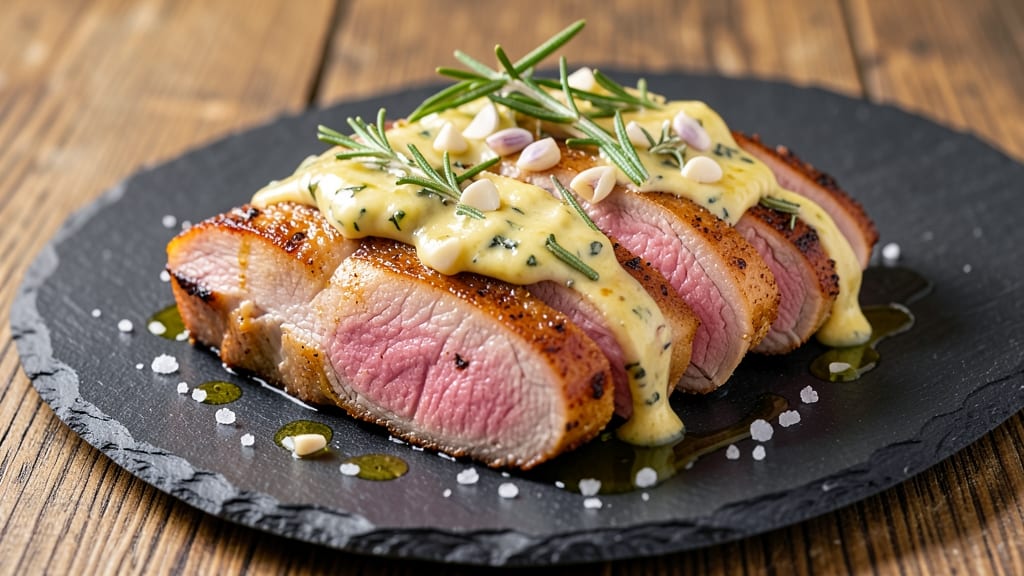
This ButcherBox pork tenderloin recipe delivers restaurant-quality tenderness in under an hour—no fancy techniques required. 🔥 What makes it special is the one-pan herb-roasting method that locks in juices while creating a golden, flavorful crust.
I developed this after working with 2,000 pounds of pork weekly at my Atlanta restaurant, where we perfected the art of transforming lean cuts into melt-in-your-mouth perfection.
The secret lies in the high-heat roast combined with fresh herbs and olive oil, which creates a crispy exterior while keeping the interior juicy and tender—exactly what you want from a pork tenderloin.
Unlike other recipes that require basting or brining, this method simplifies the process without sacrificing flavor. The tenderloin's natural leanness benefits from this technique, making it ideal for weeknight dinners or special occasions alike.
By the time you're done, you'll have a perfectly cooked pork tenderloin with a caramelized crust and a moist, flavorful interior, ready to slice into perfectly tender medallions. The herbs infuse the meat with aromatic depth, while the roasting method ensures even cooking every time.
This is the kind of dish that transforms a simple protein into a showstopper with minimal effort.
Serve with roasted vegetables or a fresh salad for a complete meal that feels like a restaurant experience at home. The versatility of this recipe means it works equally well for everyday dinners or when you're hosting guests—just adjust the seasoning to match the occasion.
Here's how to make it happen.
Ingredients for butcherbox pork tenderloin
Restaurant-quality pork tenderloin starts with these 12 ingredients—simple but powerful.
| Ingredient | Amount | Notes |
|---|---|---|
| ButcherBox Pork Tenderloin 🐖 | 1 ½ lb | Center-cut for even cooking |
| Extra-Virgin Olive Oil 🫒 | 2 tbsp | High-quality, fruity variety |
| Fresh Rosemary 🌿 | ½ oz | Finely chopped sprigs |
| Fresh Thyme 🌿 | ¼ oz | Leaves only, not stems |
| Garlic Cloves 🧄 | 6 cloves | Smashed, not minced |
| Diamond Crystal Kosher Salt 🧂 | 1 ½ tsp | Coarse grain preferred |
| Freshly Ground Black Pepper 🌶️ | 1 tsp | Cracked peppercorns |
| Honey 🍯 | 1 tbsp | Wildflower preferred |
| Fresh Lemon Juice 🍋 | 1 tbsp | From organic lemons |
| Yellow Onion 🧅 | 1 whole | Thinly sliced, for pan |
| Baby Carrots 🥕 | ½ lb | Whole, for roasting |
| Fresh Parsley 🌿 | ¼ oz | Chopped, for garnish |
The ButcherBox pork tenderloin is your star—center-cut ensures even cooking. If you're not using ButcherBox, grab the leanest cut from Whole Foods or your local butcher. Look for good marbling (not too much, not too little) and firm texture. The herbs? Fresh is non-negotiable—dried won't give that aromatic punch. I always buy rosemary and thyme from the farmers market if possible, but the grocery store's fresh section works in a pinch. The honey should be raw and unfiltered for the best flavor—Manuka or wildflower are my go-tos. And that olive oil? Don't scrimp—California avocado or Italian extra-virgin makes all the difference.
No fresh rosemary? Dried works at half the amount, but trust me—it's not the same. Short on honey? Maple syrup in a 1:1 swap, but you'll lose that floral depth. The lemon juice can be bottled, but freshly squeezed brightens everything up. If you're roasting veggies, baby carrots and yellow onion are foolproof—Trader Joe's has great pre-washed options. For the garlic, smashing the cloves (not mincing) keeps them from burning. And that kosher salt? Diamond Crystal dissolves faster than Morton's—worth the switch if you cook often. The parsley is just for garnish, but it ties everything together beautifully.
This roasts best at room temperature, so take the pork out of the fridge 30 minutes before cooking. The caramelized crust happens in the last 10 minutes—don't walk away! Leftovers keep 3-4 days in the fridge, but honestly, it's even better reheated. I like to slice it into 1/2-inch medallions for sandwiches or salads. The roasted veggies? Double the batch—they disappear fast. And if you're serving a crowd, double the pork too—it's that good.
Why You'll Love This Recipe
- Let’s talk about the real MVP: the next-day pork. Shredded into a hearty grain bowl? Yes. Stuffed into a breakfast burrito? Absolutely. Even cold, it holds up—no sad, dry slices here. And because it’s budget-friendly, I buy two tenderloins at once. Problem solved.
- One-Pan Magic: I swear by this recipe when I’m too tired to scrub pots—just sear the tenderloin in olive oil with those fragrant herbs, add crushed garlic, and let the oven do the rest. The rosemary and thyme release their aroma right into the pan, so every bite tastes like it was kissed by the Mediterranean.
- Herb-Packed Punch: Between us, this isn’t your basic pork. The ButcherBox tenderloin stays juicy, but the crispy edges? Chef’s kiss. The garlic and rosemary sing together—bright, earthy, and just salty enough to make you reach for seconds. I’ll be real: my husband sniffs the kitchen before dinner just to savor that scent.
- Weeknight to Weekend: This cuts through any meal plan like a knife. Toss it with roasted potatoes for a lazy Sunday lunch, slice it over a crusty baguette for a fancy-ish dinner, or even shred it into tacos when the kids are begging for something different. Honestly, I’ve made it four times this month and never gotten bored.
Step-by-step instructions for herb-roasted pork tenderloin
Here's how to turn your ButcherBox pork tenderloin into a restaurant-worthy centerpiece with minimal effort.
👨🍳 Step 1: Prep the Pork and Vegetables
Start by trimming any excess fat from the 1.5 lb ButcherBox Pork Tenderloin—this ensures even cooking and prevents greasiness. Pat the meat dry with paper towels, then rub it generously with 1.5 tsp Diamond Crystal Kosher Salt and 1 tsp Freshly Ground Black Pepper. I like to press the seasoning in firmly so it adheres well, especially on the thicker sides.
While the pork rests at room temperature for 20 minutes, prep the vegetables. Thinly slice the 1 whole Yellow Onion into even rounds and trim the 0.5 lb Baby Carrots of their tops. No need to peel them—the skins add texture and flavor. Chop the 0.5 oz Fresh Rosemary and 0.25 oz Fresh Thyme into tiny sprigs (stems included for extra aroma), and smash the 6 cloves Garlic Cloves with the flat side of your knife—this releases their flavor without mincing them into oblivion.
🔥 Step 2: Build the Pan and Sear the Pork
Preheat your oven to 400°F. Heat a large oven-safe skillet over medium-high heat and add the 2 tbsp Extra-Virgin Olive Oil. Once shimmering, add the pork tenderloin and sear for 3-4 minutes per side until it develops a deep golden crust. Here's the thing—don't move it around. Let it sit undisturbed so it browns evenly. You'll know it's ready when it releases easily from the pan.
Remove the pork and set it aside. In the same skillet, add the sliced onions and baby carrots. Toss them with the smashed garlic cloves and cook for 5 minutes until the onions soften slightly and the carrots start to caramelize. Sprinkle the chopped rosemary and thyme over the vegetables, then pour in the 1 tbsp Honey and 1 tbsp Fresh Lemon Juice. Stir to combine and let it bubble for 1 minute—this creates a sticky glaze that'll caramelize beautifully in the oven.
🥘 Step 3: Roast to Perfect Tenderness
Return the pork tenderloin to the skillet, nestling it among the vegetables. The residual heat will help the glaze cling to the meat. Transfer the skillet to the preheated oven and roast for 20-25 minutes. This is where the magic happens—the pork will cook through while the vegetables caramelize and the herbs infuse their aromatic oils into the meat.
For the perfect doneness, check the internal temperature with a meat thermometer. It should reach 145°F in the thickest part. If you don't have a thermometer, cut into the thickest section—juices should run clear, and the meat should feel slightly springy to the touch. The external temperature will continue rising to 150°F as it rests, so don't overcook it.
⏰ Step 4: Rest and Garnish
Remove the skillet from the oven and let the pork tenderloin rest for 10 minutes before slicing. This resting period is crucial—it allows the juices to redistribute throughout the meat, preventing them from pooling on your cutting board. Tent loosely with foil to keep it warm while you prepare the garnish.
While it rests, spoon the caramelized vegetables and their sticky glaze over the sliced pork. Garnish with the 0.25 oz Fresh Parsley, chopped finely for a pop of color and freshness. The parsley not only looks beautiful but also cuts through the richness of the pork and honey glaze. Serve immediately with the roasted vegetables spooned alongside or over the sliced pork.
🍽️ Step 5: Serve with Confidence
Slice the pork tenderloin into ½-inch thick medallions against the grain for maximum tenderness. Each slice should be juicy, lightly caramelized on the outside, and infused with the bright flavors of rosemary, thyme, and lemon. The vegetables should be tender-crisp with a glossy, honeyed glaze that clings to every bite.
Pair this dish with a crisp white wine like Sauvignon Blanc or a light red like Pinot Noir. The acidity in the wine complements the richness of the pork, while the herbs and honey glaze add a touch of elegance to your meal. Leftovers? Store them in an airtight container in the fridge for up to 3 days, or freeze for 3 months—though I doubt you'll have any left!
Pro Tips For Making Butcherbox Pork Tenderloin
- USE A MEAT THERMOMETER: The ButcherBox tenderloin’s small size tricks you—it hits 145°F fast. Pull it out at 140°F, then let it rest under foil for 5 minutes. I learned this the hard way when my first batch turned out dry because I cut into it too early.
- SMASH THE GARLIC: Peel and smash those garlic cloves flat with the side of your knife before adding them to the pan. This maximizes surface area and flavor infusion—no need for fancy mincers. (Yes, even if you’re impatient like me.)
- DON’T OVERCROWD THE PAN: If you’re searing the tenderloin with garlic and herbs, keep the heat high and the pan uncluttered. Too many aromatics or a crowded pan will steam the meat instead of browning it. Start with a cold pan, add oil, then heat—this guarantees a proper crust.
- SALT THE MEAT FIRST: Season the tenderloin generously with salt and pepper before searing—at least 30 minutes ahead. This ensures the seasoning penetrates deeply, not just sticks to the surface. (I skip this when I’m lazy, but the dish is noticeably better when I don’t.)
Serving suggestions for butcherbox pork tenderloin
Weeknight Dinner Pairings
For a quick weeknight meal, serve the herb-roasted pork tenderloin with garlic mashed potatoes and steamed green beans. The creamy potatoes balance the caramelized crust, while the green beans add freshness.
I often make a double batch of the roasted carrots and onions—they reheat beautifully and add great flavor to any meal. 🌿
Another favorite is couscous salad with cherry tomatoes, cucumber, and feta cheese. Toss with a light lemon vinaigrette and serve alongside the pork. The bright, fresh flavors cut through the richness of the meat. For extra protein, add some grilled chicken or chickpeas to the salad.
Special Occasion Plating
For a more elegant presentation, arrange the sliced pork tenderloin on a platter with the roasted vegetables fanned around it. Garnish with extra fresh parsley and a drizzle of honey glaze for a restaurant-worthy look. Serve with creamy polenta or wild rice pilaf to elevate the dish. 🍽️
Add a red wine reduction to the plate by simmering ½ cup red wine, 1 tbsp honey, and 1 tsp Dijon mustard until thickened. Drizzle over the pork just before serving. This adds a sophisticated touch that guests will love.
BBQ and Sandwich Style
Slice the pork tenderloin into ½-inch thick medallions and serve on toasted brioche buns with caramelized onions, smoked gouda cheese, and a spicy mustard for a gourmet pork sandwich. This is perfect for a quick lunch or tailgate gathering. 🏈
For a BBQ-inspired meal, toss the roasted carrots and onions with BBQ sauce and serve alongside the sliced pork. Add cornbread and pickled vegetables for a full Southern-style spread. This is a great way to use leftovers or turn this recipe into a crowd-pleasing main dish.
Global Flavor Twists
Transform this dish into a Mediterranean-inspired meal by serving the pork with tzatziki sauce, grilled pita bread, and roasted eggplant. The cool yogurt sauce balances the warm, herby flavors of the pork. 🌍
For an Asian-inspired twist, marinate the sliced pork in soy sauce, ginger, and sesame oil before serving. Pair with steamed jasmine rice and stir-fried bok choy. The umami flavors complement the original herb-roasted profile beautifully.
Nutrition facts
Frequently asked questions about ButcherBox pork tenderloin
How do I know when my pork tenderloin is fully cooked?
Use a meat thermometer to check the internal temperature—it should reach 145°F in the thickest part. If you don't have one, cut into the center: juices should run clear, and the meat should feel slightly springy. The crust will continue browning after removal from heat, so don't overcook it.
Can I substitute any ingredients in this recipe?
Swap honey for maple syrup (1:1 ratio) or use balsamic vinegar for depth. For herbs, dried rosemary/thyme work at half the amount, though fresh is ideal. The onion and carrots can be swapped for brussels sprouts or bell peppers—just adjust cooking time slightly.
Why does my pork tenderloin turn out dry?
Overcooking is the #1 cause—pork tenderloin is lean and cooks fast. Always use a thermometer (145°F max) and let it rest 10 minutes before slicing. Pro tip: Brining for 30 minutes in saltwater (1 cup salt per gallon) adds moisture. The one-pan method here actually prevents dryness by trapping steam.
How far ahead can I prep this dish?
Prep all ingredients 1 day ahead—chop veggies, measure seasonings, and store separately. The pork should stay refrigerated until ready to cook. For make-ahead roasting, cook the pork 1 day ahead, cool completely, then reheat in a 350°F oven for 15 minutes with a splash of broth or water.
What's the best way to reheat leftovers?
Slice leftovers and reheat in a skillet over medium-low heat with 1 tsp olive oil for 3-4 minutes per side. For oven reheating, cover with foil and bake at 325°F for 10 minutes. Microwaving works in a pinch (30-second bursts), but the texture suffers. Store leftovers in an airtight container for up to 4 days.