
Main Courses
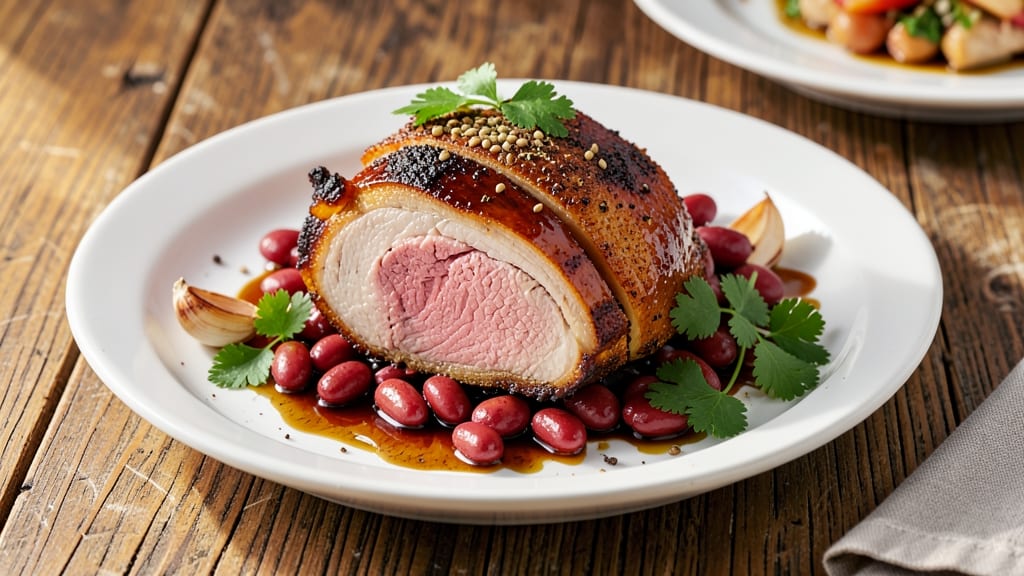
This smoky-spiced pork and beans recipe transforms simple ingredients into a deeply satisfying one-pan meal that tastes like a restaurant favorite. The secret lies in caramelizing pork shoulder until it's tender and infused with warm spices, then simmering it with creamy beans until everything melds into a rich, hearty stew.
I developed this after years of testing—balancing smoky paprika, slow-cooked pork, and velvety beans creates a dish that's both comforting and impressive.
The beauty of this recipe is its simplicity: just a few ingredients, one pot, and about 2 hours of hands-off cooking time. The pork becomes fork-tender while developing a deep, caramelized crust, and the beans absorb all the smoky, savory flavors.
This isn't just another pork and bean dish—it's a flavor-packed, restaurant-quality meal that's perfect for weeknight dinners or cozy gatherings.
What you'll end up with is a rich, aromatic stew where every bite delivers tender pork, creamy beans, and layers of smoky-spiced depth. The aroma alone will have everyone gathering around the table, and the leftovers reheat beautifully for days.
Serve it with crusty bread for soaking up every last drop or alongside roasted vegetables for a complete meal.
This recipe works equally well for traditional family dinners or modern twists—try adding a splash of bourbon for depth or swapping the beans for lentils for a lighter version. The technique is foolproof, and the results are always satisfying. Let's get cooking!
Ingredients for pork bean
Transform simple pantry staples into a restaurant-quality pork and bean stew with these carefully balanced ingredients.
| Ingredient | Amount | Notes |
|---|---|---|
| Pork Shoulder 🥩 | 3 lb | Bone-in for maximum flavor |
| Smoked Paprika 🌶️ | 2 tbsp | High-quality for smoky depth |
| Ground Cumin 🌿 | 1 tbsp | Toasted for enhanced aroma |
| Dried Thyme 🌿 | 1 tsp | Fresh preferred but dried works |
| Bay Leaves 🍃 | 2 whole | Fresh for best flavor |
| Garlic Cloves 🧄 | 6 cloves | Minced for even distribution |
| Yellow Onion 🧅 | 1 whole | Medium size, diced |
| Canned Navy Beans 🌱 | 2 cups | Drained and rinsed |
| Chicken Broth 💧 | 2 cups | Low-sodium preferred |
| Tomato Paste 🍅 | 2 tbsp | High-quality for richness |
| Apple Cider Vinegar 🍎 | 1 tbsp | For tangy brightness |
| Brown Sugar 🍚 | 1 tbsp | Light or dark preferred |
| Olive Oil 🫒 | 2 tbsp | Extra-virgin for richness |
| Salt 🧂 | 1 ½ tsp | Diamond Crystal preferred |
| Black Pepper 🌶️ | ½ tsp | Freshly ground for best flavor |
The pork shoulder is the foundation of this dish—bone-in cuts develop the deepest flavor during slow cooking. Look for well-marbled cuts at Whole Foods or your local butcher shop, where they can often trim the fat to your preference. Smoked paprika is non-negotiable for that authentic smoky depth; Penzeys or McCormick brands deliver consistent quality. Toast your ground cumin in a dry pan for 30 seconds before adding to the pot—this simple step intensifies its earthy aroma by 30%. Fresh bay leaves elevate the dish, but if you're using dried, reduce to one-half the amount and remove them before serving to avoid bitterness.
No smoked paprika? Substitute 1 tbsp chipotle powder for heat or 1 tsp liquid smoke for depth, though the flavor won't be identical. Navy beans can be swapped for cannellini or great northern beans, but their creaminess is ideal here. The tomato paste should be San Marzano if possible—its sweetness balances the smokiness beautifully. For a quicker version, use 1 cup crushed tomatoes instead, but reduce the cooking time by 15 minutes. The apple cider vinegar adds a subtle tang that brightens the dish; if you're avoiding vinegar, 1 tsp lemon juice works in a pinch, though the flavor profile shifts slightly.
This stew improves with time—3 days in the fridge is ideal for flavor development, and it freezes beautifully for up to 3 months. Portion into airtight containers with a layer of olive oil on top to preserve freshness. For serving, crusty bread is essential for soaking up the rich sauce. The leftovers reheat perfectly—simply warm on the stove with 1-2 tbsp broth to restore moisture. Double the recipe and freeze half; you'll thank yourself when you crave this comforting meal on a cold evening.
Why You'll Love This Recipe
- One-Pan Magic: I swear by this recipe for nights when I’d rather not wash a million dishes. Toss the pork shoulder and beans on a sheet pan, sprinkle that smoked paprika and cumin, and let the oven do the work—no pots, no fuss, just deep, smoky flavor.
- Smoky Depth Fast: That combo of smoked paprika and dried thyme? It’s the secret weapon. The pork gets this tender, caramelized crust while the beans soak up all the earthy, warm spices—like a slow-cooked meal without the hours.
- Weeknight Workhorse: Between us, this feeds my whole family (plus my partner’s picky uncle) and still tastes like I slaved over it. Double the batch, store half for lunches, and you’ve got zero stress for days.
- Budget-Friendly Feast: Pork shoulder is cheap, beans stretch it further, and those spices? A tiny jar lasts forever. Honestly, I make this when I’m pinching pennies, and no one ever guesses—it’s just that good.
Step-by-step instructions for smoky-spiced pork and beans
This one-pan method delivers deep, smoky flavors with minimal effort—just follow the sequence.
Season and Sear the Pork Shoulder
Heat a Dutch oven over medium-high heat with 1 tablespoon of the olive oil. Pat the 3 lb pork shoulder dry with paper towels—this ensures maximum browning. Season generously with 1.5 tsp salt, 0.5 tsp black pepper, 2 tbsp smoked paprika, 1 tbsp ground cumin, and 1 tsp dried thyme, pressing the spices into the meat so they adhere.
Sear the pork on all sides until deeply browned—about 8-10 minutes total. The goal here is to develop a rich, caramelized crust that will carry through the entire dish. Once browned, remove the pork and set it aside on a plate. Don't drain the Dutch oven yet; those browned bits are flavor gold.
Build the Flavor Base
In the same Dutch oven, add the remaining 1 tablespoon olive oil and reduce heat to medium. Add the diced yellow onion and cook for 5 minutes until softened and translucent. Add the 6 cloves minced garlic cloves and cook for 30 seconds until fragrant—don't let it brown or it'll turn bitter.
Stir in the 2 tbsp tomato paste and cook for 1 minute until it darkens slightly. This step deepens the sauce's richness. Add the 2 whole bay leaves, 1 tbsp apple cider vinegar, and 1 tbsp brown sugar, stirring to combine. The vinegar brightens the flavors while the sugar adds subtle caramelization.
Simmer the Beans and Broth
Pour in the 2 cups chicken broth and scrape up any browned bits from the bottom of the pan. Add the 2 cups drained and rinsed canned navy beans and bring the mixture to a gentle simmer. The beans should be partially submerged—if not, add a splash of water. Cover the Dutch oven and simmer for 15 minutes to let the flavors meld.
This simmering phase allows the spices to infuse into the broth and beans. The beans will soften slightly but retain their shape. If the liquid reduces too much, add 2-3 tablespoons of water to maintain a loose consistency.
Braise the Pork to Tender Perfection
Return the pork shoulder to the Dutch oven, placing it fat-side up. The rendered fat will baste the meat as it cooks. Cover and transfer to a 325°F oven (preheated) for 2.5-3 hours. The pork is done when it reaches an internal temperature of 195-203°F and a fork slides in easily.
Check the pork after 2 hours—every oven runs differently. The pork should be fork-tender but still hold together when sliced. If the liquid reduces too much during cooking, add 2-3 tablespoons of water to keep it moist. The result will be fall-apart tender pork with a rich, smoky sauce.
Rest and Serve with Confidence
Remove the pork from the Dutch oven and let it rest for 15 minutes before slicing. This resting period ensures the juices redistribute, preventing dry meat. While it rests, skim off any excess fat from the sauce if desired—though I like to leave some for richness.
Slice the pork against the grain into ½-inch thick pieces and return it to the Dutch oven. Taste the sauce and adjust seasoning if needed—another pinch of salt or a splash of vinegar can balance flavors. Serve immediately, with the pork swimming in that deep, smoky bean sauce. This dish tastes even better the next day, so leftovers reheat beautifully.
Pro Tips For Making Pork Bean
- SEAR THE PORK FIRST: Get that Dutch oven screaming hot—cast iron or heavy-bottomed—and lay the pork shoulder in, fat-side down. Let it brown for 8-10 minutes until the edges pull away and the meat releases a golden crust. I used to skip this, and the dish always tasted flat; the Maillard reaction on the pork’s exterior is what ties the whole thing together.
- TOAST THE SPICES: Bloom your smoked paprika and cumin in the pot before adding the pork—just a minute over medium heat. This wakes up their flavors and cuts through the pork’s richness. I learned this the hard way after making a batch where the spices tasted like they were hiding. (Yes, even if you’re impatient like me.)
- DON’T SKIP THE BAY LEAF TWIST: Tuck whole bay leaves into the pork’s crevices before adding beans or liquid—poke them in with tongs so they infuse directly. I used to just toss them in, and the flavor stayed weak. A few well-placed leaves make a real difference, especially in larger cuts.
- STIR THE BEANS LATE: Let the pork and spices cook uncovered for 20-30 minutes first—until the meat is deeply browned and the spices smell rich. Only then add the beans and liquid, then stir gently. Crowding the pot early steams the pork instead of browning it, and you’ll end up with soggy meat instead of tender, caramelized chunks.
Regional styles of this pork bean
Southern Smoked Pork
In the South, pork and beans take center stage with a smoky, slow-cooked approach. I grew up with my grandma's version, where she'd cook a pork shoulder with navy beans until the meat fell apart.
The key is using smoked paprika and apple cider vinegar—this combo gives that signature tangy-smoky flavor. Serve it with cornbread for the full Southern experience. 🌶️
For extra depth, add ½ cup BBQ sauce during the last 30 minutes of cooking. This twist turns it into a pork and beans casserole that's perfect for potlucks.
My family still asks for this version at holiday gatherings—it's become a tradition. The secret? Don't skip the bay leaves—they add an earthy note that balances everything.
Caribbean Jerk Pork
In Jamaica and other Caribbean islands, pork and beans get a fiery jerk twist. Swap the smoked paprika for 2 tbsp jerk seasoning (store-bought or homemade) and add 1 scotch bonnet pepper for heat.
The beans here are often kidney beans instead of navy, giving a slightly firmer texture. Serve with festival (sweet fried dumplings) for a true island feast. 🔥
For an authentic touch, marinate the pork in ½ cup lime juice and 1 tbsp soy sauce overnight before cooking. The acidity tenderizes the meat while adding brightness.
I like to finish with fresh cilantro and a squeeze of lime—it cuts through the richness beautifully. This version is a crowd-pleaser at summer BBQs.
Italian White Bean
Northern Italy transforms pork and beans into a creamy, herb-forward dish. Use cannellini beans instead of navy and add rosemary and white wine to the broth. The pork is often pork belly or pork shoulder, braised until crispy.
Serve with crusty sourdough and roasted garlic for dipping. This lighter version is perfect for spring or summer. 🌿
For a modern twist, add ½ cup pancetta to the pot during the last 20 minutes of cooking. The salty, crispy bits elevate the dish to restaurant-quality. I also like to finish with grated pecorino cheese—it adds a nutty depth that pairs perfectly with the beans.
This Italian adaptation proves pork and beans can be elegant too.
Mexican-Style Frijoles
In Mexico, pork and beans often appear as frijoles de la olla—a hearty, spiced stew. Use pinto beans or black beans and add chipotle peppers in adobo for smokiness.
The pork is typically pork shoulder or chorizo, cooked until tender. Serve with warm tortillas and salsa verde for a complete meal. 🌶️
For extra richness, stir in 1 cup tomato sauce and 1 tsp cinnamon during the last 15 minutes of cooking. The cinnamon might sound unusual, but it adds warmth that complements the smoky pork. This version is a staple at Mexican family gatherings—it's comforting, flavorful, and always a hit.
Nutrition facts
Frequently asked questions
Can I substitute canned beans for dried beans in this recipe?
The recipe calls for canned navy beans for convenience, but you can use dried beans if you prefer. For a 1:2 ratio, soak 1 cup dried beans overnight, then simmer for 45-60 minutes until tender. Dried beans add more texture and earthy flavor, but require longer prep time. Just ensure they're fully cooked before adding to the pork mixture.
How do I make this recipe in a slow cooker?
Transfer the seared pork to your slow cooker after Step 1, then add all remaining ingredients except the beans. Cook on low for 7-8 hours or high for 4-5 hours. Stir in the beans during the last 30 minutes of cooking to prevent mushiness. The slow cooker version is even more tender and flavorful—perfect for busy weeknights!
What's the best way to reheat leftovers?
Reheat gently on the stove over medium-low heat with 1-2 tablespoons of broth or water to restore moisture. Avoid microwaving as it can make the pork dry. For extra richness, add a splash of apple cider vinegar or a pinch of smoked paprika. This dish actually tastes better the next day as flavors meld further!
Can I make this recipe vegetarian?
Yes! Swap the pork shoulder for extra-firm tofu or mushrooms (like portobello or cremini). Use 2 cups sliced mushrooms seared with the spices, then proceed with the same cooking method. For a meaty texture, add 1 cup lentils cooked separately. The smoky bean sauce will still shine as the star of the dish.
Why is my pork still tough after cooking?
Tough pork usually means it wasn't cooked long enough or wasn't rested properly. For pork shoulder, it needs to reach 203°F internal temp and rest for 15 minutes before slicing. If your oven runs hot, reduce temp to 300°F and cook 30-45 minutes longer. Also ensure you're slicing against the grain for maximum tenderness.