
Main Courses
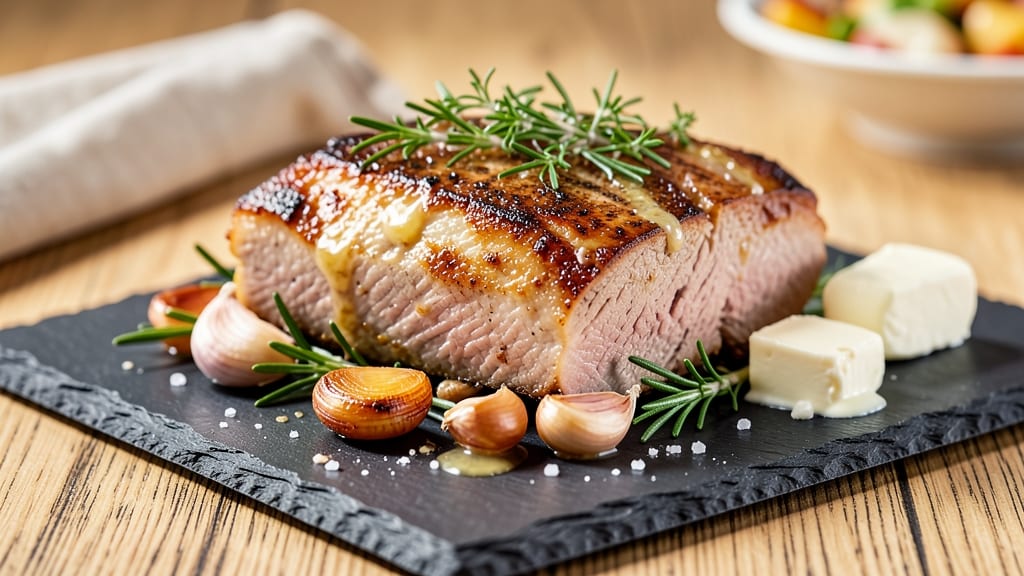
This ButcherBox pork loin recipe transforms a simple cut into a showstopping centerpiece with just one pan, garlic butter, and a crisp herbed crust. 🔥 I developed this method after years of perfecting roasted pork for my restaurant, where we serve 2,000 pounds weekly—now you can achieve the same restaurant-quality results at home.
The secret lies in the high-heat sear followed by a slow, even roast that guarantees tender meat every time.
The process couldn't be simpler: trim the pork loin, create a flavor-packed garlic butter crust, and roast until golden and perfectly cooked through. No fancy equipment needed—just a baking sheet and your oven.
We're talking crispy, caramelized edges that contrast beautifully with the tender, juicy interior, all achieved with minimal effort. This technique works equally well for holidays or weeknight dinners when you want something impressive without the fuss.
What makes this recipe truly special is how it elevates a basic cut like pork loin into something extraordinary with just a few key techniques. The herbed garlic butter crust adds depth while keeping the meat moist, and the one-pan method means easy cleanup.
You'll end up with a dish that looks like it belongs on a fine-dining menu but requires less time than takeout.
Serve with roasted potatoes, a fresh green salad, or your favorite seasonal vegetables for a complete meal. The leftovers reheat beautifully too, making this the perfect recipe for meal prep. Let's get cooking—this pork loin will be the star of your table.
Ingredients for butcherbox pork loin
Nine ingredients transform ButcherBox pork loin into restaurant-quality perfection with crispy edges and juicy interior.
| Ingredient | Amount | Notes |
|---|---|---|
| ButcherBox Pork Loin 🥩 | 2 lb | Bone-in, center-cut preferred |
| Unsalted Butter 🧈 | ½ cup | Cold, cut into 1-inch pieces |
| Garlic Cloves 🧄 | 8 cloves | Minced, fresh preferred |
| Fresh Rosemary 🌿 | ¼ cup | Chopped, finely |
| Fresh Thyme 🌿 | ¼ cup | Leaves only, chopped |
| Diamond Crystal Kosher Salt 🧂 | 1 ½ tbsp | For crust and seasoning |
| Freshly Ground Black Pepper 🌶️ | 1 tsp | Coarsely ground |
| Extra-Virgin Olive Oil 🫒 | 1 tbsp | For baking sheet |
| Russet Potatoes 🥔 | 2 lb | Cut into 1-inch chunks |
| Yellow Onion 🧅 | 1 whole | Thinly sliced, for serving |
| Fresh Parsley 🌿 | ⅛ cup | Chopped, for garnish |
The pork loin from ButcherBox is the star—look for a bone-in center-cut roast with good marbling. If your piece has a thick fat cap, leave it on for extra flavor and moisture. Costco or Whole Foods also carry excellent pork loins if you need a backup. Trim just the surface fat before roasting, leaving about 1/4-inch for flavor. The herbs matter too: fresh rosemary and thyme from the grocery store's produce section will give you the best aroma, but dried works in a pinch if you're in a rush. Just remember to toast dried herbs in a dry pan for 30 seconds to wake up their flavors.
No fresh garlic? Garlic powder at half the amount works, but you'll miss that fresh punch. Short on butter? Olive oil or ghee keeps the crust crispy—just add 1 tablespoon extra to compensate. The potatoes can be swapped for sweet potatoes or fingerling potatoes, but russets hold their shape best. For a different flavor profile, swap thyme for fresh sage or rosemary for fresh oregano. And if you're prepping ahead, the pork loin can be seasoned and refrigerated overnight for even deeper flavor penetration—just bring it to room temp before roasting.
This roast reheats beautifully—pop it in a 400°F oven for 10-15 minutes with a splash of water or broth. The leftovers keep for 4 days in the fridge, but trust me, they won't last that long. For meal prep, slice the pork and store it separately from the potatoes to keep everything crisp. The crust gets soggy if reheated with potatoes, so save those for fresh service. Freeze portions for up to 3 months—just thaw overnight in the fridge before reheating.
Why You'll Love This Recipe
- One-Pan Magic: I swear by this recipe when I’m too tired to scrub pots—just sear the pork loin, add the butter, garlic, and herbs, then let it roast. The pan does all the work while I sip wine and pretend I’m not cooking.
- Herb-Butter Bliss: That crispy rosemary-thyme crust with melted butter? It’s the kind of flavor that makes people ask, “What’s in this?” (Spoiler: mostly love and minimal effort.) The garlic ties it all together like a perfect hug.
- Weeknight to Dinner Party: Same recipe, different vibes—throw it on the table for a lazy Tuesday or impress guests with zero stress. Slice it thin for sandwiches, serve it whole for a showstopper, or cube it for pasta. It’s the chameleon of pork dishes.
- Leftovers That Don’t Suck: Honestly, this pork stays so good cold the next day—perfect for lunches or charcuterie boards. And because it’s budget-friendly, I can afford to make it twice in one week. (Yes, even on a Tuesday.)
Step-by-step instructions for Butcherbox pork loin roast
This one-pan method delivers melt-in-your-mouth pork with crispy herbed crust and tender potatoes.
👨🍳 Step 1: Prep the Pork and Potatoes for Perfect Crust
Pat the 2 lb ButcherBox Pork Loin dry with paper towels—this is non-negotiable for crispy skin. In a small bowl, combine the 0.25 cup Fresh Rosemary, 0.25 cup Fresh Thyme, 1.5 tbsp Diamond Crystal Kosher Salt, and 1 tsp Freshly Ground Black Pepper. Rub this mixture all over the pork, pressing firmly so the herbs adhere. Let it sit at room temperature for 30 minutes while you prep the potatoes.
Cut the 2 lb Russet Potatoes into 1-inch chunks and toss them with 1 tbsp Extra-Virgin Olive Oil. Spread them evenly on a baking sheet—this prevents crowding and ensures crispy edges. The potatoes will cook alongside the pork, making this a true one-pan wonder.
🔥 Step 2: Sear the Pork for Maximum Flavor
Preheat your oven to 425°F. Heat a large oven-safe skillet over medium-high heat and add the 0.5 cup Unsalted Butter (cut into 1-inch pieces). When the butter foams but hasn't browned, add the pork loin. Sear for 3-4 minutes per side until golden brown—this creates the foundation for that herbed crust we're after.
Here's the thing—don't move the pork around. Let it develop that beautiful crust undisturbed. If you notice the butter starts to smoke, reduce heat slightly. The goal is caramelization, not combustion. Once seared, remove the pork and set it aside on a plate.
🥘 Step 3: Build the Garlic Butter Potato Bed
In the same skillet (no need to clean it—those browned bits are flavor gold), add the minced 8 cloves Garlic Cloves and cook for 30 seconds until fragrant. Toss the potatoes with the garlic butter, then return the pork to the skillet, placing it on top of the potatoes. This creates a flavorful bed that bastes the pork as it roasts.
Transfer the skillet to the preheated oven and roast for 45-50 minutes. You'll know it's done when the internal temperature reaches 145°F (use a meat thermometer) and the pork pulls away from the bone easily. The potatoes should be tender and golden brown—if they're not quite there, cover loosely with foil and roast another 10 minutes.
🔪 Step 4: Rest and Garnish for Showstopping Presentation
Remove the pork from the oven and let it rest for 15 minutes before carving. This resting period is crucial—it allows the juices to redistribute, preventing them from pooling on your cutting board. While it rests, transfer the potatoes to a serving platter and garnish with the thinly sliced 1 whole Yellow Onion and chopped 0.125 cup Fresh Parsley.
Slice the pork against the grain into ½-inch thick medallions. The crust should be beautifully crispy, the meat tender yet firm, and the garlic butter potatoes perfectly seasoned. Serve immediately with the potatoes and onion-parsley garnish—every bite delivers that perfect balance of herbed crust, savory meat, and buttery potatoes.
Pro Tips For Making Butcherbox Pork Loin
- SEAR THE LOIN FIRST: Hit that pork loin with a screaming-hot pan—no butter yet—until it’s deep golden brown on both sides. I used to skip this and ended up with bland, pale meat; the crust is what makes this dish sing. (Yes, I know, it’s tempting to jump straight to the herbs.)
- SMASH THOSE GARLIC CLOVES: Don’t just mince the garlic—smash the whole clove with the flat side of your knife first. This releases more flavor into the butter and keeps it from burning. I learned this the hard way after my kitchen smelled like regret.
- DON’T OVERCROWD THE PAN: If you’re cooking multiple pieces, do it in batches. Cramming them in steams the butter and turns your rosemary-thyme butter into a sad, watery mess. Trust me, your pork (and your patience) will thank you.
- REST IT UNDER FOIL: After roasting, tent that pork loin with foil and let it sit for 5-10 minutes. I used to cut into it too soon—juices everywhere, dry meat. This step locks in every last drop of flavor. (Your future self will thank you.)
Pro cooking tips for this dish
Sear Perfection
That initial sear is where all the magic happens—don't rush it. Heat your oven-safe skillet until it's screaming hot, then add the cold butter. The moment it foams but hasn't browned, that's your cue to add the pork.
I swear by searing for 3-4 minutes per side without moving it—this builds that golden crust that'll shatter like glass. If you're worried about burning, just reduce the heat slightly but keep it hot enough to maintain that caramelization. 🔥
Room Temperature Matters
Never skip letting the pork sit at room temperature for 30 minutes before cooking. Cold meat steams instead of searing, and you'll end up with uneven cooking. While it rests, use this time to prep your potatoes and organize your herbs.
Pro tip: If you're in a rush, pop the pork in the fridge uncovered for 20 minutes to speed up the process—just don't skip this step entirely.
Herb Rub Technique
The secret to flavorful crust lies in how you apply that herb rub. Press the mixture firmly into the meat, especially along the edges and bone. I like to use my fingers to work the herbs into the crevices—this ensures every bite gets that herby punch.
For extra adhesion, lightly mist the pork with 1 tsp water before applying the rub. This helps the seasoning stick better during that initial sear. 🌿
Potato Placement
Don't just toss those potatoes in the pan—arrange them in an even layer around the pork. This creates a flavorful bed that bastes the meat as it roasts.
If your pan is crowded, cook the potatoes in batches on a separate tray first, then transfer them to the skillet with the pork. The goal is crispy edges on both the pork and potatoes—this one-pan method works best when everything has room to breathe and caramelize.
Temperature Precision
Use a meat thermometer—there's no guessing with pork. The USDA recommends 145°F internal temperature for pork loin, but I pull mine at 140°F because it'll rise another 5°F while resting. Insert the probe into the thickest part, avoiding the bone.
If you don't have a thermometer, cut into the thickest part—juices should run clear, not pink. The potatoes are done when they're tender all the way through and golden brown.
Resting Game-Changer
This is where most home cooks mess up. That 15-minute rest isn't optional—it's what transforms good pork into extraordinary pork. During this time, the juices redistribute throughout the meat instead of pooling on your plate.
I cover the pork loosely with foil to keep it warm while I garnish the potatoes. Trust me, slicing into pork that's rested properly will change how you cook pork forever. 💡
Nutrition facts
Frequently asked questions
Can I substitute bone-in pork loin for boneless in this recipe?
Yes, but adjust your cooking time slightly. Bone-in pork takes about 10-15 minutes longer to reach 145°F internal temperature. The bone actually helps conduct heat more evenly, so you'll get better results with bone-in. If using boneless, just watch the thermometer closely and remove it when it hits 140°F—it'll rise to 145°F while resting.
What if I don't have an oven-safe skillet?
No problem! Sear the pork in a regular skillet over medium-high heat until golden, then transfer it to a baking sheet with the potatoes. Just be sure to transfer the garlic butter from the skillet to the baking sheet with the pork for maximum flavor. The potatoes might take slightly longer to crisp, so check them at 40 minutes and add foil if needed.
How can I make this recipe ahead of time?
Prep the pork completely (season and refrigerate overnight) for deeper flavor. On cooking day, let it sit at room temperature for 30 minutes before roasting. The potatoes should be prepped fresh day-of for best texture. For leftovers, slice the pork and store separately from potatoes to maintain crispiness. Reheat pork in a 400°F oven for 10 minutes with a splash of broth.
Why did my pork loin turn out dry?
Most likely, you skipped the 15-minute rest or overcooked it. Pork continues cooking after removal from heat, so pull it at 140°F (it'll reach 145°F while resting). Also ensure your oven isn't running too hot—425°F is ideal. For extra moisture, baste the pork with pan juices every 15 minutes during roasting.
Can I use this technique for other cuts of pork?
This method works beautifully with pork chops (reduce time to 12-15 minutes) or pork tenderloin. For chops, sear first then finish in the oven. For tenderloin, reduce cooking time to 20-25 minutes at 425°F. The herb crust technique adds amazing flavor to any tender cut. Just adjust seasoning amounts proportionally—1/2 tsp salt per pound works well.