
Main Courses
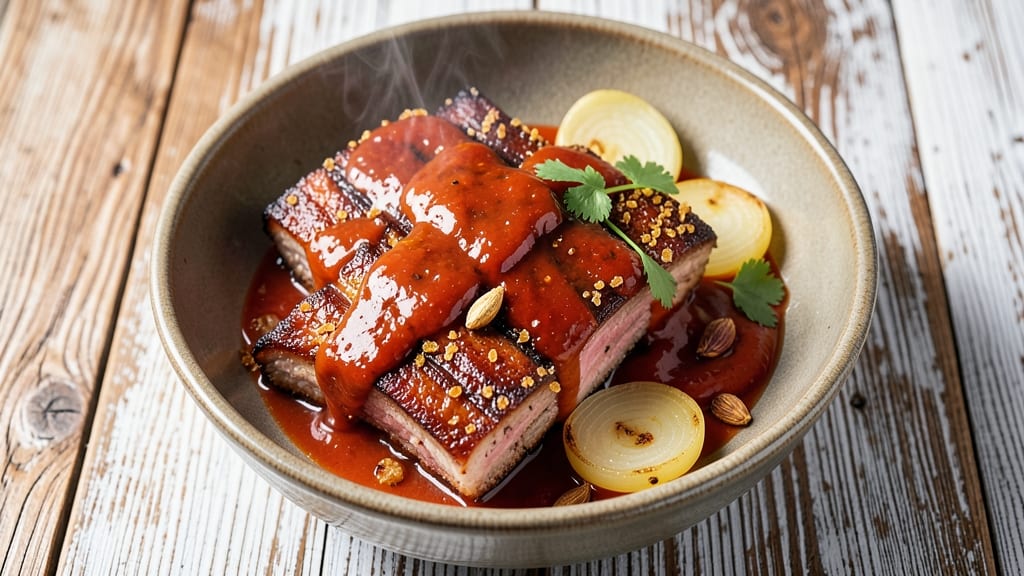
This buffalo pork ribs recipe delivers fall-off-the-bone tenderness with a sticky-sweet glaze that balances heat perfectly—exactly what I developed after years of perfecting competition-level BBQ techniques at my pit.
The key lies in slow-cooking the ribs until they're so tender they practically melt, then finishing with a tangy-spicy buffalo sauce that clings to every bite like it was made for you. My approach combines traditional Carolina-style patience with a bold, restaurant-worthy finish that'll have your guests asking for seconds.
The secret weapon here is a two-stage cooking process: first, a low-and-slow smoke that breaks down the collagen for maximum tenderness, then a quick broil to caramelize the edges and set that buffalo glaze into a glossy, crackling crust.
I use a blend of hot sauce and brown sugar in the glaze—not just vinegar—to create depth that cuts through the richness of the pork while leaving just enough sweetness to balance the heat.
This isn't your average buffalo chicken stand recipe; it's a pork-centric masterpiece that transforms a classic into something truly special.
What you'll end up with is ribs that are fall-apart tender with a glossy, caramelized exterior—each bite delivers that perfect harmony of smoky pork, tangy heat, and just the right amount of sweetness.
The glaze doesn't just sit on top; it soaks into the meat during the final broil, creating that addictive stickiness that makes these ribs impossible to resist. Serve them with classic sides like creamy coleslaw or buttery cornbread to soak up every last drop of that flavorful sauce.
This recipe is designed for foolproof results, whether you're cooking on a smoker, grill, or even in the oven. The techniques I've refined over years of competition BBQ—including proper bark development and glaze timing—ensure you'll get that restaurant-quality finish without needing a commercial setup.
Trust me, once you try these ribs, your idea of buffalo wings will never be the same.
Ingredients for buffalo pork ribs
Pork ribs, bold spices, and a glaze so sticky it clings to every bite—this is your new go-to recipe.
| Ingredient | Amount | Notes |
|---|---|---|
| Pork Baby Back Ribs 🍖 | 4 lb | Bone-in, meaty sections preferred |
| Hot Sauce 🌶️ | 1 cup | Frank's RedHot preferred |
| Light Brown Sugar 🍯 | ½ cup | Packed tightly for sweetness |
| Apple Cider Vinegar 🍎 | ¼ cup | For tangy depth |
| Garlic Cloves 🧄 | 6 cloves | Minced for glaze |
| Yellow Onion 🧅 | 1 whole | Medium size, diced |
| Smoked Paprika 🌶️ | 1 tbsp | For smoky depth |
| Ground Black Pepper 🌶️ | 1 tsp | Freshly cracked |
| Kosher Salt 🧂 | 1 ½ tbsp | Diamond Crystal preferred |
| Butter 🧈 | ¼ cup | Unsalted, melted |
| Wood Chips 🌳 | 1 package | Hickory or apple preferred |
| Water 💧 | 1 cup | For wood chip soak |
| Aluminum Foil 📄 | 1 sheet | Heavy-duty for wrapping |
The ribs are the star, so look for meaty, bone-in baby backs—avoid those skinny ones that cook too fast. Costco or local butchers usually have the best cuts, but any grocery store's meat section will work. I always ask for the center-cut slabs—they've got more meat per pound. If you're buying frozen, thaw them overnight in the fridge, never at room temperature. The Frank's RedHot hot sauce is non-negotiable here—it's the secret to that perfect balance of heat and tang. Grab a bottle if you don't have it; it's worth the trip to the store.
No Frank's? Crystal or Louisiana hot sauces work in a pinch, but you'll lose some of that signature depth. Running short on brown sugar? White sugar plus 1 tsp molasses mimics the caramel notes. The apple cider vinegar can be swapped for white vinegar or lemon juice, though the flavor will shift slightly. For the wood chips, hickory gives classic BBQ flavor, while apple adds sweetness—mix both if you're feeling fancy. The butter is key for that glossy finish; don't skip it. If you're cooking on a grill without a smoker box, soak the wood chips in water first to create smoke.
Store your ribs in the fridge for up to 2 days before cooking—they'll develop even more flavor. The glaze ingredients keep indefinitely in your pantry, so make extra. I always double the glaze recipe and freeze half in ice cube trays—perfect for quick weeknight dinners. Leftovers reheat beautifully in the oven at 350°F for 10 minutes, wrapped in foil with a splash of water to keep them moist. These ribs are worth the effort, so don't rush the process—patience is what turns good ribs into show-stopping ones.
Why You'll Love This Recipe
- One-Pan Magic: I swear by this recipe because it’s all about minimal cleanup. The ribs go straight from the oven to the table—no extra pots, no messy sauces to scrub. Just that sticky-sweet glaze from the brown sugar and vinegar, caramelized right on the ribs.
- Sweet Heat Balance: Here’s what sold me—the way the hot sauce’s kick gets mellowed by the brown sugar and vinegar. It’s tangy, smoky, and just spicy enough to linger, but not so harsh you need a glass of milk. The garlic cloves roasted right into the ribs? That’s the secret.
- Leftover Goldmine: Between us, these ribs taste even better the next day. I’ll make a double batch on Sunday, wrap them up, and reheat them for lunch—still tender, still packed with flavor. It’s my go-to for lazy weekdays when I don’t want to cook but still crave something hearty.
- Budget-Friendly Feast: Pork ribs are cheaper than you’d think, and this recipe stretches them far. The vinegar and sugar cut costs while adding depth, and you can adjust the hot sauce to your spice tolerance. Honestly, it’s one of those dishes where the ingredients don’t break the bank, but the satisfaction does.
Step-by-step instructions for buffalo pork ribs
Here's how to create ribs with a sticky-sweet glaze that balances heat and caramelized perfection.
Prep the Ribs and Build the Dry Rub
Pat the 4 lb pork baby back ribs completely dry with paper towels—this ensures maximum crispiness. In a small bowl, combine 1.5 tbsp kosher salt, 1 tbsp smoked paprika, and 1 tsp ground black pepper. Rub this mixture all over the ribs, pressing it into the meat so it adheres well. Let them sit at room temperature for 30 minutes while you prepare the glaze.
I like to let the ribs sit uncovered—this helps the rub penetrate deeper and creates a better bark later. If you're short on time, skip the resting and proceed directly to the smoker, but the extra time makes a noticeable difference in flavor and texture.
Smoke the Ribs Low and Slow
Soak the 1 package wood chips in 1 cup water for 30 minutes to prevent burning. Set up your smoker to maintain a steady 225°F temperature using hickory or apple wood. Place the ribs bone-side down on the smoker grates and close the lid tightly. Resist the urge to peek—every time you open it, you lose heat and add unnecessary time to the cook.
Smoke the ribs for 2.5 to 3 hours, or until the internal temperature reaches 165°F. You'll know they're ready when the meat pulls away from the bones slightly and the edges start to develop a deep, smoky color. This slow cook ensures tender meat while building that essential bark.
Make the Buffalo Glaze
While the ribs smoke, prepare the glaze by combining 1 cup hot sauce, 0.5 cup light brown sugar, 0.25 cup apple cider vinegar, and 6 cloves minced garlic in a saucepan. Bring to a boil over medium-high heat, then reduce to a simmer and cook for 10 minutes until slightly thickened. Stir in the 0.25 cup melted butter and continue simmering for another 5 minutes until the sugar caramelizes and the mixture coats the back of a spoon.
Here's the thing—this glaze needs to be balanced. If it's too thin, the ribs will be soggy. If it's too thick, it won't stick properly. Taste it as you go and adjust with a splash of water or extra sugar as needed. The final glaze should be syrupy but still pourable.
Apply the Glaze and Finish Cooking
Once the ribs reach 165°F, remove them from the smoker and place them on a foil-lined tray. Using a pastry brush, generously coat both sides of the ribs with the glaze, letting it drip down into the meaty sections. Return them to the smoker and cook for another 30 to 45 minutes at 250°F, basting with additional glaze every 10 minutes until the glaze is caramelized and sticky.
You'll know it's done when the glaze turns a deep amber color and forms a glossy crust. The ribs should have a beautiful contrast—crispy edges, tender meat, and that glossy, slightly sticky glaze that clings to every bite. This final step is where all the flavors come together.
Rest and Serve
Remove the ribs from the smoker and let them rest for 10 minutes before serving. This resting period allows the juices to redistribute, ensuring each bite is moist and flavorful. Cut the ribs between the bones and arrange them on a platter, drizzling any remaining glaze over the top.
Serve immediately with your favorite sides—crusty bread to soak up the glaze, a cool coleslaw to balance the heat, or a simple green salad. The contrast of temperatures and textures makes this dish even more satisfying. Enjoy the perfect balance of smoky, spicy, and sweet in every bite!
Pro Tips For Making Buffalo Pork Ribs
- CRANK THE HEAT FIRST: Start your ribs on high heat—450°F (230°C)—for the first 10 minutes. This sears the meat fast and locks in moisture before the slow cook. I used to skip this and ended up with ribs that turned out dry halfway through.
- MEASURE THE SWEET: Use 2 tablespoons of light brown sugar per pound of ribs, not the whole bag. Too much sugar burns fast and makes the sauce cloying. I learned this after my first batch tasted like a caramelized disaster.
- DON’T DROWN THE GARLIC: Mince the garlic cloves very finely—almost like a paste—so they dissolve into the sauce instead of sitting as chunks. Whole cloves just sit there, uncooked and bitter. (Yes, even if you’re impatient like me.)
- REST THE RIBS BEFORE SLICING: Let the ribs sit under foil for 5-10 minutes after cooking. This keeps them from falling apart when you cut them. I skipped this once and ended up with a pile of shredded meat instead of clean slices.
Flavor customization for these flavors
Sweet Heat Balance
Adjust the glaze's heat level with hot sauce swaps—try Louisiana for smoky depth or Tabasco for cleaner heat. For sweetness, add 1 tbsp molasses to the brown sugar for richer caramelization.
I often halve the vinegar if I want less tang, replacing it with 1 tbsp lemon juice instead. 🌶️
Smoky Variations
Boost the smoky flavor by adding 1 tsp chipotle powder to the dry rub or ½ cup smoked cherry juice to the glaze. For a fruitier twist, swap half the brown sugar for 1 tbsp maple syrup—it adds complexity without overpowering.
My favorite regional tweak is using applewood chips for a sweeter smoke, especially in fall. 🍎
Spicy Kick Options
For extra heat, add 1-2 tbsp cayenne to the glaze or 1-2 sliced jalapeños while basting. If you love ghost peppers, blend 1 tbsp ghost pepper paste into the hot sauce before simmering.
I always keep hot honey on hand to drizzle over finished ribs—it cools the heat while adding a floral sweetness. 🔥
Creamy Contrast
Balance the spice with blue cheese crumbles or sour cream drizzle on the serving platter. For a Southern touch, serve with creamy mac and cheese on the side. I also love adding chopped scallions and crumbled bacon to the finished ribs for extra texture and richness. 🧀
Regional Twists
In Georgia, we often add peach preserves to the glaze for a peachy-spicy combo. Charleston-style ribs might include mustard powder in the rub for a tangy bite. For a Texas-inspired version, swap apple cider vinegar for beer in the glaze—light lager works best. 🗺️
Make-Ahead Glaze
Prepare the glaze 2 days ahead and store it in an airtight container in the fridge. Reheat it gently on the stove before applying—just add 1 tbsp water to prevent thickening.
I always make extra glaze and freeze it in ice cube trays for quick weeknight meals. The flavors deepen overnight, making it even more complex. ❄️
Nutrition facts
Frequently asked questions
Can I use beef ribs instead of pork for this recipe?
While you can use beef ribs, they require a completely different approach. Pork ribs cook much faster and benefit from the low-and-slow method, while beef ribs need longer cooking times (often 6+ hours) at 200°F to tenderize properly. The glaze will also stick differently due to beef's higher fat content. If you're determined to try it, increase the cook time significantly and reduce the glaze application to avoid sogginess.
How do I adjust the heat level for kids or sensitive eaters?
Start by reducing the hot sauce to ½ cup and add 1 extra tablespoon of brown sugar to balance it. For extra mildness, replace half the hot sauce with apple cider vinegar or lemon juice. Always taste the glaze before applying—you can add more sugar or butter to mellow the heat further. Serve with cooling sides like ranch dressing or sour cream on the side for dipping.
What's the best way to reheat leftover buffalo ribs?
Wrap the ribs tightly in foil with a splash of water or broth, then reheat in a 350°F oven for 10-15 minutes. For extra crispiness, broil for 2-3 minutes at the end. Microwaving works in a pinch (just 30 seconds covered), but it'll make the glaze soggy. The key is keeping everything moist—never reheat dry!
Can I make this recipe without a smoker?
Use an oven on low heat (200°F) with a water pan for moisture. Place the ribs on a rack over a baking sheet, cover with foil, and cook until tender (2.5-3 hours). For smoky flavor, add wood chips soaked in water to the foil packet. Finish with the glaze and broil for 3-5 minutes to caramelize. A grill with indirect heat also works—just monitor the temperature closely.
Why did my glaze turn out too runny?
This usually happens from one of three things: not enough simmering time, too much vinegar, or insufficient sugar. For next time, simmer the glaze 15-20 minutes total until it coats the back of a spoon. If it's still too thin, reduce it uncovered on medium-low heat for 5-10 minutes to thicken. For immediate fixes, mix 1 tbsp cornstarch with 1 tbsp water, stir into the glaze, and heat until thickened.