
Main Courses
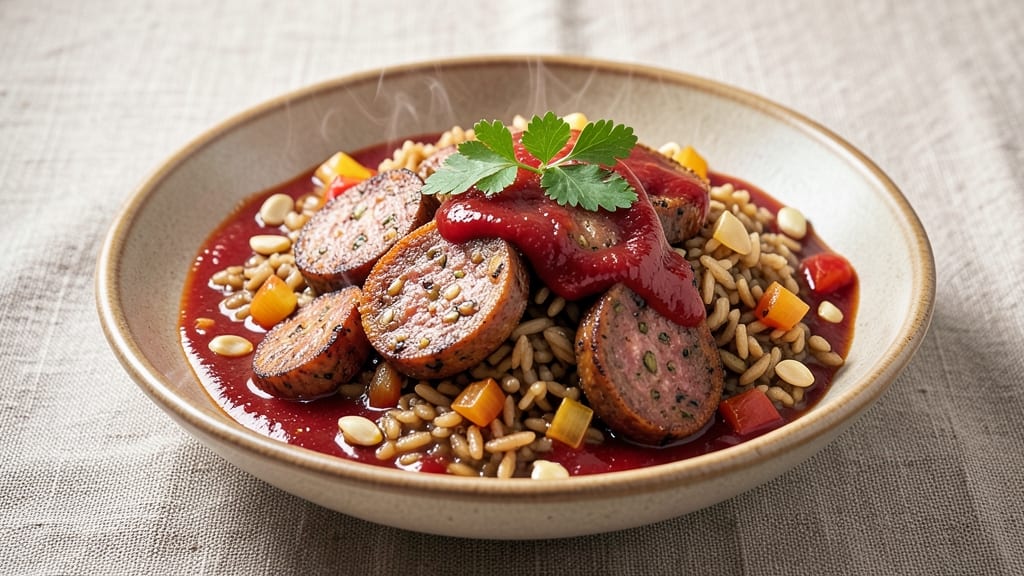
This brown rice and sausage recipe delivers a hearty, one-pot meal where smoky sausage and nutty grains meld into perfect harmony. The key is cooking the sausage first to render its rich flavors, then simmering everything together until the rice absorbs the savory juices and aromas.
No separate pots, no fuss—just a satisfying dinner that comes together in under 45 minutes.
What makes this dish exceptional is the balance of textures and flavors: tender sausage slices, fluffy brown rice, and a deep, caramelized sauce that ties everything together. The technique is simple but effective—browning the sausage in a skillet before adding rice and broth ensures maximum flavor infusion.
Serve with a sprinkle of fresh parsley or a dollop of sour cream to elevate it further.
Ingredients for brown rice and sausage
Pantry staples meet smoky sausage for a one-pot meal that's simple yet deeply flavorful.
| Ingredient | Amount | Notes |
|---|---|---|
| Italian Sausage 🌭 | 1 lb | Kielbasa or smoked sausage preferred |
| Long-Grain Brown Rice 🌾 | 1 cup | Uncooked, rinsed before use |
| Chicken Broth 💧 | 2 cups | Low-sodium preferred |
| Yellow Onion 🧅 | 1 whole | Medium size, diced |
| Garlic Cloves 🧄 | 3 cloves | Minced for even distribution |
| Canned Diced Tomatoes 🍅 | 14 ½ oz | No-salt-added preferred |
| Olive Oil 🫒 | 1 tbsp | Extra-virgin for richness |
| Dried Thyme 🌿 | 1 tsp | Or fresh thyme at 3x amount |
| Salt 🧂 | ½ tsp | Kosher or sea salt |
| Black Pepper 🌶️ | ½ tsp | Freshly ground preferred |
| Fresh Parsley 🌿 | ¼ cup | Chopped for garnish |
| Sour Cream 🥛 | ¼ cup | Full-fat for creaminess |
The sausage choice matters—kielbasa or smoked sausage delivers the most flavor, but any quality smoked sausage works. Costco or Trader Joe's often have great pre-sliced options, but a whole link is more cost-effective if you're making this regularly. Look for good marbling in the meat, which means better flavor when cooked. The brown rice? Jasmine or long-grain holds up best to the long simmer. Rinsing it first removes excess starch so the grains stay separate. Fresh thyme is ideal, but dried works fine if you've got it—just use one-third the amount.
No chicken broth? Vegetable broth works just as well, or even water with a bouillon cube in a pinch. The canned tomatoes can be fire-roasted for extra depth, but regular diced works perfectly fine. Short on parsley? Fresh basil or cilantro give a nice bright contrast. The sour cream is optional but adds a lovely creamy finish—full-fat is best, but low-fat works if that's what you've got. For the olive oil, any good quality will do, but extra-virgin adds a nice fruity note that pairs well with the smoky sausage.
This dish tastes even better the next day as the flavors meld together. Store leftovers in an airtight container in the fridge for up to 4 days. The rice keeps well, so reheat with a splash of broth or water to restore moisture. For meal prep, double the batch and freeze portions—3 months in the freezer with no loss of flavor. Garnish with extra parsley or a crack of black pepper before serving to keep it fresh-tasting.
Why You'll Love This Recipe
- One-Pot Magic: I swear by this recipe when I’m too tired to scrub pots. Brown rice and sausage simmer together in the same pot—the rice soaks up all that savory sausage juice while the onions caramelize. Honestly, the only cleanup is a quick wipe-down of one pan.
- Sausage & Garlic Hug: That first bite of crispy sausage crumbles with tender brown rice? Absolute perfection. The garlic cloves sizzle until they’re fragrant, and the chicken broth deepens into a rich, umami base. It’s the kind of dish that makes you pause mid-bite.
- Meal Prep MVP: Between us, this is my go-to for lunches all week. Cook a big batch on Sunday, and you’ve got hearty, flavorful meals ready to reheat. The rice stays firm, the sausage stays juicy, and nobody complains—even my picky-eating teen.
- Budget-Friendly Feast: Italian sausage and brown rice stretch into a full meal without breaking the bank. A few dollars’ worth of ingredients feeds four, and leftovers taste just as good cold or reheated. I’ll be real: it’s my secret weapon for stretching groceries without sacrificing taste.
Step-by-step instructions for smoky sausage and nutty grains in one pot
This one-pot method delivers perfectly cooked brown rice and flavorful sausage with minimal effort.
Sauté the Sausage and Aromatics
Heat the 1 tablespoon olive oil in a large, heavy-bottomed pot over medium-high heat. Add the 1 pound Italian sausage, breaking it into bite-sized pieces as it sizzles. Cook for 5-6 minutes until the sausage releases its fat and begins to brown. I like to press down gently with a wooden spoon to help render the fat evenly.
Once the sausage is browned, push it to one side of the pot and add the diced yellow onion. Cook for 3-4 minutes until the onions become translucent and slightly caramelized. Add the 3 cloves minced garlic and stir for 30 seconds until fragrant—this prevents burning and maximizes flavor. The onions should soften but not brown, maintaining their structure for the dish.
Toast the Brown Rice
Add the 1 cup long-grain brown rice to the pot, stirring to coat it evenly in the rendered sausage fat and onions. Toast the rice for 2-3 minutes until it turns a light golden color and smells nutty. This step enhances the rice's natural flavor and prevents a raw taste in the finished dish.
Next, pour in the 2 cups chicken broth and the 14.5 oz canned diced tomatoes. Stir everything together, scraping up any browned bits from the bottom of the pot. These bits are packed with flavor and will deepen the richness of the dish. Bring the mixture to a gentle boil, then reduce heat to low, cover the pot, and let it simmer.
Simmer Until Rice is Tender
Simmer the mixture for 40-45 minutes, stirring occasionally to prevent sticking. Brown rice requires more time than white rice, but this slow cooking ensures a nutty, fully developed flavor. You'll know it's done when the rice is tender and the liquid has mostly absorbed—about ½ inch of liquid should remain at the bottom of the pot.
During the last 5 minutes of cooking, add the 1 teaspoon dried thyme, ½ teaspoon salt, and ½ teaspoon black pepper. Stir well to distribute the seasoning evenly. The thyme will infuse the dish with an earthy aroma, while the salt and pepper balance the richness of the sausage and sour cream.
Finish with Fresh Herbs and Sour Cream
Once the rice is tender, remove the pot from heat and let it sit covered for 5 minutes. This resting period allows the flavors to meld and the rice to finish absorbing any remaining liquid. Stir in the ¼ cup chopped fresh parsley and ¼ cup sour cream, mixing gently to combine. The parsley adds a bright, fresh contrast to the smoky sausage, while the sour cream adds a creamy, cooling element.
Taste and adjust the seasoning if needed—this is your chance to fine-tune the dish to your preference. Serve immediately, garnished with an extra sprinkle of parsley if desired. The dish should be hearty, with tender rice, flavorful sausage, and a balance of smoky, nutty, and creamy flavors.
Pro Tips For Making Brown Rice And Sausage
- CRACK THE SAUSAGE FIRST: I learned this the hard way—skipping this step makes your dish taste like it’s missing something. Brown the sausage links in a dry pan until they’re deeply caramelized (about 3-4 minutes per side), then remove them. The rendered fat will become your flavor base, and the crust locks in juices better than any other method.
- TOAST THE RICE DRY: This isn’t the prettiest method, but it’s the tastiest. After cooking the sausage and onions, spread the uncooked brown rice in the same pan and toast it over medium heat for 2-3 minutes, stirring constantly. The nutty aroma deepens, and the rice stays separate—no mushy grains here.
- SIMMER THE BROTH LOW: I was skeptical until I tried it: brown rice needs patience. Once you add the broth, reduce the heat to the lowest setting that keeps it at a gentle simmer (not a rolling boil). Cover and let it cook uncovered for the first 10 minutes to evaporate excess moisture, then cover tightly. Skipping this step guarantees gummy rice.
- UPGRADE WITH AROMATICS: Sounds weird, but it works: add a pinch of crushed red pepper flakes and a bay leaf with the onions and garlic. The sausage’s heat gets a little kick, and the bay leaf infuses the broth without you even noticing it. Remove the bay leaf before serving—no one needs to chew on it.
Wine and beer pairings for these flavors
Red Wine Pairings
A bold Chianti Classico from Tuscany is my go-to choice for this dish—its medium-bodied structure and bright acidity cut through the richness of the sausage while complementing the nutty brown rice.
Look for a Sangiovese-based wine with 12-14% alcohol to balance the smoky flavors without overpowering them. Serve slightly chilled (60-65°F) to refresh your palate between bites. 🍷
Light Beer Options
For beer lovers, a crisp German wheat beer (Hefeweizen) or a Belgian witbier like Hoegaarden works beautifully. The citrusy notes and light effervescence cleanse your palate between mouthfuls of the hearty sausage and rice.
If you prefer darker beers, try a German Dunkel—its malty sweetness contrasts nicely with the smoky sausage. Keep the beer well-chilled (40-45°F) to enhance its refreshing qualities. 🍺
White Wine Alternatives
If you prefer white wine, a dry Riesling from Germany or Alsace brings bright acidity and subtle fruitiness that pairs well with the dish’s savory elements. Opt for a Kabinett or Spätlese with 8-10% alcohol to avoid overwhelming the meal.
Alternatively, a Sauvignon Blanc with its herbal notes and zesty finish adds a refreshing contrast to the smoky sausage. Serve at 50-55°F for the best balance. 🍷
Cocktail Pairings
For a non-alcoholic or casual option, a smoky mezcal margarita with a pinch of chili powder and a squeeze of lime mirrors the dish’s flavors beautifully. The smokiness of the mezcal complements the sausage, while the lime brightens the dish.
If you prefer something lighter, a gin and tonic with cucumber and mint adds a refreshing, herbal contrast. 🍹
Regional Wine Suggestions
If you’re in the Pacific Northwest, try a Pinot Noir with its earthy notes and smooth finish. In Texas, a Tempranillo offers a spicy, fruity profile that pairs wonderfully.
For New England, a Cabernet Franc with its herbal and berry notes is a fantastic match. Each of these wines enhances the dish’s flavors while offering a regional twist. 🗺️
Nutrition facts
Frequently asked questions
Can I use pre-cooked sausage in this recipe?
Yes, but the flavor won't be as rich. Pre-cooked sausage lacks the deep, caramelized crust that develops when you brown it fresh. If you must use it, heat the slices in a pan with a little olive oil for 2-3 minutes to warm through and enhance their flavor before adding to the rice.
How do I adjust this for a rice cooker?
Use the same ingredients, but toast the brown rice in a separate pan first (as directed). Then add the sausage, broth, tomatoes, and seasonings to the rice cooker. Cook on the brown rice setting (40-45 minutes) and stir in the parsley and sour cream at the end. The rice cooker's even heat distribution works perfectly!
What's the best way to make this dish ahead of time?
Cook the rice and sausage mixture as directed, then let it cool completely. Store in an airtight container in the fridge for up to 4 days. Reheat gently on the stove with 1-2 tablespoons of water or broth to restore moisture. For freezing, portion into meal-sized containers and freeze for up to 3 months. Thaw overnight in the fridge before reheating.
Can I substitute chicken for the sausage?
Swap the sausage for 1 pound boneless chicken thighs or breasts, cut into bite-sized pieces. Cook them until fully done (165°F internal temp) before adding the rice and broth. Season with 1 teaspoon smoked paprika and ½ teaspoon garlic powder to mimic the sausage's smoky flavor.
Why did my brown rice turn mushy?
Overcooking or adding too much liquid are the most common causes. Brown rice needs 40-45 minutes of simmering—no more! Also, ensure you're using 2 cups of liquid per 1 cup of rice. If it's still too wet, uncover the pot and cook for 5-10 more minutes to evaporate excess moisture. Stirring occasionally prevents sticking.