
Main Courses
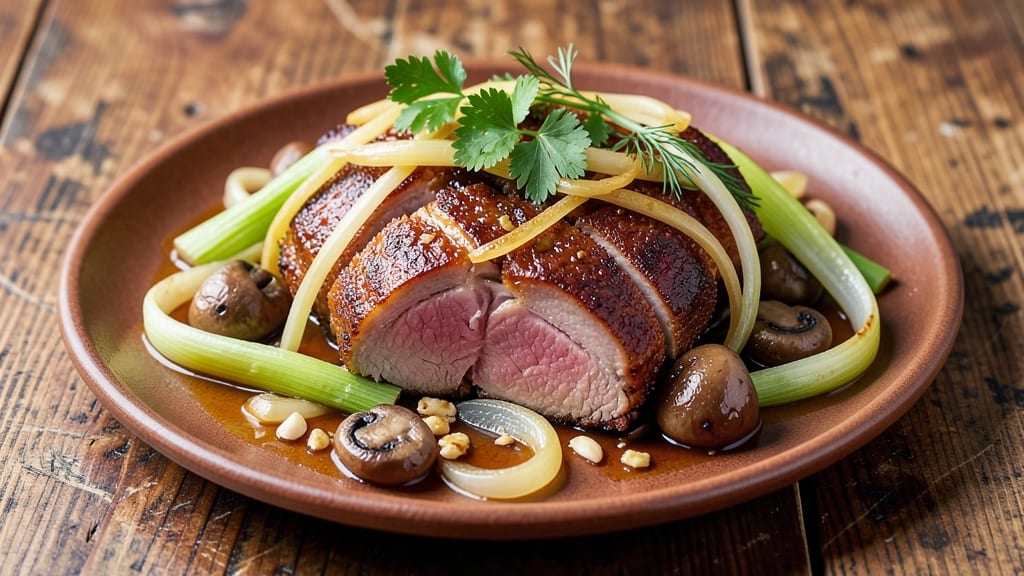
This braised pork with leeks and mushrooms recipe transforms simple ingredients into a restaurant-worthy dish that smells like home. 🔥 The secret lies in slow-cooked richness—tender pork shoulder melting in a deep, umami-packed sauce where leeks and mushrooms caramelize into sweet, earthy perfection.
I perfected this technique while preparing for a Charleston dinner party, where it disappeared faster than I could refill plates.
The process begins with searing pork until golden, then building layers of flavor through sautéed aromatics and a carefully balanced braising liquid. Red wine and pork broth create depth, while soy sauce and mushroom powder amplify the umami.
The key? Patience—low and slow for hours until the meat falls apart effortlessly. This isn't just dinner; it's a centerpiece that turns weeknights into special occasions.
What you'll end up with is fork-tender pork that practically dissolves at the touch of a fork, swimming in a glossy sauce thickened with natural starch from the vegetables.
The leeks add delicate sweetness, while mushrooms contribute meaty depth. Serve it over creamy polenta or crusty bread to soak up every last drop of that luxurious sauce.
Perfect for feeding a crowd or meal prepping for the week, this braise gets better as it sits. The flavors meld and intensify overnight, making it ideal for Sunday prep. Trust me—once you taste the difference between this and store-bought versions, you'll never go back to the canned variety.
Ingredients for braised pork with leeks and mushrooms
Six ingredients make the magic happen—pork shoulder, leeks, mushrooms, and bold flavors that meld into restaurant-worthy richness.
| Ingredient | Amount | Notes |
|---|---|---|
| Pork Shoulder (Boston Butt) 🥩 | 3 lb | Bone-in, cut into 2-inch chunks |
| Yellow Onions 🧅 | 2 whole | Thickly sliced, 1/2-inch pieces |
| Leeks 🧅 | 2 whole | White and light green parts only |
| Cremini Mushrooms 🍄 | 16 oz | Sliced, stems removed |
| Garlic Cloves 🧄 | 6 cloves | Minced, fresh preferred |
| Dry Red Wine 🍷 | 1 ½ cups | Bold Cabernet or Merlot |
| Pork Broth 💧 | 2 cups | Homemade or high-quality store-bought |
| Tomato Paste 🍅 | 2 tbsp | San Marzano preferred |
| Soy Sauce 🥢 | 2 tbsp | Japanese-style preferred |
| Mushroom Powder 🍄 | 1 tsp | For umami depth |
| Thyme Sprigs 🌿 | 4 whole | Fresh, stems removed |
| Bay Leaves 🍃 | 2 whole | Dried or fresh |
| Olive Oil 🫒 | ½ cup | Extra-virgin for searing |
| All-Purpose Flour 🌾 | 2 tbsp | For dredging pork |
| Salt 🧂 | 1 ½ tsp | Diamond Crystal kosher |
| Black Peppercorns 🌶️ | 1 tsp | Freshly cracked |
The pork shoulder is non-negotiable here—bone-in, cut into 2-inch chunks—it's what gives you that fall-apart texture. Whole Foods or your local butcher shop will have the best cuts, but any grocery store with a meat counter can help. Look for good marbling—this means more flavor. If you're prepping ahead, trim excess fat but leave some for flavor. For the mushrooms, cremini or baby bella work best—their meaty texture holds up perfectly. Trader Joe's often has them pre-sliced, which saves time. The leeks? Rinse carefully to remove all dirt—they're earthy, not sweet like onions, so they add depth without overpowering.
No red wine? Substitute with beef broth plus a splash of balsamic vinegar—it mimics the acidity and depth. Fresh thyme is ideal, but dried works at one-third the amount. The tomato paste can be tricky—those little squeeze tubes at Trader Joe's are perfect for this recipe. Need to skip the mushroom powder? Add an extra 1/2 cup of mushrooms and a dash of soy sauce for umami. For the pork broth, homemade is best, but store-bought works if it's low-sodium. The flour is just for dredging the pork—any all-purpose will do, but leave it out if you prefer a gluten-free version.
This braise tastes even better the next day—make extra and store it for up to 5 days in the fridge. For freezing, portion into containers with some sauce and keep for up to 3 months. The sauce thickens as it cools, so add a splash of broth when reheating. I always make this on Sunday and portion it out for quick lunches during the week. The pork gets more tender with time, so don't rush it. If you're serving it over polenta, cook that ahead of time—it reheats beautifully too.
Why You'll Love This Recipe
- One-Pot Magic: I swear by this recipe when I’m too tired to juggle three pans. The pork shoulder, leeks, and mushrooms all simmer together—no flipping, no fuss—just rich, caramelized flavors building right in that same pot.
- Umami Bomb: That combo of cremini mushrooms and pork shoulder? It’s like a flavor explosion. The mushrooms soak up the garlic and onion juices, then melt into the meat, giving you this deep, savory punch that’s dangerously hard to stop eating.
- Leftovers That Beg: Between us, this dish gets better the next day. The pork gets fork-tender, the sauce thickens, and suddenly you’ve got a meal that’s even more satisfying for lunch—no takeout needed. I make a double batch on Sundays just for this reason.
- Budget-Friendly Feast: Pork shoulder is cheap, and it stretches across multiple meals. Pair it with rice or crusty bread, and you’ve got a hearty dinner that won’t break the bank. Plus, the leeks and mushrooms add that fancy touch without fancy prices.
Step-by-step instructions for braised pork with leeks and mushrooms
Here's how to transform tough pork shoulder into melt-in-your-mouth perfection with layers of umami flavor.
🔥 Step 1: Sear the Pork Shoulder for Deep Flavor
Heat the 0.5 cup olive oil in a heavy Dutch oven over medium-high heat until shimmering. Pat the 3 lb pork shoulder (Boston Butt) completely dry with paper towels—this ensures maximum browning. Working in batches if needed, add the pork and sear for 4-5 minutes per side until deeply golden brown with crispy edges.
Here's the thing—don't rush this step. You want that Maillard reaction happening, creating those complex flavors that will infuse your braise. If the oil starts smoking too aggressively, reduce heat slightly and give it time to build heat gradually. Once browned, remove the pork and set aside on a plate.
👨🍳 Step 2: Build the Aromatic Base with Onions and Leeks
In the same Dutch oven, reduce heat to medium and add the 2 whole yellow onions and 2 whole leeks (white and light green parts only). Cook for 8-10 minutes until softened and beginning to caramelize—this should happen before you add the mushrooms. Stir occasionally to prevent burning.
I like to press down gently on the onions with a wooden spoon during the first couple minutes. This helps break them down faster and creates more surface area for browning. You'll know they're ready when they're translucent with just a hint of golden color at the edges.
🍳 Step 3: Develop Umami with Mushrooms and Garlic
Add the 16 oz sliced cremini mushrooms and cook for 6-8 minutes until they release their moisture and begin to brown. Stir occasionally to ensure even cooking. Once the mushrooms are tender and deeply browned, add the 6 cloves minced garlic and cook for 30 seconds until fragrant—don't let it burn, or you'll get bitter flavors.
Here's where the magic happens: sprinkle in the 1 tsp mushroom powder and stir it into the mushrooms. This concentrated umami booster will elevate your braise to restaurant-quality depth. The powder dissolves quickly, so just give it a quick stir to distribute evenly.
🥘 Step 4: Deglaze and Combine All Ingredients
Pour in the 1.5 cups dry red wine and scrape up all the browned bits from the bottom of the pot with a wooden spoon. This deglazing step captures all that concentrated flavor you've built. Let it simmer for 3-4 minutes until reduced by about half.
Add the 2 tbsp tomato paste, 2 tbsp soy sauce, 2 tbsp all-purpose flour, 1.5 tsp salt, and 1 tsp black peppercorns. Stir well to combine, then add the 2 cups pork broth, 4 whole thyme sprigs, and 2 whole bay leaves. Return the pork shoulder to the pot, making sure it's mostly submerged in the liquid.
⏰ Step 5: Braise Until Fork-Tender
Bring the liquid to a gentle simmer, then reduce heat to low and cover with a tight-fitting lid. Here's the crucial part: braise for 3-4 hours until the pork is fork-tender. You'll know it's ready when a fork slides in and out with minimal resistance, and the meat pulls apart easily.
I check it every hour, giving it a gentle shake to redistribute the liquid. If the liquid reduces too much before the pork is tender, add a splash of water or broth. The key is patience—low and slow is what transforms tough pork into melt-in-your-mouth perfection. The final internal temperature should reach 203°F.
Pro Tips For Making Braised Pork With Leeks And Mushrooms
- Sear the Pork Shoulder First: Don’t skip the deep golden crust—pat the Boston butt bone-dry and sear it in a hot Dutch oven with 2 tablespoons of oil until it’s deep brown in spots (about 8-10 minutes per side). I used to rush this, and the braise just never tasted as rich. The crust locks in flavor and keeps the meat tender.
- Slice Leeks Thinly, Discard the Dark Greens: Cut leeks into ¼-inch rings and toss them in cold water to rinse out grit—then drain well. The dark green tops are tough and bitter, so ditch them unless you’re making stock. Thin slices soften faster and blend into the sauce instead of sitting as chewy bits.
- Deglaze with White Wine, Then Reduce Hard: After browning the pork, splash in ½ cup white wine (not cheap—it matters) and let it bubble until fully evaporated before adding broth. I learned this the hard way: skipping the reduction leaves the sauce thin and watery. A quick 3-minute simmer after deglazing makes all the difference.
- Add Mushrooms Early, But Not Too Soon: Toss the cremini mushrooms into the pot after the onions soften but before the pork goes in—this way, they absorb the initial sear flavors. If you add them too late, they’ll steam instead of caramelize. A 5-minute head start at medium-high heat gives them just enough time to brown.
Perfect pairings for these flavors
Bread Pairings
Nothing soaks up that rich braising sauce better than a crusty baguette or sourdough loaf. I love serving this with a warm, freshly baked brioche roll—its buttery texture contrasts beautifully with the deep umami flavors.
For a rustic touch, try a ciabatta with its airy holes that trap every drop of sauce. 🥖
Polenta Perfection
Creamy polenta transforms this dish into a hearty Italian-inspired meal. Cook it until thick and velvety, then serve as a base for the braised pork. I like adding a pat of cultured butter and a sprinkle of Parmigiano-Reggiano on top before serving.
The starchiness helps balance the richness of the pork and mushrooms.
Wine Recommendations
A bold Cabernet Sauvignon or Syrah complements the dish's depth, especially if you used red wine in the braise. For something lighter, a Pinot Noir with its earthy notes pairs wonderfully.
I often reach for a Georgia Cabernet from my local wine shop—it has just the right balance of fruit and tannins to cut through the richness. 🍷
Cheese Course
End the meal with a simple aged Gouda or blue cheese board. The salty, tangy notes of Gorgonzola or Manchego cleanse the palate after the rich pork. I like adding walnuts and dried apricots for texture and sweetness. This keeps the meal cohesive while offering a satisfying finish.
Vegetable Sides
Bright roasted Brussels sprouts with a sprinkle of balsamic glaze add a crisp, slightly bitter contrast. For something lighter, sautéed green beans with garlic and lemon zest work beautifully. I also love mashed potatoes with a touch of sour cream—their creaminess balances the hearty pork perfectly. 🥦
Dessert Pairings
Finish with something light like lemon posset or dark chocolate-dipped strawberries to reset the palate. The acidity in the posset cuts through the richness, while the chocolate pairs surprisingly well with the umami notes in the pork.
For a Southern touch, try peach cobbler with vanilla ice cream—it's a crowd-pleaser at my farm dinners. 🍓
Nutrition facts
Frequently asked questions
Can I substitute chicken or beef for pork in this recipe?
While pork shoulder works best for its rich flavor and ideal texture, you can adapt this for chicken thighs (braise 45-50 minutes) or beef chuck (braise 3-4 hours). Chicken needs less time because it's leaner, while beef benefits from the longer cook to tenderize. Just adjust the cooking time and check for doneness with a meat thermometer (165°F for chicken, 205°F for beef).
Why does my braising liquid reduce so quickly? How do I fix it?
This happens when heat is too high or the pot isn't properly covered. Use a tight-fitting lid and maintain a gentle simmer (small bubbles, not a rolling boil). If the liquid reduces too much, add 1/2 cup broth or water and continue cooking. The sauce will thicken naturally as it cools—don't worry about adding cornstarch unless you prefer a glossier finish.
What's the best way to reheat leftovers without drying out the pork?
Reheat gently in the same Dutch oven with 2-3 tbsp broth over low heat for 10-15 minutes, covered. Never microwave—it makes the pork rubbery. For extra richness, add a splash of red wine or a pat of butter. The pork should reach 165°F internally. If the sauce is too thick, stir in a little extra broth while warming.
Can I make this in a slow cooker? What's the difference?
Yes! Brown the pork and aromatics first in a skillet, then transfer everything to the slow cooker. Cook on low for 8 hours or high for 5 hours. The texture will be slightly more tender but less caramelized than stovetop braising. For deeper flavor, finish by simmering uncovered on the stovetop for 10 minutes to reduce the sauce and intensify the flavors.
How do I know when the pork is fully tender?
The pork is ready when it reaches 203°F internally and a fork slides in with minimal resistance. For the most accurate test, pull a piece of pork from the pot and let it rest for 2 minutes, then press gently with your fingers—it should feel like butter. If it's still slightly firm, return it to the pot for 30-60 minutes more. Overcooking won't happen if you monitor the temperature.