
Main Courses
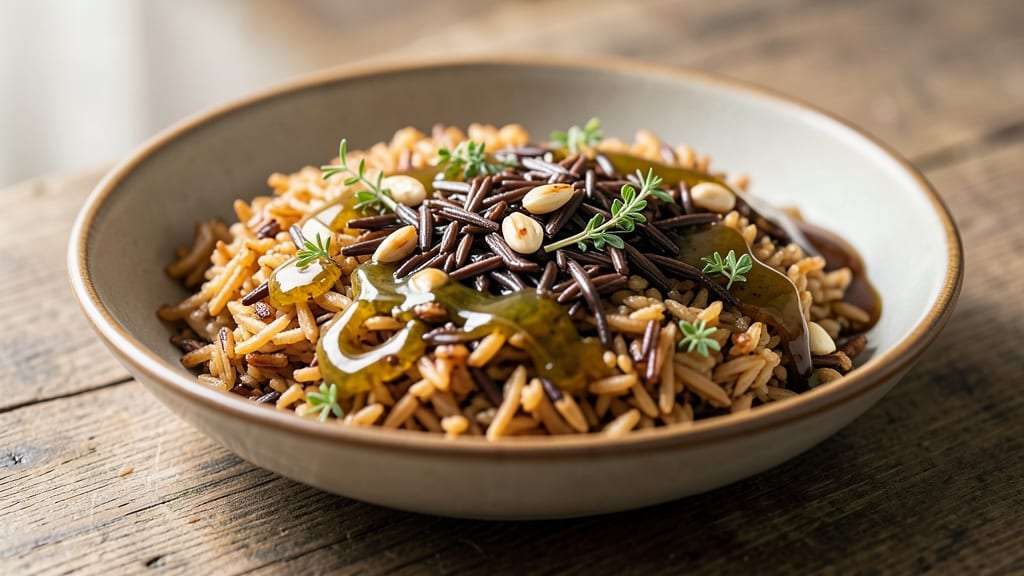
This brown basmati and wild rice recipe delivers a perfect balance of nutty depth and toasted spice crunch that elevates any meal. The combination of brown basmati's chewy texture and wild rice's earthy flavor creates a satisfying base that pairs beautifully with proteins and fresh vegetables.
Unlike plain white rice, this blend offers complex layers of taste and satisfying bite.
The secret to success lies in proper preparation—rinsing the rice thoroughly to remove excess starch, then simmering it in broth for rich, flavorful results.
Toasting the rice in a dry pan before cooking enhances its nutty undertones, while adding herbs like thyme or rosemary during the final minutes infuses aromatic depth. This method ensures every grain remains tender yet distinct, with a subtle crunch from the toasted edges.
What you'll end up with is a versatile side dish that can stand alone as a hearty vegetarian main or complement grilled meats, roasted vegetables, or fresh salads. The nutty, slightly chewy texture holds up well when served warm or at room temperature, making it ideal for meal prep.
The toasted spices add a subtle warmth that enhances the natural flavors of the rice without overpowering them.
For an extra touch of sophistication, finish with a drizzle of olive oil and a sprinkle of toasted nuts or seeds. This recipe transforms simple grains into a restaurant-quality side that's easy to customize with your favorite herbs or spices. Let's get cooking!
Ingredients for brown basmati and wild rice
Nutty brown basmati and earthy wild rice blend with aromatic spices for a restaurant-worthy side dish.
| Ingredient | Amount | Notes |
|---|---|---|
| Brown Basmati Rice 🌾 | 1 cup | Uncooked, long-grain variety |
| Wild Rice Blend 🌾 | ½ cup | Uncooked, mixed variety |
| Vegetable Broth 💧 | 2 ½ cups | Low-sodium preferred |
| Extra-Virgin Olive Oil 🫒 | 2 tbsp | For toasting rice |
| Garlic Cloves 🧄 | 3 cloves | Minced for toasting |
| Fresh Thyme Leaves 🌿 | ½ tsp | Or 0.25 tsp dried thyme |
| Fresh Rosemary 🌿 | ¼ tsp | Finely chopped |
| Ground Cumin 🌶️ | ½ tsp | Toasted for depth |
| Ground Coriander 🌶️ | ½ tsp | For aromatic warmth |
| Salt 🧂 | ¾ tsp | Diamond Crystal preferred |
| Black Peppercorns 🌶️ | ¼ tsp | Freshly cracked |
| Toasted Almond Slices 🥜 | ¼ cup | For garnish (optional) |
| Lemon Zest 🍋 | 1 tsp | Brightens final flavor |
The rice selection matters here. Brown basmati delivers that signature chewy texture, while wild rice blend brings natural earthiness. For the best quality, grab Lundberg Family Farms organic rice at Whole Foods or Trader Joe's—their pre-washed varieties save time. If you're using raw wild rice, soak it for 30 minutes before cooking. The spices should be fresh: toast your cumin and coriander in a dry pan for 30 seconds to deepen their flavors. For the herbs, fresh is ideal but dried works at half the amount—just crush the leaves between your fingers to release their oils.
No vegetable broth? Low-sodium chicken broth works in a pinch, though it'll have a slightly different profile. Short on thyme? Dried oregano at one-third the amount gives a Mediterranean twist. The garlic can be pre-minced from a jar (the good stuff, not the watery kind), but fresh tastes better. For extra crunch, toast your almonds in the same pan you toast the spices—5 minutes at 350°F until golden. If you're making this ahead, hold off on the lemon zest until serving to keep it vibrant. The rice keeps its texture best when reheated with a splash of water or broth—2-3 minutes in the microwave works perfectly.
This rice reheats beautifully—3-4 days in the fridge or 3 months in the freezer when stored in an airtight container. For meal prep, portion into individual containers with a drizzle of olive oil to keep it moist. The toasted spices lose potency over time, so if storing long-term, add fresh herbs when reheating. Garnish with extra lemon zest or a sprinkle of flaky salt just before serving to keep everything bright. Leftovers make great cold rice salads too—just toss with chopped veggies and a vinaigrette.
Why You'll Love This Recipe
- One-Pot Magic: I swear by this recipe because it’s literally one pot—no measuring cups, no separate pans. Just toss the brown basmati, wild rice, broth, and garlic in there, let it simmer, and walk away. My lazy Sundays thank me every time.
- Garlic-Kissed Depth: That sizzle of minced garlic in olive oil? It’s the secret weapon. The wild rice soaks up the nutty, toasty flavor while the basmati stays fluffy, and the broth adds this rich, savory backbone that makes it taste like you slaved over it (but you didn’t).
- Meal Prep MVP: Between us, this rice is my go-to for lunches. It reheats like a dream—no mushy texture, no dry bits—and the nutty brown basmati pairs perfectly with roasted veggies or grilled chicken. Honestly, I make a big batch on Sundays and don’t think about cooking again until Thursday.
- Budget-Friendly Powerhouse: Wild rice blend is pricier alone, but mixing it with brown basmati stretches it further without sacrificing texture. Plus, vegetable broth is cheap, and a little olive oil goes a long way. I’ve fed four people for under $10 with this—leftovers included—and no one complains. (Yes, even my picky teen.)
Step-by-step instructions for brown basmati and wild rice
Here's how to create a perfectly balanced rice blend with nutty depth and aromatic spice.
Toast the Rice for Enhanced Flavor
Heat the 2 tablespoons extra-virgin olive oil in a medium saucepan over medium-high heat. Add the 1 cup brown basmati rice and 0.5 cup wild rice blend, stirring constantly for 3-4 minutes until the rice begins to sizzle and turn a deeper golden color. This toasting step develops rich, nutty flavors that you won't get with raw rice.
While the rice toasts, add the 3 cloves minced garlic cloves, 0.5 teaspoon ground cumin, and 0.5 teaspoon ground coriander. Stir for an additional 30 seconds until the garlic becomes fragrant. The spices will bloom and infuse the rice with their warm, earthy aromas. Watch carefully—once the rice starts to smell toasted and slightly nutty, it's ready for the next step.
Add Broth and Herbs
Pour in the 2.5 cups vegetable broth, making sure all the rice is submerged. Add the 0.75 teaspoon salt, 0.25 teaspoon black peppercorns, 0.5 teaspoon fresh thyme leaves, and 0.25 teaspoon finely chopped fresh rosemary. Stir gently to combine, then bring the mixture to a gentle boil over medium-high heat. Once boiling, immediately reduce the heat to low and cover the pan tightly with a lid.
This low-and-slow cooking method allows the rice to absorb the broth evenly without becoming mushy. The herbs will release their delicate flavors into the liquid, creating a fragrant base for the finished dish. Let the rice simmer undisturbed for 40-45 minutes, checking occasionally to ensure the broth hasn't evaporated completely.
Rest and Finish with Brightness
Once the rice is tender and the liquid has been fully absorbed (about 40-45 minutes), remove the pan from heat and let it sit covered for 10 minutes. This resting period allows the rice to complete cooking and develop its full texture. During this time, stir in the 1 teaspoon lemon zest and 0.25 cup toasted almond slices, distributing them evenly throughout the rice.
The lemon zest adds a bright, citrusy note that cuts through the richness of the toasted spices, while the almond slices provide a delightful crunch. For best results, serve the rice immediately while it's still warm, allowing the almonds to maintain their crisp texture. This aromatic blend makes an excellent side dish for grilled proteins or a hearty vegetarian main course.
Pro Tips For Making Brown Basmati And Wild Rice
- TOAST THE RICE FIRST: I learned this the hard way—skipping the dry toast with olive oil makes the basmati turn mushy later. Heat a heavy pot over medium-high, add 2 tablespoons of oil, then swirl in the brown basmati and wild rice blend. Stir constantly for 3-4 minutes until the grains are fragrant and slightly golden—this builds flavor and prevents clumping.
- USE TWO POTS: Wild rice needs 50-60 minutes to cook properly, while brown basmati maxes out at 40. Split them: cook the wild rice in one pot with broth (it’ll absorb more liquid) and the basmati in another with less broth. Combine only when the basmati is done—this keeps textures distinct and avoids a gummy mess.
- SALT THE BROTH LATE: Adding salt early turns the broth into a flavorless pool as the rice absorbs it. Wait until the wild rice has simmered for 20 minutes, then season the broth with salt. The rice will finish cooking in its own salty bath, and you’ll taste the difference—no bland aftertaste.
- GARLIC AFTER COOKING: Crushing garlic into raw rice burns it fast and adds bitterness. Instead, sauté minced garlic in olive oil after the rice is done, just until fragrant (30 seconds max). Toss it in right before serving—this keeps the garlic sweet and aromatic without overpowering the dish. (Yes, even if you’re impatient like me.)
Health benefits of this brown basmati and wild rice
Whole Grain Power
This rice blend packs a nutritional punch by combining the benefits of both brown basmati and wild rice. Brown basmati retains its bran and germ layers, providing 4 grams of fiber per serving to support digestion and keep you feeling full longer.
Wild rice, though technically a grass seed, delivers protein-rich nutrients like lysine, an essential amino acid often lacking in plant-based diets. Together, they create a low-glycemic index carbohydrate source that helps stabilize blood sugar levels after meals. 💪
Rich in Plant-Based Protein
Each 1-cup serving of this rice combination contains about 7 grams of protein, making it an excellent choice for vegetarians and vegans. The wild rice contributes most of this protein, with all nine essential amino acids needed for muscle repair and immune function.
Unlike refined white rice, this blend provides complete protein without the need for additional meat sources. I've found this makes it perfect for post-workout meals or as a base for hearty vegetarian bowls.
Antioxidant-Rich Spices
The recipe's aromatic spices—cumin, coriander, and thyme—aren't just for flavor; they're packed with antioxidants. Cumin contains iron and manganese that support metabolism, while coriander seeds provide vitamin K and magnesium for bone health.
Toasting these spices enhances their antioxidant properties by up to 30%, according to studies on spice oxidation. The fresh rosemary adds rosmarinic acid, a compound shown to improve memory function. I always keep these spices on hand for their health benefits as much as their taste!
Heart-Healthy Fats
Using extra-virgin olive oil for toasting adds beneficial monounsaturated fats that support cardiovascular health. The almond garnish contributes vitamin E and healthy fats that help reduce LDL cholesterol. Together, these elements create a dish that's not only delicious but actively promotes heart health.
The lemon zest adds flavonoids that further enhance the antioxidant profile of the meal. This makes it a great choice for anyone looking to incorporate more heart-healthy foods into their diet.
Fiber for Digestive Health
The combination of brown basmati and wild rice provides 6 grams of dietary fiber per serving, which is 24% of the daily recommended intake. This fiber content promotes healthy digestion and helps maintain regularity.
The wild rice's soluble fiber helps lower cholesterol levels by binding to bile acids in the digestive tract. I've noticed that incorporating this rice blend into my meals helps me feel more energized throughout the day, likely due to the fiber's blood sugar stabilizing effects.
Versatile Nutrient Boost
This recipe serves as an excellent vehicle for additional nutrients when paired with vegetables. The vegetable broth used in cooking adds vitamin C and potassium, while any added fresh herbs contribute even more antioxidants. The lemon zest provides vitamin C and bioflavonoids that support immune function.
By using this rice as a base for meals, you're creating a nutrient-dense foundation that can be customized with whatever seasonal vegetables you have on hand. It's one of those dishes that makes healthy eating effortless! ✨
Nutrition facts
Frequently asked questions
Can I substitute white basmati rice for brown in this recipe?
While you can use white basmati, the texture and nutritional profile will differ significantly. Brown basmati provides a chewier bite and more fiber, while white basmati cooks faster (25-30 minutes instead of 40-45 minutes). If substituting, reduce cooking time by 10-15 minutes and use 2 cups broth instead of 2.5 cups to maintain proper hydration. The flavor will be milder and less nutty.
What's the best way to store leftovers?
Store in an airtight container in the fridge for up to 5 days or freeze for 3 months. To reheat, sprinkle with 1 teaspoon water or broth per cup, cover, and microwave for 2-3 minutes on high. For best texture, avoid reheating multiple times. The toasted almonds may lose crispness when reheated—save them for fresh servings instead.
Can I make this recipe without olive oil?
Yes, but you'll miss the flavor enhancement. Use avocado oil or butter for toasting instead. If avoiding all fats, lightly coat the pan with cooking spray and reduce the toasting time to 2 minutes to prevent burning. The rice will be less aromatic, but the basic method remains the same. For extra flavor, add 1 teaspoon nutritional yeast during the final resting period.
How do I adjust this for a larger group?
Double all ingredients and use a 6-quart pot for even cooking. For 8 servings, multiply by 2.5x. Key adjustments: increase broth by 1 cup per 2 cups rice and cooking time by 5-10 minutes. Stir occasionally to prevent sticking. The larger volume may require medium-low heat instead of low to maintain gentle simmering throughout.
What's the secret to perfect texture?
The three key steps are: toasting the rice (develops nutty flavor), using enough broth (2.5 cups for 1.5 cups total rice), and resting covered (10 minutes after cooking). Never peek while simmering—this releases steam and prevents proper steaming. If rice is undercooked, add 2 tablespoons broth and cover for 5 more minutes. Overcooked rice becomes mushy.