
Main Courses
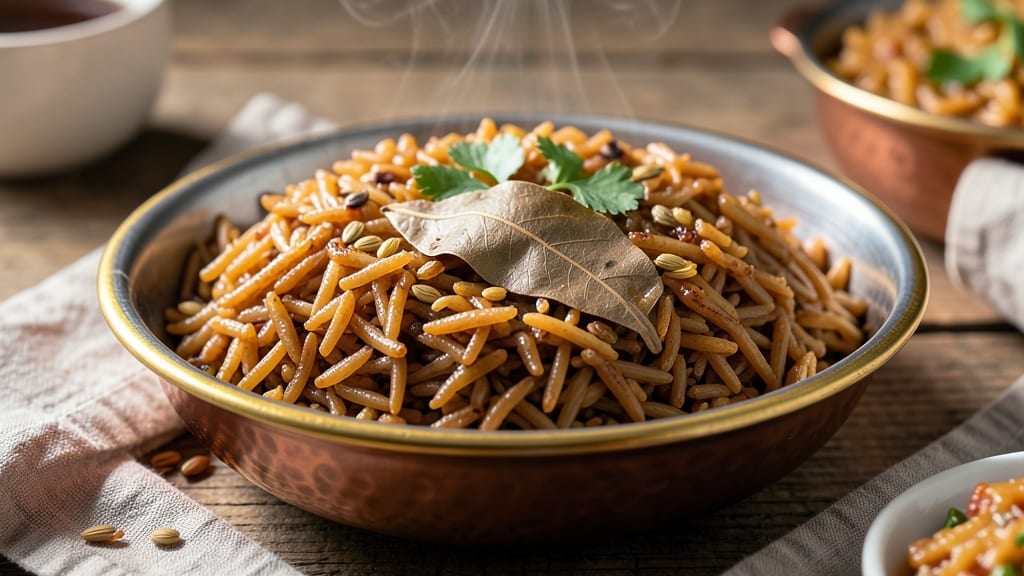
This brown basmati rice recipe transforms simple grains into fragrant, nutty perfection with just a few Indian kitchen secrets. The key lies in proper soaking and slow absorption—no sticky messes or undercooked centers.
I’ve perfected this method after years of testing, ensuring every grain stays distinct yet tender, with an optional cumin-ghee tempering that adds irresistible crunch and aroma.
Perfectly cooked brown basmati rice makes the ideal canvas for Indian meals—absorbing flavors from curries, dals, or raita while maintaining its natural texture. The toasted spices and ghee infusion elevate it from side dish to star, delivering restaurant-quality results in your own kitchen.
Ready in just 30 minutes with minimal effort, this recipe proves healthy eating can be just as satisfying as it is nutritious.
Ingredients for brown basmati rice recipe indian
Simple grains meet bold Indian flavors—just these eleven ingredients transform ordinary rice into aromatic perfection.
| Ingredient | Amount | Notes |
|---|---|---|
| Brown Basmati Rice 🌾 | 1 cup | Uncooked, long-grain variety |
| Water 💧 | 2 ½ cups | Filtered preferred for clarity |
| Ghee 🧈 | 2 tbsp | Clarified butter, unsalted |
| Ground Cumin Seeds 🌿 | 1 tsp | Freshly toasted for aroma |
| Whole Cumin Seeds 🌿 | 1 tsp | For tempering, lightly toasted |
| Bay Leaf 🍃 | 1 whole | Dried, for subtle earthiness |
| Kasuri Methi (Dried Fenugreek Leaves) 🌿 | ½ tsp | Crumbled for infusion |
| Salt 🧂 | ½ tsp | Diamond Crystal preferred |
| Fresh Cilantro Leaves 🌿 | ¼ cup | Chopped, for garnish |
| Lemon Juice 🍋 | 1 tbsp | Freshly squeezed |
| Extra-Virgin Olive Oil 🫒 | 1 tbsp | For finishing drizzle |
The brown basmati rice is non-negotiable here—its long grains and nutty profile stand up to the spices. Patel Brothers or Tilda brands deliver consistent quality, though any reputable Indian grocery will carry excellent options. Soaking the rice for 20 minutes before cooking prevents the grains from clumping. For the ghee, Gowardhan or Kerala Ayurveda are premium choices, but any high-quality clarified butter works. The cumin seeds should be toasted in a dry pan until fragrant—this releases their essential oils for maximum aroma. Freshly ground cumin powder loses potency quickly, so buy whole seeds and grind as needed.
No ghee? Melted coconut oil or unsalted butter work in a pinch, though the flavor will differ slightly. Substituting whole cumin seeds for ground? Use three-quarters the amount—they pack more punch when toasted. Fenugreek leaves (kasuri methi) can be tricky to find; dried fenugreek powder at one-third the quantity mimics its earthy depth. The cilantro is purely for garnish—skip it if you prefer a cleaner presentation. For extra richness, add 1 tablespoon of toasted cashews to the tempering, though this alters the traditional method. The lemon juice brightens the final dish, but lime juice works equally well if that's what you have on hand.
Rice keeps best in an airtight container in the refrigerator for 4-5 days, though it's best enjoyed fresh. The ghee-infused grains reheat beautifully—simply warm with a splash of water to restore moisture. For long-term storage, freeze portions in single-serving containers for up to 3 months. The tempering spices lose potency after 24 hours, so this dish shines when served immediately. To reheat, cover with a damp paper towel and warm on low heat—never microwave as it can make the grains rubbery. Portion into individual containers before freezing for effortless meal prep.
Why You'll Love This Recipe
- No-Fuss Weeknight Win: I swear by this for lazy nights—just brown rice, water, and a splash of ghee. Toss in whole cumin seeds while it cooks, and suddenly your rice tastes like it simmered for hours. (Spoiler: It didn’t. But who’s counting?)
- Earthy, Nutty Magic: That first bite? Warm, toasty ghee hugging each grain, with cumin’s deep aroma cutting through. It’s the kind of flavor that makes you pause mid-bite—like discovering a hidden spice cabinet in your own kitchen.
- Meal Prep MVP: Batch it on Sundays, and you’ve got a base for curries, biryanis, or even a simple veggie bowl. The grains stay firm for days, soaking up sauces like a dream—no mushy leftovers here.
- Budget Bright Spot: Brown basmati is cheaper than white, lasts forever, and this method uses almost no extra ingredients. Honestly, it’s the kind of rice that makes me feel like I’m feeding a crowd without breaking the bank.
Step-by-step instructions for fragrant spiced brown basmati rice
Transform simple brown basmati rice into an aromatic centerpiece with this authentic Indian technique.
Toast the Whole Spices for Depth of Flavor
Heat a dry heavy-bottomed skillet over medium heat. Add the 1 tsp whole cumin seeds and toast for 30 seconds until they begin to sizzle and release their aroma. Immediately add the 1 whole bay leaf and continue toasting for another 20 seconds until the cumin turns a rich golden brown color and smells deeply nutty.
This toasting step is crucial—it develops the spices' essential oils that will infuse your rice. Watch carefully as cumin burns quickly. Once toasted, remove the skillet from heat and set aside. The toasted spices will form the aromatic base for your tempering step later in the process.
Temper the Ghee with Toasted Spices
In the same skillet (no need to clean it), melt the 2 tbsp ghee over low heat. Add the toasted whole cumin seeds and bay leaf along with the 1 tsp ground cumin seeds and 0.5 tsp kasuri methi. Stir gently for 1 minute until the ghee becomes fragrant and the spices begin to bloom.
This creates what we call "tadka" in Indian cooking—a flavorful oil infusion that carries aroma throughout the dish. The kasuri methi should crumble slightly, releasing its earthy, slightly bitter notes that complement the rice beautifully. Keep the heat low to prevent burning the delicate spices.
Cook the Rice with Aromatic Base
Add the 1 cup brown basmati rice to the skillet and stir to coat each grain evenly with the spiced ghee. Cook for 2 minutes until the rice turns translucent at the edges and absorbs the aromatic flavors. Then add the 2.5 cups water and 0.5 tsp salt, stirring once to distribute evenly.
Bring to a gentle boil, then immediately reduce heat to low, cover tightly with a lid, and simmer for 35 minutes. The rice needs undisturbed cooking to develop its nutty flavor and proper texture. Resist the urge to peek—each time you lift the lid, you release steam and potentially alter the cooking process.
Rest and Finish with Fresh Elements
Once the rice is tender (it should have absorbed all the water), remove from heat and let it sit covered for 10 minutes. This resting period allows the steam to redistribute, resulting in perfectly fluffy grains. After resting, gently fluff the rice with a fork and stir in the 1 tbsp lemon juice and 1 tbsp extra-virgin olive oil.
The acidity from the lemon brightens the earthy flavors while the olive oil adds a subtle richness. For presentation, top with the 0.25 cup chopped fresh cilantro leaves just before serving. The contrast of fresh herbs against the warm spices creates a perfect balance of flavors in every bite.
Pro Tips For Making Brown Basmati Rice Recipe Indian
- Toast the Whole Cumin First: I learned this the hard way—skipping this step means your rice will taste like cumin dust instead of warm, nutty cumin. Dry-toast the whole seeds in the ghee for 30 seconds until they sizzle and smell like a spice shop, then grind them fresh. This isn’t just about flavor; it’s about depth that ground cumin can’t replicate.
- Use 1:1.5 Rice-to-Water Ratio: Brown basmati soaks up water differently than white rice. Stick to 1 part rice to 1.5 parts water—any less and it’ll be dry, any more and you’ll end up with mushy grains. After boiling, let it sit covered for 5 minutes off the heat; that’s where the magic happens.
- Rinse Until Water Runs Clear: I know, rinsing rice feels tedious, but brown basmati needs it. Swirl it in cold water until the water runs nearly clear—this removes excess starch so your rice stays separate and fluffy. Skip this, and you’ll get gluey rice that sticks together like regret.
- Add Ghee at the End: Sounds weird, but it works: mix the ghee into the cooked rice after it’s off the heat. This coats every grain without burning, giving that rich, buttery finish without overpowering the cumin. (Yes, even if you’re impatient like me.)
Best sauces and condiments for this brown basmati rice recipe indian
Cumin-Ghee Tadka
This signature Indian technique transforms simple rice into aromatic perfection. Heat 2 tbsp ghee in a skillet over low heat, then add 1 tsp toasted whole cumin seeds and 1 bay leaf to bloom their flavors.
After 30 seconds, stir in 1 tsp ground cumin and ½ tsp crumbled kasuri methi—this creates the fragrant tadka base that infuses every grain. 🌿
The key is patience—let the spices toast until they release their essential oils (about 1 minute total). For extra depth, add ¼ tsp black pepper or ½ tsp minced garlic during this step.
This method works equally well with brown basmati or white basmati rice, though brown rice benefits most from the ghee's richness.
Yogurt-Mint Raita
Balance the richness with this cooling yogurt-mint raita—whisk ½ cup plain yogurt with 1 tbsp lemon juice, 1 tbsp chopped mint, and ½ tsp salt. Serve alongside the rice for a refreshing contrast. For extra protein, stir in 1 tbsp crushed roasted chickpeas. 🥛
Pro tip: Use Greek yogurt for thickness or hang curd (Indian strained yogurt) for authenticity. Garnish with toasted cumin seeds and a drizzle of olive oil to echo the rice's flavors. This pairing is especially perfect with spicy curries or grilled meats.
Green Chili Sauce
Add a kick with a green chili sauce—blend 4 green chilies (adjust for heat), 1 tbsp lemon juice, 1 tsp cumin seeds, and 2 tbsp water until smooth. Drizzle over the rice just before serving. For smokiness, add ½ tsp smoked paprika. 🌶️
This sauce works wonders with dal makhani, chana masala, or tandoori chicken. Store leftovers in an airtight container for up to 3 days—the flavors deepen over time. For a milder version, remove the seeds before blending.
Peanut-Coconut Chutney
For a nutty twist, blend ¼ cup roasted peanuts, 2 tbsp coconut, 1 tbsp tamarind paste, and 1 tsp jaggery with 2 tbsp water. This peanut-coconut chutney adds creaminess and earthy notes. 🥜
Pair with biryani or lamb curries for a South Indian-inspired meal. Toast the peanuts in ghee before blending for extra aroma. Substitute cashews for peanuts if preferred—both work beautifully.
Lemon-Tahini Dressing
Brighten the dish with a lemon-tahini dressing—mix 2 tbsp tahini, 1 tbsp lemon juice, 1 tsp honey, and 2 tbsp water until smooth. Drizzle over the rice or use as a dip for paneer or grilled vegetables. 🍋
This dressing balances the rice’s richness while adding a Middle Eastern touch. For extra crunch, top with toasted sesame seeds. Store in the fridge for up to 5 days—stir well before using.
Nutrition facts
Frequently asked questions
Why does brown basmati rice need extra soaking time compared to white?
Brown basmati retains its bran layer, which requires 20 minutes of soaking to soften properly. This prevents gummy texture while enhancing its nutty flavor. White basmati cooks faster because it's been milled, but brown rice benefits from this step to maintain its distinct grains and improved digestibility.
Can I substitute ghee with regular butter?
While you can use butter, ghee's higher smoke point prevents burning during the tadka process. For best results, use unsalted butter—it won't impart a salty taste that competes with the spices. If you must substitute, reduce the quantity by 10% to account for butter's higher water content.
What's the best way to store leftovers?
Transfer cooled rice to an airtight container and refrigerate for up to 5 days. For reheating, add 1 tbsp water per cup and cover with a damp paper towel to restore moisture. Microwaving makes grains rubbery—use a steamer basket over boiling water instead. Freeze portions for 3 months in single-serving containers.
How do I adjust this for a rice cooker?
Use the same 1:2.5 rice-to-water ratio but reduce cooking time to 25 minutes after soaking. Skip the initial toasting step—add all spices directly to the rice cooker pot with the water. The rice cooker's even heat distribution handles the tadka flavors beautifully without risk of burning.
What makes this different from regular Indian basmati rice?
The key differences are the brown rice's bran layer (for fiber and nutty flavor), the ghee-cumin tadka (for aromatic depth), and the 10-minute resting period (for perfect texture). Traditional white basmati often uses less fat and shorter cooking times. This version delivers restaurant-quality aroma and texture that complements rich curries perfectly.