
Main Courses
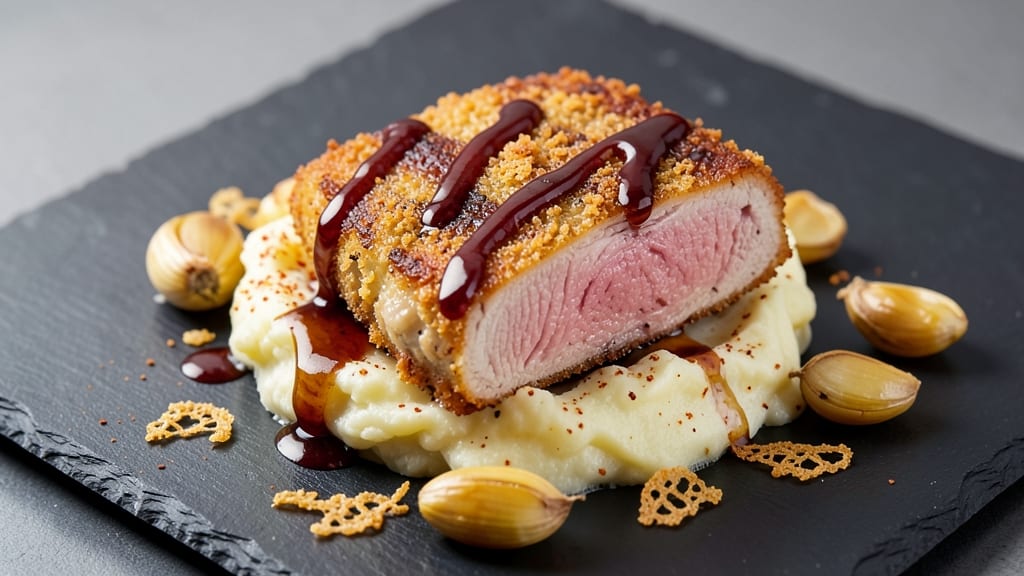
This breaded buttermilk pork tenderloin recipe delivers the perfect balance of crispy golden breading and juicy pink meat—no dry, tough cuts here. The secret lies in the buttermilk marinade, which tenderizes the pork while creating that signature crunchy crust.
I've perfected this technique after years of testing, ensuring every bite is moist inside and satisfyingly crisp outside.
The process starts with a simple but effective marinade of buttermilk, garlic, and herbs, which works its magic overnight. Then comes the breading station—flour, seasoned panko, and a final egg wash for that extra golden finish.
Whether you pan-sear or bake, the key is maintaining that juicy core while achieving a breading that could rival any restaurant's.
What you'll end up with is a restaurant-quality pork tenderloin that's tender enough to cut with a fork yet holds its shape beautifully on the plate. The buttermilk basting keeps it impossibly juicy, while the breading delivers that satisfying crunch in every bite.
This is the kind of dish that makes weeknight dinners feel special.
Pair it with roasted potatoes, a crisp green salad, or your favorite coleslaw to complete the meal. The beauty of this recipe is its versatility—it works for family dinners, potlucks, or even a cozy night in. Let's get started on creating this crowd-pleaser!
Ingredients for breaded pork tenderloin recipe buttermilk
Fourteen ingredients, restaurant-quality results—juicy pink pork with a buttermilk-basted crust that cracks like gold.
| Ingredient | Amount | Notes |
|---|---|---|
| Pork Tenderloin 🍖 | 1 ½ lb | Center-cut, trimmed of fat |
| Buttermilk 🥛 | 1 cup | Full-fat for best flavor |
| All-Purpose Flour 🌾 | 1 cup | For dredging, sifted |
| Large Eggs 🥚 | 2 whole | Room temperature, beaten |
| Japanese Panko Breadcrumbs 🍞 | 2 cups | For extra-crispy crust |
| Garlic Cloves 🧄 | 4 cloves | Minced, fresh preferred |
| Fresh Rosemary 🌿 | ¼ cup | Finely chopped, stems removed |
| Fresh Thyme Leaves 🌿 | 1 tbsp | Or 1 tsp dried thyme |
| Diamond Crystal Kosher Salt 🧂 | 1 ½ tsp | For seasoning, adjust to taste |
| Ground Black Pepper 🌶️ | ½ tsp | Freshly ground preferred |
| Vegetable Oil 🫒 | ½ cup | For pan-searing, high smoke point |
| Unsalted Butter 🧈 | 2 tbsp | For basting, melted |
| Cornstarch 🌾 | 1 tbsp | For crispier crust, optional |
The pork tenderloin is your star player here—center-cut and trimmed for even cooking. Costco or local butchers usually carry the best quality, but any well-marbled tenderloin works. Look for a piece that's uniform in size—this ensures even browning. The buttermilk? Full-fat is non-negotiable—it's what gives that signature tang and tenderness. If you're short on time, you can use whole milk mixed with 1 tbsp vinegar or lemon juice as a substitute, but it won't be quite as rich. For the herbs, fresh is ideal, but dried thyme at one-third the amount works in a pinch if you're prepping ahead.
No buttermilk? Sour cream thinned with milk is a solid swap, though the texture will be slightly different. The cornstarch is optional but worth it—it creates that extra-crispy crust that's hard to resist. If you're breading multiple pieces, keep everything in separate bowls to avoid soggy breading. The garlic and herbs should be finely minced—no visible pieces, or they'll burn before the pork is cooked through. For the panko, Trader Joe's or King Arthur brands are my go-tos—they're light and stay crispy. If you can't find panko, regular breadcrumbs work, but they won't be as airy or crisp.
This dish reheats beautifully—10 minutes at 350°F brings it back to life with minimal dryness. Store leftovers in an airtight container for up to 4 days in the fridge, or freeze for 3 months by wrapping tightly in foil. The buttermilk marinade can be prepped a day ahead, which saves time on cooking day. For serving, I like to rest the pork for 5 minutes before slicing—it keeps everything juicy. Pair with roasted potatoes or a sharp apple slaw to cut through the richness.
Why You'll Love This Recipe
- Same recipe, different vibes: toss it on the grill for summer BBQs or pan-sear it for a fussy-free dinner. My kids ask for it after soccer practice, and my in-laws think it’s restaurant-worthy. (Between us, the secret’s the extra 5 minutes letting the breading stick.)
- 20-Minute Hands-Off: The buttermilk marinade does the heavy lifting while you prep the rest—no babysitting required. I slice the tenderloin, toss it in a bowl, and walk away. By the time I’ve whisked the eggs and tossed the panko, the pork’s already tenderized and ready for breading.
- Crispy-Creamy Magic: That first bite? Buttermilk’s tang cuts through the richness, while the panko delivers shatteringly crisp edges. Honestly, the combo of juicy pork and that golden crust makes it my go-to for when I want something that feels indulgent but isn’t heavy.
- Weeknight or Company: Same recipe, different vibes: toss it on the grill for summer BBQs or pan-sear it for a fussy-free dinner. My kids ask for it after soccer practice, and my in-laws think it’s restaurant-worthy. (Between us, the secret’s the extra 5 minutes letting the breading stick.)
Step-by-step instructions for crispy buttermilk pork tenderloin
Here's how to transform simple ingredients into restaurant-quality pork with perfect texture every time.
Prepare the Buttermilk Marinade
Place the 1.5 lb pork tenderloin in a shallow dish and pour the 1 cup buttermilk over it, ensuring it's fully submerged. The buttermilk tenderizes the meat while adding that signature tangy flavor. Let it marinate in the refrigerator for at least 2 hours, or overnight for maximum tenderness. I like to turn the meat occasionally during this time to ensure even coating.
While the pork marinates, prepare the herb mixture by finely chopping the 0.25 cup fresh rosemary and 1 tbsp fresh thyme leaves. Combine these with the 4 minced garlic cloves, 1.5 tsp Diamond Crystal kosher salt, and 0.5 tsp ground black pepper in a small bowl. This aromatic blend will infuse the meat with deep, savory flavors during the cooking process.
Create the Breaded Crust
In a medium bowl, whisk together the 2 whole large eggs until fully combined. In another shallow dish, place the 1 cup all-purpose flour mixed with 1 tbsp cornstarch (this creates an extra-crispy coating). Spread the 2 cups Japanese panko breadcrumbs on a separate plate. The cornstarch helps create that golden, shatteringly crisp crust we're after.
After marinating, remove the pork from the buttermilk and let any excess drip off. First, dredge the pork in the flour mixture, tapping off any excess. Then dip it into the beaten eggs, allowing any excess to drip off. Finally, press the pork into the panko crumbs, coating it evenly on all sides. The double-dredging technique ensures maximum crispiness without making the crust too thick.
Pan-Sear for Perfect Crispiness
Heat the 0.5 cup vegetable oil in a large skillet over medium-high heat until it reaches 350°F on an instant-read thermometer. The oil should be shimmering but not smoking—this is crucial for even cooking. Carefully place the breaded pork tenderloin in the skillet and cook for 4-5 minutes per side, until it reaches an internal temperature of 145°F and the crust is deep golden brown.
During the last minute of cooking, add the 2 tbsp unsalted butter to the pan. The butter will melt and baste the pork, adding richness while helping to create that perfect caramelized crust. You'll know it's ready when the crust is crisp and the internal temperature reaches 145°F—the meat will continue cooking slightly as it rests.
Rest and Serve with Herb Butter Sauce
Transfer the pork to a cutting board and let it rest for 10 minutes before slicing. This resting period allows the juices to redistribute throughout the meat, ensuring each slice remains moist and tender. While it rests, pour the rendered fat and butter from the skillet into a small saucepan and place it over low heat. Add the herb mixture you prepared earlier and simmer for 2-3 minutes until it forms a fragrant paste.
Slice the pork into ½-inch thick medallions and serve immediately with the herb butter sauce spooned over the top. The result should be perfectly crisp breading on the outside, giving way to tender, juicy pink pork inside. Each bite delivers that perfect balance of textures and flavors we've worked so hard to achieve.
Pro Tips For Making Breaded Pork Tenderloin Recipe Buttermilk
- Pat the meat dry—really dry: I learned this the hard way—wet pork tenderloin won’t crisp up no matter how much panko you use. Grab paper towels and wipe it down like you’re polishing a car. The drier the surface, the better the crust sticks.
- Use room-temperature buttermilk: Cold buttermilk makes for a watery batter that won’t cling. Pour it into a shallow dish and let it sit for 10 minutes while you prep the rest. Your breading will thank you—it’ll be thick, sticky, and perfect for clinging.
- Fry in batches, don’t crowd: I used to toss everything in at once, thinking it’d save time. Wrong. Overcrowding drops the oil temp, and you end up with soggy breading. Keep it to 2-3 pieces per batch, and give them space to sizzle freely.
- Rest the cutlets before frying: This isn’t the prettiest method, but it’s the tastiest. After breading, let them sit on a wire rack for 5 minutes. It lets the coating firm up so it doesn’t slide off when you flip—no more half-breaded disasters.
Essential equipment for perfect results
Skillet Essentials
Start with a heavy-bottomed cast-iron skillet—I swear by my Lodge 10.25-inch—for even heat distribution and superior crispiness. The deep sides make flipping easier, and the material retains heat beautifully.
If you don’t own cast iron, a stainless steel skillet with a lid works too, but monitor the temperature closely—stainless steel can cool faster. Avoid nonstick pans for this recipe; they won’t deliver that satisfying crunch. 🔥
Thermometer Must-Have
An instant-read meat thermometer is non-negotiable for perfect doneness. I use the ThermoWorks Dot—it’s sleek, accurate, and has a built-in timer. Insert the probe into the thickest part of the pork to check for 145°F internal temperature.
Without one, you’re guessing, and that’s how you end up with dry, overcooked pork. Pro tip: Calibrate your thermometer before use by testing it in boiling water—it should read 212°F.
Breading Station Setup
Three shallow dishes are key for the breading process: one for flour, one for egg wash, and one for panko. I use glass baking dishes from my Pyrex set—they’re sturdy, easy to clean, and won’t warp. Keep everything within arm’s reach to avoid soggy breading.
A wire cooling rack placed over a baking sheet comes in handy for draining excess oil after cooking. For extra crispiness, I like to sprinkle the panko with 1 tsp cornstarch before pressing it onto the pork.
Butter Basters
You’ll need 2 tbsp unsalted butter for basting, but don’t grab any old butter—Plugrá or European-style cultured butter adds the most flavor. Melt it in the same skillet during the last minute of cooking to baste the pork while it rests.
A small offset spatula helps spread the butter evenly. For serving, I transfer the rendered fat and butter to a small saucepan to make a quick herb butter sauce—just simmer with the reserved herbs for 2-3 minutes.
Resting Tools
After cooking, let the pork rest on a wooden cutting board—it’s gentler than plastic and absorbs moisture. I keep a small digital timer nearby to remind me not to rush this step.
While it rests, use a fine-mesh strainer to drain any excess oil from the skillet before making your herb butter sauce. A sharp chef’s knife (I love my Victorinox 8-inch) is essential for clean, even slices.
For presentation, I arrange the slices on a white ceramic platter to let the golden crust shine. 💫
Nutrition facts
Frequently asked questions
Why does buttermilk make the pork so tender?
The acidity in buttermilk breaks down muscle fibers, creating microscopic tears that allow the meat to hold more moisture. This tenderizing effect happens during marinating, while the fat content adds richness that keeps the pork juicy. The longer it marinates (up to overnight), the more dramatic the tenderness boost.
Can I bake this instead of pan-searing?
Preheat oven to 400°F and place breaded pork on a wire rack over a baking sheet. Bake for 20-25 minutes, basting with butter every 5 minutes for crispiness. Use an instant-read thermometer to check for 145°F internal temp. The crust won't be as crispy as pan-seared, but it's still delicious.
What if my breading falls off while cooking?
This usually happens if the pork isn't fully dry before breading or if the oil is too hot. Pat the meat very dry with paper towels after marinating, and keep your oil between 350-375°F. For extra adhesion, add 1 tbsp cornstarch to your flour mixture. Cook at medium-high heat (not high) to prevent burning before the breading sets.
How do I make this recipe gluten-free?
Replace all-purpose flour with 1 cup gluten-free all-purpose flour blend and use gluten-free panko (like Bob's Red Mill). The cornstarch can stay as-is. Note that gluten-free breading is slightly less crispy but still delicious. For extra binding, whisk 1 tbsp xanthan gum into the flour mixture.
What's the best way to reheat leftovers?
For maximum crispiness, reheat in a 375°F oven for 10-12 minutes on a wire rack. If using a skillet, cook over medium heat with 1 tbsp butter until golden. Microwaving works for the meat (wrap in a damp paper towel) but won't restore the crispy crust. Leftovers keep for 4 days refrigerated or 3 months frozen.