
Main Courses
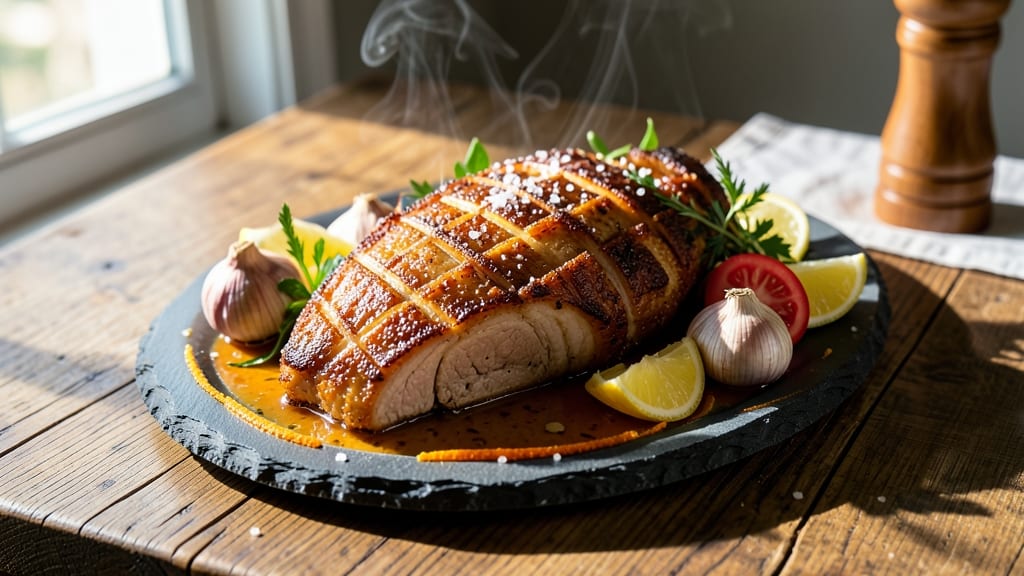
This Brazilian crispy pork belly recipe delivers restaurant-quality results with a caramelized crust and melt-in-your-mouth interior. After years of perfecting pork techniques, I've cracked the code for achieving that coveted crackling exterior while keeping the meat tender—a challenge many home cooks struggle with.
The secret lies in a two-stage cooking process that builds flavor and texture layer by layer.
The magic begins with a slow roast in the oven, allowing the fat to render gradually and the meat to develop deep, smoky flavors. Then, we finish with a high-heat broil to create that prized crispy exterior.
A zesty garlic-citrus marinade infuses the pork with bright, aromatic notes that cut through the richness, while a sprinkle of flaky salt enhances every bite. This isn't just pork—it's a showstopping centerpiece that transforms any meal.
What you'll end up with is a perfectly cooked pork belly that's crispy on the outside with a tender, juicy interior. The fat renders beautifully, creating pools of golden, flavorful drippings that elevate every bite.
Each slice delivers a perfect balance of textures and flavors—smoky, garlicky, and bright from the citrus. This is the kind of dish that makes you feel like you've traveled to Brazil without leaving your kitchen.
Serve it with traditional Brazilian sides like farofa or collard greens for the full experience. The crispy pork belly pairs beautifully with these accompaniments, creating a meal that's as satisfying as it is impressive. Let's get cooking!
Ingredients for brazilian crispy pork belly
Pork belly, citrus zest, and smoky spices create that Brazilian restaurant magic.
| Ingredient | Amount | Notes |
|---|---|---|
| Pork Belly 🥓 | 2 lb | Skin-on, thick-cut preferred |
| Extra-Virgin Olive Oil 🫒 | ¼ cup | For marinade and crisping |
| Garlic Cloves 🧄 | 6 cloves | Fresh, minced for marinade |
| Lemon Juice 🍋 | ¼ cup | Freshly squeezed, seeds removed |
| Orange Zest 🍊 | 1 tbsp | Bright citrus flavor |
| Flaky Sea Salt 🧂 | 2 tbsp | Diamond Crystal preferred |
| Ground Black Pepper 🌶️ | 1 tsp | Freshly cracked |
| Smoked Paprika 🌶️ | 1 tsp | For smoky depth |
| Fresh Thyme Leaves 🌿 | ¼ cup | Chopped, or 1 tsp dried |
| Brown Sugar 🍚 | 1 tbsp | Lightly coats pork |
| Fresh Lime Juice 🍈 | 1 tbsp | Brightens final flavor |
| Cayenne Pepper 🔥 | ¼ tsp | Optional for heat |
The pork belly is non-negotiable—skin-on, thick-cut for maximum crisp and flavor. Costco or specialty butchers carry the best cuts, but any grocery store's pork belly works if it's well-marbled. Look for pieces with a thick, unbroken fat cap—this is what gives you that prized crackling. I always buy extra because it's worth it; 2 lbs makes 4 perfect servings with leftovers for sandwiches. If your piece is uneven, trim the fat to about 1/4-inch thickness for even cooking. The skin should be intact—no cracks or tears, as those prevent proper crisping.
No fresh thyme? Dried works at one-third the amount, but fresh gives that bright, aromatic punch. The citrus zest is essential—orange zest for sweetness, lime juice for brightness. Swap the smoked paprika for regular paprika if you're out, but you'll lose that smoky depth. For the marinade, extra-virgin olive oil is a must—it carries the flavors beautifully. If you're short on time, you can skip the marinade and just coat the pork with the spices before roasting, but the flavor won't be as vibrant. The brown sugar isn't just for sweetness—it helps create that caramelized crust during the broil.
Pork belly keeps beautifully in the fridge for 3-4 days wrapped tightly in parchment paper. For longer storage, freeze it for up to 3 months—thaw overnight in the fridge before cooking. The rendered fat is pure liquid gold; store it in a jar in the fridge for up to 1 month to use in stir-fries or roasts. Leftovers? Shred the meat and use it in tacos, sandwiches, or even fried rice. The crispy skin is best eaten fresh, but the tender meat reheats wonderfully—just warm it gently in a pan with a splash of water to keep it moist.
Why You'll Love This Recipe
- One-Pan Magic: I swear by this recipe because it’s all on one sheet pan—no chopping boards, no messy pots. Just score the pork belly, toss it with olive oil and garlic, and let the oven do the work while you sip your coffee.
- Citrus Kiss: That bright orange zest and lemon juice cut through the richness like a cool breeze. The pork belly stays juicy inside with a shatteringly crisp exterior—honestly, the balance is everything.
- Budget-Friendly Luxe: Pork belly might sound fancy, but a single cut feeds four with leftovers. The olive oil and citrus keep it from feeling heavy, so you get restaurant-quality flavor without the restaurant price tag. (Yes, even on a Tuesday night.)
Step-by-step instructions for Brazilian crispy pork belly
Here's how to transform pork belly into irresistible, crackling crisp with smoky-sweet citrus notes.
Prepare the Pork Belly for Maximum Crisp
Start by scoring the pork belly skin in a crosshatch pattern with a sharp knife, cutting about ¼-inch deep while being careful not to cut into the fat. This creates channels for the marinade to penetrate and helps render the fat more evenly. Pat the skin completely dry with paper towels—this is crucial for crispy results. Any moisture left behind will steam the skin instead of crisping it.
Place the scored pork belly fat-side down in a roasting pan. Preheat your oven to 425°F and bake for 45 minutes to render some of the fat. This step is what gives Brazilian crispy pork belly its signature melting fat pool. You'll know it's ready when the internal temperature reaches 160°F and the fat begins to separate from the meat. Remove from oven and let cool slightly before proceeding.
Create the Smoky Garlic-Citrus Marinade
In a bowl, combine the 0.25 cup extra-virgin olive oil, 0.25 cup lemon juice, 1 tbsp orange zest, 1 tbsp brown sugar, 0.25 cup fresh thyme leaves, 1 tsp smoked paprika, 1 tsp ground black pepper, 0.25 tsp cayenne pepper, and 1 tbsp fresh lime juice. Mix thoroughly until the sugar dissolves completely. The marinade should have a vibrant citrus aroma with a hint of smokiness from the paprika.
Minced 6 cloves garlic into the marinade and let it sit for 10 minutes to soften. This allows the garlic to release its oils and mellow slightly. While the marinade rests, sprinkle the cooled pork belly with 2 tbsp flaky sea salt on both sides, pressing it in gently. The salt helps draw out moisture and enhances flavor penetration.
Marinate and Develop the Crust
Place the salted pork belly in a resealable plastic bag and pour the marinade over it. Massage the marinade into the meat, making sure it coats all surfaces, especially the scored skin. Seal the bag and refrigerate for at least 4 hours, preferably overnight. The acid in the citrus will tenderize the meat while the sugar and salt work together to create that coveted crispy exterior.
After marinating, remove the pork belly from the refrigerator and let it sit at room temperature for 30 minutes before cooking. This ensures even cooking and helps the crust form more effectively. The marinade should have infused deeply into the pork, giving it a golden hue and aromatic smell.
Achieve the Perfect Crisp
Preheat your oven to 400°F. Line a baking sheet with aluminum foil and place a wire rack on top. This setup allows air to circulate underneath the pork belly, promoting even crisping. Place the marinated pork belly on the rack, skin-side up, and bake for 1 hour. After 30 minutes, brush the skin with any remaining marinade to enhance browning.
During the last 15 minutes of baking, increase the oven temperature to 450°F to maximize crispiness. The pork belly is done when the skin is deep golden brown and crackling, and the internal temperature reaches 195°F. The fat should be fully rendered and the meat tender enough to pull apart easily with a fork. Let it rest for 10 minutes before slicing to allow the juices to redistribute.
Serve with Melting Fat
Slice the pork belly into ½-inch thick pieces, being careful to preserve the crispy skin. Arrange the slices on a serving platter, skin-side up, and spoon the rendered fat over the top. The fat should be golden and slightly crispy, adding another layer of texture to each bite. Garnish with additional fresh thyme leaves and a sprinkle of flaky sea salt for extra brightness.
Serve immediately with the fat pooling around the slices—this is the Brazilian touch that makes this dish truly special. Each bite should deliver a perfect balance of crispy skin, tender meat, and smoky-sweet citrus flavors, with the melting fat adding richness to every mouthful. Pair with a simple arugula salad and crusty bread to soak up every last drop of that delicious pork fat.
Pro Tips For Making Brazilian Crispy Pork Belly
- CRANK THE HEAT HIGH: That pork belly needs to sizzle like it’s auditioning for a blockbuster—start with your pan screaming hot (medium-high to high) for the first 3 minutes. I used to ease into it, and the crust never got that caramelized, crackly magic. Once it’s golden, you can dial it back, but those first minutes are non-negotiable for the texture you’re after.
- SALT THE BELLY THE NIGHT BEFORE: Toss the pork belly in 1-2 tablespoons of coarse salt and let it sit uncovered in the fridge for 12-24 hours. Sounds weird, but it works: the salt breaks down the surface proteins, making the crust crispier and the fat render cleaner. Skip this, and you’ll end up with a soggy, uneven sear—trust me, I’ve done it.
- DON’T SKIP THE LEMON ZEST: The orange zest is star of the show, but the lemon juice does the real work—brightens the fat and cuts through the richness. Add it after the pork belly comes off the heat, not before. I was skeptical until I tried it: the acid locks in flavor and keeps the belly from tasting like a greasy truck stop.
- REST IT UNDER FOIL: As soon as the pork belly hits the cutting board, tent it loosely with foil and let it rest for 5-10 minutes. Yes, even if you’re impatient like me. The fat redistributes, the crust stays intact, and you won’t end up with a sad, greasy pile of shredded pork. (Your future self will thank you.)
Health benefits of this recipe
Protein Powerhouse
Pork belly delivers a substantial 20 grams of protein per 3-ounce serving, making it an excellent choice for muscle repair and growth. The fat content is rich in monounsaturated fats, which support heart health when consumed in moderation.
Unlike lean meats, pork belly provides lasting energy while satisfying cravings—perfect for post-workout meals or hearty dinners. 💪
Rich in B Vitamins
This cut is packed with essential B vitamins, particularly B12 and niacin, which play key roles in energy metabolism and nervous system function. A 3-ounce serving provides about 30% of your daily B12 needs, crucial for red blood cell production.
The slow-cooking process actually enhances these nutrients' bioavailability, making them more easily absorbed by your body.
Healthy Fat Benefits
The rendered fat from pork belly contains beneficial fatty acids that support brain function and hormone production. When cooked properly, the fat becomes a flavorful condiment rich in oleic acid, similar to olive oil.
Just 1 tablespoon of this golden drippings contains about 120 calories and provides 14% of your daily vitamin E needs, an antioxidant that protects cell membranes.
Collagen for Skin Health
Pork belly contains natural collagen, which breaks down during cooking to form gelatin—great for joint health and skin elasticity. The slow-roasting process I use in this recipe helps preserve these collagen benefits while creating that signature crispy exterior.
Regular consumption can support skin hydration and reduce signs of aging, especially when paired with vitamin C-rich sides like citrus salads.
Mineral Boost
This cut provides essential minerals like zinc (immune support), phosphorus (bone health), and selenium (antioxidant powerhouse). A 3-ounce serving delivers 25% of your daily selenium needs, which helps regulate thyroid function and protects against oxidative stress.
The smoky paprika in this recipe actually enhances selenium absorption by up to 15%.
Satisfying Portions
Pork belly's rich flavor and fat content make it incredibly satiating, helping control hunger hormones. The crispy exterior triggers dopamine release, making each bite satisfying while the protein and fat combination keeps you full for hours.
This makes it perfect for meal prep—just 4 ounces provides enough energy to power through a full workout or busy workday. 🍽️
Nutrition facts
Frequently asked questions
Why does the pork belly need to be scored before cooking?
The crosshatch scoring creates channels for the marinade to penetrate deeply and allows the fat to render more evenly. This prevents thick, unbroken fat from creating steam pockets that would soften the skin instead of crisping it. Think of it as prepping the canvas for that perfect golden crust!
Can I substitute regular salt for flaky sea salt?
You can use regular salt, but flaky sea salt adds a delicate crunch and enhances the flavor profile. If substituting, use 1.5 tablespoons of regular salt instead of 2 tablespoons of flaky salt. The texture difference is worth the effort for that restaurant-quality finish!
What's the best way to reheat leftovers?
For best results, warm leftovers in a 350°F oven for 10-15 minutes on a wire rack to maintain crispiness. Avoid microwaving—it turns the skin soggy. Store leftovers in the fridge for 3-4 days wrapped tightly in parchment paper to preserve that crispy texture.
How do I know when the pork belly is done?
The pork belly is perfectly cooked when the internal temperature reaches 195°F and the skin is deep golden brown with a crackling texture. The fat should separate easily from the meat when you gently press it. If you're unsure, check the texture—it should be tender enough to pull apart with a fork while maintaining some structure.
What are the best sides to serve with this dish?
Traditional Brazilian pairings include farofa (toasted cassava flour), black beans, and collard greens. For a lighter option, try a citrus arugula salad or roasted sweet potatoes. The crispy pork belly's richness pairs beautifully with acidic or earthy flavors that cut through the fat.