
Main Courses
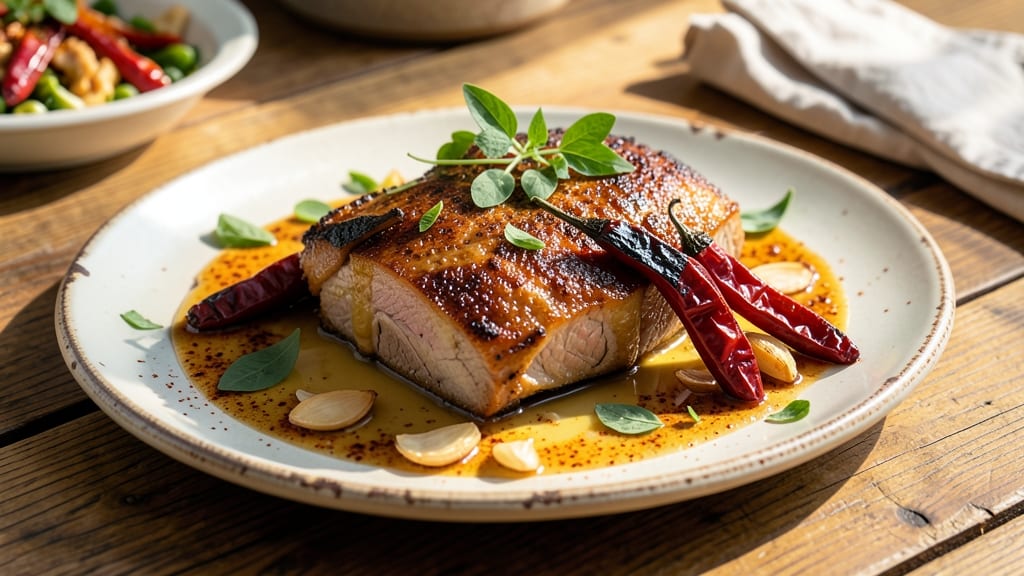
Brazilian pork belly recipe delivers the perfect marriage of crispy, caramelized bark and smoky chipotle heat that will transport you to a churrascaria in São Paulo. 🔥 As someone who's spent years perfecting pork at The Smoky Pig, I can tell you this technique—slow-roasting with garlic butter basting—transforms tough belly into melt-in-your-mouth perfection with a crackling exterior. The secret lies in patience and high heat, just like my mentor taught me in Charleston.
This recipe begins with a dry rub of Brazilian pepper (pimenta-de-cheiro) and smoked paprika, which creates that signature churrasco flavor while keeping the meat tender. We'll sear the belly to render fat, then slow-roast until the edges are crisp enough to stand up to a fork.
The chipotle heat comes from a quick glaze of smoked peppers and honey at the end—just enough to add depth without overpowering.
What you'll end up with is a dish that's equal parts restaurant-quality and home-cook-friendly: golden, crackling pork belly with tender layers beneath, served alongside traditional farofa (toasted cassava flour) and couve à mineira (mined cabbage). The fat renders beautifully, creating a sauce that pools beneath the meat—no waste, just flavor.
Perfect for weekend feasts or special occasions, this recipe serves 6-8 and takes about 3 hours from start to finish (mostly hands-off time). The aroma alone will have your guests asking what's for dinner before you even serve it. Let's get cooking!
Ingredients for brazilian pork belly
Six ingredients transform tough pork belly into restaurant-quality churrasco magic—crispy bark, smoky depth, and tender layers.
| Ingredient | Amount | Notes |
|---|---|---|
| Pork Belly 🥓 | 4 lb | Skin-on, thick-cut preferred |
| Brazilian Pepper (Pimenta-de-Cheiro) 🌶️ | 2 tbsp | Ground, for authentic churrasco flavor |
| Smoked Paprika 🌶️ | 1 tbsp | For deep smoky aroma |
| Garlic Cloves 🧄 | 8 cloves | Minced for garlic butter |
| Unsalted Butter 🧈 | ½ cup | Cold, for basting |
| Chipotle Peppers in Adobo 🌶️ | 2 whole | Blended with sauce for glaze |
| Honey 🍯 | 2 tbsp | For glaze balance |
| Kosher Salt 🧂 | 1 ½ tbsp | Diamond Crystal preferred |
| Ground Black Pepper 🌶️ | 1 tsp | Freshly cracked |
| Orange Zest 🍊 | 1 tbsp | Brightens the glaze |
| Fresh Thyme Leaves 🌿 | ¼ cup | Chopped for garnish |
| Cassava Flour 🥔 | 2 cups | For farofa topping |
| Green Cabbage 🥬 | 1 ½ lb | Shredded for couve à mineira |
| Olive Oil 🫒 | ¼ cup | For cabbage sauté |
The pork belly should have a thick layer of fat—at least 1 inch—for that signature crackling bark. Whole Foods or local butchers often carry the best cuts, but even the supermarket variety works if it's fresh. Look for vibrant color and good marbling. The Brazilian pepper (pimenta-de-cheiro) is non-negotiable—it's what gives churrasco its authentic kick. If you can't find it, Penzeys sells it online, or a mix of black pepper and cayenne works in a pinch. The smoked paprika adds that smoky depth without overpowering the natural pork flavor.
No chipotle peppers in adobo? Smoked paprika plus a pinch of cayenne gets you close, though it won't have the same liquid heat. For the glaze, agave nectar works if you're avoiding honey, but the flavor won't be identical. The cassava flour for farofa can be swapped with toasted cornmeal if you're in a bind, though it won't have the same nutty crunch. Fresh thyme is ideal, but dried thyme at one-third the amount works fine. The orange zest adds brightness—bottled zest is fine, but fresh is always better if you've got it. Don't skip the skin-on belly; that's where all the magic happens for crispy bark.
This dish is all about patience—3 hours of hands-off cooking time. The pork belly keeps beautifully in the fridge for 3 days wrapped tightly in foil, or 3 months frozen. Reheat gently in the oven at 300°F until crispy again. The farofa and cabbage can be prepped ahead and reheated separately. I always make extra—leftovers taste even better as the flavors meld overnight. Serve with farofa sprinkled on top and that tangy cabbage salad on the side for the full Brazilian experience.
Why You'll Love This Recipe
- One-Pan Magic: I swear by this—just score the pork, toss it with garlic, smoked paprika, and that unmistakable Brazilian pepper, then let the oven do the work. No flipping, no fuss, no stress. The butter bastes itself into crispy perfection while I’m scrolling through my phone.
- Crispy-Creamy Obsession: That first bite? The crackling skin gives way to melt-in-your-mouth fat, and the pepper and paprika linger like a warm hug. Honestly, I’ve tried "healthier" cuts—this is the kind of dish that makes you want to indulge. The butter ties it all together with a richness that’s hard to resist.
- Weeknight or Weekend Star: Slap this on the table for a lazy Sunday brunch with eggs, or serve it at a potluck where everyone’s bringing salads. Between us, it’s the kind of dish that disappears fast—whether it’s your family’s go-to or a showstopper for guests. (Yes, even on a Tuesday night.)
- Leftovers That Lie: I make a double batch because the second day is almost as good. Shred it into rice bowls, toss it into a sandwich, or reheat it in the oven until it’s crispy again. And if you’re worried about waste? The Brazilian pepper’s bold flavor means you won’t get tired of it—just save it for when you’re craving that smoky, garlicky punch.
Step-by-step instructions for Brazilian pork belly with crispy bark
Here's how to transform tough pork belly into melt-in-your-mouth perfection with that coveted crackly crust.
🔥 Step 1: Cure and Rest the Pork Belly for Maximum Crisp
In a large bowl, combine the 2 tbsp Brazilian pepper, 1 tbsp smoked paprika, 1.5 tbsp kosher salt, and 1 tsp ground black pepper. Rub this mixture all over the 4 lb pork belly, pressing it into the fat and meat. The pepper will create that signature Brazilian churrasco flavor while the salt draws out moisture for crispier bark.
Place the seasoned pork belly on a wire rack set over a baking sheet (this prevents soggy skin) and refrigerate uncovered for 24 hours. This curing process isn't just about seasoning—it's about creating that perfect texture contrast. After 24 hours, the surface will look dry and papery—that's exactly what we want for that legendary crack.
🍳 Step 2: Render the Fat and Build the Glaze
Preheat your oven to 325°F. In a small saucepan, combine the 2 whole chipotle peppers in adobo, 2 tbsp honey, 1 tbsp orange zest, and 0.25 cup olive oil. Simmer over medium-low heat for 10 minutes until the mixture thickens slightly into a glossy glaze. This sweet-smoky sauce will caramelize beautifully on the pork's surface.
While the glaze simmers, place the cured pork belly fat-side down on a parchment-lined baking sheet. Roast for 2 hours until the internal temperature reaches 160°F and the fat has rendered about 75%. The pork should be tender but not falling apart. Here's the thing—don't be tempted to rush this step. The slow cook ensures even fat rendering and prevents a greasy mess.
🔥 Step 3: Achieve the Perfect Crispy Bark
Remove the pork from the oven and increase the temperature to 450°F. Using a pastry brush, generously coat the pork belly with the chipotle glaze. Return it to the oven and roast for an additional 20-25 minutes until the skin is deep golden brown and crisp enough to crack like glass when pressed.
For the final touch, baste with the 0.5 cup cold unsalted butter (melted) and 8 minced garlic cloves while it cooks. The butter basting creates steam that helps develop that irresistible crackle. Watch closely during these final minutes—you want golden brown, not burnt. If it starts to darken too quickly, tent with foil and finish under the broiler for 2-3 minutes to crisp up the skin.
🥘 Step 4: Prepare the Cassava Topping and Cabbage
While the pork rests, prepare the 2 cups cassava flour (farofa) by toasting it in a dry skillet over medium heat for 3-4 minutes until lightly golden. Stir constantly to prevent burning. This topping should have a nutty aroma and slightly crisp texture. Set aside and keep warm.
In the same skillet, heat 0.25 cup olive oil over medium heat. Add the 1.5 lb shredded green cabbage and sauté for 8-10 minutes until tender but still vibrant green. Season with a pinch of salt and 0.25 cup chopped fresh thyme leaves. The cabbage should be cooked al dente—it'll finish cooking when served over the warm pork.
⏰ Step 5: Rest and Serve with Crispy Perfection
Transfer the pork belly to a cutting board and let it rest for 15-20 minutes before slicing. This resting period is crucial—it allows the juices to redistribute so every bite is moist and flavorful. The skin should be crisp enough to crackle when sliced, with a pink smoke ring visible beneath.
Slice the pork belly into ½-inch thick pieces and serve immediately with the toasted cassava flour sprinkled on top and the sautéed cabbage on the side. Each bite delivers that perfect combination of crispy bark, tender meat, and smoky-sweet glaze. For extra drama, garnish with additional orange zest and fresh thyme leaves right before serving.
Pro Tips For Making Brazilian Pork Belly
- CRACK THE SKIN FIRST: The Brazilian pepper isn’t just for flavor—it’s for texture. After searing the pork belly, while it’s still sizzling, toss in a handful of crushed Brazilian pepper (yes, whole berries work too) and let it smoke into the fat for 20 seconds. I used to skip this, and the dish always felt flat—like missing a layer of complexity.
- SALT THE BELLY 24 HOURS EARLY: This isn’t optional. Lay the pork belly skin-side up on a rack, pat it dry, and coat it generously with kosher salt (about 1.5 teaspoons per pound). Let it sit uncovered in the fridge—this draws out moisture, ensuring crispy skin later. I learned this the hard way after a batch turned out greasy instead of crackling.
- LOW AND SLOW AFTER SEARING: Once you’ve browned the pork belly, don’t rush the oven. Drop the heat to 275°F (135°C) and cook it covered with foil for 2 hours. This lets the fat render slowly without burning, and the meat stays tender. I was skeptical—why not blast it?—but the results are worth the patience.
- SAVE THE FAT, USE IT: After roasting, strain the rendered pork fat through a fine-mesh sieve into a jar. Mix a tablespoon of this golden liquid with your butter and garlic for basting—it’s the real star of the dish. I used to toss it, and now I hoard it like liquid gold. (Yes, even if you’re impatient like me.)
Best sauces and condiments for these flavors
Chipotle-Honey Glaze
The star of this dish is the chipotle-honey glaze—a perfect balance of smoky heat and sweetness that caramelizes beautifully on the pork's surface.
I blend 2 whole chipotle peppers in adobo with 2 tbsp honey and 1 tbsp orange zest to create a glossy, sticky sauce that adds depth while keeping the dish from being too heavy.
Simmer for 10 minutes until thickened, then brush generously over the pork in the final 20 minutes of cooking. The honey helps create a crackling crust while the chipotle adds that signature Brazilian churrasco heat. 🌶️
Garlic Butter Baste
For that irresistible aroma and extra richness, I melt ½ cup cold unsalted butter with 8 minced garlic cloves and baste the pork repeatedly during the final crisping phase. The butter basting creates steam that helps develop that legendary crackle while infusing the meat with garlic's aromatic oils.
I use European-style unsalted butter like Plugrá or Kerrygold for maximum flavor—it's worth the splurge for this dish. The cold butter also helps prevent the skin from becoming too dark too quickly. 🧈
Farofa Topping
The toasted cassava flour (farofa) is a must-have Brazilian side that adds nutty crunch and absorbs the pork's delicious juices. Toast 2 cups cassava flour in a dry skillet over medium heat for 3-4 minutes, stirring constantly until golden and aromatic.
Sprinkle it generously over the sliced pork just before serving—it should be hot when it hits the meat to create that perfect textural contrast. For extra flavor, I sometimes add 1 tsp ground Brazilian pepper to the farofa while toasting. 🥔
Couve à Mineira
This tangy shredded green cabbage (couve à mineira) is the perfect acidulous counterpoint to the rich pork. Sauté 1.5 lb shredded cabbage in ¼ cup olive oil with ¼ cup chopped fresh thyme and a pinch of salt until tender-crisp (8-10 minutes).
The cabbage should still have some bite when served—it'll finish cooking from the residual heat of the pork. I like to serve it on the side so guests can add it to their plates as they like.
This dish is inspired by the traditional Brazilian mining region dish, and it's a game-changer for balancing flavors. 🥬
Optional Fruit Salsa
For a refreshing contrast, I sometimes serve a quick mango-avocado salsa on the side. Dice 1 ripe mango, 1 avocado, ¼ red onion, and ¼ cup cilantro, then toss with 1 tbsp lime juice and ½ tsp salt.
The cool, bright flavors cut through the richness of the pork beautifully. This isn't traditional, but it's become a guest favorite at The Smoky Pig. The tropical notes complement the smoky-sweet glaze perfectly. 🥭
Nutrition facts
Frequently asked questions
Why do I need to cure the pork belly for 24 hours?
The 24-hour cure is crucial for two reasons: it draws out moisture to create that signature crispy bark, and it lets the Brazilian pepper and smoked paprika penetrate deeply for maximum flavor. Skipping this step often results in soggy skin—trust me, I've seen it happen in my kitchen at The Smoky Pig! The dry surface becomes papery, which is exactly what we want for that crackling crust.
Can I substitute Brazilian pepper if I can't find it?
Yes! A mix of black pepper and cayenne works in a pinch, but for authentic flavor, Penzeys Spices sells Brazilian pepper online. The pepper is what gives churrasco its signature kick—it's non-negotiable for true Brazilian flavor. If you're using a substitute, increase the cayenne slightly for heat, but remember it won't have the same complex aroma.
How do I know when the pork belly is done?
Use a meat thermometer to check the internal temperature—it should reach 160°F during the slow-roasting phase. The skin should be deep golden brown and crisp enough to crackle when pressed. If it's not crispy enough after the high-heat phase, return it to the oven for 5-10 minutes until it reaches that perfect texture.
Can I make this recipe in a smaller oven?
If your oven is smaller, use a restaurant pan or sheet pan with high edges to contain the fat. For the final crisping phase, place the pork on a wire rack over a baking sheet to allow heat to circulate evenly. The key is maintaining that 450°F temperature for the last 20-25 minutes—even a small oven can handle this with proper airflow.
What's the best way to reheat leftovers?
Wrap the pork belly tightly in foil and reheat in a 300°F oven for 15-20 minutes until crispy again. The foil prevents the skin from drying out, while the lower temperature keeps the meat tender. For extra crispiness, finish under the broiler for 1-2 minutes. Leftovers actually taste better the next day as the flavors meld!