
Main Courses
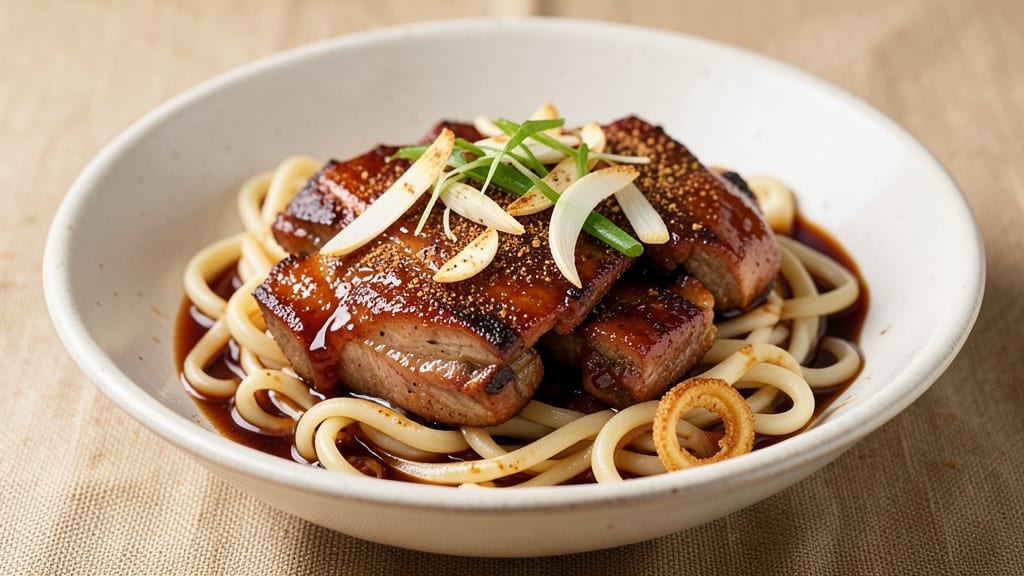
This braised pork noodles recipe delivers restaurant-quality depth with tender pork, silky noodles, and a rich umami broth that transforms simple ingredients into something extraordinary. 🔥 As someone who's spent years perfecting pork braises, I know the secret lies in slow cooking—allowing flavors to meld and develop into something complex and satisfying.
The result is a dish that balances hearty textures and bold flavors, perfect for a comforting weeknight dinner or an impressive meal for guests.
The process begins with marinating pork belly or shoulder in a blend of soy sauce, five-spice powder, and aromatics, then searing it to lock in juices before slow braising until fork-tender. Meanwhile, wide egg noodles absorb the flavorful broth, becoming silky and rich.
This method ensures every bite delivers layers of savory, smoky, and slightly sweet notes that define authentic braised pork dishes.
By the time you plate this dish, you'll have golden-brown pork slices resting on a bed of silky noodles, all bathed in a glossy, aromatic broth. The dish is elevated further with optional garnishes like green onions or chili oil, adding freshness and a touch of heat.
It's the kind of meal that feels luxurious yet approachable, combining traditional techniques with a modern twist.
Whether you're cooking for family or hosting dinner, this recipe delivers consistent results that impress every time. The slow-cooked pork stays juicy, the noodles maintain their texture, and the broth remains rich and flavorful. Let's get started on creating a dish that's as comforting as it is impressive.
Ingredients for braised pork noodles
Rich umami broth and tender pork transform simple pantry staples into a restaurant-worthy dish.
| Ingredient | Amount | Notes |
|---|---|---|
| Pork Shoulder 🐖 | 1 ½ lb | Bone-in for flavor, cut into 1-inch cubes |
| Wide Egg Noodles 🍜 | 12 oz | Fresh or dried, uncooked |
| Soy Sauce 🍶 | ½ cup | High-quality, preferably Japanese |
| Five-Spice Powder 🌶️ | 1 tbsp | Toasted for deeper aroma |
| Garlic Cloves 🧄 | 6 cloves | Minced, fresh preferred |
| Ginger Root 🌿 | 1 tbsp | Freshly grated, peeled |
| Onion 🧅 | 1 whole | Yellow or brown, sliced |
| Carrot 🥕 | 2 whole | Medium, sliced into rounds |
| Celery Stalks 🥬 | 3 whole | Trimmed, sliced into 1-inch pieces |
| Dry Sherry 🍷 | ½ cup | Or substitute with red wine |
| Chicken Broth 💧 | 2 cups | Low-sodium preferred |
| Sesame Oil 🫒 | 1 tbsp | Toasted, for finishing |
| Green Onions 🧅 | 3 whole | Sliced, for garnish |
| Olive Oil 🫒 | 2 tbsp | For searing pork |
| Salt 🧂 | 1 ½ tsp | Kosher or sea salt |
| Black Pepper 🌶️ | ½ tsp | Freshly ground |
The pork shoulder is the heart of this dish—bone-in for extra flavor, but trim any excess fat if you prefer. Costco or Whole Foods often carry pre-cut pork shoulders, but if buying whole, ask the butcher to cut it into 1-inch cubes. The five-spice powder is non-negotiable here; Penzeys or Spicewalla carry toasted blends that elevate the dish. For the aromatics, fresh ginger and garlic make all the difference—frozen works in a pinch, but fresh is worth the extra minute to peel and mince. The wide egg noodles should be fresh if possible, as they hold up better to the long braising time.
No sherry? Dry red wine or extra chicken broth works just as well—just reduce the liquid by 2 tbsp if substituting wine. The soy sauce can be swapped for tamari if gluten-free, but don’t skip it entirely. For the vegetables, baby carrots or pre-sliced celery save time, but whole stalks add rustic texture. The sesame oil is purely for finishing—don’t cook with it, or the flavor will turn bitter. If you’re short on time, pre-minced garlic and ginger from the freezer aisle are fine, but fresh is always better. The broth should be low-sodium to balance the soy sauce’s saltiness.
This dish tastes even better the next day as flavors meld—make extra if you can. Store leftovers in the fridge for up to 5 days or freeze for 3 months. Reheat gently on the stove with a splash of broth to keep the noodles from drying out. The pork will stay juicy if reheated slowly, and the broth can be strained and used as a quick sauce for other meals. For a shortcut, par-cook the noodles before braising the pork, then finish them in the broth at the end.
Why You'll Love This Recipe
- Pork Cuts the Chaos: I swear by this recipe when I’m too tired to chop much—just cube that pork shoulder (no fancy knife skills needed) and let the slow simmer do the work. The wide egg noodles cook in minutes, and suddenly you’ve got a restaurant-worthy dish without the stress.
- Five-Spice Magic: That little jar of five-spice powder? Game-changer. It turns simple braised pork into something warm, aromatic, and just a little mysterious—like a cozy hug in a bowl. The garlic cloves sizzling in the pan? Pure flavor payoff with zero effort.
- Leftovers That Shine: This dish actually improves the next day. The pork gets even more tender, the noodles soak up all the rich sauce, and I’ve reheated it three times with zero complaints. Perfect for making extra—because who can resist seconds?
- Budget-Friendly Feast: Pork shoulder is cheap, noodles are cheap, and a few pantry staples stretch this into meals for days. I’ve served it to picky eaters, college students on a budget, and even my foodie friends—no one ever questions the ingredients, just the taste.
Step-by-step instructions for braised pork noodles
Here's the method for tender pork and silky noodles in a rich umami broth.
🔥 Step 1: Sear the Pork Shoulder for Deep Flavor
Heat the 2 tablespoons olive oil in a large Dutch oven over medium-high heat until shimmering. Pat the 1.5 lb pork shoulder dry with paper towels—this ensures a proper sear. Working in batches if needed, add the pork cubes and sear for 3-4 minutes per side until deep golden brown and crispy in spots.
Real talk: Don't rush this step. You want that caramelized crust on the pork—it's the flavor foundation for your braise. Once browned, transfer the pork to a plate and set aside. You'll notice the oil will look darker and more flavorful after this step—that's exactly what you want.
🍳 Step 2: Build the Aromatic Base
In the same Dutch oven, reduce heat to medium and add the 1 whole onion, 2 whole carrots, and 3 whole celery stalks (all sliced). Cook for 5-6 minutes until the vegetables begin to soften and the onion turns translucent. Add the 6 cloves minced garlic and 1 tablespoon freshly grated ginger root, cooking for another 1 minute until fragrant.
Here's where it gets aromatic—you should smell the garlic and ginger releasing their oils. If you're using fresh ginger, grate it just before adding so it's at its peak potency. This vegetable mix forms the flavor backbone of your braise, so don't skip this step or use pre-chopped frozen veggies—they won't give the same depth.
🥘 Step 3: Deglaze and Develop the Umami Broth
Pour in the 0.5 cup dry sherry (or red wine) and scrape up all those browned bits from the bottom of the pot with a wooden spoon. This deglazing step captures all the meaty flavors you worked so hard to create. Let it simmer for 2-3 minutes until the alcohol smell dissipates and the liquid reduces by half.
Add the 0.5 cup soy sauce, 1.5 teaspoons salt, and 0.5 teaspoon black pepper, stirring to combine. Then pour in the 2 cups chicken broth and sprinkle the 1 tablespoon five-spice powder over the top. Bring to a gentle simmer, then return the pork to the pot, along with any accumulated juices from the plate.
⏰ Step 4: Braise Until Fork-Tender
Cover the Dutch oven and transfer to a 325°F oven. Braise for 2-2.5 hours until the pork is fork-tender and easily pulls apart with just a gentle tug. I check for doneness by inserting a fork—if it slides in easily and the meat separates cleanly, it's ready.
Don't be tempted to peek or stir during this time. The gentle heat and moisture will work together to break down the collagen in the pork, creating that melt-in-your-mouth texture. If you notice the liquid level gets too low, add a splash of water or broth to keep everything moist.
🍳 Step 5: Cook the Noodles and Finish
While the pork braises, prepare the 12 oz wide egg noodles according to package instructions until al dente. Drain and set aside, reserving 1 cup of the pasta water. Return the drained noodles to the pot and toss with 1 tablespoon toasted sesame oil to prevent sticking.
When the pork is ready, carefully remove it from the braising liquid and shred it using two forks. Skim any excess fat from the surface of the broth if desired, then stir the shredded pork back into the pot. Add the cooked noodles and toss gently to combine. If the sauce seems too thick, add reserved pasta water 1 tablespoon at a time until it reaches your desired consistency.
🍽️ Step 6: Serve with Garnish
Ladle the braised pork and noodles into deep bowls, garnishing each serving with 3 whole sliced green onions. The dish should be rich and flavorful with tender pork, silky noodles, and a deeply aromatic broth. Serve immediately while hot, as the flavors continue to meld together.
This dish tastes even better the next day when the flavors have had time to develop further. The pork will continue to tenderize slightly, and the noodles will absorb even more of that umami-rich broth. Store leftovers in the refrigerator for up to 3 days, reheating gently on the stove with a splash of water or broth.
Pro Tips For Making Braised Pork Noodles
- Sear the Pork First: Don’t skip the initial sear—high heat for 5 minutes until the pork shoulder turns golden. I used to rush this, and the braise ended up tasting flat. A good crust locks in flavor and keeps the meat from turning mushy later.
- Cut Pork into Even Bites: Uniform 1.5-inch chunks cook at the same rate. I learned this the hard way after pulling out uneven pieces—some rubbery, others falling apart. Use a sharp knife and a ruler for consistency.
- Deglaze with Soy Sauce Early: After searing, splash in 2 tablespoons of soy sauce right away while the pan is still hot. This dissolves the browned bits (fond) that add depth. Waiting until later means missing out on that rich base flavor.
- Blanch Noodles Before Tossing: Parboil the wide egg noodles for 2 minutes, then drain. Adding them raw to the braise turns them to mush. This keeps them al dente while soaking up the pork’s flavor at the end—no soggy disaster here.
Best sauces and condiments for this recipe
Classic Umami Broth
Start with the base of your braised pork noodles using soy sauce and chicken broth—this creates the signature umami depth. For extra richness, add 1 tablespoon of fish sauce (like Red Boat) or 1 teaspoon of oyster sauce to deepen the savory notes.
I often toast 1 teaspoon of coriander seeds in the pot before adding broth for a nutty complexity that pairs perfectly with the pork. 🌶️
Spicy Chili Oil Finish
Elevate your dish with a drizzle of homemade chili oil—simmer 1 tablespoon neutral oil with 1 teaspoon crushed red pepper flakes and 1 clove garlic until fragrant. Strain and drizzle over the finished noodles for a smoky, spicy kick.
For heat lovers, add ½ teaspoon of Sichuan peppercorns to the oil for a tingling finish. I keep a jar of this in my pantry for quick flavor boosts. 🔥
Sweet-Savory Glaze
Balance the richness with a honey-hoisin glaze—mix 1 tablespoon hoisin sauce with 1 teaspoon honey and ½ teaspoon rice vinegar. Drizzle over the noodles just before serving to add a touch of sweetness that cuts through the umami.
For a quicker version, use 1 teaspoon of maple syrup instead of honey. This glaze works wonders with the five-spice powder in the braise. 🍯
Creamy Sesame Dressing
Add a velvety contrast with a sesame-ginger dressing—whisk together 2 tablespoons toasted sesame oil, 1 tablespoon tahini, 1 teaspoon grated ginger, and 1 tablespoon rice vinegar. Thin with a splash of warm water until pourable.
Drizzle over the noodles or use it as a dipping sauce for extra richness. This dressing pairs beautifully with the hearty pork and noodles. 🌿
Pickled Vegetable Topping
Brighten the dish with quick-pickled vegetables—slice ½ cup daikon radish and ½ cup cucumber, then toss with 2 tablespoons rice vinegar, 1 teaspoon sugar, and ½ teaspoon salt.
Let sit for 15 minutes before serving. The tangy crunch cuts through the richness and adds freshness. I often use this technique with leftover veggies from the braise. 🥒
Garlic-Scallion Oil
Infuse 2 tablespoons neutral oil with 4 minced garlic cloves and 2 tablespoons chopped scallions, then strain. Drizzle over the noodles for a fragrant, aromatic finish. This oil adds a bright, fresh note that balances the deep flavors of the braise.
I make a big batch and keep it in the fridge for up to 2 weeks. 🧄
Nutrition facts
Frequently asked questions
Can I substitute pork shoulder with another cut of pork?
Yes, but choose wisely! Pork belly delivers the most tender, flavorful results due to its fat content, but pork loin works in a pinch—just cut it into smaller cubes (½-inch) to ensure even cooking. Avoid lean cuts like tenderloin, as they lack the fat needed for braising. If using belly, increase cooking time by 30 minutes to render the fat properly.
How do I adjust the recipe for fewer/more servings?
Scale all ingredients proportionally. For 2 servings, halve the pork (0.75 lb) and noodles (6 oz), and reduce liquids by ¼ cup each. For 6 servings, double the pork (3 lb) and noodles (24 oz), but increase the Dutch oven size or braise in batches. Keep the liquid-to-pork ratio consistent (1.5 cups liquid per pound of pork).
What if my pork isn't tender after braising?
Check your cooking time and temperature! Pork shoulder needs 2-2.5 hours at 325°F—if it's still tough, extend by 30-60 minutes or lower the oven to 300°F for extra collagen breakdown. For quicker results, add 1 cup extra broth and simmer uncovered for 15 minutes to reduce moisture and concentrate flavors.
Can I make this dish ahead of time?
The flavors improve overnight. Braise the pork and vegetables as directed, then refrigerate the entire pot (covered) for up to 3 days. Reheat gently on the stove, adding 2-3 tablespoons broth to prevent drying. Cook the noodles fresh before combining with the reheated pork mixture. For freezing, store components separately (pork + broth and noodles) for up to 3 months.
Why does my broth look cloudy or greasy?
Cloudiness often means the pork fat hasn't fully rendered. Skim excess fat after braising, then simmer the broth uncovered for 5-10 minutes to clarify it. For a cleaner finish, chill the broth overnight—the fat will solidify on top, making it easy to remove. If it's still greasy, strain through a fine-mesh sieve lined with cheesecloth for a silky texture.