
Main Courses
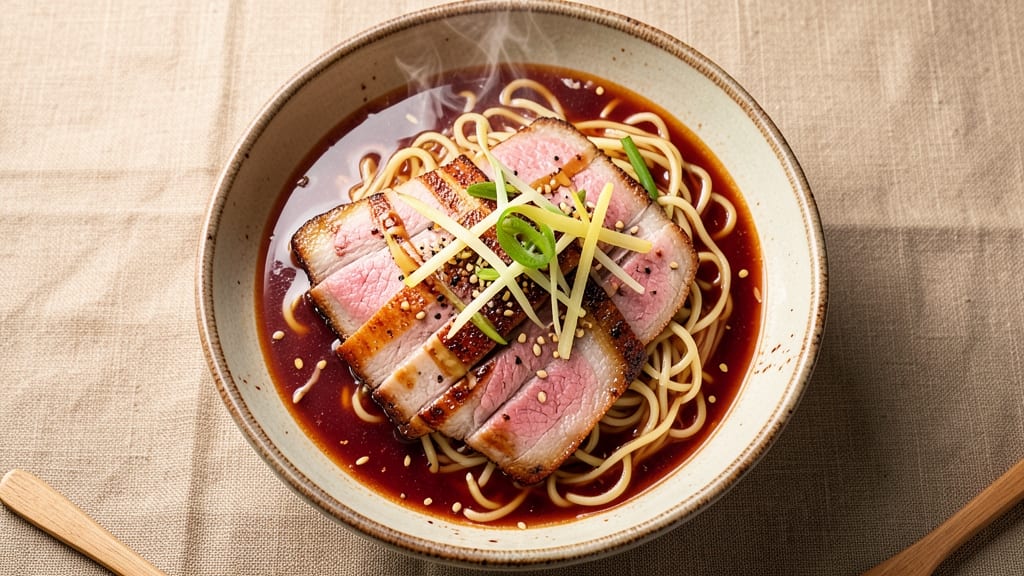
This pork loin ramen recipe delivers restaurant-quality flavors with a smoky garlic butter crust that transforms simple ingredients into a showstopping meal.
The secret lies in searing the pork loin to perfection—creating a caramelized exterior while keeping the interior tender—before simmering it in a rich, silky broth that balances umami and savory notes. No fancy techniques required, just precise timing and layering of flavors that build with every bite.
The broth forms the heart of this dish, where pork loin juices meld with aromatic vegetables and a touch of miso for depth. Meanwhile, the pork loin itself becomes the star, its crispy crust contrasting beautifully with the silky noodles and soft-boiled egg.
This isn’t just ramen—it’s a complete, satisfying meal that brings together texture, temperature, and flavor in every spoonful.
Toppings like bok choy, mushrooms, and green onions add freshness and crunch, while sesame seeds and chili oil bring the dish together with a final burst of heat and nuttiness.
The result? A bowl that’s visually stunning, deeply flavorful, and impossible to resist—perfect for weeknight dinners or impressing guests without spending hours in the kitchen.
Whether you prefer a clear miso broth or a richer tonkotsu style, this recipe adapts easily while keeping the pork loin prep simple and foolproof. Let’s get started on creating a ramen experience that rivals your favorite Asian eatery.
Ingredients for pork loin ramen
Fourteen ingredients transform into a restaurant-worthy pork loin ramen with smoky garlic butter crust and silky broth.
| Ingredient | Amount | Notes |
|---|---|---|
| Pork Loin 🐖 | 1 ½ lb | Center-cut, bone-in for flavor |
| Unsalted Butter 🧈 | ½ cup | Cold, cut into 1-inch pieces |
| Garlic Cloves 🧄 | 8 cloves | Minced, skin-on for aroma |
| Smoked Paprika 🌶️ | 1 tbsp | For smoky depth |
| Fresh Ginger 🌿 | ½ cup | Julienned, peeled |
| White Miso Paste 🍶 | 2 tbsp | High-quality, non-GMO |
| Dashi Powder 🍲 | 1 tbsp | Instant or homemade |
| Chicken Stock 💧 | 4 cups | Homemade preferred |
| Ramen Noodles 🍜 | 2 packages | Fresh or dried, uncooked |
| Bok Choy 🥬 | 2 whole | Baby or regular, halved |
| Shiitake Mushrooms 🍄 | 8 whole | Fresh, stems removed |
| Green Onions 🧅 | 4 whole | Thinly sliced, white and green |
| Sesame Seeds 🌰 | 1 tbsp | Toasted for garnish |
| Chili Oil 🌶️ | 2 tbsp | For finishing |
| Eggs 🥚 | 4 whole | Soft-boiled, peeled |
The pork loin is the foundation—center-cut, bone-in for maximum flavor and juiciness. Look for cuts with visible marbling at Whole Foods or your local butcher; avoid lean cuts that dry out. The butter must be cold and cubed for proper searing, and smoked paprika from Penzeys adds authentic depth. Fresh ginger should be vibrant with no soft spots—julienne it yourself for maximum aroma release. For the miso, White Miso from Miso Master delivers the cleanest umami without overpowering.
No smoked paprika? Substitute liquid smoke at half the amount, but it’s less refined. Fresh ginger too pungent? Use 1/4 the amount of ground ginger, though texture will differ. The chicken stock can be swapped for vegetable stock plus a bouillon cube, though purists will notice the difference. For a richer broth, add 1/4 cup coconut milk at the end. The ramen noodles? Fresh is ideal, but dried works if cooked al dente. If you can’t find shiitake mushrooms, cremini mushrooms work in a pinch—just increase to 10 pieces for similar texture.
The pork loin should rest 15 minutes post-sear before slicing—this ensures juicy bites. Store raw pork in the coldest part of your fridge and use within 3 days. Fresh ginger keeps 2 weeks in the fridge wrapped in a damp towel, while miso paste lasts 6-12 months unopened. Cooked ramen noodles reheat beautifully—microwave 30 seconds with broth to restore silkiness. The broth itself freezes well for 3 months, making this a perfect make-ahead meal for busy weeknights.
Why You'll Love This Recipe
- One-Pan Magic: I swear by this—just sear the pork loin in butter, toss in garlic and ginger, and let the paprika work its smoky charm. No chopping, no fuss, and only one pan to wash. (Honestly, my lazy Sundays thank me.)
- Rich, Smoky Depth: That crispy pork loin with the tender center? Perfection. The butter and smoked paprika give it a caramelized edge that makes every bite feel like a hug—especially when the broth soaks it up.
- Leftovers That Shine: Make a double batch and store the broth separately. Reheat the pork in the fridge for a quick lunch, or toss it into rice bowls with extra ginger and a fried egg. (Yes, even on a Tuesday night.)
- Budget-Friendly Luxury: Pork loin stretches further than you’d think, especially when you use it in ramen. The butter and spices feel indulgent, but the cost stays reasonable—no fancy ingredients, just bold flavor.
Step-by-step instructions for pork loin ramen with smoky garlic butter crust
Master this technique for a restaurant-quality ramen where tender pork loin meets a silky, umami-rich broth.
Create the Smoky Garlic Butter Crust for Pork Loin
Pat the 1.5 lb pork loin dry with paper towels to remove any surface moisture. This ensures maximum browning and flavor development. In a small bowl, combine 8 minced garlic cloves, 1 tablespoon smoked paprika, and 0.5 cup julienned fresh ginger. Rub this mixture all over the pork loin, pressing firmly so the spices adhere.
Heat a heavy skillet over medium-high heat and add the 0.5 cup cold unsalted butter cut into 1-inch pieces. Let the butter melt completely, then carefully add the pork loin. Sear for 5-6 minutes per side until the crust is deep golden brown and the internal temperature reaches 145°F. The butter should foam and bubble, creating a rich, aromatic crust. Remove the pork loin and let it rest on a wire rack for 10 minutes before slicing into ¼-inch thick medallions.
Build the Umami-Packed Broth
In the same skillet, reduce heat to medium and add 2 tablespoons white miso paste and 1 tablespoon dashi powder. Stir for 1 minute until the miso dissolves completely, creating a glossy paste. Pour in 4 cups chicken stock and bring to a gentle simmer. Add the sliced pork loin back into the broth and let it cook for 5 minutes to infuse the flavors.
While the broth simmers, prepare the aromatics: thinly slice the 4 whole green onions and halve the 2 whole bok choy. Add these to the broth along with the 8 whole shiitake mushrooms (stems removed) and simmer for 3-4 minutes until the mushrooms soften slightly. The broth should now have a deep, aromatic scent with layers of umami from the miso, dashi, and pork.
Cook the Ramen Noodles and Prepare Soft-Boiled Eggs
Bring a separate pot of water to a rolling boil and cook the 2 packages ramen noodles according to package instructions until al dente. Drain immediately and rinse under cold water for 10 seconds to stop the cooking process. This prevents the noodles from becoming mushy in the broth.
For the eggs, place 4 whole eggs in a small saucepan and cover with 2 inches of cold water. Bring to a gentle simmer over low heat for 6 minutes. Transfer the eggs to an ice bath for 5 minutes, then peel and halve lengthwise. The yolks should be perfectly runny, ready to blend into the ramen.
Assemble and Finish the Ramen
Divide the cooked ramen noodles among 4 bowls. Ladle the warm pork broth over the noodles, ensuring each serving gets an equal amount of pork slices and vegetables. Add 2 halves of soft-boiled egg to each bowl and drizzle with 2 tablespoons chili oil. Sprinkle generously with 1 tablespoon toasted sesame seeds for a nutty finish.
Garnish each bowl with a few slices of shiitake mushrooms and green onions for color and freshness. The contrast of the silky egg yolk against the smoky pork and umami broth creates a harmonious balance of textures and flavors. Serve immediately while the broth is steaming hot and the noodles are tender.
Pro Tips For Making Pork Loin Ramen
- SEAR THE LOIN FIRST: Start with a screaming-hot pan—no butter yet—just 2 minutes per side until the pork loin develops a deep brown crust. That’s where the flavor hides, not in the butter bath later. I used to skip this, and the dish always tasted flat until I realized the crust locks in the smoky paprika aroma.
- GRATE THAT GINGER FINE: No microplane? Use a box grater and scrape off the fibrous bits—this stuff burns faster than you think. A tablespoon of finely grated ginger (not chopped) melts into the butter without turning bitter. I learned this the hard way after one batch tasted like soap.
- DON’T OVERCOOK THE GARLIC: Toss those minced cloves in with the butter after the pork’s halfway done—just 30 seconds max. Garlic burns in a flash, and once it’s brown, it turns acrid. I was skeptical until I tried it; now I add it last every time.
- REST THE PORK UNDER FOIL: Pull the pork out of the oven, tent it with foil, and let it sit for 10 minutes. This keeps it juicy when you slice it thin for the ramen. I used to cut it right away, and the first few pieces were always dry—now I never skip this.
Make-ahead tips for this pork loin ramen
Broth Prep Ahead
Simmer the broth base (miso, dashi, and chicken stock) without the pork for 30 minutes in advance, then cool completely and refrigerate in an airtight container.
It keeps 3 days this way, and you can reheat it gently on the stove—just bring to a simmer over low heat for 5 minutes before adding the pork slices. I always make a double batch because the flavor intensifies overnight. 💫
Pork Prep Shortcut
Slice the pork loin into medallions after searing and store them in a single layer on a plate in the fridge. Cover with plastic wrap and refrigerate for up to 2 days.
When ready to serve, simply reheat the slices in the broth for 3-4 minutes over medium-low heat—they’ll stay juicy and regain their crisp edges. This saves 30 minutes of prep time on busy nights.
Noodle Prep Strategy
Cook the ramen noodles 1 minute less than package instructions suggest, then drain and rinse with cold water. Store them in an airtight container with a damp paper towel to prevent drying out.
They’ll keep in the fridge for 2 days—just reheat in the broth for 1 minute before serving. I like to prep these first since they take the longest to cook fresh.
Egg Prep Timeline
Soft-boil the eggs up to 2 days ahead and store them in the fridge in their shells. When ready to serve, peel and halve them just before assembling the bowls.
The yolks stay perfectly runny when kept cold, and peeling them last-minute prevents them from turning rubbery. Trust me, this is the secret to restaurant-quality ramen eggs every time. 🥚
Topping Assembly
Chop all toppings (bok choy, mushrooms, green onions) and store them separately in sealed containers. They’ll stay fresh for 3 days in the fridge. When ready to serve, simply toss them into the hot broth for 2-3 minutes to warm through.
I keep sesame seeds and chili oil in small jars on my counter—they’re ready to garnish at a moment’s notice. 🌶️
Complete Meal Assembly
Assemble the bowls just before serving by combining prepped noodles, reheated broth, and warmed toppings. Keep the pork slices separate until the last minute so they stay crisp.
This way, you’re only cooking for 5 minutes when guests arrive—perfect for last-minute entertaining. The key is keeping everything organized in the fridge so assembly feels effortless. ✨
Nutrition facts
Frequently asked questions
Why does this recipe use pork loin instead of pork belly or shoulder?
The pork loin delivers a perfect balance of tenderness and flavor without the excessive fat of pork belly. Its leaner profile creates a crispy garlic butter crust while staying juicy inside—ideal for ramen where you want the protein to shine without overpowering the delicate broth. For extra richness, you could add a small piece of pork belly to the broth during simmering.
How do I adjust the spice level if I don't like chili oil?
Skip the chili oil and replace it with 1 teaspoon toasted sesame oil plus ½ teaspoon soy sauce for umami depth. For mild heat, try ½ teaspoon gochujang (Korean chili paste) diluted in 1 tablespoon warm broth. Always taste before drizzling—you can adjust to preference.
Can I make this recipe vegetarian or vegan?
Replace the pork loin with extra-firm tofu pressed for 30 minutes, then pan-seared in sesame oil. Use vegetable stock and swap miso for white miso or nutritional yeast for umami. Add shiitake mushrooms and bok choy as the protein base. The broth technique remains identical.
What's the best way to reheat leftovers without drying out the noodles?
Reheat only the broth (without noodles) over low heat until steaming, then add noodles for 1 minute to warm through. For the pork, reheat slices in a dry skillet for 2-3 minutes to restore crispiness. Keep eggs separate until serving—peel and add fresh yolk to each bowl.
How can I make the broth richer without adding extra fat?
Simmer the broth with 1 sheet of kombu seaweed for 10 minutes before adding miso, or blend in ½ cup cooked shiitake stems (strain out after simmering). For depth, add 1 teaspoon fish sauce or ½ teaspoon soy sauce at the end. The key is building layers of umami through aromatics, not just fat.