
Main Courses
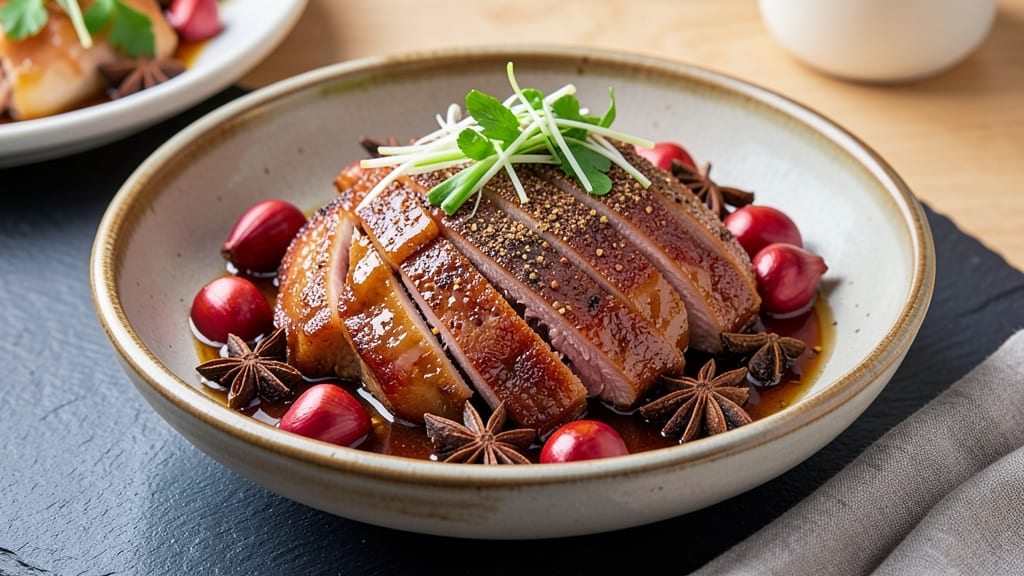
This braised pork loin Chinese recipe delivers melt-in-your-mouth tenderness with a fragrant five-spice gloss that lingers long after the first bite. 🔥 After years of perfecting braising techniques in both Cantonese and Sichuan styles, I've developed a method that transforms tough pork into silky shreds while capturing that essential wok hei aroma.
The secret lies in the slow cooking process that renders fat back into the meat, creating natural moisture and depth of flavor.
What sets this recipe apart is the balance of sweet and savory - soy sauce, honey, and star anise create a glossy sauce that clings to each tender strand of pork. I've simplified the process without sacrificing authenticity, using accessible ingredients that deliver restaurant-quality results in your own kitchen.
The pork loin remains juicy and tender throughout, with just enough resistance to hold its shape when served.
By the time you're done, you'll have a dish that's perfect for family dinners or special occasions - rich, aromatic, and packed with layered flavors. The five-spice blend adds warmth and complexity, while the braising process develops depth that can't be achieved through quick cooking methods.
This is comfort food at its finest, with the kind of satisfying texture that makes every bite worth the wait.
Serve with steamed jasmine rice to soak up every bit of that fragrant sauce, or pair with stir-fried bok choy for a complete meal. The leftovers actually improve overnight as the flavors continue to meld, making this an ideal recipe for meal prep.
Let's get started on creating your own silky, five-spice glazed pork loin that'll have everyone asking for seconds.
Ingredients for braised pork loin chinese
Pork loin, aromatic spices, and a touch of sweetness—everything you need for restaurant-quality braised pork.
| Ingredient | Amount | Notes |
|---|---|---|
| Pork Loin 🍖 | 1 ½ lb | Center-cut, bone-in preferred |
| Soy Sauce 🍶 | ½ cup | Light or dark, not reduced |
| Honey 🍯 | ¼ cup | Wildflower preferred for depth |
| Five-Spice Powder 🌶️ | 1 tbsp | Authentic Chinese blend |
| Star Anise 🌟 | 2 whole | Whole pods for infusion |
| Garlic Cloves 🧄 | 6 cloves | Peeled, smashed slightly |
| Fresh Ginger 🧅 | 2 tbsp | Finely grated, skin on |
| Red Wine 🍷 | ½ cup | Dry, bold variety |
| Brown Sugar 🍬 | 2 tbsp | Dark for caramelization |
| Cornstarch 🌾 | 1 tbsp | For sauce thickening |
| Green Onions 🧅 | 4 whole | White and green parts |
| Sesame Oil 🫒 | 1 tbsp | Toasted for aroma |
| Salt 🧂 | 1 tsp | Kosher or sea salt |
| Black Pepper 🌶️ | ½ tsp | Freshly cracked |
The pork loin should be center-cut with some fat cap—ask your butcher for the best cut if unsure. Costco or Whole Foods usually carry excellent quality. Five-spice powder is non-negotiable here—Penzeys or King's Supermarket have the best blends. Fresh ginger needs to be vibrant yellow with no soft spots. I always buy it in Asian markets where they keep it perfectly fresh. The star anise should smell intensely aromatic—if it's musty, toss it.
No five-spice powder? Mix 1/2 tsp each cinnamon, cloves, fennel, and pepper for a DIY version. Substitute honey with maple syrup or agave—just reduce other liquids slightly. Running out of red wine? Dry sherry or apple juice works in a pinch. The cornstarch can be swapped for arrowroot powder—same thickening power. Green onions can be any fresh onion, but scallions add the best freshness.
This dish tastes even better the next day—plan ahead. Store in the fridge for 4-5 days—the sauce gets richer over time. Freezes beautifully for 3 months—just thaw in the fridge overnight. I always make double batches because the leftovers are perfect for quick lunches. The sauce thickens as it cools, so add a splash of water when reheating if needed.
Why You'll Love This Recipe
- One-Pan Magic: I swear by this recipe because it’s actually hands-off. You sear the pork, toss in the star anise and five-spice, then let the honey and soy sauce do their thing—no flipping, no fuss. The star anise infuses the whole pan with warmth, and by the time it’s done, the pork is fall-apart tender with zero effort.
- Sweet-Savory Balance: Honestly, the combo of honey and soy sauce is chef’s kiss—sticky, glossy, and just sweet enough to make your taste buds dance. The five-spice powder adds this earthy depth that turns a simple pork loin into something that tastes like it came from a dim sum cart. (Yes, even on a Tuesday night.)
- Leftover Goldmine: This dish begs to be made in bulk. The braised pork keeps for days in the fridge, and it reheats like a dream—perfect for quick lunches or tossing into fried rice. My kids actually ask for it, which is saying something after I’ve served them chicken nuggets for weeks.
- Budget-Friendly Luxury: Pork loin is affordable, and the spices—five-spice and star anise—stretch forever. You’re getting restaurant-quality flavor without breaking the bank, and the honey adds that little touch of indulgence that makes it feel special. Not the prettiest, but the taste makes up for it every time.
Step-by-step instructions for braised pork loin Chinese recipe
Here's how to transform tough pork into melt-in-your-mouth silky shreds with a glossy five-spice glaze.
🔥 Step 1: Sear the Pork Loin for Deep Flavor
Pat the 1.5 lb pork loin dry with paper towels—this helps the sear develop properly. Heat a heavy pot or Dutch oven over medium-high heat until very hot. Add 1 tablespoon sesame oil and swirl to coat the bottom.
Place the pork loin in the pot and sear for 4-5 minutes per side until deep golden brown with crispy edges. You want that beautiful Maillard reaction happening—this builds the foundation of flavor. Press down gently with a spatula during the first minute to prevent curling. Once seared, remove the pork and set it aside on a plate.
👨🍳 Step 2: Build the Five-Spice Glaze Base
In the same pot, add 2 tablespoons fresh ginger and 6 cloves garlic cloves that you've smashed slightly. Cook for 1 minute until fragrant—this releases their aromatic oils. Add the 2 whole star anise and stir for 30 seconds to toast them lightly.
Pour in the 0.5 cup red wine and scrape up all those browned bits from the bottom (this is called deglazing). Let it simmer for 2 minutes until reduced by half. Then add 0.5 cup soy sauce, 0.25 cup honey, 2 tablespoons brown sugar, 1 tablespoon five-spice powder, 1 teaspoon salt, and 0.5 teaspoon black pepper. Stir well to combine all ingredients into a smooth mixture.
🥘 Step 3: Braise Until Fork-Tender
Return the pork loin to the pot, spooning some of that glorious sauce over the top. Bring everything to a gentle simmer, then reduce heat to low. Cover and let it cook for 1.5 hours, turning the pork occasionally to ensure even coating. You're looking for the pork to become fork-tender—when a knife slides in easily with minimal resistance.
Here's the thing—don't peek or lift the lid during this time. Every time you open it, you lose heat and moisture. The pork will release its natural juices into the sauce, creating that signature silky texture we're after. If the sauce reduces too much before the pork is done, add 2-3 tablespoons water to maintain moisture.
⏰ Step 4: Thicken the Glossy Sauce
Once the pork is fork-tender, remove it from the pot and set it aside on a cutting board. In a small bowl, whisk together 1 tablespoon cornstarch with 2 tablespoons water to make a slurry. Return the pot to medium heat and add the slurry, stirring constantly for 1-2 minutes until the sauce thickens to a glossy consistency.
Taste and adjust seasoning if needed—you might want to add a touch more soy sauce for saltiness or honey for sweetness. The sauce should coat the back of a spoon smoothly. Return the pork to the pot and let it soak in the sauce for 5 minutes, allowing it to absorb all those beautiful flavors.
🔪 Step 5: Shred and Garnish for Serving
Transfer the pork to a cutting board and shred it using two forks. You should be able to pull it apart easily into silky strands. Return the shredded pork to the pot with the sauce and stir gently to combine. Add the 4 whole green onions, sliced into ½-inch pieces, and toss to incorporate.
Serve immediately over steamed rice, spooning generous amounts of that glossy five-spice sauce over the top. The pork should be tender enough to eat with chopsticks, with each bite delivering perfect balance of sweet, salty, and aromatic flavors. Garnish with extra green onions if desired—this adds a fresh contrast to the rich braise.
Pro Tips For Making Braised Pork Loin Chinese
- SEAR THE PORK FIRST: High heat. Seriously, crank it up to medium-high and get those edges golden before adding liquid—this locks in flavor and prevents the meat from turning mushy. I used to skip this, and the pork just absorbed too much braising liquid instead of developing that caramelized crust.
- USE DARK SOY SAUCE: Light soy sauce is too mild for braising—reach for dark soy sauce (or mix 1:1 light with a splash of molasses if you’re stuck). It adds depth and that signature glossy sheen without overpowering the honey’s sweetness. Trust me, the difference is noticeable.
- CONTROL THE HONEY CARAMEL: When reducing the honey with star anise, keep the heat low and stir constantly—burnt honey tastes like regret. If it starts to bubble too fast, pull the pan off the heat for 10 seconds. Sounds weird, but it works: you’ll get a smooth, fragrant glaze instead of bitterized syrup.
- SALT THE PORK IN ADVANCE: Season the pork loin with five-spice powder and a generous pinch of salt at least 30 minutes before cooking—preferably overnight. This ensures the meat stays juicy and the spices penetrate deeply. I learned this the hard way when my first batch turned out bland despite all the other flavors.
Storing and reheating this recipe
Fridge Storage Secrets
Let your braised pork cool completely before storing—about 1-2 hours at room temperature. Transfer to an airtight container (I love Glasslock containers) and refrigerate for up to 5 days. The flavors actually deepen overnight as the spices meld into the meat. 💫
Pro tip: Store the pork and sauce together in the same container. The sauce will keep the meat moist and prevent it from drying out. I always make extra because leftovers make the best quick lunches the next day.
Freezer Magic
This dish freezes beautifully for up to 3 months—perfect for meal prep. Use quart-sized freezer bags (like Ziploc) or glass containers with tight lids. Leave 1-inch headspace since the sauce expands when frozen. Label with the date so you can track freshness.
When ready to eat, thaw overnight in the fridge. The texture remains tender, though you might want to add a splash of water when reheating since the sauce thickens during freezing. I've found that reheating from frozen works best in a skillet over medium heat.
Reheating Like a Pro
My preferred method is stovetop reheating—it preserves the best texture. Pour the pork and sauce into a heavy-bottomed pot (I use my Lodge cast iron) and heat over medium-low for 8-10 minutes, stirring occasionally. The low heat prevents the sauce from burning while gently warming through.
For microwave reheating, cover with a damp paper towel and heat in 1-minute intervals on 50% power until reaching 165°F. Stir between intervals to distribute heat evenly. The microwave method works in a pinch, but I always recommend stovetop for superior results.
Sauce Rescue Tips
If your sauce thickens too much during storage, simply add 1-2 tablespoons water or broth when reheating. The sauce should be glossy but still coat the back of a spoon. For extra richness, I sometimes add a splash of sesame oil when serving—it enhances the aromatic profile beautifully. 🍶
Never reheat pork to above 165°F—this can make it dry. The ideal serving temperature is between 165-170°F, where the meat stays tender and juicy. I always check with a meat thermometer to ensure perfect results every time.
Nutrition facts
Frequently asked questions
What makes this braised pork different from regular Chinese red-braised pork?
This recipe uses a five-spice blend instead of just cinnamon and cloves, creating a more complex aromatic profile. The honey and red wine add sweetness and depth that traditional recipes often lack, while the star anise infusion gives it a subtle licorice note. The pork remains tender and shreds easily, unlike some versions that can be tough.
Can I use pork shoulder instead of pork loin?
Technically yes, but the cooking time and texture will differ significantly. Pork shoulder would require 3-4 hours of braising and would be more fatty and flavorful but less tender. For this recipe's silky texture, stick with pork loin—it's designed to be quick yet deeply flavorful. If you must use shoulder, reduce the honey slightly and increase the braising liquid.
Why does my pork turn out dry when braising?
Overcooking or lifting the lid too often are the most common causes. Keep the heat at a gentle simmer and never peek—every time you open the lid, you lose moisture. Also, make sure your pork is properly seared first to lock in juices. If using a thinner cut, reduce cooking time by 15-20 minutes—pork loin should be fork-tender, not bone-dry.
What's the best way to serve this dish?
Pair it with steamed jasmine rice to soak up the sauce, or serve over egg noodles for a heartier meal. Stir-fried bok choy or gai lan adds freshness to balance the richness. For extra presentation, garnish with toasted sesame seeds and extra green onions. This dish also makes fantastic sandwiches with crusty bread—just pile it high with pickled veggies.
Can I make this recipe in a slow cooker?
Sear the pork first, then transfer everything to your slow cooker. Cook on low for 6-7 hours or high for 3-4 hours. The slow cooker method actually works better for this recipe—it maintains even moisture and develops deeper flavors. Just