
Sauces & Condiments
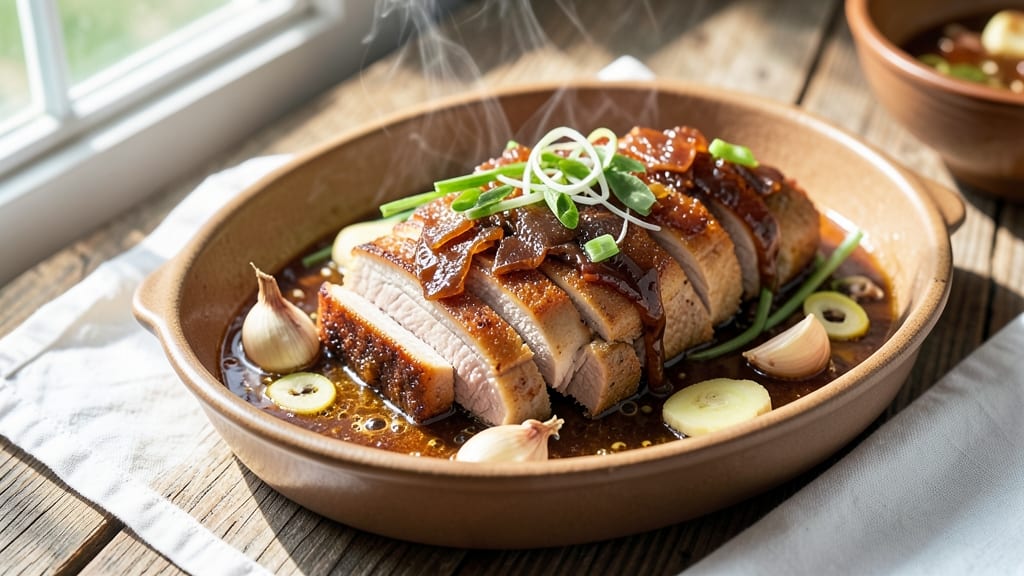
This braised pork in sweet soy sauce transforms tough cuts into melt-in-your-mouth perfection through slow, deliberate cooking. 🔥 The secret lies in caramelizing aromatics and reducing the sauce until it clings to every tender bite—just like my grandmother used to make back in Georgia.
What starts as simple pork shoulder emerges hours later as fork-tender slices swimming in a glossy, sweet-savory glaze.
What makes this recipe work is the balance between patience and precision. We'll build rich flavor through toasted ginger and garlic, then let the pork simmer until it practically falls apart.
The sweet soy sauce isn't just a glaze—it's the soul of the dish, cutting through the meat's richness while adding depth. This method delivers restaurant-quality results without requiring fancy equipment.
By the time you're done, you'll have pork so tender it practically dissolves on your tongue, coated in a sauce that's both sweet and savory. The aroma alone will have everyone gathering at your table.
This is the kind of dish that transforms weeknight dinners into special occasions—just like my first time cooking for a crowd at my grandmother's kitchen.
The beauty of this recipe is its versatility. Serve it over steamed rice for a complete meal, or pair it with roasted vegetables for a balanced plate. The leftovers actually taste better the next day as the flavors meld even more.
Let's get started on creating this timeless comfort dish that brings warmth to any table.
Ingredients for braised pork in sweet soy sauce
Six ingredients transform tough pork into melt-in-your-mouth perfection with caramelized aromatics and sweet-savory glaze.
| Ingredient | Amount | Notes |
|---|---|---|
| Pork Shoulder 🥩 | 3 lb | Bone-in for extra flavor |
| Soy Sauce 🍶 | ½ cup | Light or dark variety |
| Brown Sugar 🍯 | ½ cup | Packed, not granulated |
| Garlic Cloves 🧄 | 6 cloves | Minced, not pre-minced |
| Fresh Ginger 🌿 | 2 tbsp | Finely grated, peeled |
| Green Onions 🧅 | 3 whole | Sliced, white and green parts |
| Honey 🍯 | 2 tbsp | Wildflower preferred |
| Water 💧 | 1 ½ cups | Room temperature |
| Cornstarch 🌾 | 1 tbsp | For thickening sauce |
| Sesame Oil 🫒 | 1 tbsp | For finishing aroma |
| Vegetable Oil 🫒 | 2 tbsp | For searing pork |
| Salt 🧂 | 1 ½ tsp | Kosher or sea salt |
| Black Pepper 🌶️ | ½ tsp | Freshly ground |
| White Wine 🍷 | ½ cup | Dry variety preferred |
| Jasmine Rice 🍚 | 2 cups | Uncooked, for serving |
The pork shoulder is where this magic starts. Look for bone-in cuts at your butcher—they add depth of flavor. I always grab mine from Whole Foods or my local grocery store's meat counter, where they can cut it to size. Fresh ginger and garlic? Buy them whole and grate yourself—pre-minced or jarred versions lack the freshness. The soy sauce should be light for balance, but don't be afraid to use dark if you prefer richer color. Brown sugar is non-negotiable here—it caramelizes beautifully and balances the soy's saltiness. Pro tip: Pat the pork dry before searing for maximum crispiness.
No soy sauce? Coconut aminos work in a pinch, though the flavor will differ slightly. Short on ginger? Substitute 1 tbsp ground ginger, but fresh is always better. The white wine can be swapped for extra water plus 1 tbsp vinegar if needed. For the cornstarch, arrowroot powder is a 1:1 substitute. Sesame oil is key for that final aroma—don't skip it! The honey adds just the right touch of sweetness, but if you're avoiding it, use an extra tablespoon of brown sugar. The rice? Jasmine or basmati works perfectly, but any white rice will do. Quick tip: Toast the rice in the pot with a bit of oil before adding water for extra flavor.
This dish tastes even better the next day as the flavors meld. Store leftovers in an airtight container in the fridge for up to 5 days. For freezing, portion into containers with some sauce—3 months max. Reheat gently in a skillet with a splash of water to keep the sauce glossy. The pork practically falls apart when reheated, making it perfect for sandwiches or rice bowls. I always make extra because it disappears fast—double batch if you can!
Why You'll Love This Recipe
- One-Pot Magic: I swear by this—dump everything in a single pot, walk away, and come back to fall-apart tender pork. The soy sauce and brown sugar caramelize into a glossy sauce that clings to every bite, and honestly? That’s my kind of cooking.
- Sweet-Savory Balance: Between us, the combo of salty soy and rich brown sugar hits different. The garlic and ginger melt into the pork, giving it that deep, aromatic punch that makes you want to eat it straight from the pan—no fuss, just flavor.
- Leftovers That Shine: This dish tastes better the next day. I’ve reheated portions for lunches all week, and the sauce only thickens into something even more decadent. Perfect for meal prep when you’d rather not cook twice.
- Budget-Friendly Feast: Pork shoulder is cheap, and this recipe stretches it across multiple meals without skimp. The ingredients? Pantry staples. The result? A dish that feels special enough for company but simple enough for a Tuesday night.
Step-by-step instructions for braised pork in sweet soy sauce
Let's create melt-in-your-mouth pork with a glossy, caramelized glaze that'll have everyone asking for seconds.
🔥 Step 1: Sear the Pork Shoulder for Deep Flavor
Pat the 3 lb pork shoulder dry with paper towels—this helps the sear develop properly. Heat the 2 tablespoons vegetable oil in a large Dutch oven over medium-high heat until shimmering. Place the pork in the pan fat-side down and press gently to maintain contact with the hot surface.
Sear for 8-10 minutes until the fat is golden brown and crispy in spots, then flip and sear the other side for another 8-10 minutes. The pork should release easily from the pan when ready. This initial sear builds layers of flavor that'll shine through the braising process. Don't rush this step—patience here means better results later.
👨🍳 Step 2: Build the Sweet-Savory Braising Liquid
Remove the pork from the Dutch oven and set it aside. Reduce the heat to medium and add the 6 cloves minced garlic and 2 tablespoons finely grated fresh ginger. Sauté for 30 seconds until fragrant—this releases their essential oils and prevents them from burning.
Pour in the 0.5 cup soy sauce and 0.5 cup packed brown sugar, scraping up any browned bits from the bottom of the pan. These bits, called fond, are packed with flavor. Add the 0.5 cup white wine and 1.5 cups water, then bring the mixture to a simmer. Here's where the magic happens—the sugar will caramelize slightly, creating that beautiful glaze we're after.
🥘 Step 3: Braise Until Fork-Tender
Return the pork to the Dutch oven and add the 1.5 teaspoons salt and 0.5 teaspoon black pepper. The liquid should come about halfway up the sides of the pork. Cover with a tight-fitting lid and transfer to a 325°F oven.
Braise for 2.5-3 hours until the pork is fork-tender and easily pulls apart. I check for doneness by inserting a fork—if it slides in easily with no resistance, it's ready. The pork should have absorbed the sweet-savory braising liquid and developed a beautiful caramelized crust. If the liquid reduces too much before the pork is tender, add a splash of water to maintain moisture.
🍳 Step 4: Thicken and Finish the Glaze
Once the pork is tender, remove it from the Dutch oven and place it on a cutting board. Skim off any excess fat from the braising liquid, then increase the heat to medium-high. In a small bowl, whisk together the 2 tablespoons honey, 1 tablespoon cornstarch, and 1 tablespoon sesame oil.
Slowly pour this mixture into the braising liquid while stirring constantly. The cornstarch will thicken the sauce, creating a glossy, velvety glaze. Simmer for 2-3 minutes until the sauce coats the back of a spoon. The glaze should be thick enough to cling to the pork but still flow smoothly. Taste and adjust seasoning if needed—this is your chance to balance the sweet and savory flavors.
🍽️ Step 5: Serve Over Jasmine Rice
Slice the pork against the grain into ¼-inch thick pieces for maximum tenderness. Spoon the glossy glaze over the sliced pork, then serve immediately over the 2 cups cooked jasmine rice. Garnish with the 3 sliced green onions for a pop of freshness and color.
Each bite should deliver tender, juicy pork with a perfect balance of sweet, salty, and umami flavors. The glaze should be sticky and caramelized, coating every piece beautifully. This dish tastes even better the next day as the flavors continue to meld—so make extra if you can!
Pro Tips For Making Braised Pork In Sweet Soy Sauce
- SEAR THE PORK FIRST: Don’t skip the initial sear—hit the pork shoulder with high heat until it’s deep golden on all sides. I learned this the hard way: rushing the braise without a proper crust means the meat stays bland and watery. Two minutes per side, no crowding the pan, and you’ll taste the difference when it’s done.
- GRATE THE GINGER FINE: Skip the thick slices—grate the fresh ginger into a paste with a few teaspoons of the soy sauce. My grandmother swore by this, and she was right: it dissolves smoothly into the sauce instead of sitting as tough, chewy chunks. Use about 2 tablespoons of ginger for a 2-pound shoulder.
- USE LESS SUGAR AT FIRST: Add only half the brown sugar upfront, then taste and adjust at the end. Too much too soon makes the sauce cloying and masks the soy’s depth. I was skeptical until I tried it—now I save the rest for balancing at the finish.
- BRAISE COVERED, THEN UNCOVER: Start with the lid on to steam the pork tender, but crack it open for the last 15 minutes to thicken the sauce. Sounds weird, but it works: the moisture evaporates just enough to make the sauce glossy and sticky, not soupy. Don’t rush this—patience here is non-negotiable.
Perfect pairings for this braised pork in sweet soy sauce
Rice Pairings
Jasmine rice is my go-to base for this dish—its delicate floral aroma complements the rich, caramelized glaze beautifully. Cook 2 cups uncooked jasmine rice with 3 cups water and a pinch of salt for perfect fluffy grains.
For extra depth, toast the rice in the pot with 1 tablespoon neutral oil for 1 minute before adding water. This simple technique adds nutty undertones that elevate the entire plate. 🍚
Vegetable Sides
Steamed bok choy with a sprinkle of toasted sesame seeds adds freshness and color contrast. Blanch 1 bunch bok choy in boiling water for 2 minutes, then shock in ice water.
The crisp-tender texture balances the tender pork perfectly. Alternatively, roasted baby carrots with 1 teaspoon honey and ½ teaspoon soy sauce bring natural sweetness that harmonizes with the glaze.
Noodle Options
For a lighter presentation, serve over udon noodles—their chewy texture soaks up the sweet-savory sauce beautifully. Cook 8 ounces dried udon according to package directions, then toss with 1 teaspoon sesame oil before serving.
For an Asian-inspired twist, try rice noodles with a splash of lime juice to brighten the dish. I often double the sauce recipe to accommodate noodles.
Beverage Pairings
A crisp dry Riesling from Germany cuts through the richness with its citrus acidity. The stone fruit notes complement the caramelized glaze beautifully. For beer lovers, a light lager like Peroni provides a clean finish without overpowering the dish.
I also enjoy jasmine tea served hot—its floral notes mirror the rice's aroma and create a cohesive dining experience. 🍷
Garnish Finishes
Fresh cilantro leaves add vibrant color and a bright herbal note that refreshes the palate. Scatter ¼ cup chopped cilantro over the finished dish just before serving. For extra crunch, toast 1 tablespoon sesame seeds in a dry skillet until golden and sprinkle on top.
A final drizzle of 1 teaspoon chili oil adds subtle heat that enhances the sweet-savory balance.
Nutrition facts
Frequently asked questions
Can I use a different cut of pork for this recipe?
Pork shoulder is ideal because of its fat content, which keeps the meat tender during braising. However, you can substitute with pork butt (they're essentially the same cut) or pork loin if you prefer leaner meat. For loin, reduce the braising time to 1.5-2 hours since it cooks faster. Never use tenderloin—it's too delicate and will dry out.
How do I adjust the sweetness level in the sauce?
The recipe balances sweet and savory perfectly, but you can tweak it easily. For less sweetness, reduce the brown sugar to ¼ cup and honey to 1 tablespoon. For extra sweetness, add 1 tablespoon more brown sugar or swap the white wine for ½ cup apple juice. Taste the sauce before finishing—it should be sweet enough to caramelize but not overpower the pork's natural flavor.
What if my pork isn't tender enough after braising?
If the pork has 1-2 hours left in the oven but isn't fork-tender, add ½ cup water to the Dutch oven and cover tightly. Return to 325°F for another 30-60 minutes. For stubborn toughness, shred the pork and return it to the sauce to finish cooking. The extra time in the flavorful liquid will help tenderize it. Never rush this step—patience ensures perfect texture.
Can I make this recipe in a slow cooker?
Sear the pork as directed, then transfer everything (including browned bits) to a 6-quart slow cooker. Cook on LOW for 8-10 hours or HIGH for 5-6 hours until tender. In the last 30 minutes, remove the pork and thicken the sauce on the stovetop as instructed. The slow cooker method is perfect for hands-off cooking but requires longer time to achieve the same tenderness.
Why does the sauce sometimes turn out watery?
Watery sauce usually happens when the cornstarch mixture isn't cooked long enough or the sauce isn't reduced properly. Always simmer the thickened sauce for 2-3 minutes until it coats the back of a spoon. If it's still too thin, mix 1 teaspoon cornstarch with 1 tablespoon water and stir in. For extra richness, skim excess fat from the braising liquid before thickening—this concentrates the flavors.