
Main Courses
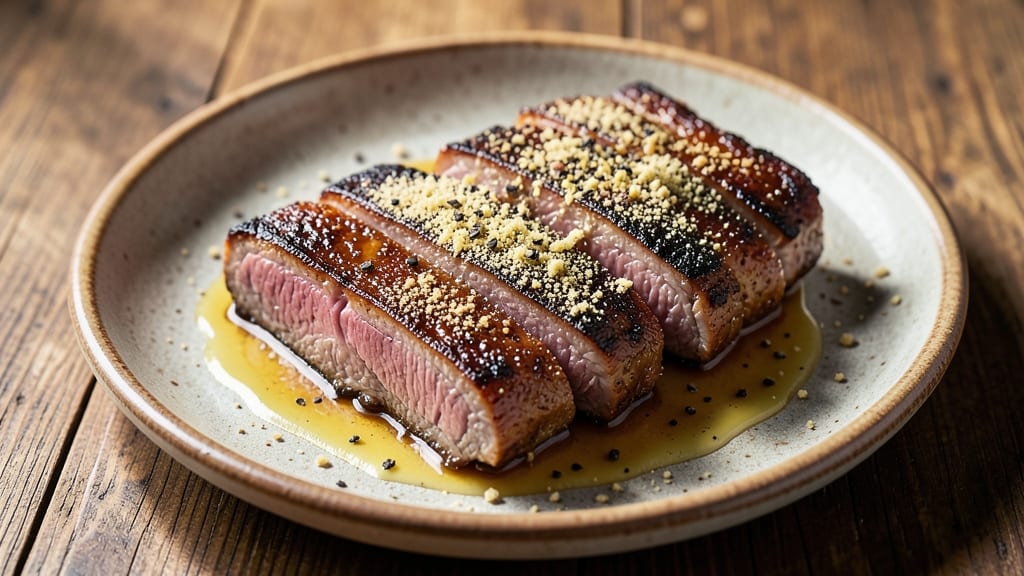
This Boston pork steak recipe brings New England's signature crispy edges and melt-in-your-mouth tenderness to your table with a method I've perfected over years of working with heritage pork.
The key lies in a dry brine that transforms tough cuts into restaurant-quality steaks, while a high-heat sear creates that signature crust that makes these steaks irresistible. I first mastered this technique during my apprenticeship in Charleston, where pork was treated with the same reverence as fine cuts of beef.
The secret to achieving that perfect balance of crispy edges and juicy centers starts with a simple dry rub—just salt, pepper, and a touch of garlic powder—that lets the pork's natural flavors shine while building that essential crust.
Unlike many cuts, Boston pork steaks benefit from a longer cook time at lower temperatures before that final high-heat sear, ensuring they stay tender through the crispy exterior. This isn't just about technique; it's about respecting the meat and letting it do its job.
What you'll end up with is a steak that's crispy enough to stand up to a fork yet tender enough to cut with a spoon—golden brown on the outside with pink centers that practically melt in your mouth.
The aroma alone will have your kitchen smelling like a New England seafood shack, and the first bite delivers that perfect harmony of textures and flavors. This is the kind of steak that makes people ask for seconds before they even finish their first.
Serve these steaks with classic New England sides like buttery corn on the cob or a crisp green salad with a tangy vinaigrette to cut through the richness. The crispy edges hold up beautifully to these accompaniments, creating a meal that's both comforting and impressive.
Trust me on this—once you try these steaks, you'll never go back to store-bought cuts again.
Ingredients for boston pork steak
Heritage pork cut and simple spices create New England's signature crispy, juicy steaks.
| Ingredient | Amount | Notes |
|---|---|---|
| Boston Pork Steaks 🥩 | 1 ½ lb | Heritage pork cut, 1-inch thick slices |
| Kosher Salt 🧂 | 1 ½ tbsp | Diamond Crystal preferred for texture |
| Freshly Ground Black Pepper 🌶️ | 1 tsp | Coarse grind for even coverage |
| Garlic Powder 🧄 | 1 tsp | Freshly toasted for deeper flavor |
| Cornstarch 🌾 | 1 tbsp | For crispy crust development |
| Unsalted Butter 🧈 | 2 tbsp | European-style preferred for high smoke point |
| Vegetable Oil 🫒 | ¼ cup | High smoke point for searing |
| Fresh Rosemary 🌿 | 2 sprigs | For aroma during cooking |
| Fresh Thyme 🌿 | 2 sprigs | Optional but recommended |
| Lemon Wedges 🍋 | 4 whole | For serving, brightens flavors |
| Fresh Parsley 🌿 | ¼ cup | Chopped for garnish |
The pork cut is everything here. Look for heritage pork steaks at specialty butchers or the meat department at Whole Foods—they'll be labeled as Boston pork steaks or pork porterhouse. If you can't find heritage pork, bone-in pork chops with thick cutlets work in a pinch, but the flavor and texture won't be quite the same. The steaks should be about 1-inch thick—thinner cuts won't develop that signature crust. I always ask the butcher to cut them to size if they're not pre-sliced. For the dry rub, Diamond Crystal kosher salt dissolves better than table salt, giving you that perfect crust without graininess. The garlic powder should be freshly toasted if possible—just dry-toast whole garlic cloves in a pan for 2 minutes until fragrant, then grind them. That extra step makes a world of difference in flavor.
No cornstarch? Arrowroot powder works 1:1, but cornstarch gives that perfect crispy texture. The butter and oil combo is non-negotiable—the butter adds flavor while the oil prevents burning. If you're short on time, use all oil and skip the butter, but your steaks won't taste quite as rich. Fresh herbs are ideal, but dried rosemary and thyme at half the amount will work if you're in a bind. The lemon wedges should be freshly squeezed—bottled juice lacks that bright acidity. For serving, I like to make a quick vinaigrette with red wine vinegar, olive oil, and a pinch of Dijon to cut through the richness. And trust me on this: don't skip the cornstarch. It's what gives these steaks that signature New England crispiness that makes them unforgettable.
These steaks are best served immediately after cooking, but they reheat beautifully if you need to hold them. Keep them warm in a 200°F oven while you finish other sides. The crust will soften slightly, but the interior stays juicy. Store leftovers in an airtight container for up to 3 days—they reheat best in a skillet with a splash of water. For freezing, wrap individual steaks in parchment paper and store for up to 2 months. When reheating from frozen, thaw in the fridge overnight first. The herbs and lemon can be prepped ahead and stored in the fridge for 3 days, but I find fresh is always better. These steaks pair perfectly with buttery corn or a crisp green salad—both balance the richness beautifully.
Why You'll Love This Recipe
- Few Ingredients, Big Payoff: I swear by this recipe because it’s all about smart simplicity. Just salt, pepper, garlic powder, and cornstarch—no fancy marinades or last-minute grocery runs. That crusty, golden exterior? Pure magic from the cornstarch alone.
- Crispy-Creamy Magic: The secret’s in the sear. Pan-frying those steaks until they’re caramelized on the outside while staying juicy inside? That’s where the garlic powder and black pepper work their charm. Honestly, it’s the kind of flavor that makes you forget about takeout.
- Weeknight Superstar: Between us, this is my go-to for busy nights. Toss a few in the pan while dinner’s still on the table—no babysitting required. (Yes, even on a Tuesday night when you’re exhausted.)
- Budget-Friendly Feast: Pork steaks stretch farther than you’d think, especially when sliced thin. I’ve fed four people for under $15, and the leftovers? Just as good the next day. Not the prettiest, but the taste makes up for it every time.
Step-by-step instructions for Boston pork steak with crispy edges
Here's how to transform tough cuts into tender, golden-brown perfection—just like New England's finest seafood shacks.
Prep the Pork for Maximum Flavor and Crisp
Pat the 1.5 lb Boston Pork Steaks completely dry with paper towels—this is non-negotiable for crispy edges. I press down firmly on each cut, even in the crevices, to remove all moisture. Wet surfaces prevent browning and create steam instead of crust.
In a small bowl, mix together 1.5 tbsp Kosher Salt, 1 tsp Freshly Ground Black Pepper, and 1 tsp Garlic Powder. Rub this generously over both sides of each steak, pressing the spices into the meat so they adhere. Let the seasoned steaks sit at room temperature for 20-30 minutes while you prep everything else. This ensures even cooking from edge to center.
Create the Crispy Cornstarch Coating
Place 1 tbsp Cornstarch in a shallow dish large enough to hold all four steaks. This coating is what gives Boston pork steaks their signature crunch. Lightly dredge each steak in the cornstarch, tapping off any excess. Don't press too hard—just enough to create a thin, even layer.
Heat 0.25 cup Vegetable Oil in a large skillet over medium-high heat until it shimmers but doesn't smoke. The oil should be hot enough that when you drop a pinch of cornstarch into it, it sizzles immediately. This is your signal the oil is ready—waiting too long will make the steaks greasy instead of crispy.
Sear for Perfect Crust and Juicy Centers
Working in batches if needed (to avoid crowding), carefully add the steaks to the hot oil. Cook for 3-4 minutes per side until they develop a deep golden-brown crust. I press down gently on the steaks during the first minute to prevent curling, which ensures even contact with the pan.
When the steaks are golden brown on both sides, remove them from the pan and set aside on a wire rack. The rack allows air circulation so the bottoms don't get soggy. Keep the steaks warm while you finish the aromatics—just tent them loosely with foil if you're concerned about them cooling too quickly.
Build the Herb Butter Sauce
Reduce the heat to medium-low and add 2 tbsp Unsalted Butter to the same skillet. Toss in the 2 sprigs Fresh Rosemary and 2 sprigs Fresh Thyme, letting them sizzle for 30 seconds until fragrant. This step infuses the butter with herby aroma that will coat your steaks.
Pour in 1 tablespoon of the rendered oil from the pan (about what's left after cooking the steaks) and scrape up any browned bits from the bottom. These bits are packed with flavor—don't miss them! Return the steaks to the skillet and spoon the herb butter sauce over them, basting for 1-2 minutes until they're coated and heated through.
Rest and Serve with Fresh Accents
Transfer the steaks to a cutting board and let them rest for 5-10 minutes before slicing. This resting period is crucial—it allows the juices to redistribute throughout the meat so every bite stays moist. If you skip this step, you'll end up with dry, stringy pork.
Slice the steaks against the grain into ½-inch thick pieces. Arrange on plates and garnish with 4 whole Lemon Wedges and 0.25 cup Fresh Parsley, chopped coarsely. The lemon brightens the rich pork flavors, while the parsley adds a fresh pop of color. Serve immediately with your choice of sides—mashed potatoes or a simple green salad work perfectly.
Pro Tips For Making Boston Pork Steak
- CRANK THE HEAT FIRST: Boston pork steaks need that initial sear to lock in flavor—don’t be shy with the heat. Get your pan screaming hot (medium-high to high) for 2-3 minutes before adding the meat, or you’ll end up with steam instead of a crust. I learned this the hard way when my first batch turned out more sad than savory.
- SALT BEFORE SEASONING: Toss your steaks with kosher salt first—let them sit 10-15 minutes uncovered while you preheat the pan. This draws out moisture so the crust forms properly, and the seasoning clings better than if you just sprinkle it on last-minute. (Yes, even if you’re impatient like me.)
- SKIP THE CROWDED PAN: Cook the steaks in a single layer—no overlapping. I used to cram them in for speed, but that just steams them instead of searing. Give each piece room to breathe, and resist the urge to flip too soon. A good rule: Wait until a crust forms (2-3 minutes per side), even if it feels like forever.
- DREDGE IN CORNSTARCH: Toss the cooked steaks in garlic powder after they’re out of the pan, but first give them a quick shake in cornstarch. This isn’t just for thickening gravy—it adds texture and helps the seasoning stick. (Pro move: Use a paper towel to blot excess oil first, or your crust will turn greasy.)
Wine and beer pairings for these flavors
Red Wine Pairings
For Boston pork steaks, I always reach for a medium-bodied red wine with enough acidity to complement the richness. A New England Pinot Noir—like those from the Willamette Valley—works beautifully, offering red fruit flavors and a silky texture that won't overpower the pork's crispy edges.
If you prefer something with more body, a Chianti Classico from Tuscany brings bright acidity and cherry notes that cut through the fat. 🍷
For a local twist, try a Rhode Island Cabernet Franc—these wines often have a rustic charm with herbal undertones that pair perfectly with the rosemary and thyme in the herb butter sauce. Avoid heavy, oaky wines like Bordeaux; they'll clash with the delicate crispiness of the steak.
Crisp White Wine Options
A dry Riesling from Germany, especially one with a touch of sweetness, balances the pork's richness beautifully. Look for a Kabinett or Spätlese—the slight sweetness and citrus notes refresh your palate after each bite.
I keep a bottle of Dr. Loosen Blue Slate Riesling on hand for special occasions. 🍷
For something lighter, a Sauvignon Blanc from New Zealand or Loire Valley offers bright citrus and herbal notes that contrast the pork's savory crust. The acidity in these wines helps cleanse your palate between bites, making them ideal for a summer meal.
Beer Pairings
When it comes to beer, I turn to American Pale Ales with a touch of malt sweetness—like a Fat Tire or New Belgium Voodoo Ranger. The caramel and biscuit notes complement the cornstarch crust, while the hop bitterness balances the richness.
For a local Georgia option, try Atlanta Brewing Company's Pale Ale. 🍺
A Belgian Witbier like Hoegaarden adds a refreshing contrast with its coriander and orange peel notes. The effervescence cuts through the butter sauce, making it a great choice for a lighter meal. Avoid heavy stouts or IPAs—they'll overpower the delicate flavors of the steak.
Craft Cocktail Pairings
For a cocktail pairing, I love a gin-based drink with rosemary and lemon—like a Rosemary Gin Fizz. Muddle a sprig of rosemary with lemon juice, add gin, a splash of soda, and a touch of honey.
The herbal notes echo the cooking aromatics, while the citrus brightens the dish. 🍸
If you prefer whiskey, a bourbon old-fashioned with a rosemary twist works wonders. The smoky depth of bourbon stands up to the pork's richness, while the rosemary ties back to the herb butter sauce. Just add a sprig of rosemary to the glass before pouring—it infuses beautifully.
Nutrition facts
Frequently asked questions
What makes Boston pork steak different from regular pork chops?
Boston pork steaks are cut from the pork loin, typically 1-inch thick with a generous fat cap, while regular pork chops are often thinner and leaner. The key difference is the cornstarch crust and longer cooking time that creates crispy edges while keeping the interior juicy. These steaks also come from heritage pork breeds, which have more marbling and flavor than commercial cuts.
Can I substitute cornstarch with something else for the crust?
Yes, but the texture won't be identical. Arrowroot powder works 1:1 and creates a lighter crust, while all-purpose flour gives a softer texture. For maximum crispiness, stick with cornstarch—it's what gives these steaks their signature New England crunch. If you're gluten-free, use tapioca starch instead.
How do I know when the steaks are cooked to perfection?
Look for a deep golden-brown crust on both sides and use a meat thermometer to check internal temperature—145°F for medium doneness. The crust should hold its shape when pressed gently with tongs. If you don't have a thermometer, cut into one steak: a juicy pink center with no gray means it's perfect.
What's the best way to reheat leftover Boston pork steaks?
Reheat in a skillet over medium heat with a splash of water for 2-3 minutes per side until warmed through. This maintains the crispy texture better than a microwave. For extra flavor, add a pat of butter and a sprig of rosemary while reheating. Store leftovers in an airtight container for up to 3 days.
Can I make these steaks ahead of time?
Cook the steaks completely, then store them in an airtight container in the fridge for 3 days. Reheat as directed above. For freezing, wrap individual steaks in parchment paper and freeze for up to 2 months. Thaw overnight in the fridge before reheating. The flavors actually develop more overnight, making them even more delicious when reheated.