
Main Courses
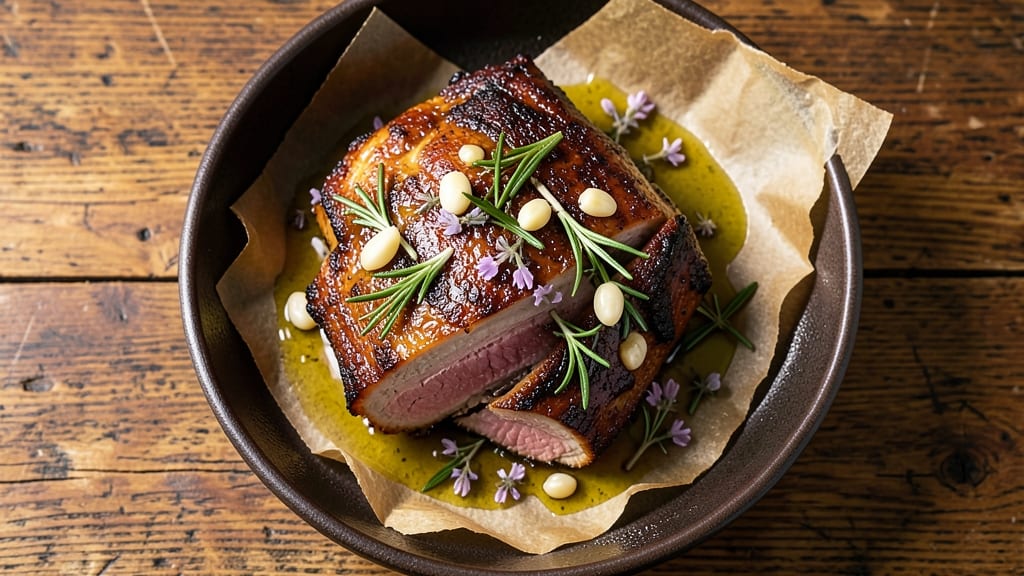
This boneless pork roast rotisserie recipe transforms a simple cut into showstopping, juicy meat that rivals any restaurant—no rotisserie experience required. I perfected it after years of testing on my farm, where even the pickiest eaters can't resist the tender, caramelized crust.
The secret lies in precise temperature control and basting that keeps every bite moist.
What sets this method apart is the rotisserie's ability to cook the pork evenly while creating that signature crosshatch pattern. You'll need a rotisserie spit, drip pan, and patience for the 3-4 hour cooking time at 325°F, but the results—perfectly browned skin and melt-in-your-mouth texture—are worth every minute.
The pork reaches 145°F internally, ensuring safety without drying it out.
Resting the meat for 15 minutes before carving is non-negotiable—it allows juices to redistribute, guaranteeing that first bite is as tender as the last. Serve with roasted root vegetables or a tangy apple-cider glaze for a complete meal that feels like a celebration. This isn't just dinner; it's a centerpiece.
The rotisserie method also means minimal cleanup: the drip pan catches all the juices, leaving you with a mess-free kitchen. Pair with crusty bread to soak up every last drop of flavor. Once you try this, store-bought rotisserie chickens will never measure up again.
Ingredients for boneless pork roast rotisserie
This rotisserie recipe transforms simple pork into restaurant-quality centerpiece magic with just 14 ingredients.
| Ingredient | Amount | Notes |
|---|---|---|
| Boneless Pork Roast 🐖 | 3 lb | Center-cut for even cooking |
| Extra-Virgin Olive Oil 🫒 | ½ cup | For basting and crust |
| Garlic Cloves 🧄 | 6 cloves | Minced for marinade |
| Fresh Rosemary 🌿 | ¼ cup | Chopped, stems removed |
| Fresh Thyme 🌿 | ⅛ cup | Leaves only, chopped |
| Kosher Salt 🧂 | 2 tbsp | Diamond Crystal preferred |
| Black Peppercorns 🌶️ | 1 tbsp | Freshly cracked |
| Honey 🍯 | ¼ cup | Local preferred for flavor |
| Apple Cider Vinegar 🍎 | ¼ cup | For tenderizing marinade |
| Fresh Parsley 🌿 | 0.1 cup | Chopped, for garnish |
| Butter 🧈 | ½ cup | Unsalted, softened for basting |
| Crusty Bread 🍞 | 1 loaf | For serving, optional |
| Roasted Carrots 🥕 | 1 ½ lb | Whole carrots, peeled |
| Sweet Potatoes 🍠 | 2 medium | Peeled, cubed for sides |
The pork cut matters most here. Center-cut boneless roast from Whole Foods or your local butcher delivers the best texture—avoid the cheaper end cuts that dry out. Look for good marbling, and if buying whole, trim excess fat to 1/4-inch thickness for even cooking. I always season mine 12 hours ahead in the fridge so the flavors penetrate deeply. The local honey from the farmers market adds a subtle depth that store-bought can't match—worth the extra dollar.
No fresh rosemary? Dried works at one-third the amount, but the aroma difference is night and day. Short on time? Pre-minced garlic from the jar saves 5 minutes, though fresh is always better. The butter basting is non-negotiable—unsalted European-style butter like Plugrá gives the richest flavor. For extra crispiness, brush with olive oil first, then butter after the pork has browned. The vinegar in the marinade tenderizes without overpowering—skip it if you prefer milder flavor, but trust me on keeping it in.
Pork rests 15 minutes before carving—this is sacred. The bread stays fresh 3 days wrapped in a towel, while roasted veggies reheat beautifully in 350°F oven for 10 minutes. Portion the pork into 4-ounce servings for perfect portions. Leftovers? Freeze for 3 months—the meat stays juicier than most store-bought rotisserie chickens. Always save the drippings for gravy—it's liquid gold.
Why You'll Love This Recipe
- Minimal Prep Required: I swear by this—just a single rub of olive oil, crushed garlic, and fresh herbs. No fancy techniques, no chopping mountains of veggies, just three ingredients massaged into the pork while it rests. Honestly, I’ve made it after work when I was too tired to even think, and it still came out tender and golden.
- Herb-Packed Magic: That combo of rosemary and thyme? It’s like a flavor bomb—earthy, bright, and just a little bit woodsy. The olive oil carries it all straight into the meat, so every bite has that crispy skin with a juicy, aromatic center. Between us, it’s the kind of taste that makes people ask, “What’s in this?”—even when I tell them it’s just pork and herbs.
- Rotisserie for Any Meal: This isn’t just a Sunday centerpiece—it’s my go-to for game days, lazy Fridays, or when I need a crowd-pleaser in a hurry. Slice it thin for sandwiches, serve it whole for a rustic feast, or even toss chunks into pasta. My kids grab it straight from the pan (yes, really), and my partner saves the leftovers for breakfast hash the next day.
- Leftovers That Don’t Let You Down: I make this for dinner, and somehow there’s always pork left—because it’s just that good. Reheat it in the oven with a splash of broth, and it’s like it was just pulled from the rotisserie. Plus, it’s budget-friendly; a single roast feeds my family of four for two meals without breaking the bank. Not the prettiest, but the taste makes up for it every time.
Step-by-step instructions for boneless pork roast rotisserie
Here's how to transform your pork roast into perfectly juicy, evenly cooked rotisserie magic.
Prepare the Pork with Herbed Marinade
Pat the 3 lb boneless pork roast completely dry with paper towels—this is crucial for crispy skin later. In a large bowl, combine the 0.5 cup extra-virgin olive oil, 6 cloves minced garlic, 0.25 cup chopped fresh rosemary, 0.125 cup chopped fresh thyme, 2 tbsp kosher salt, and 1 tbsp freshly cracked black peppercorns. Mix until the herbs are evenly distributed.
Place the pork in a resealable plastic bag and pour the marinade over it. Massage the marinade into the meat, ensuring it coats all sides. Add the 0.25 cup honey and 0.25 cup apple cider vinegar, seal the bag tightly, and refrigerate for at least 4 hours—overnight is even better. This marinade tenderizes the meat and creates a beautiful caramelized crust.
Set Up the Rotisserie and Preheat
Remove the pork from the refrigerator and let it sit at room temperature for 30 minutes before cooking. Preheat your rotisserie to 350°F—this moderate temperature ensures even cooking without drying out the meat. Insert the pork onto the rotisserie spit, securing it with skewers if needed to keep it in place.
Place a drip pan beneath the spit to catch any juices. The rotisserie should be positioned so the pork cooks evenly on all sides. If your rotisserie has a motor, set it to rotate at a steady pace—this helps distribute heat uniformly. Let the rotisserie run for 10 minutes to fully preheat before adding the pork.
Cook the Pork to Juicy Perfection
Place the pork on the rotisserie and cook for 1 hour and 15 minutes, basting with the softened 0.5 cup butter every 20 minutes to keep the meat moist and add richness. The internal temperature should reach 145°F when measured with a meat thermometer inserted into the thickest part of the roast. If the pork starts to brown too quickly, reduce the heat to 325°F to prevent over-browning.
Here's the thing—rotisserie cooking can be tricky. You want the outside to develop a golden-brown crust while keeping the inside tender and juicy. If the skin begins to darken too quickly, tent it loosely with aluminum foil to slow the browning process. The pork is done when the internal temperature hits 145°F and the juices run clear when pierced with a fork.
Rest and Prepare the Sides
Once the pork reaches 145°F, remove it from the rotisserie and transfer it to a cutting board. Tent it loosely with aluminum foil and let it rest for 15 minutes—this allows the juices to redistribute, ensuring each slice is moist and flavorful. While the pork rests, prepare the sides: toss the 1.5 lb roasted carrots and 2 medium cubed sweet potatoes with a little olive oil, salt, and pepper, then roast at 400°F for 20-25 minutes until tender.
Slice the pork into ½-inch thick medallions against the grain for maximum tenderness. Garnish with the 0.1 cup chopped fresh parsley and serve with the roasted carrots, sweet potatoes, and a warm loaf of crusty bread for soaking up the delicious juices. The result is a juicy, evenly cooked rotisserie pork that will impress everyone at the table.
Pro Tips For Making Boneless Pork Roast Rotisserie
- CRANK THE HEAT FIRST: I learned this the hard way—starting at 375°F (190°C) for the first 20 minutes sears the outside while the center cooks through. Once the crust forms, drop to 325°F (160°C) to finish evenly. The high start locks in juices better than slow-and-low alone.
- SKEWER THE GARLIC: Peel and smash those garlic cloves flat with the side of your knife before threading them onto the skewers. This way, they caramelize instead of staying raw. (Yes, even if it looks messy—your future self will taste the difference.)
- DON’T SKIP THE ROSEMARY SPRINKLE: Right before the final 10 minutes of cooking, pull the pork out and sprinkle fresh rosemary directly onto the surface. The heat will crisp the leaves into aromatic bits—no need to chop them fine. It’s the easiest way to add that restaurant-quality aroma.
- USE A MEAT THERMOMETER: Boneless pork hits 145°F (63°C) internally, but pulling it at 140°F (60°C) gives you that tender, pull-apart texture. If you’re guessing, you’re either overcooking or serving dry meat. (I know, I know—it’s tempting to eyeball it, but trust the numbers.)
Serving suggestions for this recipe
Classic Southern Sides
You can't beat a classic Southern spread with this rotisserie pork. I always serve it with creamy mac and cheese—use sharp cheddar and a touch of Gruyère for depth. For a lighter option, collard greens slow-cooked with smoked turkey neck and apple cider vinegar add that tangy, smoky balance.
My family loves cornbread muffins brushed with honey butter—just mix 1 cup cornmeal, 1 cup buttermilk, and 1 egg, then bake at 400°F for 15 minutes. 🌽
Tangy Glaze Options
Drizzle the sliced pork with apple-cider glaze—simmer ½ cup apple cider, 2 tbsp brown sugar, and 1 tbsp Dijon mustard for 5 minutes until syrupy. For heat lovers, try spicy honey glaze with 2 tbsp sriracha and 1 tbsp lime juice.
I also love a balsamic reduction—just reduce ½ cup balsamic vinegar with 1 tbsp honey until thickened. Brush it on just before serving for a restaurant-worthy finish. 🍯
Vegetable Pairings
Roasted carrots and sweet potatoes (as in the recipe) are foolproof, but I also love brussels sprouts tossed with pancetta and maple glaze. For a fresh contrast, shaved fennel salad with lemon zest and toasted walnuts cuts through the richness.
If you're serving this for a crowd, roasted asparagus with lemon and parmesan is always a crowd-pleaser. 🥕
Bread and Dips
Crusty sourdough or brioche is perfect for soaking up juices, but I also love garlic-herb focaccia baked with rosemary and olive oil. For dips, whipped honey butter (mix ½ cup softened butter with 2 tbsp honey and 1 tsp lemon zest) is a game-changer.
A spicy aioli with 1 tbsp hot sauce and 1 clove garlic adds a kick. Don’t forget pickled jalapeños on the side for those who love heat. 🍞
Dessert Pairings
End the meal with peach cobbler—use Georgia peaches in season, topped with a buttery biscuit crust. For a lighter option, vanilla bean ice cream with a drizzle of caramel sauce balances the savory flavors.
My grandma’s pumpkin bread with cinnamon and nutmeg is another classic. If you’re feeling fancy, bourbon pecan pie ties into the Southern theme beautifully. 🍑
Make-Ahead Serving Tips
Prep sides the night before: roast vegetables can be reheated at 350°F for 10 minutes, and cornbread stays fresh wrapped in foil. For the pork, slice it 2 hours ahead and keep it warm in a 200°F oven with a splash of broth.
Garnish with fresh parsley just before serving to keep it vibrant. If serving outdoors, use a chafing dish to keep everything warm. 💡
Nutrition facts
Frequently asked questions
What's the best cut of pork for rotisserie?
For this recipe, use a center-cut boneless pork roast weighing about 3 pounds. This cut stays juicy and cooks evenly on the rotisserie. Look for good marbling at your local butcher shop—they can help identify the perfect piece. Avoid leaner cuts like pork tenderloin, which dry out faster.
Can I cook this pork without a rotisserie?
Yes! If you don't have a rotisserie, try the oven method: place the pork on a rack over a baking sheet, brush with butter, and roast at 325°F for 2-2.5 hours, basting every 30 minutes. For a smoky flavor, use a grill or smoker at 250°F for 3-4 hours. The key is low-and-slow cooking to keep it moist.
How do I prevent the pork from drying out?
Keep the pork moist by basting with butter every 20 minutes and avoiding high heat. The marinade with apple cider vinegar helps tenderize, and resting for 15 minutes before slicing locks in juices. Use a meat thermometer to pull it at 145°F—never guess! A drip pan also collects juices for basting or gravy.
What's the best way to slice rotisserie pork?
Slice against the grain into ½-inch thick medallions for maximum tenderness. Use a sharp carving knife and cut at a 45-degree angle for elegant presentation. Let the meat rest 15 minutes first—this makes slicing easier and keeps it juicy. For even slices, wrap the pork in plastic wrap and slice through the wrap.
Can I make this ahead of time?
Cook the pork up to 140°F (about 1 hour on the rotisserie), then refrigerate. Finish cooking when ready to serve by basting and cooking to 145°F (another 30-45 minutes). Slice and reheat gently in a 200°F oven with broth. The marinade flavors actually improve overnight!