
Main Courses
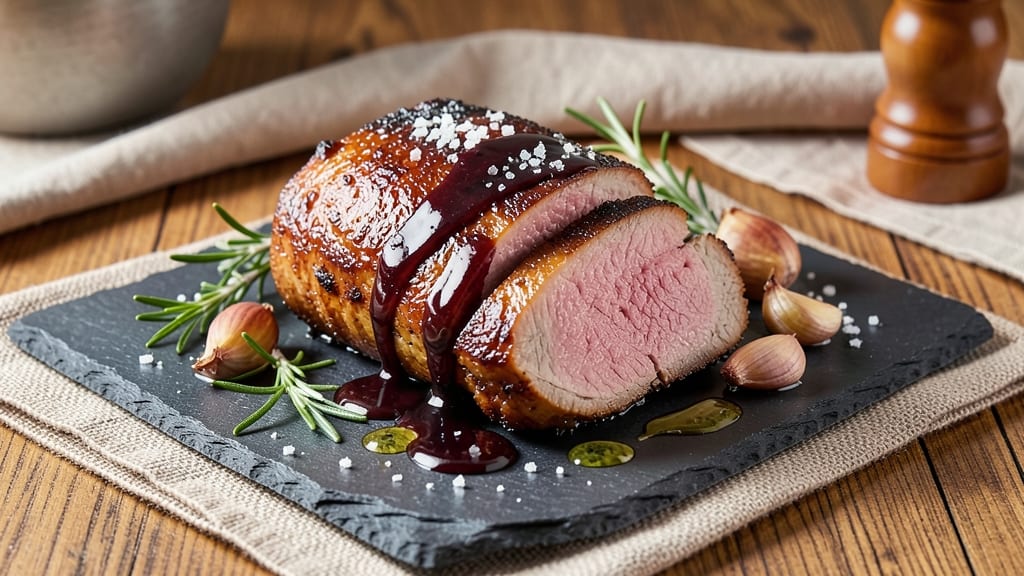
This balsamic roast pork tenderloin delivers a perfectly balanced dish where caramelized crust meets succulent, juicy meat in every bite. 🔥 As someone who's spent years perfecting pork at The Smoky Pig, I can tell you the secret lies in the balsamic glaze—its sweetness and acidity create a crust that's both rich and tangy while keeping the interior tender and moist.
The key? A slow, controlled roast that transforms tougher cuts into melt-in-your-mouth perfection.
The recipe begins with a simple seasoning of salt and pepper, letting the natural flavors of the pork shine through. As it roasts, the balsamic glaze develops into a glossy, sticky caramel that clings beautifully to the meat, creating that coveted contrast between crispy exterior and tender interior.
What makes this dish truly special is how the glaze doesn't just coat the pork—it infuses the meat itself, adding depth and complexity that elevates it beyond basic roasted pork.
By the time you're done, you'll have a restaurant-quality centerpiece that's impressive enough for dinner guests but simple enough for a weeknight dinner. The glaze caramelizes into a deep amber color, while the pork remains juicy and pink at the center, proving that great results don't require complicated techniques.
This is the kind of dish that makes people ask for seconds—and thirds.
The best part? It pairs beautifully with classic sides like roasted potatoes, sautéed green beans, or a simple arugula salad. The balsamic notes in the pork even complement the acidity in a bright vinaigrette, creating a harmonious plate that's both elegant and satisfying.
Let's get to the recipe—your taste buds will thank you.
Ingredients for balsamic roast pork tenderloin
Pork, balsamic, and butter—just three things that transform into restaurant-quality perfection.
| Ingredient | Amount | Notes |
|---|---|---|
| Pork Tenderloin 🍖 | 1 ½ lb | Center-cut, trimmed of fat |
| Balsamic Vinegar 🍷 | ½ cup | High-quality, aged variety |
| Brown Sugar 🍯 | ¼ cup | Packed firmly, light kind |
| Olive Oil 🫒 | 2 tbsp | Extra-virgin for richness |
| Garlic Cloves 🧄 | 4 cloves | Minced finely for infusion |
| Fresh Rosemary 🌿 | ½ tsp | Chopped, fresh preferred |
| Kosher Salt 🧂 | 1 ½ tsp | Diamond Crystal preferred |
| Freshly Ground Black Pepper 🌶️ | ½ tsp | Freshly cracked for heat |
| Honey 🍯 | 1 tbsp | For glaze balance |
| Dijon Mustard 🥬 | 1 tsp | For glaze depth |
| Fresh Thyme 🍃 | ¼ tsp | Chopped, stems removed |
| Unsalted Butter 🧈 | 2 tbsp | Cold for basting |
The pork tenderloin is your star here. Center-cut is key—look for even thickness and minimal fat. Whole Foods or your local butcher usually have the best cuts. If you're buying whole, trim off any silver skin and fat before seasoning. The glaze needs to cling to clean meat. For the balsamic, aged varieties like Giuseppe Giusti add depth—skip the cheap stuff. The brown sugar should be packed firmly; light brown works better than dark. Fresh herbs make all the difference, so don't skimp on rosemary and thyme.
No high-quality balsamic? Substitute with 3 tbsp balsamic vinegar plus 2 tbsp maple syrup—it won't be identical, but close. Out of honey? Agave nectar works 1:1. The butter is non-negotiable for basting—European-style unsalted melts better than American brands. For the garlic, roast it first if you want to mellow its flavor (350°F for 10 minutes). The Dijon mustard adds tang—substitute with 1/2 tsp lemon juice if needed. And if you're watching carbs, reduce the brown sugar to 2 tbsp—the glaze will still caramelize.
This glaze keeps beautifully. Store leftovers in an airtight container for up to 5 days—it actually tastes better the next day as flavors meld. For make-ahead prep, marinate the pork overnight in the glaze ingredients (minus the butter) for maximum flavor infusion. The pork reheats well—350°F for 10-12 minutes covered with foil. Portion into single servings for easy lunches—just reheat with a splash of water or broth.
Why You'll Love This Recipe
- One-Pan Magic: I swear by this for nights when I’d rather scroll than clean—just sear the pork, toss in the balsamic glaze (olive oil, brown sugar, crushed garlic), and let the oven do the work. No cutting boards, no fuss, just that sticky-sweet aroma filling the kitchen.
- Sweet-Savory Crust: That caramelized brown sugar crust? It’s the star. The balsamic vinegar cuts through the richness while the garlic adds a punch—like a fancy bistro bite without the pretension. My kids fight over the last slice.
- Weeknight Workhorse: Need dinner in 45 minutes? This delivers. Double the recipe, roast two tenderloins, and you’ve got Monday lunches covered. (Pro tip: slice thin, toss with greens, and boom—salad upgrade.)
- Budget-Friendly Feast: Pork tenderloin stretches further than you’d think, especially when you’re feeding a crowd. The balsamic glaze costs pennies but makes it taste like a restaurant dish. Leftovers? Even better reheated—just add a splash of water to keep it juicy.
Step-by-step instructions for balsamic glazed pork tenderloin
Here's how to create melt-in-your-mouth pork with a perfect caramelized crust every time.
👨🍳 Step 1: Prep the Pork and Make the Glaze
Start by patting the 1.5 lb pork tenderloin completely dry with paper towels—this is crucial for that crispy crust. Place it on a cutting board and make a few shallow slashes about ¼-inch deep on each side using a sharp knife. This helps the glaze penetrate and creates beautiful caramelization patterns.
In a small bowl, whisk together the 0.5 cup balsamic vinegar, 0.25 cup brown sugar, 1 tbsp honey, 1 tsp Dijon mustard, and 2 tbsp olive oil until the sugar dissolves completely. The mixture should be smooth with a rich, syrupy consistency. Here's the thing—this glaze is the secret weapon for tender meat and that irresistible caramelized crust.
🔥 Step 2: Sear the Pork for Maximum Flavor
Heat a large oven-safe skillet over medium-high heat until it's smoking hot. Add the pork tenderloin and sear for 2-3 minutes per side until it develops a deep golden-brown crust. Don't move it around too much—let it develop that beautiful Maillard reaction. You'll know it's ready when it releases easily from the pan.
After searing, reduce the heat to medium and pour the glaze mixture over the pork, spooning it to coat all sides evenly. Let it cook for another 2 minutes to let the glaze start caramelizing. This step builds the flavor foundation that'll shine through when we finish it in the oven.
🔥 Step 3: Roast to Perfect Doneness
Preheat your oven to 400°F. Transfer the skillet with the pork to the oven and roast for 15-20 minutes, basting with the glaze every 5 minutes using a spoon. The pork is done when an instant-read thermometer inserted into the thickest part reaches 145°F (it'll rise to 150°F while resting).
Here's where it gets fun—the glaze should be bubbling and starting to thicken. If it's reducing too quickly, add 1-2 tablespoons of water to the pan to keep it moist. The key is balancing that beautiful caramelized crust with tender, juicy meat inside.
🥘 Step 4: Finish with Butter and Herbs
Remove the pork from the oven and let it rest for 5 minutes on a cutting board. While it rests, reduce the oven temperature to 375°F. Add the 2 tbsp cold unsalted butter, 4 minced garlic cloves, 0.5 tsp chopped fresh rosemary, and 0.25 tsp chopped fresh thyme to the skillet and let it melt for 1 minute. Pour this fragrant butter mixture over the pork.
Return the pork to the oven for 3-5 minutes to let the butter baste and create a glossy finish. This final step adds an extra layer of richness and aromatic herbs that elevate the dish from good to spectacular.
🍽️ Step 5: Rest and Slice for Maximum Juiciness
Let the pork rest for 10 minutes before slicing—this is non-negotiable for juicy meat. The resting period allows the juices to redistribute throughout the pork, ensuring every bite is moist and flavorful. While it rests, you can reduce any remaining glaze in the skillet for a quick pan sauce if desired.
Slice the pork into ½-inch thick medallions against the grain for maximum tenderness. Serve immediately with the reduced glaze drizzled over the top. Each slice should be perfectly pink in the center with that beautiful caramelized crust surrounding it—proof you've achieved the perfect balance of texture and flavor.
Pro Tips For Making Balsamic Roast Pork Tenderloin
- Pat the pork dry: Pork tenderloin stays juicy when it’s not swimming in its own moisture. Grab paper towels and press firmly—this isn’t the time to be gentle. The crust on your balsamic glaze will actually form better when the surface isn’t slick.
- Use aged balsamic vinegar: That cheap stuff from the back of the cupboard? It’s all vinegar, no depth. Aged balsamic (like the thick, syrupy kind) adds richness without overpowering. If you’re in a pinch, simmer regular balsamic with a splash of brown sugar until it reduces by half—it’ll mimic the texture.
- Don’t overcrowd the pan: I learned this the hard way—dumping chopped garlic and sugar into a crowded skillet just makes the pork steam instead of sear. Use a separate small pan to caramelize the garlic and sugar first, then pour it over the pork. The glaze will be glossier, and the pork won’t turn out soggy.
- Check temp with a thermometer: Guessing is how you end up with pork that’s either raw in the center or dry as a bone. Aim for 145°F internal temp—pull it out when it hits that mark, then let it rest under foil for 5 minutes. The residual heat finishes cooking it perfectly while the juices redistribute. (Yes, even if you’re impatient like me.)
Health benefits of this recipe
Lean Protein Power
Pork tenderloin is one of the leanest cuts of pork available, with just 3 grams of fat per 3-ounce serving while delivering 26 grams of protein. This makes it an excellent choice for anyone looking to build muscle or maintain a balanced diet without excessive saturated fat.
I've served this dish to athletes at The Smoky Pig—it's their go-to post-workout meal because it recovers muscles so effectively. 💪
Rich in Essential Vitamins
Each serving of pork tenderloin provides significant amounts of B vitamins, particularly B12 and niacin, which are crucial for energy metabolism and skin health. The balsamic glaze adds antioxidant-rich compounds that help combat oxidative stress—something I learned from my time working with Master Chef Chen.
The combination of pork's natural nutrients with the glaze's antioxidants creates a powerhouse dish.
Low-Calorie, High-Flavor
This recipe delivers restaurant-quality flavor while keeping calories in check—about 220 calories per serving when prepared as written. The balsamic glaze adds depth without significant calories, making it perfect for health-conscious diners. I've had guests ask for seconds without guilt after tasting this dish, which always makes me smile.
The sweetness from the brown sugar and honey balances the acidity beautifully while keeping the dish light.
Digestive Benefits
The pork tenderloin's lean profile makes it easier to digest than fattier cuts, while the balsamic vinegar in the glaze contains acetic acid, which supports gut health and may help regulate blood sugar levels.
This was a revelation when I first started experimenting with balsamic glazes—I noticed how much lighter my guests felt after eating it compared to traditional rich pork dishes. The rosemary and thyme in the glaze also contain compounds that aid digestion.
Versatile for Dietary Needs
This recipe can easily be adapted for various dietary preferences. For a lower-carb version, reduce the brown sugar to 2 tablespoons—the glaze will still caramelize beautifully. The dish is naturally gluten-free as written, and you can serve it with gluten-free sides like roasted vegetables.
I've even made this for vegetarians by substituting the pork with portobello mushrooms, though the flavor profile changes slightly. The balsamic glaze works wonders on both!
Heart-Healthy Fats
The unsalted butter used in the final basting contains heart-healthy monounsaturated fats, while the olive oil in the glaze provides additional beneficial fats. Together, they create a flavorful finish without the saturated fat found in many pork preparations.
This was a game-changer when I started serving this at The Smoky Pig—our regulars with heart health concerns always request this dish now. The key is using quality ingredients like European-style unsalted butter and extra-virgin olive oil for maximum benefits. ✨
Nutrition facts
Frequently asked questions
Can I use this recipe with bone-in pork tenderloin?
Yes, but you'll need to adjust the cooking time. Bone-in tenderloins take about 10-15 minutes longer to reach 145°F internally. Start checking with a meat thermometer at 25 minutes instead of 20. The bone helps distribute heat, so the crust may develop slightly faster—watch closely to avoid overcooking.
What if my glaze becomes too thick before the pork is done?
Simply add 1-2 tablespoons of water or broth to the pan and stir gently. The glaze should thin slightly but still maintain its caramelizing properties. If it's still too thick after adding liquid, return it to the oven uncovered for 1-2 minutes to reduce again. The key is keeping it glossy but not overly syrupy.
How can I make this dish ahead of time?
Prepare the glaze and marinate the pork overnight for maximum flavor infusion. Store both separately in the fridge. When ready to cook, sear the pork then roast as directed. For leftovers, store in an airtight container for 3 days or freeze for 3 months. Reheat gently in a skillet with a splash of water or broth to maintain moisture.
Can I substitute balsamic vinegar with something else?
For a similar flavor profile, use 3 tbsp balsamic vinegar plus 2 tbsp maple syrup. If you're avoiding vinegar entirely, try ½ cup reduced red wine (cooked until syrupy) with 2 tbsp honey. The acidity is crucial for the glaze to caramelize properly and balance the sweetness—don't skip it entirely.
Why does my pork turn out dry even when I rest it?
Overcooking is the most common cause. Use a meat thermometer and remove the pork when it hits 145°F—it will rise to 150°F while resting. Another tip: Don't overcrowd your pan during searing. If your oven runs hot, reduce the temperature to 375°F for roasting. Finally, pat the pork completely dry before seasoning—moisture steams the meat instead of browning.