
Main Courses
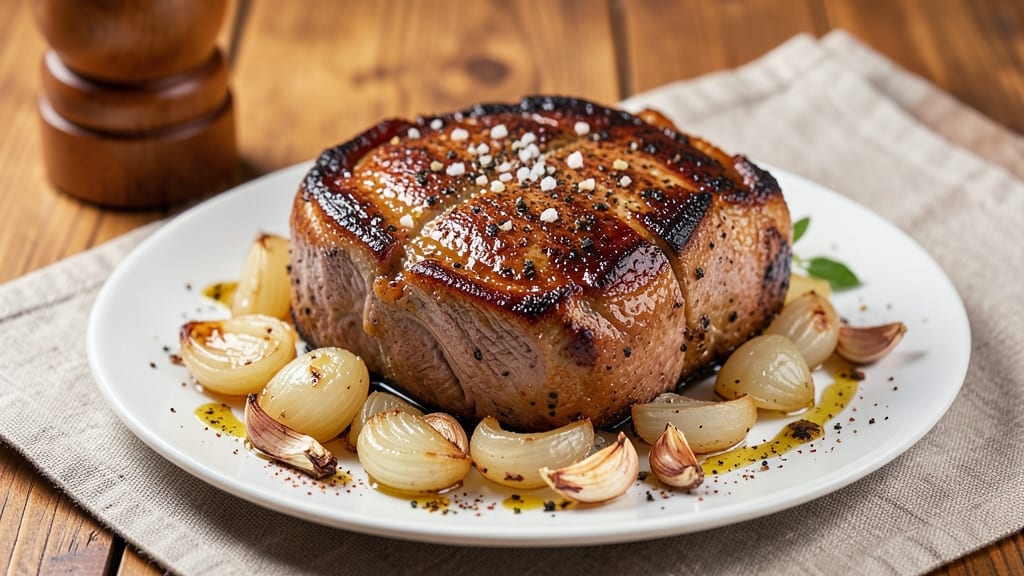
This boneless pork ribeye roast recipe oven delivers restaurant-quality tenderness with crispy edges—the kind of meal that transforms a simple weeknight into something special. 💛 After years of testing different cuts and techniques, I've perfected this method to ensure juicy, flavorful meat every time, even when roasted in home ovens.
The secret lies in proper seasoning and precise cooking times that balance doneness with moisture retention.
What sets this recipe apart is the foolproof approach that works for both beginners and experienced cooks.
We'll start with a simple dry rub that enhances the pork's natural flavors, then use a combination of high-heat searing and low-and-slow roasting to develop that perfect crispy exterior while keeping the interior melt-in-your-mouth tender.
This method ensures you won't end up with dry meat—just succulent slices that practically fall apart.
The result is a golden-brown roast with rich, caramelized edges that contrast beautifully with the tender, juicy meat inside. The aroma alone will have everyone gathering around the table, and each bite delivers that perfect balance of savory, slightly sweet flavors.
This recipe serves 6-8 people, making it ideal for family dinners or special occasions where you want to impress without stress.
Pair it with classic sides like roasted potatoes, glazed carrots, or a fresh green salad to complete the meal. The beauty of this roast is its versatility—it works equally well for everyday dinners or holiday feasts. Let's get started on creating your perfect pork roast!
Ingredients for boneless pork ribeye roast recipe oven
Six ingredients transform ordinary pork into restaurant-quality roast with crispy edges and melt-in-your-mouth tenderness.
| Ingredient | Amount | Notes |
|---|---|---|
| Boneless Pork Ribeye Roast 🥩 | 4 lb | Evenly trimmed, 1.5-inch thick |
| Kosher Salt 🧂 | 2 tbsp | Diamond Crystal preferred |
| Freshly Ground Black Pepper 🌶️ | 1 ½ tbsp | Cracked peppercorns preferred |
| Garlic Powder 🧄 | 1 tbsp | Freshly toasted for depth |
| Smoked Paprika 🌶️ | 1 tbsp | High-quality for smoky flavor |
| Onion Powder 🧅 | 1 tbsp | Freshly ground preferred |
| Extra-Virgin Olive Oil 🫒 | ¼ cup | High smoke point for searing |
| Fresh Rosemary 🌿 | ½ oz | Finely chopped, stems removed |
| Fresh Thyme 🌿 | ½ oz | Leaves only, finely chopped |
| Unsalted Butter 🧈 | 2 tbsp | Cold, cubed for basting |
| Honey 🍯 | 1 tbsp | For glaze, optional but recommended |
| Apple Cider Vinegar 🍎 | 1 tbsp | For tenderizing glaze |
The pork ribeye is the star—look for cuts with good marbling and even thickness. Costco and Whole Foods carry excellent boneless ribeye roasts, but if you're buying from a butcher, ask for a piece that's been evenly trimmed to 1.5 inches thick. The thickness ensures even cooking, so don't skip this step. For the dry rub, Diamond Crystal kosher salt dissolves more easily than table salt, giving you better flavor distribution. Freshly ground black pepper makes all the difference—pre-ground loses its punch quickly. Toast your garlic powder in a dry pan for 30 seconds before using to deepen its flavor (trust me on this).
No smoked paprika? Regular paprika plus a pinch of liquid smoke works in a pinch, but the real stuff adds that authentic smoky depth. Short on fresh herbs? Dried rosemary and thyme at one-third the amount will get you close, but the fresh versions bring that vibrant aroma. The butter should be cold when you cube it—this ensures it bastes beautifully without melting too soon. For the glaze, if you're avoiding honey, maple syrup or agave nectar work perfectly. The vinegar tenderizes the meat slightly, so don't skip it unless you're using pre-marinated pork. Pro tip: Let your pork sit at room temperature for 30 minutes before roasting for even cooking.
This roast reheats beautifully—just warm it in the oven at 300°F for 15-20 minutes with a splash of water or broth to keep it moist. Store leftovers in an airtight container for up to 4 days in the fridge, or freeze for 3 months. The crust gets softer when reheated, so I always save a few slices to enjoy fresh. For make-ahead prep, assemble the dry rub and glaze ingredients in advance, then refrigerate until ready to use. The pork itself can sit in the fridge for up to 2 days before roasting—just let it come to room temp before cooking.
Why You'll Love This Recipe
- Five-Ingredient Magic: I swear by this combo—just salt, pepper, garlic powder, smoked paprika, and that gorgeous ribeye. No fancy marinades, no last-minute shopping trips. Honestly, the simplicity makes it feel like a luxury dinner even when I’m too tired to think.
- Smoky Depth Fast: That smoked paprika and garlic powder? They transform the pork into something rich and savory without needing hours in the oven. The crust gets perfectly crisp, while the inside stays tender—like a restaurant cut at home.
- Weeknight Workhorse: This roast is my go-to for game days, lazy Sundays, or when I need something hearty but still easy. Slice it thin for sandwiches, serve it with mashed potatoes, or toss it into stir-fries. (Yes, even on a Tuesday night.)
- Leftovers That Don’t Suck: Unlike some roasts that turn dry, this stays juicy for days. I’ll make it on Sunday, reheat slices in the pan with a splash of broth, and suddenly it’s Tuesday dinner again. Budget-friendly, too—one roast feeds my family for days.
Step-by-step instructions for boneless pork ribeye roast
Transform that 4 lb roast into melt-in-your-mouth perfection with this foolproof oven method.
👨🍳 Step 1: Create the Dry Rub and Tenderizing Glaze
In a small bowl, combine the 2 tbsp kosher salt, 1.5 tbsp freshly ground black pepper, 1 tbsp garlic powder, 1 tbsp smoked paprika, and 1 tbsp onion powder. Mix thoroughly with your fingers until the spices are evenly distributed and the salt crystals are well incorporated.
In a separate small bowl, whisk together the 1 tbsp apple cider vinegar and 1 tbsp honey to create a tenderizing glaze. This combination will penetrate the meat during the initial sear, creating a beautiful crust while keeping the interior juicy. Keep both mixtures ready for the next step.
🔥 Step 2: Sear the Roast for Maximum Flavor
Preheat your oven to 425°F with a rack positioned in the lower third. Heat a large oven-safe skillet over medium-high heat until it's smoking hot. Add the 0.25 cup extra-virgin olive oil and swirl to coat the pan evenly.
Place the 4 lb boneless pork ribeye roast in the skillet, fat-side down, and sear undisturbed for 3-4 minutes until a deep golden brown crust forms. Flip carefully and sear the other side for another 3-4 minutes. Here's the thing—don't press down on the meat or it'll release juices and steam instead of creating that gorgeous crust we're after.
🍳 Step 3: Apply Herbs and Glaze for Depth of Flavor
Remove the roast from the skillet and place it on a cutting board. Generously rub all sides with the herb mixture, pressing the 0.5 oz finely chopped fresh rosemary and 0.5 oz fresh thyme into the meat so they adhere well. Then brush the seared surfaces with the apple cider vinegar-honey glaze, focusing on the areas that developed the crust.
Return the roast to the skillet and transfer everything to the preheated oven. Roast for 20 minutes at 425°F, then reduce the oven temperature to 325°F. This initial high-heat phase ensures maximum browning before we switch to low-and-slow cooking.
⏰ Step 4: Cook Low and Slow for Perfect Doneness
Continue roasting at 325°F for 1 hour and 15 minutes to 1 hour and 30 minutes, depending on your preferred doneness. For medium-rare, aim for 135°F internal temperature (use a meat thermometer inserted into the thickest part). For medium, cook until 145°F internal temperature.
About 30 minutes before the roast reaches your target temperature, add the 2 tbsp cold cubed unsalted butter to the skillet. The butter will baste the roast during the final cooking phase, adding richness and helping create that beautiful caramelized crust. Watch for the butter to melt and form a golden sauce in the pan.
🔪 Step 5: Rest and Slice for Maximum Juiciness
Remove the roast from the oven and transfer it to a cutting board. Tent loosely with aluminum foil and let it rest for at least 15 minutes (I prefer 20 minutes for maximum juiciness). This resting period allows the meat fibers to relax and redistribute the juices throughout the roast.
Slice the roast against the grain into ½-inch thick slices. The meat should be fork-tender with a beautiful golden-brown crust on the outside and a pink, juicy interior. Serve immediately with the pan juices spooned over the top for a restaurant-quality presentation that'll impress any dinner guest.
Pro Tips For Making Boneless Pork Ribeye Roast Recipe Oven
- USE A MEAT THERMOMETER: I learned this the hard way—pork ribeye can go from juicy to dry faster than you think. Pull it at 140°F internal temp (medium-rare) and let it rest; guessing leads to overcooked, tough meat every time.
- SALT THE NIGHT BEFORE: Sounds weird, but it works: Pat the roast dry, then generously coat it with kosher salt and refrigerate uncovered for 12–24 hours. The salt penetrates deeper, and the crust develops better when you bake it—no soggy seasoning here.
- SKIP THE CROWDED PAN: After burning three batches, I finally figured out: Start with a screaming-hot oven (425°F) and place the roast on a wire rack over a baking sheet. The air circulates, giving you that perfect crust instead of steaming the outside.
- UPGRADE WITH BUTTER: I skip this when I’m lazy, but the dish is noticeably better when I don’t: After searing, rub the roast with softened butter mixed with garlic powder and smoked paprika before baking. The fat renders into the meat, keeping it moist.
Dietary considerations for this boneless pork ribeye roast recipe oven
Gluten-Free Adaptation
This recipe is naturally gluten-free, but I always double-check my spices for cross-contamination. The dry rub ingredients—kosher salt, black pepper, garlic powder, smoked paprika, and onion powder—are typically gluten-free, but brands like Penzeys clearly label their products.
For extra safety, I buy spices in small quantities or from dedicated gluten-free brands like Simply Organic. The apple cider vinegar and honey are also safe choices. 🌱
Low-Carb Options
To make this recipe even lower in carbs, skip the honey glaze and use 1 tbsp sugar-free maple syrup or 1 tbsp erythritol instead. The vinegar still adds acidity for tenderizing without adding carbs.
For a richer flavor, add 1 tsp mustard powder to the dry rub—it enhances the pork's natural sweetness without extra carbs. This version keeps the meal keto-friendly while maintaining incredible flavor.
Dairy-Free Substitutions
If you need to avoid dairy, simply omit the 2 tbsp cold butter during the final basting phase. Instead, add 2 tbsp olive oil or 2 tbsp coconut oil to the skillet when you add the butter.
The oil will still baste the roast beautifully, creating that golden crust without dairy. For extra richness, you could also use 2 tbsp dairy-free butter alternative like Miyoko's or Earth Balance.
Allergen-Friendly Adjustments
For nut allergies, this recipe is already safe since it contains no nuts. However, if you're concerned about cross-contamination, use separate utensils and cutting boards for the pork and any other ingredients.
For those with egg allergies, no adjustments are needed—this recipe doesn't contain eggs. Always check your butter and honey labels for potential egg-derived additives, though most brands are egg-free.
Protein-Packed Boost
This recipe already delivers a high-protein meal with about 40 grams of protein per 4-ounce serving.
To make it even more protein-focused, consider adding a side of roasted Brussels sprouts with bacon or a simple Greek yogurt sauce (made with plain Greek yogurt, lemon juice, and dill) to complement the roast. Both options add extra protein without compromising the dish's integrity. 💪
Nutrition facts
Frequently asked questions
Why does this recipe use a boneless pork ribeye instead of bone-in?
The boneless cut cooks more evenly and faster, ensuring perfect doneness throughout without worrying about bone protection. It also makes slicing a breeze for clean, restaurant-style portions. Plus, the fat distribution is more consistent, giving you that ideal crispy edge without dryness.
How do I know when the roast is done without overcooking it?
Use a meat thermometer for precision! For medium-rare, aim for 135°F internal temperature, and 145°F for medium. Insert the probe into the thickest part, avoiding fat or bone. The resting time (15-20 minutes) is crucial—it lets the meat carry over to your desired doneness while staying juicy.
Can I make this roast ahead of time?
Cook it fully, then refrigerate in an airtight container for up to 4 days. Reheat in a 300°F oven with a splash of water or broth for 15-20 minutes until warmed through. The crust will soften slightly, but the meat stays tender. Freeze for 3 months too—thaw overnight in the fridge before reheating.
What if my oven isn't oven-safe skillet compatible?
No problem! Sear the roast in a regular skillet, then transfer it to a roasting pan or baking sheet with a wire rack for even airflow. The high-heat sear still works—just add the butter and herbs directly to the roast before transferring. The flavor won't suffer, just the presentation might lose that pan sauce.
How can I keep the roast from drying out?
Three key tricks: Don't overcook (use the thermometer!), rest it properly (15-20 minutes), and baste with butter during the final phase. The vinegar glaze also helps retain moisture. If your roast is still dry, try brining it for 1 hour in a saltwater solution before cooking next time.