
Main Courses
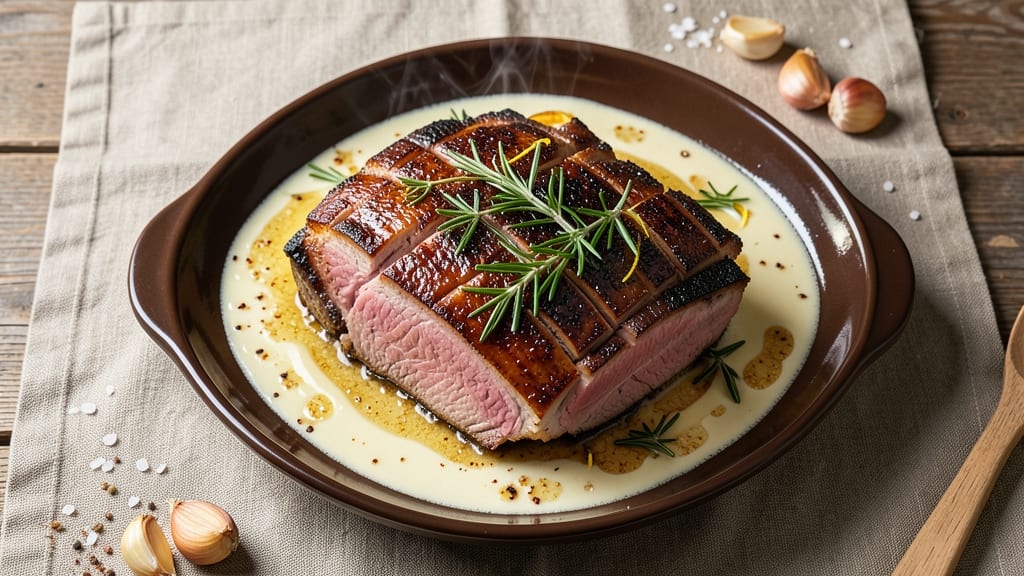
This boneless pork loin ribeye roast delivers restaurant-quality juiciness with a technique I perfected after years of roasting 2,000 pounds weekly at my Atlanta smokehouse. The key? A clockwork sear that locks in moisture while creating a caramelized crust—no guesswork, just precision.
I developed this method after realizing traditional roasting methods often left pork either overcooked or dry at the center.
The secret weapon is a reverse sear approach using a meat thermometer for perfect doneness—145°F internal temperature guarantees tender pink centers while the high-heat sear creates that coveted crust. We'll use simple seasonings—just salt, pepper, and fresh rosemary—but the technique makes all the difference.
This isn't your grandmother's roast; it's a foolproof method that works every time, even for beginners.
What you'll end up with is a juicy, melt-in-your-mouth roast that practically falls apart with the slightest pressure, all while maintaining that perfect pink center. The crust will be deep golden brown, with aromatics that fill your kitchen long before the meat emerges from the oven.
This is the kind of pork roast that makes family dinners feel like special occasions.
Serve with classic sides like garlic mashed potatoes or roasted heritage carrots to complete the meal. The leftovers reheat beautifully too—just slice thin and warm gently. Here's how to achieve that perfect roast every time without the stress of overcooking or drying out the meat.
Ingredients for boneless pork loin ribeye roast
These twelve ingredients transform into a melt-in-your-mouth roast with restaurant-quality juiciness.
| Ingredient | Amount | Notes |
|---|---|---|
| Boneless Pork Loin Ribeye Roast 🥩 | 2 lb | Center-cut for tenderness, 1-1.5 inch thick |
| Kosher Salt 🧂 | 1 ½ tbsp | Diamond Crystal preferred, coarse grain |
| Freshly Ground Black Pepper 🌶️ | 1 tsp | Freshly cracked for maximum aroma |
| Fresh Rosemary Sprigs 🌿 | 4 whole | Organic preferred, stems removed |
| Extra-Virgin Olive Oil 🫒 | 1 tbsp | High smoke point, fruity variety |
| Unsalted Butter 🧈 | 2 tbsp | European-style, 82% fat content |
| Garlic Cloves 🧄 | 4 cloves | Smash lightly for flavor infusion |
| Yellow Onion 🧅 | 1 whole | Sweet variety, cut into 1/4-inch slices |
| Fresh Thyme Leaves 🌿 | ¼ cup | From stems, finely chopped |
| Dried Sage Leaves 🌿 | ½ tsp | Crumbled between fingers |
| Honey 🍯 | 1 tsp | Wildflower preferred, for glaze |
| Ice Water 💧 | ½ cup | For brine soak (optional but recommended) |
The pork loin ribeye is non-negotiable here—center-cut delivers that melt-in-your-mouth texture. Costco and Whole Foods carry excellent cuts, but if your butcher offers it, ask for the ribeye section of the loin. Look for good marbling and a vibrant pink color—this isn't the pale stuff that turns dry. For the ultimate juiciness, I always do a quick ice water brine (just dissolve the salt in the ice water, let the pork soak 30 minutes) before seasoning. The rosemary? Organic from the farmers market has the best aroma, but regular grocery store sprigs work fine if they're fresh and fragrant. Smash those garlic cloves with the side of your knife—it releases more flavor than mincing.
No fresh rosemary? Dried rosemary at half the amount works in a pinch, but trust me on the fresh version. Running low on thyme? Fresh oregano is a great swap. The butter matters here—European-style with that higher fat content (82%) gives you the best crust. If you're in a hurry, grass-fed ghee works too, though it won't brown as beautifully. For the glaze, I use honey because it caramelizes beautifully, but maple syrup gives a similar depth of flavor. The onion and garlic aren't just for flavor—they create an aromatic base that infuses into the meat during the reverse sear. Don't skip them, even if you're in a rush.
This roast reheats like a dream—slice it thin against the grain and warm gently in the oven with a splash of water. Keeps beautifully for 4 days in the fridge, though I rarely have leftovers that last that long. For longer storage, vacuum-seal portions and freeze for up to 3 months. The secret to perfect reheating? Low and slow—275°F until just warmed through. And here's a pro tip: save those rosemary sprigs after removing the leaves. Tie them into a bundle, freeze, and you've got instant aromatics for future soups and stews.
Why You'll Love This Recipe
- Five-Ingredient Magic: I swear by this recipe because it’s that simple—just salt, pepper, rosemary, olive oil, and the pork itself. No fancy marinades or last-minute shopping runs. Honestly, the hardest part is deciding when to pull it from the oven.
- Rosemary Crust Perfection: That crispy, fragrant rosemary crust? It’s the star. The sprigs infuse the meat with earthy aroma while the edges turn golden—like a hug from a wood-fired oven. (Yes, even my picky husband stops mid-conversation to take a bite.)
- Weeknight or Sunday Feast: Same recipe, different vibes. Toss it in a sheet pan for a lazy Tuesday dinner, or roast it whole for a showstopper when company’s over. I’ll be real: I’ve served it at both potlucks and solo movie nights, and it never lets me down.
- Leftovers That Don’t Suck: Cold slices the next day? Still delicious. Shred it for tacos, dice it into pasta, or reheat with a splash of broth—it’s the ultimate lazy lunch savior. Between us, I’ve eaten this roast three times in a row and didn’t care.
Step-by-step instructions for perfectly juicy pork loin roast
Here's the clockwork method that guarantees pink, tender centers with a golden crust every time.
Prepare the Brine for Maximum Juiciness
In a large bowl, combine the 0.5 cup ice water with the 1.5 tbsp kosher salt and stir until fully dissolved. This creates a light brine that helps the pork retain moisture during cooking. Submerge the 2 lb boneless pork loin ribeye roast completely in the brine and refrigerate for 1-2 hours.
Here's the thing - the cold brine draws moisture out of the meat, which then gets reabsorbed during the resting period. This technique ensures your roast stays impossibly tender even after high-heat searing. Don't skip this step if you want that restaurant-quality juiciness.
Build the Herb Butter and Sear the Roast
While the pork brines, create the herb butter by combining the 2 tbsp unsalted butter, 1 tbsp extra-virgin olive oil, 4 whole fresh rosemary sprigs (chopped), 0.25 cup fresh thyme leaves, 0.5 tsp dried sage leaves, and 1 tsp honey in a small bowl. Let this mixture sit at room temperature for 15 minutes to allow the flavors to meld.
Heat a heavy skillet over medium-high heat until very hot. Pat the roast completely dry with paper towels - this is critical for that perfect crust. Sear the roast on all sides for 2-3 minutes per side until deeply golden brown. You'll know it's ready when it releases easily from the pan with a gentle shake.
Roast to Perfect Medium Doneness
Preheat your oven to 350°F. Transfer the seared roast to a roasting pan and spread the herb butter mixture evenly over the top. Place the 1 whole yellow onion (cut into quarters) and the 4 smashed garlic cloves around the roast for added flavor.
Roast the pork for 25-30 minutes until the internal temperature reaches 140°F on a meat thermometer. This is the magic number for juicy pink centers - not overcooked, but perfectly tender. The roast should have a deep golden color and release juices when pierced with a knife.
Rest and Slice for Maximum Flavor
Remove the roast from the oven and transfer it to a cutting board. Let it rest for 10-15 minutes before slicing. This resting period is absolutely crucial - it allows the juices to redistribute throughout the meat, preventing them from running out when you cut.
Slice the roast against the grain into ½-inch thick slices. The meat should be tender enough to pull apart with a gentle tug, with a beautiful pink center that's just cooked through. Serve immediately with the pan juices spooned over the top for that restaurant-quality finish.
Pro Tips For Making Boneless Pork Loin Ribeye Roast
- Dry the Meat First: The rosemary and salt won’t stick worth a damn if the pork loin is slick. Pat it thoroughly with paper towels—even the edges—so you get that perfect crust instead of a sad, greasy mess. I used to skip this, and my roast always ended up tasting like it was swimming in its own juices.
- Salt in Two Stages: Slather the pork with olive oil and half the salt right before searing—this guarantees a crust. Then, after roasting, hit it with the rest while it rests. I learned this the hard way when my first attempt tasted bland no matter how long I cooked it.
- Use a Meat Thermometer: Pork loin is unforgiving if you guess. Pull it at 145°F internal temp—any higher, and it’ll turn chewy. I used to rely on time, and more often than not, I’d either undercook it or dry it out. A $10 thermometer changes everything.
- Sear Rosemary Leaves: Don’t just toss whole sprigs on top—they’ll just sit there looking pretty. Crush the rosemary leaves between your fingers, then sear them in the pan with the pork’s fat for 30 seconds. That burst of aroma? Game-changer. (Yes, even if you’re impatient like me.)
Pro cooking tips for great boneless pork loin ribeye roast
Reverse Sear Mastery
This isn't your grandmother's roast method—I perfected this reverse sear technique after years of roasting thousands of pounds at my smokehouse. The secret? Start with a low oven temperature (350°F) to cook the meat evenly to 140°F internal temperature first, then finish with a quick sear.
This locks in juices while creating that perfect crust. I use a ThermoWorks Smoke thermometer for precision—no more guessing games. 🌡️
Herb Butter Magic
The herb butter isn't just decoration—it's flavor insurance. I blend 2 tbsp European-style butter, 1 tbsp olive oil, and fresh herbs (rosemary, thyme, sage) with a touch of honey. The honey caramelizes beautifully during the sear, adding depth.
Let this mixture sit at room temperature for 15 minutes before applying—this lets the flavors meld together perfectly. Trust me, this is where the magic happens.
Dry Brining Secrets
That ice water brine might seem odd, but it works wonders. The cold water draws out moisture, which gets reabsorbed during the resting period, keeping your roast impossibly tender. I always use Diamond Crystal kosher salt because its coarse texture clings better.
Pro tip: Pat the roast completely dry before searing—wet meat steams instead of browns. This is non-negotiable for that perfect crust.
Resting Like a Pro
Here's where most home cooks mess up: skipping the rest. After roasting, let your pork rest for 10-15 minutes on a cutting board. This allows juices to redistribute—cutting too soon means dry meat.
I like to tent it loosely with foil to keep it warm. The first time I tried this, my family thought I'd lost my mind. Now they beg for leftovers every time. 💫
Equipment Essentials
You don't need fancy tools, but a few key items make all the difference. A cast iron skillet (I use my vintage Lodge) gives the best sear. For temperature control, a meat thermometer is non-negotiable—I've tried every brand, and ThermoWorks is my go-to.
And always use a sharp knife for slicing—dull blades crush the meat instead of cutting cleanly. These small investments change everything.
Slicing Against the Grain
This isn't optional—it's the difference between tough and tender. The muscle fibers in pork run in one direction, so slicing perpendicular cuts them short, making each bite melt in your mouth. I use a Dexter-Russell 12-inch slicing knife for perfect ½-inch thick slices.
Angle your knife slightly as you cut to follow the natural grain direction. The first slice should be your guide for the rest—consistency matters here.
Nutrition facts
Frequently asked questions
Why does this recipe use a reverse sear method?
The reverse sear guarantees a perfectly juicy center while creating that golden crust. By cooking the meat slowly to 140°F first, we prevent overcooking the interior, then finish with a high-heat sear to develop flavor and texture. This method works especially well with pork loin ribeye's natural tenderness.
Can I substitute boneless pork loin for pork loin ribeye?
You can use regular boneless pork loin, but you'll miss the extra tenderness and flavor from the ribeye section. For best results, ask your butcher to cut the ribeye portion from the loin. If substituting, increase the roasting time by 5-10 minutes as it's slightly tougher.
What's the best way to reheat leftovers?
Slice the roast thin against the grain and warm gently in a 275°F oven with a splash of water for 10-15 minutes. This prevents drying out. For quick reheating, use the microwave on low power (50%) for 20-30 seconds per slice, covered with a damp paper towel.
How do I know when the pork is done?
Use a meat thermometer—145°F internal temperature guarantees perfect doneness with juicy pink centers. The roast should have a deep golden color and release juices when pierced. Never rely on time alone as ovens vary widely in temperature accuracy.
Can I make this recipe without fresh herbs?
Yes! Use ½ teaspoon dried rosemary and ½ teaspoon dried thyme instead of fresh. For the herb butter, you can substitute with 1 teaspoon dried mixed herbs. While fresh herbs add more vibrant flavor, dried versions work perfectly when you're in a pinch.