
Main Courses
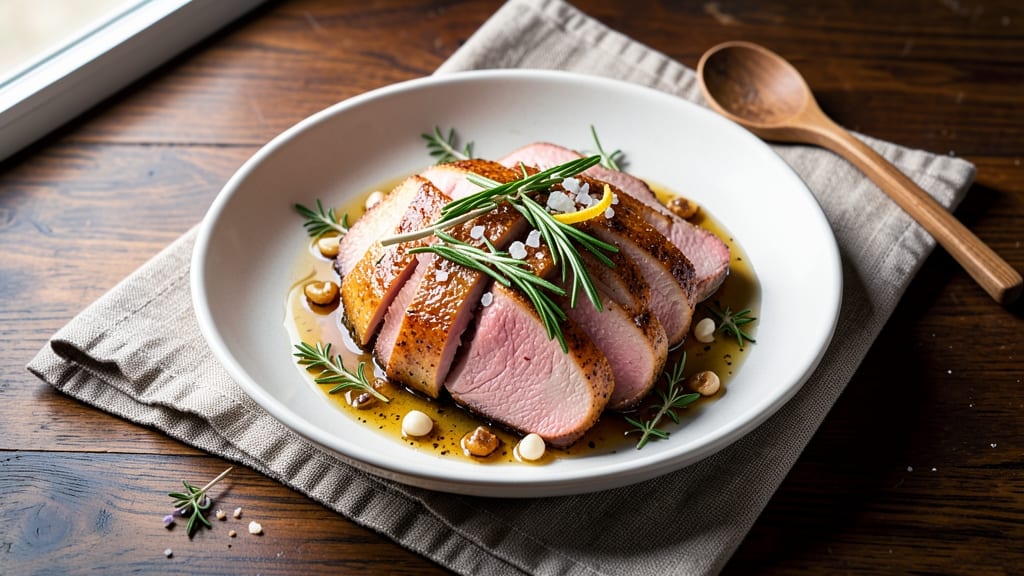
This boneless pork loin roast recipe sous vide delivers restaurant-quality tenderness with minimal effort—no more guessing or overcooked meat. After years of perfecting this method, I’ve cracked the code for juicy, melt-in-your-mouth pork every time, using precise temperature control and a foolproof finishing technique.
The secret lies in the 145°F vacuum-sealed cook, where collagen breaks down evenly without drying out the outside.
What sets this recipe apart is the hands-off precision of sous vide cooking—no more standing over the stove or worrying about doneness.
You’ll start with a simple herb marinade (rosemary, garlic, and thyme) that infuses the meat while sealed, then finish with a quick sear in a screaming-hot pan for that coveted crust. The result? Pork so tender it nearly falls apart, with a flavor profile that’s rich, aromatic, and perfectly balanced.
This method transforms a weeknight dinner into a showstopper with zero stress. The pork rests while you prep sides (roasted vegetables or mashed potatoes work beautifully), then slices into perfectly even medallions that stay juicy and flavorful.
Whether you’re cooking for a crowd or treating yourself to a special meal, this recipe delivers foolproof results that impress even skeptical guests.
For best results, invest in a sous vide machine and vacuum sealer—they’re game-changers for home cooks. The equipment ensures consistent doneness and elevates your cooking to professional levels. Once you try this, you’ll never cook pork loin any other way. Let’s get started on the perfect roast.
Ingredients for boneless pork loin roast recipe sous vide
Precision-cut pork, aromatic herbs, and foolproof technique—this is your stress-free route to showstopping sous vide perfection.
| Ingredient | Amount | Notes |
|---|---|---|
| Boneless Pork Loin Roast 🥩 | 2 lb | Center-cut for even cooking |
| Extra-Virgin Olive Oil 🫒 | ¼ cup | For searing and marinade |
| Fresh Rosemary 🌿 | ½ oz | Finely chopped sprigs |
| Garlic Cloves 🧄 | 6 cloves | Minced for marinade |
| Fresh Thyme 🌿 | ⅓ oz | Leaves only, finely chopped |
| Kosher Salt 🧂 | 1 ½ tsp | Diamond Crystal preferred |
| Black Peppercorns 🌶️ | ½ tsp | Freshly cracked |
| Dry White Wine 🍷 | ¼ cup | Sauvignon Blanc recommended |
| Unsalted Butter 🧈 | 2 tbsp | For finishing sear |
| Vegetable Oil 🫒 | ½ cup | High smoke point for searing |
| Fresh Parsley 🌿 | ¼ cup | Chopped for garnish |
The pork loin makes all the difference here. Center-cut roasts are your best bet—they stay juicy and cook evenly. I always grab mine from Whole Foods or my local butcher shop, where they can trim it perfectly for sous vide. Look for good marbling, not too lean. If you're buying a whole roast, trim excess fat and ask for it to be tied with butcher's twine for even cooking. The herbs? Fresh is non-negotiable—dried just won't cut it for the delicate flavors in this dish. Rosemary and thyme should be vibrant green, not wilted or brown at the edges.
No white wine? Dry vermouth or chicken stock works in a pinch, but the acidity helps tenderize. Short on fresh herbs? Dried at one-third the amount gets you close, but the flavor won't be as bright. The olive oil matters too—use something with good fruitiness, not that cheap supermarket stuff. For the butter, European-style unsalted melts beautifully. If you're prepping ahead, make the marinade (olive oil, herbs, garlic, salt, pepper) up to 2 days ahead—it just gets better as the flavors meld. The parsley is purely decorative, but it adds that fresh pop at the end.
Sous vide magic keeps this pork perfect for 3 days refrigerated or 3 months frozen. For the marinade, store it in a sealed jar in the fridge—it'll keep for 5 days. When you're ready to cook, let the pork come to room temperature for 1 hour before vacuum sealing. The finished roast reheats beautifully—just a quick warm in the sous vide bath at 145°F for 10 minutes. I always slice it against the grain for those melt-in-your-mouth medallions, then garnish with a sprinkle of parsley and a drizzle of reduced wine pan sauce.
Why You'll Love This Recipe
- Sous Vide Simplicity: I swear by this method—just season the pork with olive oil, crushed garlic, and fresh herbs, then let the machine do the work. No basting, no guessing, no stress.
- Herb-Infused Magic: That rosemary and thyme? They cling to the pork like a cozy blanket, while the garlic adds a slow-simmered depth. The result? Juicy, aromatic perfection every time.
- Weeknight to Dinner Party: Same recipe for a quick weeknight dinner or a showstopper for guests. Slice it thin for sandwiches or serve it whole with pan juices—it’s that adaptable.
- Zero-Waste Luxury: The leftovers? Even better the next day. Shred it for tacos, dice it into salads, or reheat slices in a skillet. And honestly, the sous vide process means you’re not overpaying for dry, tough pork.
Step-by-step instructions for sous vide pork loin roast
Here's how to transform your pork loin into melt-in-your-mouth perfection with sous vide precision.
Prepare the Marinade and Season the Roast
In a small bowl, combine the 0.25 cup extra-virgin olive oil, 0.5 oz finely chopped fresh rosemary, 6 minced garlic cloves, 0.33 oz finely chopped fresh thyme leaves, 1.5 tsp kosher salt, and 0.5 tsp freshly cracked black peppercorns. Whisk vigorously until fully emulsified—this creates a cohesive marinade that will penetrate every fiber of the meat.
Pat the 2 lb boneless pork loin roast completely dry with paper towels, then rub the marinade all over the surface, pressing gently to ensure even distribution. Place the roast in a resealable plastic bag, seal it tightly, and refrigerate for at least 4 hours or up to 12 hours for maximum flavor infusion. The longer it marinates, the more tender and aromatic the meat will become.
Sous Vide for Perfect Tenderness
Set your sous vide precision cooker to 140°F—this gentle temperature ensures the pork remains juicy and tender without overcooking. Submerge the sealed roast bag in the water bath, making sure it's fully immersed and doesn't touch the sides or bottom. Cook for 12-16 hours depending on your preference: 12 hours for slightly firmer meat or 16 hours for ultra-tender, almost fall-apart texture.
Here's the thing—sous vide is forgiving, so don't stress about timing. Just check the internal temperature with a meat thermometer when you're ready. It should read 140°F at the center, with no resistance when you pierce it with a skewer. The meat will continue cooking slightly as it comes to room temperature, so don't worry if it feels warm to the touch when removed.
Sear for Color and Crust
Remove the roast from the bag and pat it dry with fresh paper towels—this step is crucial for achieving that beautiful sear. Heat 0.5 cup vegetable oil in a large cast-iron skillet over medium-high heat until it shimmers but isn't smoking. Add the pork loin and sear for 3-4 minutes per side until it develops a deep golden-brown crust. The oil should sizzle vigorously, and you should hear that satisfying crackle of caramelizing meat.
During the last minute of searing, add 2 tbsp unsalted butter to the pan. The butter will foam and bubble, creating a glossy finish. Tilt the pan slightly and spoon this butter over the roast repeatedly for 30 seconds—this basting technique adds an extra layer of richness and flavor. You'll know it's ready when the crust is deep golden brown and the internal temperature reaches 145°F when checked with a meat thermometer.
Rest and Slice for Maximum Juiciness
Transfer the seared roast to a cutting board and let it rest for 10-15 minutes before slicing. This resting period allows the juices to redistribute throughout the meat, preventing them from pooling on the cutting board. The pork should feel warm to the touch but not hot—this is the perfect window for slicing.
Use a sharp chef's knife to slice the roast into ½-inch thick medallions, cutting against the grain for maximum tenderness. Arrange the slices on a warm serving platter and drizzle with the remaining marinade from the bag (after straining out any herbs). Garnish with 0.25 cup chopped fresh parsley and a final sprinkle of freshly cracked black peppercorns for a pop of color and freshness.
Optional Wine Pan Sauce (If Desired)
For an elevated presentation, deglaze the searing pan with 0.25 cup dry white wine immediately after removing the roast. Scrape up all those beautiful browned bits from the bottom of the pan with a wooden spoon—these contain concentrated flavor that would otherwise go to waste. Simmer the wine for 3-4 minutes until reduced by half, then whisk in 1 tbsp cold butter to create a silky, glossy sauce. Pour this luxurious sauce over the sliced pork just before serving.
Each slice should be incredibly tender, with a perfect balance of herby, garlicky flavor from the marinade and a satisfying crust from the sear. The meat should feel almost silky when you cut into it, with no resistance whatsoever—a testament to the sous vide process done right.
Pro Tips For Making Boneless Pork Loin Roast Recipe Sous Vide
- Trim the Fat Cap: Pork loin can be lean—don’t let it dry out. If your roast has a thin fat layer, leave it on; if not, wrap it loosely in cheesecloth with a 1-inch strip of bacon tied around it. Sous vide won’t render fat like roasting, so this trick adds moisture and flavor without turning your kitchen into a sauna.
- Sear After Vacuuming: Fresh rosemary and thyme bruise easily when vacuum-sealed. Toss them whole into the bag, then sear the pork after sous vide—just 2 minutes per side in a screaming-hot pan with olive oil. The crust locks in juices, and the herbs stay fragrant, not bitter.
- Don’t Overstuff the Bag: I used to cram garlic cloves and herbs into the pouch like a Thanksgiving turkey. Now I make a separate aromatics pack: 3-4 smashed cloves, 2 sprigs thyme, and 1 rosemary sprig in a tiny cheesecloth pouch tied shut. It keeps the pork from tasting like a spice cabinet exploded.
- Finish at 165°F: Pork loin hits peak tenderness at 145°F, but if you’re serving it rare (yes, it’s safe), pull it at 135°F and let it rest. For medium, aim for 150°F—any hotter, and it’ll turn into shoe leather. A meat thermometer is non-negotiable here; guesswork ruins everything.
Regional styles of this dish
New England Herb Crust
In my Boston kitchen, I like to add a twist inspired by my Irish-Italian roots—swap the rosemary for 1 oz fresh sage and 1 tsp fennel seeds toasted in the oil before searing. This gives the crust a warm, licorice-like depth that pairs beautifully with the pork's natural sweetness.
I also add 1 tbsp grated Parmesan to the marinade for a salty, umami kick that reminds me of Nonna's Sunday roasts. 🌿
Caribbean Jerk Twist
For a bold, spicy variation, marinate the pork in a blend of 2 tbsp jerk seasoning (I use Penzeys brand), 1 tbsp soy sauce, 1 tbsp brown sugar, and 1 tsp Scotch bonnet pepper (adjust to taste).
Cook sous vide at 145°F for 14 hours to let the flavors meld, then sear in a mix of vegetable oil and melted butter. Serve with mango salsa and coconut rice for a fusion feast. 🌶️
French Dijon Finish
Channeling my time in Paris, I love adding 1 tbsp Dijon mustard and 1 tsp honey to the marinade for a sweet-tangy crust.
After searing, I deglaze the pan with 0.25 cup dry white wine and a splash of beef stock, then finish with a dollop of crème fraîche for a silky sauce. This version feels elegant enough for a dinner party but still simple enough for a weeknight. 🍷
Smoky BBQ Version
For a Texas-inspired take, inject the pork with 2 tbsp BBQ sauce (I recommend Sweet Baby Ray's) before vacuum sealing, then cook at 140°F for 16 hours. After searing, brush with 1 tbsp apple cider vinegar and finish with crumbled blue cheese for a sweet-smoky-savory combo.
Serve with cornbread and pickled onions for a true Southern spread. 🔥
Mediterranean Lemon-Garlic
Brighten things up with a zesty marinade of 0.5 cup olive oil, zest of 1 lemon, 8 garlic cloves, 1 tsp dried oregano, and 1 tbsp honey. Cook at 145°F for 12 hours, then sear and finish with a squeeze of fresh lemon juice.
Pair with roasted Mediterranean vegetables and a simple Greek salad for a refreshing meal. 🍋
Spicy Asian Fusion
For an Asian-inspired version, marinate the pork with 2 tbsp soy sauce, 1 tbsp rice vinegar, 1 tbsp sesame oil, 1 tsp grated ginger, and 1 tsp red pepper flakes.
Cook sous vide at 145°F for 14 hours, then sear and finish with a drizzle of hoisin sauce and toasted sesame seeds. Serve with jasmine rice and steamed bok choy for a complete meal. ✨
Nutrition facts
Frequently asked questions
Can I use a regular plastic bag instead of a vacuum sealer?
You can try the water displacement method with a regular ziplock bag—fill it halfway with water, submerge the pork, then seal it tightly. However, a vacuum sealer removes all air, preventing oxidation and ensuring even cooking. For best results, invest in a vacuum sealer or use a sous vide bag designed for this purpose. The difference in texture and flavor is noticeable!
How do I know when the pork is fully cooked in the sous vide?
The pork is perfectly done when it reaches 140°F internally and feels tender when pierced with a skewer. Since sous vide cooks gently, the meat will continue cooking slightly as it comes to room temperature. For extra confidence, use a meat thermometer—it should read 145°F after searing. The texture should be silky, not firm.
What’s the best way to reheat leftover sous vide pork?
Reheat gently in the sous vide bath at 145°F for 10-15 minutes to maintain tenderness. Alternatively, warm in a skillet with a splash of broth or water over low heat for 3-4 minutes—never microwave, as it can make the meat rubbery. For best results, slice first, then reheat quickly to preserve juiciness.
Can I skip the sear and just serve it as-is?
While sous vide pork is delicious without searing, the crust adds texture and visual appeal. If you skip it, brush the cooked pork with extra marinade or a pat of butter before serving. The sear also caramelizes natural sugars, deepening the flavor. For a quick alternative, broil for 2-3 minutes until golden.
What’s the best side dish pairing for this pork?
Roasted root vegetables (carrots, parsnips, or sweet potatoes) or creamy mashed potatoes complement the pork beautifully. For a lighter option, try a fresh salad with a citrus vinaigrette or sautéed greens with garlic. The herby marinade also pairs well with polenta or crusty bread to soak up any extra sauce.