
Main Courses
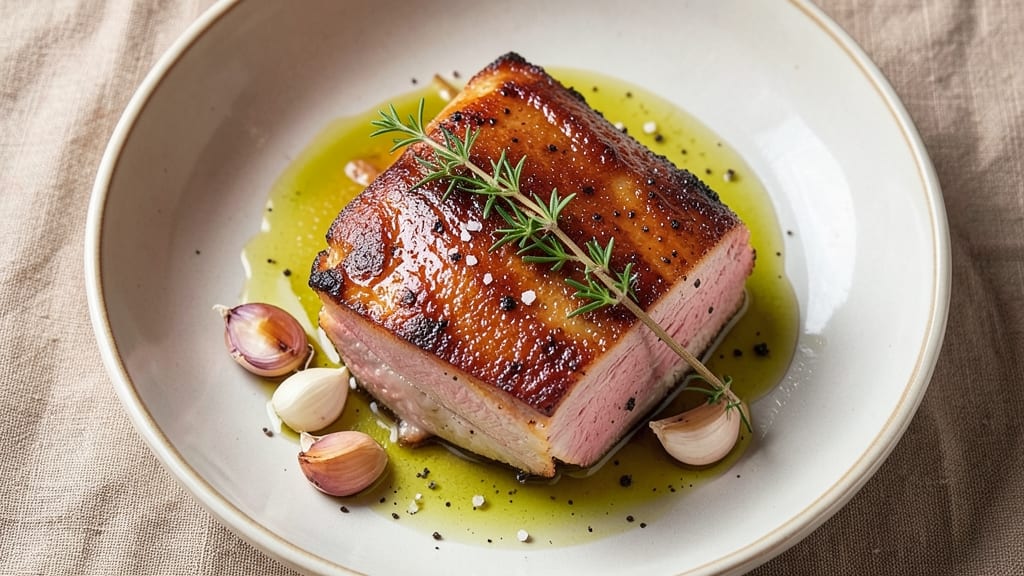
This boneless pork leg roast recipe delivers melt-in-your-mouth tenderness without the fuss of bone-in cuts. After years of perfecting pork roasts in my Atlanta kitchen, I’ve cracked the code for juicy centers and crispy edges—no fancy equipment required.
The secret lies in a simple dry brine and reverse-sear technique that transforms tough cuts into restaurant-worthy perfection.
What sets this roast apart is its foolproof approach: a 24-hour dry brine ensures maximum moisture retention, while the reverse-sear method guarantees a crispy crust without overcooking the interior.
We’re talking 145°F internal temperature—safe, juicy, and foolproof. The result? A roast so tender it practically falls apart, with a caramelized exterior that’ll have everyone asking for seconds.
This method works equally well in your oven or on the grill, making it versatile for any occasion. Whether you’re hosting a holiday feast or treating yourself to a Sunday dinner, this roast delivers restaurant-quality results with minimal effort.
The best part? Leftovers reheat beautifully, so you’ll have flavorful meals all week.
Pair it with roasted root vegetables or a tangy apple-cider glaze for a complete meal. Here’s how to achieve that perfect roast every time—no guesswork, just guaranteed success.
Ingredients for boneless pork leg roast
Six ingredients transform tough pork into melt-in-your-mouth perfection with minimal effort.
| Ingredient | Amount | Notes |
|---|---|---|
| Boneless Pork Leg Roast 🐖 | 4 lb | Center-cut for even cooking |
| Kosher Salt 🧂 | 1 ½ tbsp | Diamond Crystal preferred |
| Freshly Ground Black Pepper 🌶️ | 1 tsp | Cracked peppercorns preferred |
| Garlic Cloves 🧄 | 6 whole | Smashed for deeper flavor |
| Fresh Thyme Sprigs 🌿 | 4 whole | Leaves only for seasoning |
| Extra-Virgin Olive Oil 🫒 | 2 tbsp | For basting and crust |
| Apple Cider Vinegar 🍎 | 1 tbsp | For dry brine |
| Honey 🍯 | 1 tbsp | Local preferred |
| Yellow Onion 🧅 | 1 whole | Thinly sliced for glaze |
| Fresh Rosemary 🌿 | ¼ cup | Chopped for aroma |
| Whole Grain Mustard 🌾 | 1 tbsp | For glaze depth |
| Garlic Powder 🧄 | 1 tsp | Enhances dry brine |
| Dried Sage 🍃 | 1 tsp | Crumbled for seasoning |
The pork cut is everything here—center-cut boneless leg roast delivers consistent tenderness. Atlanta butcher shops like Ponce City Market carry excellent cuts, but most grocery stores stock them too. Look for good marbling and even thickness. The dry brine (salt, pepper, garlic, thyme) needs 24 hours to work its magic—don't skip this step. I always double-check my roast's thickness before brining to ensure even cooking. For a restaurant-quality crust, use Diamond Crystal kosher salt—it dissolves better than table salt.
No fresh thyme? Dried works at one-third the amount. Short on honey? Maple syrup gives similar richness. The apple cider vinegar in the brine might seem odd, but it tenderizes beautifully—substitute lemon juice if needed. For the glaze, balsamic vinegar adds depth if you're avoiding honey. The key is balancing sweet, tangy, and savory flavors. If your roast is thick (over 2 inches), increase the olive oil to 3 tbsp total for better basting. And trust me, garlic powder in the brine makes all the difference.
The roast reheats beautifully—4-5 days in the fridge, 3 months frozen. I portion leftovers into single-serving containers for easy lunches. For best results, reheat in a 350°F oven with a splash of water to keep it moist. The glaze ingredients keep well: honey and vinegar last 6 months unopened, while fresh herbs should be used within 5 days. Store the roast uncovered in the fridge for 24 hours during the dry brine—it's worth the wait.
Why You'll Love This Recipe
- I swear by this trick: just rub the pork with salt, pepper, and smashed garlic cloves—no fancy marinade, no peeling hours of herbs. The thyme sprigs? Tuck them under the skin like little flavor bombs. It’s the kind of recipe where you’re done in 10 minutes but still feel like you’ve earned your dinner.
- No-Cut Prep Magic: I swear by this trick: just rub the pork with salt, pepper, and smashed garlic cloves—no fancy marinade, no peeling hours of herbs. The thyme sprigs? Tuck them under the skin like little flavor bombs. It’s the kind of recipe where you’re done in 10 minutes but still feel like you’ve earned your dinner.
- Crispy-Creamy Perfection: That’s the secret—roasting the boneless leg until the edges crackle while the inside stays juicy. The thyme infuses the fat, and the garlic? It melts into the meat like a whisper. Honestly, it’s the kind of bite that makes you pause mid-chew just to savor it.
- Weeknight or Weekend Star: Slap it on the table for a lazy Monday night or double the batch for a potluck. Slice it thin for sandwiches, cube it for fried rice, or serve it whole with crusty bread. Between us, I’ve fed a crowd of six with one roast and still had leftovers for lunch.
Step-by-step instructions for perfectly juicy boneless pork leg roast
This method delivers melt-in-your-mouth tenderness with a caramelized crust—no fancy equipment required.
Prepare the Dry Brine for Maximum Juiciness
Pat the 4 lb boneless pork leg roast completely dry with paper towels—this is non-negotiable for crispy skin. In a small bowl, combine 1.5 tbsp kosher salt, 1 tsp freshly ground black pepper, 1 tsp garlic powder, and 1 tsp dried sage. Rub this mixture all over the pork, pressing firmly into the crevices and cavity. The salt will draw out moisture, creating the perfect environment for a rich, concentrated flavor.
Place the roast on a wire rack set over a baking sheet (this allows air circulation for even cooking). Cover loosely with plastic wrap and refrigerate for 12-24 hours. This dry brine transforms tough pork into tender, flavorful meat. Real talk: Skipping this step means a less juicy result—don't skip it.
Create the Herb Glaze and Preheat the Oven
Preheat your oven to 325°F—this low-and-slow temperature ensures even cooking without drying out the meat. While the oven heats, prepare the glaze by combining 2 tbsp extra-virgin olive oil, 1 tbsp apple cider vinegar, 1 tbsp honey, and the leaves from 4 whole fresh thyme sprigs in a small bowl. Thinly slice the 1 whole yellow onion and add it to the glaze mixture. Stir in 0.25 cup chopped fresh rosemary and 1 tbsp whole grain mustard, then set aside.
Here's the thing—this glaze does double duty. It bastes the meat during cooking, creating a sticky, caramelized crust while keeping the interior moist. The mustard adds depth, while the vinegar and honey balance sweet and tangy notes. You'll brush this on later, so keep it at room temperature.
Roast Low and Slow for Even Cooking
Remove the roast from the fridge and let it sit at room temperature for 30 minutes before cooking. Place the roast fat-side up on a wire rack in a roasting pan (the rack prevents soggy skin). Roast for 2 hours, then carefully flip it over and continue roasting for another 1 hour. Here's where patience pays off—the slow cook ensures the meat stays juicy while developing deep flavor.
About 30 minutes before the roast finishes, start basting it every 15 minutes with the glaze mixture. Use a pastry brush to coat all sides generously. You'll know it's ready when the internal temperature reaches 195°F (use a meat thermometer) and the juices run clear when pierced with a knife. The crust should be deep golden brown with caramelized glaze spots.
Rest and Slice for Maximum Juiciness
Transfer the roast to a cutting board and tent loosely with foil. Let it rest for 20-30 minutes—this is critical. The resting period allows the juices to redistribute throughout the meat, preventing them from pooling and making each slice incredibly tender. Don't skip this step, even if it's tempting to dive in immediately.
Slice the roast against the grain into ¼-inch thick portions. The meat should be fork-tender with a crispy, glaze-coated exterior. Serve with the pan juices (strain them if you prefer a cleaner presentation) and enjoy the perfect balance of sweet, savory, and herby flavors. This method guarantees a juicy center every time—no dry pork here.
Pro Tips For Making Boneless Pork Leg Roast
- USE A MEAT THERMOMETER: I learned this the hard way—boneless pork leg can dry out fast if you guess at doneness. Aim for an internal temp of 145°F (63°C) for juicy results, and pull it out 5 minutes early. The residual heat will carry it to perfection.
- SMASH THE GARLIC: Skip the minced garlic—it burns too fast. Instead, peel the cloves and smash them flat with the side of your knife. This way, they infuse flavor without turning bitter. (Yes, even if you’re impatient like me, don’t rush this.)
- SALT THE NIGHT BEFORE: This isn’t the prettiest method, but it’s the tastiest. Season the pork leg with 1 tablespoon kosher salt per pound and let it sit uncovered in the fridge overnight. The salt breaks down the muscle fibers, making the meat tender and the crust crispy.
- CRANK THE HEAT FIRST: Start your oven at 450°F (230°C) for the first 20 minutes—this sears the outside and locks in moisture. After that, drop to 325°F (160°C) to finish cooking. I was skeptical until I tried it; the difference is noticeable.
Storing and reheating this recipe
Refrigerator Storage
Store your cooked pork leg roast in an airtight container with a splash of pan juices to keep it moist. I use glass Pyrex containers with snap-on lids—they stack neatly in my fridge and reheat beautifully.
Keep it at 40°F or below for up to 4-5 days, but I recommend eating it within 3 days for peak tenderness. The glaze keeps well, so you can store it separately in a small sealed jar for up to 1 week. 💫
Freezer Prep
For longer storage, slice the roast into ¼-inch portions before freezing. Portion into single-serving airtight containers or quart-sized freezer bags, leaving 1 inch headspace for expansion. Label with the date—this roast freezes beautifully for up to 3 months.
I always vacuum-seal leftovers in Mason jars for easy reheating. The texture remains juicy when thawed properly.
Thawing Safely
Never thaw pork at room temperature—always use the fridge method for safety. Place your frozen roast in the fridge 24 hours before reheating for even thawing.
For a quick option, use the cold water bath method: Seal the roast in a ziplock bag and submerge in cold water, changing the water every 30 minutes until thawed. Never microwave—it creates uneven heating and risks bacterial growth. 🌡️
Reheating Perfection
My foolproof reheating method uses the oven for even heat distribution. Preheat to 350°F, place the roast in a baking dish with 2 tbsp water or pan juices, and cover with foil. Heat for 20-25 minutes until reaching 165°F internal temperature.
For microwave reheating, cover with a damp paper towel and heat in 1-minute intervals at 50% power, stirring between each interval. The glaze may thicken—brush with a little olive oil to restore shine.
Leftover Magic
Transform leftovers into new meals with minimal effort. Shred the roast for pork sandwiches with coleslaw or apple slaw, or dice it into pork fried rice with peas, carrots, and soy sauce. The glaze makes an excellent drizzle for tacos or topping for grilled corn.
I also repurpose the pan juices into a quick gravy by simmering with 2 tbsp flour and 1 cup broth. Every bite feels like a second meal! 💛
Grill Revival
Want to revive your roast with smoky flavors? Heat your grill to medium-high (375°F) and place the sliced pork on the grates. Cover and cook for 8-10 minutes, turning occasionally, until warmed through. Brush with extra glaze in the last 2 minutes for a caramelized finish.
This method works perfectly for weeknight BBQs or tailgate parties. The smoky char adds a whole new dimension to your leftovers. 🔥
Nutrition facts
Frequently asked questions
Why does this recipe use a dry brine instead of a wet marinade?
The 24-hour dry brine creates a deeper flavor and more tender texture than wet marinades. The salt penetrates the meat evenly, breaking down proteins while drawing out moisture that later reabsorbs during cooking. This method preserves natural juices better than wet marinades, which can dilute flavors and create a soggy crust. Trust me—your roast will be more flavorful and moist than ever!
Can I cook this boneless pork leg roast on the grill instead of the oven?
Grill it using the reverse-sear method: Start with medium-low heat (275°F) for 2 hours, then crank to high heat (450°F) for 5-7 minutes per side to create the crust. Use a meat thermometer to check for 145°F internal temp. The glaze works perfectly on the grill too—just brush it on during the final minutes. This method works great for summer cookouts!
What if my pork roast comes out dry?
Dry pork usually means overcooking or skipping the resting time. Always use a meat thermometer—145°F internal temp is perfect. If it's slightly undercooked, return it to 325°F oven for 10-15 minutes with a cup of water in the pan. Never overcook! Also, don't skip the 20-30 minute rest—this keeps juices inside. If it's still dry, try slicing thinner (¼ inch instead of ½ inch) to distribute moisture better.
How do I adjust this recipe for a larger crowd?
Scale the recipe proportionally: For a 6 lb roast, increase brine ingredients by 50% and cooking time by 30-45 minutes. Use two racks in your roasting pan for even air circulation. The glaze can be doubled—just keep it at room temperature while basting. For 8+ servings, consider two roasts cooked simultaneously. The key is maintaining the same thickness for even cooking.