
Sauces & Condiments
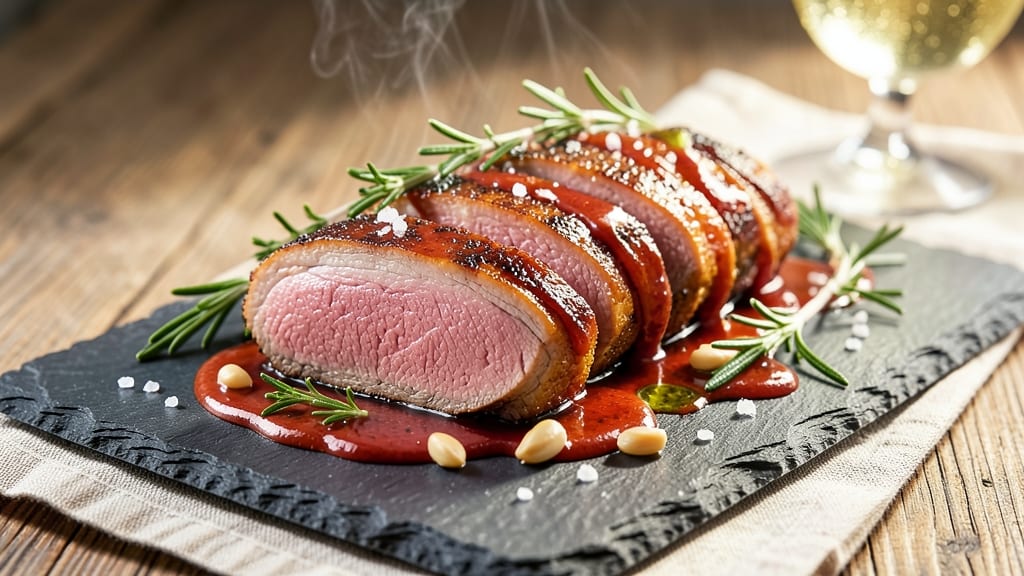
This herb-infused boneless pork loin marinade transforms tough cuts into melt-in-your-mouth perfection—whether you're grilling, roasting, or pan-searing. 🔥 After years of perfecting pork at The Smoky Pig, I've developed a marinade that tenderizes while infusing bold, savory flavors that stand up to high heat.
The secret lies in the balance of acid, oil, and aromatic herbs that penetrate deep into the meat. What makes this marinade different is its dual-purpose approach: the acidity breaks down muscle fibers for tenderness, while the olive oil and herbs create a flavorful crust when cooked.
I use fresh rosemary and thyme for earthy depth, garlic for punch, and a touch of Dijon mustard to add complexity. The marinade works best when applied 4 to 12 hours before cooking, giving the pork time to absorb all those flavorful elements.
By the time you pull that pork loin from the grill or oven, you'll have juicy, tender meat with a golden-brown crust and layers of herbaceous, garlicky flavor. The marinade doesn't just flavor—it transforms the texture, ensuring every bite is moist and full of character.
This is the kind of marinade that makes pork the star of your meal. Use it for grilled pork chops, roasted loin, or even pork tenderloin. The versatility is what makes it a staple in my kitchen—whether I'm feeding a crowd or cooking for two.
Let's get started on creating pork that'll impress even the most discerning eaters.
Ingredients for boneless pork loin marinade
Nine simple ingredients blend into a marinade that tenderizes and transforms pork into melt-in-your-mouth perfection.
| Ingredient | Amount | Notes |
|---|---|---|
| Extra-Virgin Olive Oil 🫒 | ½ cup | High quality, fruity |
| Fresh Rosemary 🌿 | ¼ cup | Finely chopped, fresh preferred |
| Fresh Thyme Leaves 🌿 | ¼ cup | Fresh or 1 tbsp dried |
| Garlic Cloves 🧄 | 6 cloves | Minced or finely chopped |
| Dijon Mustard 🍯 | 1 tbsp | High-quality for flavor |
| Red Wine Vinegar 🍷 | ¼ cup | Bold, dry variety |
| Honey 🍯 | 2 tbsp | For subtle sweetness |
| Salt 🧂 | 1 ½ tsp | Kosher or sea salt |
| Black Peppercorns 🌶️ | 1 tsp | Freshly ground preferred |
The olive oil and vinegar form the base of this marinade, but the herbs are what make it special. Fresh rosemary and thyme from the grocery store's produce section (look for vibrant green stems) give it that earthy, aromatic punch. If you're at Whole Foods or a farmers market, grab organic herbs—they hold up better. The garlic? Six cloves is ideal, but don't stress if you only have five or seven. The Dijon mustard adds depth, so Maille or a similar high-quality brand is worth it if you're splurging, but regular grocery store Dijon works too. Store your herbs in the fridge, wrapped in damp paper towels, to keep them fresh longer.
No fresh rosemary? Dried works at one-third the amount—just crush it between your fingers to release the oils. Short on red wine vinegar? Apple cider vinegar or balsamic will do in a pinch, though the flavor will shift slightly. The honey can be swapped for maple syrup or agave if you're avoiding it, but I like the floral notes it adds. Want more heat? Add a pinch of red pepper flakes. The salt and pepper are non-negotiable—they balance the acidity and enhance all the other flavors. If you're using this marinade for pork tenderloin, which is leaner, you might want to add an extra tablespoon of olive oil to keep it moist during cooking.
This marinade keeps in the fridge for up to 5 days in an airtight container, though it's best used within 3 days for maximum flavor. If you're prepping ahead, store the herbs separately until ready to mix. The marinade works best when applied 4 to 12 hours before cooking—longer for thicker cuts like pork loin, shorter for tenderloin. After marinating, pat the pork dry before cooking to get that perfect golden-brown crust. Leftovers? Use them within 2 days or freeze for up to 3 months. I always double the batch—extra marinade means extra flavor for future meals.
Why You'll Love This Recipe
- I’ll be real: the first time I made this, I marinated extra pork and roasted it all at once. Turns out, those leftovers reheat like a dream—juicy, flavorful, and zero sad desk lunches. Plus, the Dijon mustard keeps it tasting fresh, not dry or bland. Budget win, flavor win.
- Fridge-to-Table Magic: This marinade uses stuff you already have—no special shopping trip needed. I swear by the combo of rosemary and thyme; it’s like a fragrant hug for your pork, and the Dijon mustard gives it that little tang that makes it unforgettable.
- No Fuss, Big Payoff: Honestly, I’ve made this marinade while my coffee brewed—just whisk, pour, and let it work its magic. The garlic and olive oil do most of the heavy lifting, so you’re not stuck chopping for hours. That crispy, caramelized crust? Minimal effort, maximum reward.
- Weeknight or Weekend Hero: Between us, this marinade is my go-to for both lazy Tuesdays and Sunday dinners. Toss it on pork chops for a quick weeknight meal, or let it sit overnight for a showstopping centerpiece. The thyme leaves add a fresh brightness that cuts through richer dishes like a dream.
Step-by-step instructions for herb-infused pork loin marinade
This marinade transforms tough pork loin into melt-in-your-mouth perfection—simple steps, big flavor.
👨🍳 Step 1: Combine Wet Ingredients for the Base
In a medium bowl, whisk together the 0.5 cup extra-virgin olive oil, 0.25 cup red wine vinegar, and 2 tbsp honey until fully combined. The vinegar and honey will create a slightly syrupy texture—this is perfect for clinging to the pork. I like to use a fork for this step; it gives me better control than a whisk for small batches.
Here's the thing—don't rush this mixing. You want the honey to dissolve completely into the vinegar. If you see any undissolved grains, stir a bit longer. This ensures even distribution of flavor throughout the marinade. The oil will emulsify naturally as you add the remaining ingredients.
🍳 Step 2: Add Aromatics and Seasonings
Add the 6 minced garlic cloves, 1 tbsp Dijon mustard, 1.5 tsp salt, and 1 tsp freshly ground black peppercorns to the bowl. Stir vigorously for 1-2 minutes until everything is fully incorporated. The Dijon mustard will thicken the mixture slightly, which helps it cling better to the pork.
I press down on the garlic with the back of my spoon to break up any clumps—this prevents large garlic pieces that might overpower certain bites. The salt and pepper should dissolve completely. If you're using dried thyme instead of fresh, add 1 tbsp now and stir well to distribute evenly.
🥘 Step 3: Fold in Fresh Herbs for Maximum Flavor
Add the 0.25 cup finely chopped fresh rosemary and 0.25 cup fresh thyme leaves to the bowl. Using clean hands, gently fold them in with a rubber spatula. The herbs should be distributed throughout but still visible—this ensures each bite gets that herbaceous punch.
Real talk: if your rosemary stems are tough, remove them before chopping. The leaves are where all the flavor lives. Give the marinade one final stir to make sure everything is evenly coated. The mixture should look vibrant—deep green from the herbs, with a golden sheen from the olive oil.
⏰ Step 4: Marinate the Pork Loin Properly
Place the boneless pork loin in a large resealable plastic bag or shallow dish. Pour the marinade over the pork, making sure it coats all sides evenly. Seal the bag tightly or cover the dish with plastic wrap. Refrigerate for at least 4 hours, but I recommend 8-12 hours for maximum tenderness.
Here's where it gets crucial: don't skip the refrigeration. Room temperature marinating can actually toughen the meat. The cold helps break down the muscle fibers while keeping the pork safe to eat. Flip the pork occasionally during marinating to ensure even exposure to the flavorful liquid.
🔥 Step 5: Cook Immediately After Marinating
Remove the pork from the refrigerator 30 minutes before cooking to bring it to room temperature. This helps it cook more evenly. You can grill, bake, or pan-sear the pork after marinating—just make sure it reaches an internal temperature of 145°F before serving.
I know it seems like a lot of steps, but this marinade works magic. The herbs and acid tenderize the meat while the honey and oil keep it moist. The Dijon mustard adds depth that takes this from basic to restaurant-quality. Trust the process—your pork loin will be so tender it'll practically fall apart.
Pro Tips For Making Boneless Pork Loin Marinade
- MINCE THE GARLIC: I used to crush the cloves flat with the side of my knife—turns out, finely mincing them (or even grinding through a garlic press) lets the flavor meld faster into the olive oil. The Dijon mustard in this marinade needs that extra surface area to really work its magic, so don’t be shy with the knife.
- USE A MORTAR FOR HERBS: Fresh rosemary and thyme leaves bruise easily, and when they do, they turn bitter. Instead of chopping them roughly, give them a few firm presses in a mortar with a pinch of salt—this releases their oils without destroying the texture. (Yes, even if you don’t own one, a heavy-bottomed bowl and a rolling pin works in a pinch.)
- MARINATE COLD, NOT ROOM TEMP: I learned this the hard way—letting the pork loin sit at room temp while marinating can make it sweat, diluting the flavors and leaving you with a soggy cut. Pop the meat in the fridge first, then pour the marinade over it. If you’re short on time, at least let the marinade sit on the counter for 10 minutes before applying it to the chilled pork.
- WHISK THE MUSTARD FIRST: Dijon mustard clumps like a stubborn toddler if you just toss it in dry. Before adding any liquid, whisk it with a splash of olive oil (about 1 tablespoon) until it’s completely smooth. This ensures it emulsifies properly with the rest of the marinade—no weird separation when you go to coat the pork. (Trust me, you’ll notice the difference.)
Dietary considerations for these flavors
Gluten-Free Adaptation
This marinade is naturally gluten-free, but always double-check your ingredients—especially the Dijon mustard and honey. I use Maille Dijon or Whole Foods 365 brands, which are certified gluten-free. The olive oil, vinegar, herbs, and honey are all safe for gluten-sensitive diets.
For extra peace of mind, store your marinade ingredients separately until mixing to avoid cross-contamination. 💪
Low-Carb/Keto Friendly
Perfect for low-carb diets, this marinade contains only 2 grams of carbs per serving (assuming 1/4 cup marinade). The honey contributes minimal carbs, but you can swap it for sugar-free maple syrup or omit entirely.
The pork loin itself is a lean protein, making this an ideal meal for keto eaters. I often serve it with roasted Brussels sprouts or a simple arugula salad for a complete low-carb plate.
Allergen Considerations
For nut allergies, ensure your olive oil is nut-free (some brands process in facilities with nuts). The primary allergen here is garlic, which can be omitted if needed. For soy allergies, verify your Dijon mustard is soy-free—I prefer Annie's Organic in these cases.
Always read labels carefully, and consider making a separate batch without garlic if allergies are a concern in your household.
Dairy-Free Option
This marinade is already dairy-free, but if you're sensitive to potential cross-contamination, prepare it in a clean workspace. The Dijon mustard sometimes contains dairy, so opt for a vegan-certified brand like Primal Kitchen if needed.
The rest of the ingredients are naturally dairy-free, making this a safe choice for lactose-intolerant individuals.
Vegetarian Substitutes
While this marinade is designed for pork, you can use it on tofu or tempeh by reducing the marinating time to 1-2 hours (longer marinating can make plant proteins mushy).
For chicken or turkey, the same marinade works beautifully—just adjust cooking times accordingly. The acidity and herbs tenderize poultry just as effectively as pork. 🍗
Nutrition facts
Frequently asked questions
Can I use this marinade on other meats besides pork loin?
This herb-infused marinade works beautifully on chicken breast, turkey cutlets, or even lamb chops. The acidity and herbs tenderize poultry just as effectively, though you may want to reduce marinating time to 2-4 hours for delicate meats like chicken breast to prevent over-tenderizing. For beef, use it on sirloin or ribeye with a 4-6 hour marinade.
How long can I marinate pork loin safely?
While 8-12 hours is ideal for maximum tenderness, pork loin is safe to marinate for up to 24 hours in the refrigerator. Beyond that, the acidity can start breaking down the meat fibers too much. For thicker cuts, longer marinating works better, but for pork tenderloin, stick to 4-6 hours to avoid mushiness.
What's the best way to store leftover marinade?
Store unused marinade in an airtight container in the fridge for up to 5 days or freeze for 3 months. If you've already used it on meat, don't reuse it raw—always make a fresh batch for safety. For extra flavor, simmer leftover marinade (without meat) for 5-10 minutes to reduce it into a sauce for drizzling over grilled meats.
Can I grill this pork loin with the marinade still on?
<Yes, but pat it dry first! The marinade creates a great flavor crust, but excess moisture can cause flare-ups. After marinating, blot the pork with paper towels before grilling. For extra color, sear over high heat for 2-3 minutes per side before moving to indirect heat to finish cooking to 145°F internally.
What if I don't have fresh rosemary or thyme?
No problem! Use dried herbs at one-third the amount (e.g., 1 tbsp dried rosemary instead of 0.25 cup fresh). For rosemary substitutes, try 1 tsp dried oregano or 1 tbsp finely chopped sage. For thyme, dried marjoram works well too. The flavor will be slightly different but still delicious—just adjust to taste.