
Main Courses
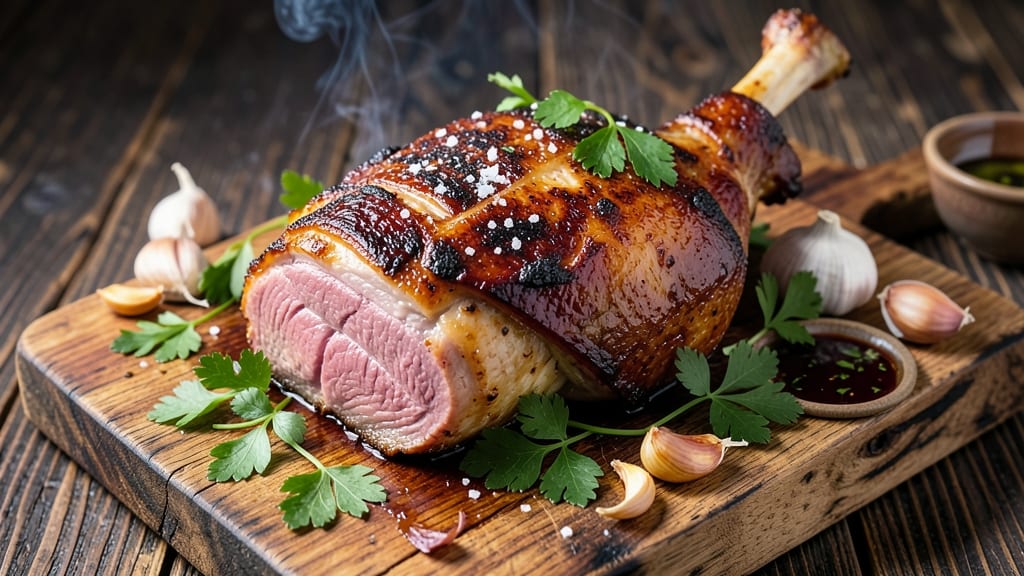
This authentic pork asado recipe brings the soul of Argentina to your grill, where wood-fired meat and chimichurri transform a simple meal into a celebration. 🔥 As a pitmaster who's spent years mastering whole-hog techniques, I've adapted the traditional Argentine parrilla method to deliver tender, juicy pork with that signature smoky depth.
The secret lies in indirect heat, hardwood coals, and a marinade that lets the meat speak for itself—no heavy sauces needed.
The magic happens when you slow-cook the pork over low heat until it reaches 195°F, where the connective tissue melts into succulent perfection. Chimichurri—fresh parsley, garlic, olive oil, and red wine vinegar—cuts through the richness, while grilled provoleta cheese and morrones peppers add the classic Argentine sides.
This isn't just a recipe; it's an experience that turns your backyard into a Buenos Aires asado gathering.
What you'll achieve is pork so tender it falls apart at the touch, with a crust that's crisp enough to stand up to chimichurri's bright acidity. The aroma alone will gather a crowd, and every bite delivers the smoky, charred essence of Argentine grilling.
This method honors tradition while making it accessible—no fancy equipment, just patience and passion.
Serve with crusty bread to soak up the chimichurri, and don't forget the fernet for sipping. The key is timing: start the coals early, let the meat rest, and embrace the communal spirit of an asado.
Here's how to bring it all together—just like in the pampas, but with your own grill.
Ingredients for authentic pork asado
Six ingredients for the meat, six for the chimichurri—just like the pampas, but with your grill.
| Ingredient | Amount | Notes |
|---|---|---|
| Bone-In Pork Shoulder Roast 🐖 | 4 lb | With fat cap intact for flavor |
| Hardwood Charcoal Chunks 🔥 | 4 lb | Hickory or quebracho preferred |
| Fresh Parsley Leaves 🌿 | 1 ½ cups | Flat-leaf variety, tightly packed |
| Garlic Cloves 🧄 | 8 cloves | Fresh, unpeeled for marinade |
| Extra-Virgin Olive Oil 🫒 | ¾ cup | Spanish or Italian preferred |
| Red Wine Vinegar 🍷 | ½ cup | Argentine or French preferred |
| Kosher Salt 🧂 | 1 ½ tbsp | Diamond Crystal preferred |
| Ground Black Peppercorns 🌶️ | 1 tsp | Freshly cracked preferred |
| Red Morita Peppers 🌶️ | 4 whole | Or substitute with Italian morrones |
| Provolone Cheese 🧀 | 1 lb | Semi-soft, sliced thick |
| Crusty Baguette 🥖 | 1 whole | Freshly baked preferred |
| Fernet-Branca Liqueur 🍸 | ¼ cup | For serving (optional) |
| Wooden Skewers 🪵 | 4 whole | Soaked in water for 30 minutes |
The pork shoulder is the heart of this asado—look for a well-marbled cut with a thick fat cap. Costco or local butchers usually carry bone-in roasts perfect for this. If you can't find Argentine-style cuts, a good old-fashioned pork shoulder works. The fat renders down during cooking, creating that signature juicy texture. For the chimichurri, fresh parsley is non-negotiable—the flat-leaf variety has more flavor than curly. I always grab a bunch from Whole Foods or my local farmers market, where the herbs are vibrant and fresh. The garlic should be plump and firm, not sprouting. And trust me on the olive oil—Spanish or Italian extra-virgin has that fruity punch that cuts through the richness of the pork.
No hardwood charcoal? Lump charcoal works in a pinch, but the flavor just isn't the same. For the chimichurri, substitute apple cider vinegar for red wine vinegar if you're avoiding alcohol. No fresh parsley? Cilantro or basil at half the amount will get you close, though it won't be authentic. The morita peppers can be swapped for Italian morrones or even roasted red bell peppers if you're in a hurry. And if you can't find provolone, mozzarella or even sharp cheddar will work for the provoleta. The baguette should be crusty—French-style or sourdough is ideal, but any good bread will do. For serving, Fernet-Branca is traditional, but a dry white wine or even sparkling water works if you're avoiding alcohol completely.
The pork shoulder keeps beautifully—3-4 days in the fridge wrapped tightly in butcher paper, or up to 3 months in the freezer. Once cooked, slice against the grain and serve immediately. Chimichurri should be made fresh, but any leftovers can be stored in a jar with a thin layer of olive oil on top for up to 5 days. The provoleta cheese can be grilled ahead and reheated quickly. I always make extra chimichurri—it's perfect for drizzling over grilled veggies or tossing with pasta later in the week. And if you're planning ahead, marinate the pork overnight for even more flavor.
Why You'll Love This Recipe
- Charcoal Magic Simplicity: I swear by this method—just rub the pork with garlic, olive oil, and parsley, then let the charcoal do the heavy lifting. No fancy marinades or last-minute prep; the smoke infuses everything while you sip wine and pretend you’re on vacation.
- Smoky-Garlic Obsession: That crispy bark on the outside? Pure satisfaction. The garlic and olive oil caramelize into something dangerously addictive, while the parsley keeps it bright. It’s the kind of flavor that makes people ask, “What’s in this?” before they even take a bite.
- Weekend Feast Ready: Between us, this is my go-to for game days, family dinners, or when I’m too tired to cook. The leftovers? Even better cold the next day—perfect for sandwiches or a quick lunch. Honestly, it’s the kind of meal that makes you look like a hero.
- Budget-Friendly Crowd-Pleaser: A single pork shoulder feeds six, and the charcoal adds that restaurant-worthy touch without breaking the bank. I’ll be real: my grocery bill stays low, but my dinner table stays full. Plus, the bone-in version means extra flavor for less money—win, win.
Step-by-step instructions for authentic pork asado with chimichurri
Let's bring the flavors of Buenos Aires to your backyard with this traditional Argentine grill masterpiece.
🔥 Step 1: Prepare the Pork Shoulder for the Grill
Start by trimming any excess fat from the pork shoulder, leaving just a thin layer over the meat to protect it during cooking. I like to score the surface in a diamond pattern with a sharp knife—this helps the marinade penetrate deeply and creates those beautiful grill marks. Pat the meat completely dry with paper towels, then rub all over with 1.5 tablespoons kosher salt and 1 teaspoon ground black peppercorns.
Next, create a marinade by combining 0.75 cup extra-virgin olive oil, 0.5 cup red wine vinegar, 8 cloves garlic (minced), and 1.5 cups fresh parsley leaves (chopped). Mix well and pour over the pork, massaging it into every crevice. Wrap tightly in plastic wrap and refrigerate for at least 4 hours—overnight is even better. This marinade transforms tough pork into melt-in-your-mouth tenderness.
🔥 Step 2: Build the Argentine Fire for Indirect Heat
While the pork marinates, prepare your grill for indirect heat cooking. Arrange 4 pounds hardwood charcoal chunks on one side of the grill, leaving the other side empty. I always use hickory or quebracho for that authentic smoky flavor. Let the coals burn until they're covered with white ash—this usually takes about 15-20 minutes. The goal is to create a two-zone fire: hot coals for searing and a cooler side for slow cooking.
Place the pork shoulder directly over the empty side of the grill, fat side up. Close the lid and maintain a temperature of 250-275°F by adding more charcoal as needed. This low-and-slow method breaks down the collagen for that signature asado tenderness. Don't be tempted to peek—the heat loss from opening the lid will extend your cook time significantly.
🥘 Step 3: Cook the Pork Until Probe-Tender
Cook the pork shoulder for 4-5 hours, rotating it every 45 minutes to ensure even cooking. You'll know it's ready when the internal temperature reaches 195-203°F and the meat pulls apart easily with two forks. The bark should be deep mahogany brown with crispy edges. Here's the thing—don't rush this step. The long cook time is what gives asado its legendary texture.
During the last 30 minutes of cooking, add the 4 whole red morita peppers (halved) and 4 wooden skewers (soaked in water) to the hot side of the grill. These will char beautifully and add a smoky depth to our chimichurri sauce later. When the pork reaches temperature, transfer it to a cutting board and tent loosely with foil. Let it rest for 30 minutes—this is crucial for juicy slices.
🍳 Step 4: Create the Signature Chimichurri Sauce
While the pork rests, prepare the chimichurri by combining 1.5 cups fresh parsley leaves (finely chopped), 4 cloves garlic (minced), 0.25 cup red wine vinegar, and 0.5 cup extra-virgin olive oil. I like to add a pinch of kosher salt and ground black peppercorns to taste. Pulse in a food processor until just combined—you want a chunky texture, not a smooth paste.
Let the chimichurri sit for 10 minutes to allow the flavors to meld. The sauce should be vibrant green and have a bright, herby aroma. This is where the magic happens—the parsley's freshness cuts through the richness of the pork beautifully. If you have any charred morita peppers from the grill, finely chop them and fold into the chimichurri for extra depth.
🍽️ Step 5: Assemble and Serve Like a True Asado
Slice the pork shoulder against the grain into ½-inch thick slices. Arrange on a platter and generously drizzle with the chimichurri sauce. I like to serve it with thick slices of provolone cheese (warmed slightly) and crusty baguette for dipping. The cheese melts beautifully over the warm pork, adding another layer of richness.
For an authentic touch, serve with 0.25 cup Fernet-Branca liqueur on the side—it's the perfect digestivo to complement the smoky, herby flavors. The key to a great asado is in the details: crispy edges, tender meat, vibrant sauce, and that perfect balance of smoky and fresh flavors working together.
Pro Tips For Making Authentic Pork Asado
- Build a Two-Zone Fire: Start with a white-hot zone for searing and a cooler side for resting—this keeps the pork shoulder from steaming instead of browning. I learned this the hard way when my first asado turned out soggy because I didn’t manage the heat zones properly. Use the charcoal chunks to create distinct heat levels, and rotate the meat accordingly.
- Crust the Meat First: Pat the pork shoulder dry, then rub it generously with olive oil and crushed garlic before hitting the grill. This step isn’t just about flavor—it’s about creating that golden crust that holds up to slicing. Skip this, and you’ll end up with a meal that’s all moisture, no texture.
- Skip the Crowding: Resist the urge to pile everything on the grill at once. Give the pork shoulder space to breathe—crowding it will turn your asado into a steam bath. I used to stack everything like a taco, and the result was always uneven cooking. Keep it loose, and you’ll get that perfect char.
- Rest Under Foil: Once the pork hits 195°F (or your preferred internal temp), move it to the cooler side of the grill and tent it loosely with foil. This traps just enough heat to keep it warm while letting any remaining juices redistribute—no one wants dry, stringy slices. Give it a solid 10 minutes, even if you’re impatient.
Storing and reheating this authentic pork asado
Fridge Storage Tips
After cooking, let your pork asado cool to room temperature for no more than 2 hours—this prevents bacterial growth. Wrap the leftovers tightly in butcher paper (not plastic) to maintain moisture and that smoky flavor.
Store in the fridge for 3-4 days maximum, keeping it in an airtight container with a damp paper towel to prevent drying. I always label my containers with the date to track freshness—trust me, you'll forget otherwise! 🥩
Freezer Prep
For long-term storage, slice the pork into ½-inch portions before freezing. Portion into quart-sized freezer bags, squeezing out excess air to prevent freezer burn. These portions reheat beautifully for quick meals.
The chimichurri, however, doesn't freeze well—make only what you'll use within 5 days. For the provoleta cheese, wrap individual slices in parchment paper before freezing for easy reheating later. 🧊
Reheating Methods
For fridge leftovers, I recommend reheating pork slices in a skillet over medium heat for 3-4 minutes per side until warmed through. Add 1 tablespoon water to prevent sticking. For frozen portions, thaw overnight in the fridge, then reheat using the same skillet method.
Never microwave—it ruins the texture! The chimichurri can be gently warmed (if needed) by stirring in a saucepan over low heat for 1 minute. 🔥
Pro Tip for Next-Day Asado
If you're prepping ahead, marinate the pork 2 days in advance and store it in the fridge. The flavors deepen over time. For the chimichurri, make it fresh the day of cooking, but store the ingredients separately in the fridge.
Combine just before serving to keep it vibrant. I also like to grill extra morita peppers ahead and store them in olive oil—they add amazing flavor to future dishes! ✨
Serving Leftovers Creatively
Transform your asado leftovers into chimichurri pork tacos with corn tortillas, or shred it for pork empanadas. The provoleta cheese makes great grilled cheese sandwiches when reheated. Even the chimichurri works as a marinade for chicken or shrimp.
My favorite? Pork asado nachos—just layer tortilla chips with leftover pork, cheese, and chimichurri, then broil until bubbly. 🌮
Nutrition facts
Frequently asked questions about Argentine pork asado
Can I substitute pork shoulder with another cut?
For best results, stick with pork shoulder as it's ideal for slow cooking. However, you can use pork butt (Boston butt) or even pork loin if you reduce cooking time to 2-3 hours for medium doneness. The shoulder's fat and collagen create that signature asado texture, so leaner cuts won't deliver the same melt-in-your-mouth experience.
What's the secret to perfect chimichurri?
The key is freshness—never use dried parsley! The sauce should be chunky, not smooth, with a 3:1 ratio of parsley to garlic. Let it rest for 10 minutes after mixing to develop flavors. For extra depth, add ½ teaspoon red pepper flakes or a pinch of oregano. And always use extra-virgin olive oil—it makes all the difference!
How do I know when the pork is done?
Use a meat thermometer to check for 195-203°F internal temperature. The meat should pull apart easily with two forks and have a deep mahogany crust. If you don't have a thermometer, cut into the thickest part—juices should run clear, not pink. Remember, the pork will rise 5-10°F after resting!
Can I make this asado on a gas grill?
Use the two-zone method by turning off one burner to create indirect heat. Place 10-12 charcoal briquettes on the hot side to mimic wood smoke. For authentic flavor, add 2-3 soaked wood chips to the hot coals. Gas grills work well, but the hardwood smoke is what gives asado its signature depth.
What's the best way to serve asado?
Slice against the grain for tender bites, arrange on a wooden board, and drizzle generously with chimichurri. Serve with grilled provoleta cheese, crusty bread, and fernet for sipping. In Argentina, asado is a social event—keep the meat warm in a cast iron skillet and serve family-style. The key is to let guests build their own plates!