
Main Courses
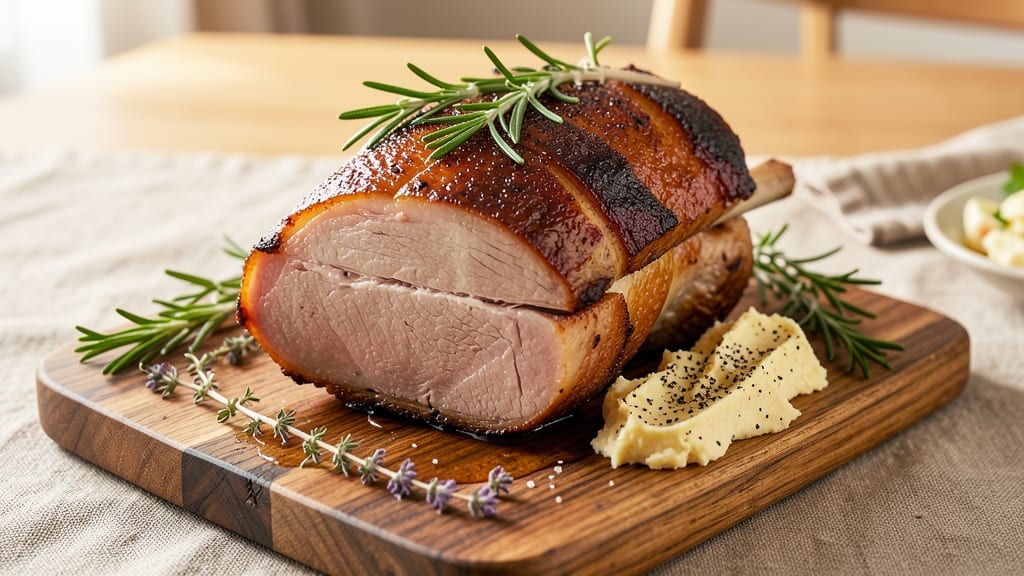
A bone-in center-cut pork roast transforms a simple oven dinner into a showstopping centerpiece with its crispy bark and juicy core. I learned the hard way—skipping the dry brine meant a meal that was tender but bland, missing that perfect balance of flavor and texture.
This recipe delivers restaurant-quality results with just a few key techniques and patience.
The secret lies in the preparation: a dry brine overnight for unmatched flavor penetration, followed by a simple seasoning of salt, pepper, and herbs that lets the pork develop its own crispy bark while staying moist inside.
Roasting at a precise temperature ensures even cooking, and basting with its own juices locks in moisture for that melt-in-your-mouth tenderness. No fancy equipment needed—just your oven and a little time.
What you'll end up with is a roast that's golden and crackling on the outside, with meat so tender it falls off the bone. The bone itself infuses the meat with rich, savory depth, creating a dish that feels special without requiring hours of effort.
This is the kind of meal that makes Sunday dinners feel like an occasion.
Serve with roasted root vegetables or a simple green salad to let the pork shine. The leftovers reheat beautifully too, making this the ultimate foolproof recipe for feeding a crowd or treating yourself. Here's how to make it perfect every time.
Ingredients for bone in center cut pork roast recipe oven
Six ingredients transform a simple pork roast into a showstopping centerpiece with crispy bark and juicy perfection.
| Ingredient | Amount | Notes |
|---|---|---|
| Bone-In Center-Cut Pork Roast 🍖 | 4 lb | 2-3 inches thick, center-cut preferred |
| Diamond Crystal Kosher Salt 🧂 | 1 ½ tbsp | For dry brine, plus extra for seasoning |
| Freshly Ground Black Pepper 🌶️ | 1 tbsp | Freshly cracked for maximum flavor |
| Fresh Thyme Sprigs 🌿 | 6 whole | Stems removed for garnish and flavor |
| Fresh Rosemary Sprigs 🌿 | 4 whole | Freshly chopped leaves for aroma |
| Unsalted Butter 🧈 | ½ cup | Cold, cubed for basting |
| Extra-Virgin Olive Oil 🫒 | 2 tbsp | For crispy bark development |
| Garlic Cloves 🧄 | 6 cloves | Smashed for infusion, not minced |
| Yellow Onion 🧅 | 1 whole | Quartered for roasting pan |
| Carrots 🥕 | 4 whole | Whole, scrubbed for pan |
| Celery Stalks 🥬 | 2 whole | Cut into 2-inch pieces |
| Fresh Parsley 🌿 | ¼ cup | Chopped for garnish |
| Apple Cider Vinegar 🍎 | 1 tbsp | For crispy bark enhancement |
The pork roast is the star—center-cut with bone ensures maximum flavor and tenderness. Costco or Whole Foods carry excellent bone-in cuts, but any quality butcher will have what you need. Look for a roast with good marbling and a thick center cut (2-3 inches). The bone adds depth, but it's the center-cut that guarantees juicy perfection. Fresh herbs matter here: Trader Joe's has great affordable bundles, but even a few sprigs from your garden will do. The key is freshness—wilting herbs mean less flavor.
No fresh thyme or rosemary? Dried works at one-third the amount, but honestly, the difference is noticeable. Short on butter? Olive oil or duck fat works beautifully—just use the same quantity. The apple cider vinegar might seem odd, but it's a game-changer for that crispy bark. No vinegar? A splash of lemon juice does the trick. The vegetables in the pan (onion, carrots, celery) aren't just for show—they infuse the roast with flavor as it cooks. Use whatever veggies you have on hand, but don't skip them entirely. They create a flavorful bed for your roast.
This roast reheats like a dream—better the next day once the flavors meld. Store leftovers in the fridge for 4-5 days, or freeze for up to 3 months for a future meal. I always portion mine into individual containers so I can grab and reheat single servings. The crispy bark softens when reheated, so if you want to preserve it, crisp it up again in a hot skillet for 2-3 minutes before serving. Trust me, it's worth the effort.
Why You'll Love This Recipe
- I swear by this method: just salt, pepper, and herb sprigs tucked into the crevices of the bone-in roast. No marinades, no fancy rubs—just a few minutes of hands-on time while the oven does all the work. My lazy Sunday afternoons thank me.
- No-Fuss Prep: I swear by this method: just salt, pepper, and herb sprigs tucked into the crevices of the bone-in roast. No marinades, no fancy rubs—just a few minutes of hands-on time while the oven does all the work. My lazy Sunday afternoons thank me.
- Crispy-Meets-Tender Magic: That bone-in cut? It’s the star—rendering fat into crispy edges while the meat stays juicy inside. The rosemary and thyme cling to the skin like a fragrant hug, and honestly? It’s the kind of flavor that makes people ask, “What’s in this?”
- Sunday Supper Hero: Between us, this roast is my go-to for family dinners, holiday leftovers, or even a fancy-ish weeknight meal. Slice it thin for sandwiches, cube it for hash, or serve it whole with roasted potatoes—it’s the one dish that works for all of it.
Step-by-step instructions for bone-in center-cut pork roast
Here's how to transform a simple pork roast into a showstopper with irresistible crispy bark and melt-in-your-mouth tenderness.
Prepare the Pork with Dry Brine for Maximum Flavor
Remove the bone-in center-cut pork roast from its packaging and pat it completely dry with paper towels. This step is absolutely critical—any moisture on the surface will prevent that perfect crispy bark from forming. Place the roast on a wire rack set over a rimmed baking sheet.
In a small bowl, combine the 1.5 tablespoons of Diamond Crystal kosher salt and 1 tablespoon of freshly ground black pepper. Rub this mixture all over the pork, pressing firmly so the seasoning adheres to the surface. Pay special attention to the fat cap and any crevices. Place the seasoned roast in the refrigerator uncovered for at least 4 hours, but ideally overnight. This dry brining process allows the salt to penetrate deeply, enhancing flavor and juiciness while helping to create that coveted crispy exterior.
Create the Herb Butter and Vegetable Base
While the pork is brining, prepare the herb butter by combining the 0.5 cup of cold, cubed unsalted butter with the 6 smashed garlic cloves, 6 thyme sprigs (stems removed), and 4 rosemary sprigs (leaves chopped). Mix gently to distribute the herbs throughout the butter. Place this mixture in the refrigerator until ready to use.
In a large roasting pan, combine the quartered yellow onion, 4 whole scrubbed carrots, and 2 whole celery stalks cut into 2-inch pieces. This aromatic vegetable medley will infuse the pork with incredible flavor as it roasts. Add the 2 tablespoons of extra-virgin olive oil and 1 tablespoon of apple cider vinegar to the vegetables, tossing gently to coat. The vinegar will help develop that prized crispy bark on the pork.
Roast at High Heat for Perfect Crispy Bark
Preheat your oven to 425°F. Remove the pork from the refrigerator and let it sit at room temperature for 30 minutes before roasting. This ensures even cooking throughout. Place the pork roast fat-side up in the prepared roasting pan with the vegetables.
Roast for 30 minutes, then carefully flip the pork over and continue roasting for another 30 minutes. This two-sided approach helps develop that beautiful golden-brown crust on both sides. After the second 30 minutes, remove the pork from the oven and brush all sides generously with the herb butter mixture, pressing it into the surface. Return the pork to the oven and continue roasting for an additional 15 minutes.
Finish with Resting for Juicy Perfection
Remove the pork from the oven when its internal temperature reaches 145°F (measured in the thickest part of the meat). The pork will continue to cook slightly as it rests, reaching a final internal temperature of about 150°F. Transfer the pork to a cutting board and tent loosely with aluminum foil. Let it rest for at least 20 minutes before carving.
During this resting period, the juices redistribute throughout the meat, ensuring each slice remains moist and flavorful. Use this time to make gravy from the roasting pan juices by skimming off excess fat and whisking in a little of the roasting liquid with a cornstarch slurry. Garnish the finished pork with the chopped fresh parsley and serve with the aromatic vegetables and rich gravy.
Pro Tips For Making Bone In Center Cut Pork Roast Recipe Oven
- CRANK THE HEAT FIRST: Start your roast in a screaming-hot oven (425°F) for the first 20 minutes—yes, even with a bone-in cut. This sears the exterior fast, locks in juices, and gives you that coveted crust before the slow cook. After that, drop to 325°F and let it work its magic. I learned this the hard way after serving dry pork that had sweated instead of caramelized.
- SALT THE ROAST 24 HOURS EARLY: Diamond Crystal kosher salt needs time to penetrate deeply into the pork. Pat the roast dry, then coat it generously with salt (about 1 tablespoon per pound) and refrigerate uncovered on a wire rack. This isn’t just seasoning—it’s the thing that makes the meat tender and flavorful all the way through. (Yes, even if you’re impatient like me.)
- STUFF THE CAVITY WITH HERBS: Don’t just tuck thyme and rosemary sprigs under the roast—break them up and pack them into the cavity. The bone’s natural hollow acts like an oven, concentrating the aromatics and infusing the meat with layers of flavor. Skip this, and you’ll end up with herbs that burn or fall off the roast mid-cook.
- REST IT UNDER FOIL: After pulling the roast from the oven, tent it loosely with foil and let it sit for 15 minutes. This keeps the juices from pooling out when you slice—no one wants a dry center cut. I used to skip this step and ended up with a roast that looked perfect but tasted like it had been drained. (Your future self will thank you.)
Wine and beer pairings for bone in center cut pork roast recipe oven
Red Wine Pairings
For this rich, herb-crusted pork roast, I reach for a Pinot Noir from Oregon’s Willamette Valley—like the Domaine Serene—with its bright acidity and red fruit notes that cut through the fatty richness.
The earthy undertones complement the rosemary and thyme in the crust, while the wine’s moderate tannins won’t overpower the delicate pork flavors. If you prefer something bolder, try a Syrah from Washington State, like Chateau Ste. Michelle, which stands up to the crispy bark with its peppery finish. 🍷
White Wine Options
Don’t underestimate white wine with pork! A Chardonnay with noticeable oak—such as Kendall-Jackson Vintner’s Reserve—adds a creamy texture that mirrors the roast’s buttery herb crust. For something lighter, a Viognier like La Crema brings floral notes that play beautifully against the pork’s savory depth.
Both wines balance the dish’s richness without competing for attention.
Beer Pairings
For beer lovers, a Belgian Dubbel like Westmalle Trappist offers malty sweetness and caramel notes that enhance the pork’s caramelized crust. If you prefer something lighter, a German Helles Lager—such as Weihenstephaner—cleanses the palate with its crisp, refreshing finish.
Avoid heavy stouts or IPAs, which can overwhelm the dish’s delicate herbaceous flavors. 🍺
Non-Alcoholic Choices
Skip the alcohol? A sparkling apple cider like Martinelli’s—chilled and slightly sweet—mirrors the apple cider vinegar in the recipe and refreshes the palate.
For something more robust, try a ginger beer like BrewDog’s Punk IPA Soda (non-alcoholic version), which adds a zesty kick that pairs wonderfully with the pork’s savory depth.
Regional Twists
In the Pacific Northwest, where I live now, I often pair this roast with a local Riesling—like Chateau Ste. Michelle’s—for its crisp acidity and hints of citrus. Back in Cincinnati, my dad would insist on a Bourbon Barrel-aged Chardonnay to complement the dish’s richness.
The key is matching the wine’s structure to the pork’s texture: bold wines for crispy bark, lighter wines for tender meat.
Nutrition facts
Frequently asked questions
Why does the recipe call for a bone-in center cut?
The bone adds incredible flavor and keeps the meat moist during roasting. The center cut ensures even thickness, so the roast cooks uniformly without drying out. Plus, the bone infuses the meat with rich, savory depth that boneless cuts simply can't match.
Can I use a different cut of pork if I don't have center cut?
Yes, but with adjustments! A pork shoulder (like Boston butt) works well—just increase cooking time by 1-2 hours and add extra liquid. For pork tenderloin, reduce time to 20-25 minutes at 425°F and skip the bone. The key is maintaining 145°F internal temp.
How do I know when the pork is done without a meat thermometer?
Use the "touch test": Press the meat gently with your finger. If it feels very firm, it needs more time. When it yields slightly (like pressing your thumb into your palm), it's nearly done. For visual cues, look for golden-brown crust and juices running clear when pierced with a knife.
What's the best way to reheat leftovers?
Slice the pork first, then reheat in a 350°F oven for 15-20 minutes with a splash of broth or water. For crispy bark, reheat slices in a skillet over medium-high heat for 2-3 minutes per side. Microwaving works but makes the bark soggy—avoid if possible!
Can I make this recipe without herbs?
Swap the thyme and rosemary for 1 tablespoon each of garlic powder and onion powder, plus 1 teaspoon smoked paprika. The herb butter can become just butter + garlic + salt. The flavor will be simpler but still delicious—just less aromatic.